Our Range














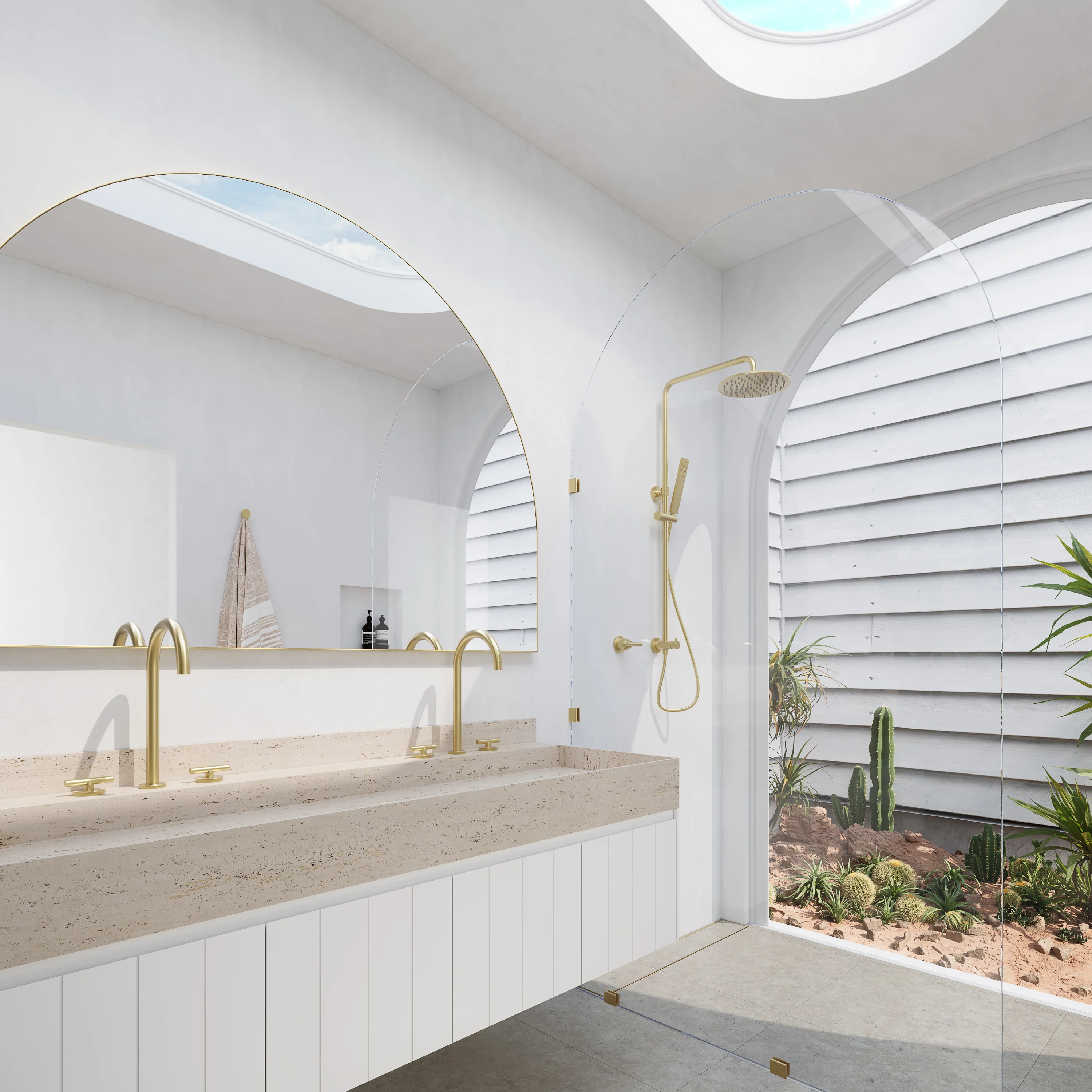




10 Property Styling Tips for Staging Your Home
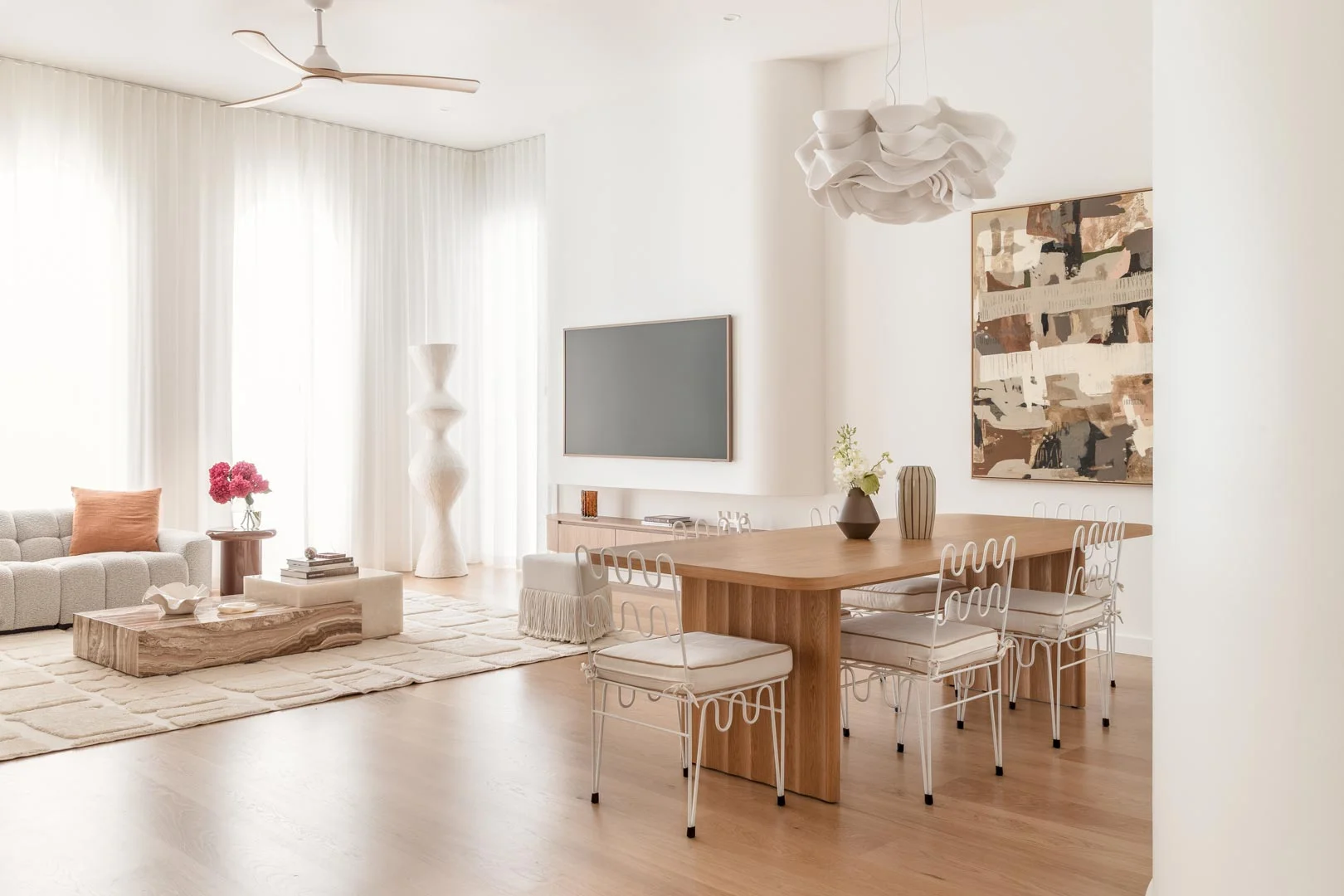
When it comes to selling your home, first impressions matter. Home staging is one of the most effective ways to showcase your property at its best and attract potential buyers.
By styling your home thoughtfully, you can highlight its strengths, minimise distractions, and help buyers imagine themselves living in the space. Whether you're preparing for a photoshoot or upcoming open home inspections, we explore 10 property styling tips to help stage your home for a faster, more successful sale.
Why Should You Stage Your Home?
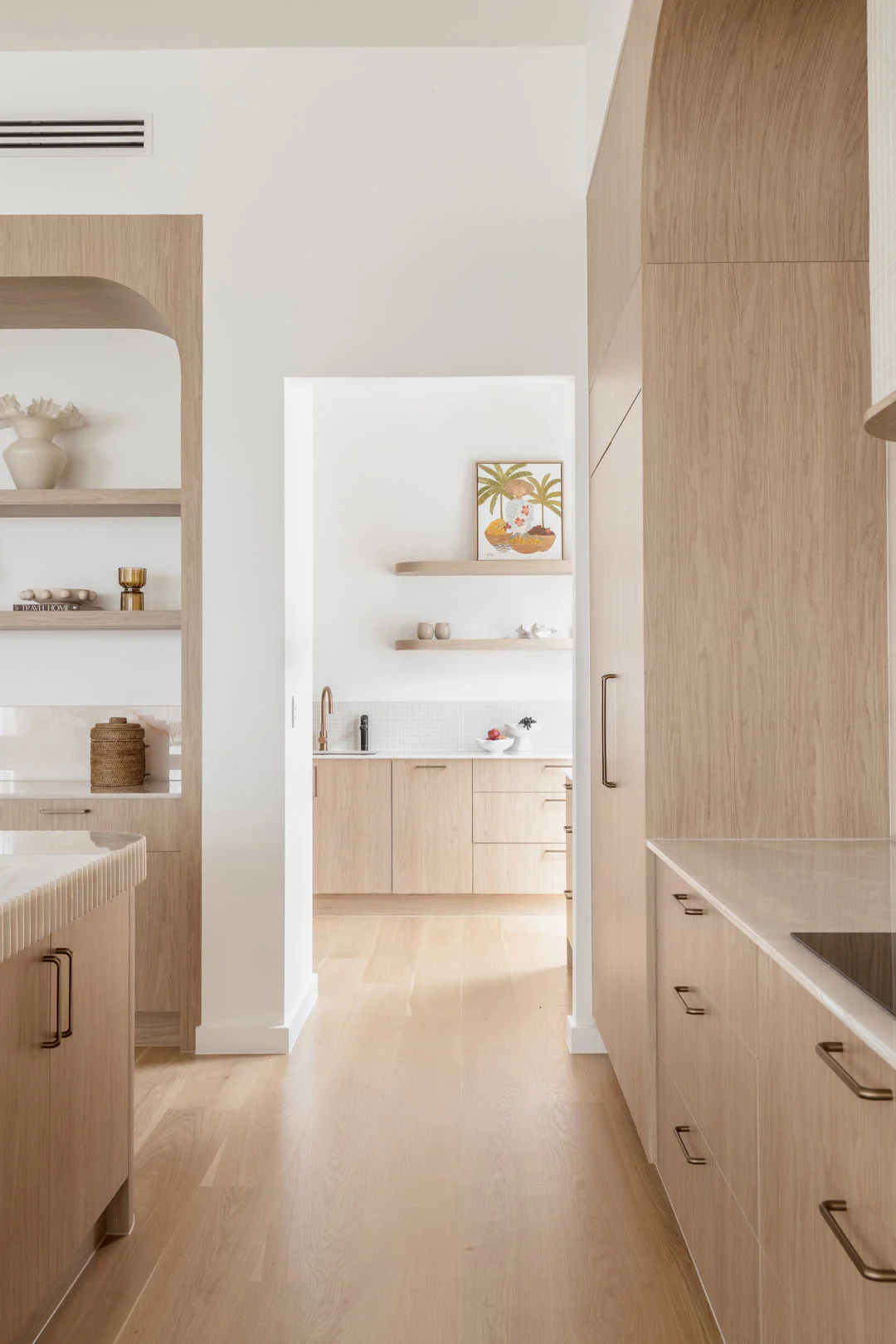
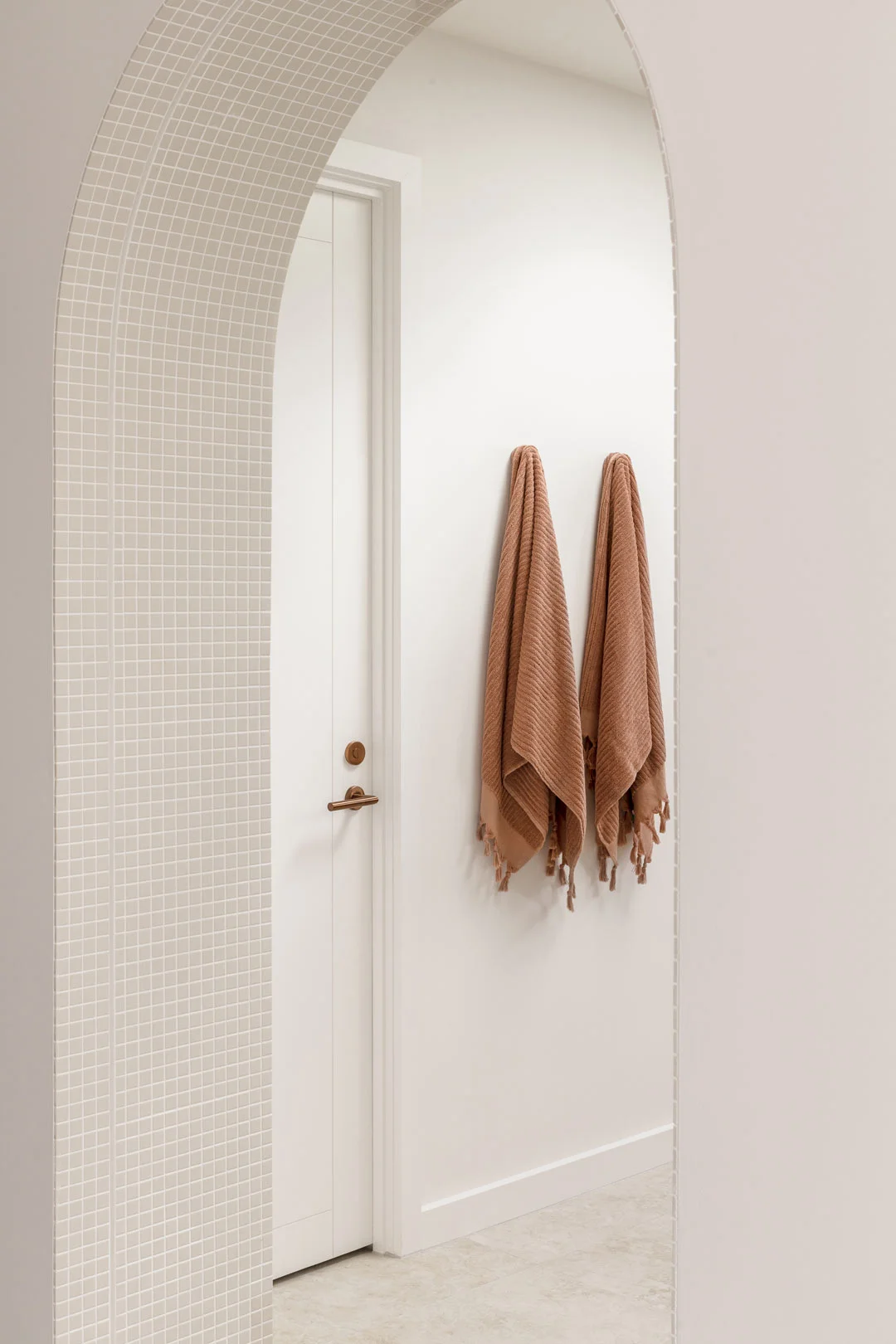
Home staging is the process of preparing a property to present it in the best possible light for sale. It involves arranging furniture, decorating, and creating an inviting atmosphere that allows potential buyers to envision themselves living in the space.
Unlike interior decorating, which is tailored to personal taste, staging focuses on broad appeal. The goal is to highlight the home’s strengths, downplay any flaws, and help buyers emotionally connect with the property. From rearranging layouts to introducing fresh accessories and neutral palettes, every detail is considered with the buyer’s eye in mind.
Effective property styling can significantly influence how quickly a home sells, and for how much. Here are some of the key benefits:
- Faster Sales: Staged homes in Australia sell up to two weeks faster than their unstaged counterparts.
- Higher Sale Prices: Professionally staged homes can boost sale prices by an average of 12%, with 85% selling for more than the asking price.
- Increased Buyer Interest: Home staging enhances the visual appeal of a property, leading to more interest from potential buyers and increased competition.
- Improved Online Presence: Staged homes photograph better and stand out in online listings, attracting more views and inquiries from prospective buyers.
- Improved Return on Investment: For every dollar spent on property styling, sellers can expect a return of up to $3, making staging a cost-effective strategy.
Our Top 10 Property Styling Tips for Staging Your Home
1. Declutter and Depersonalise
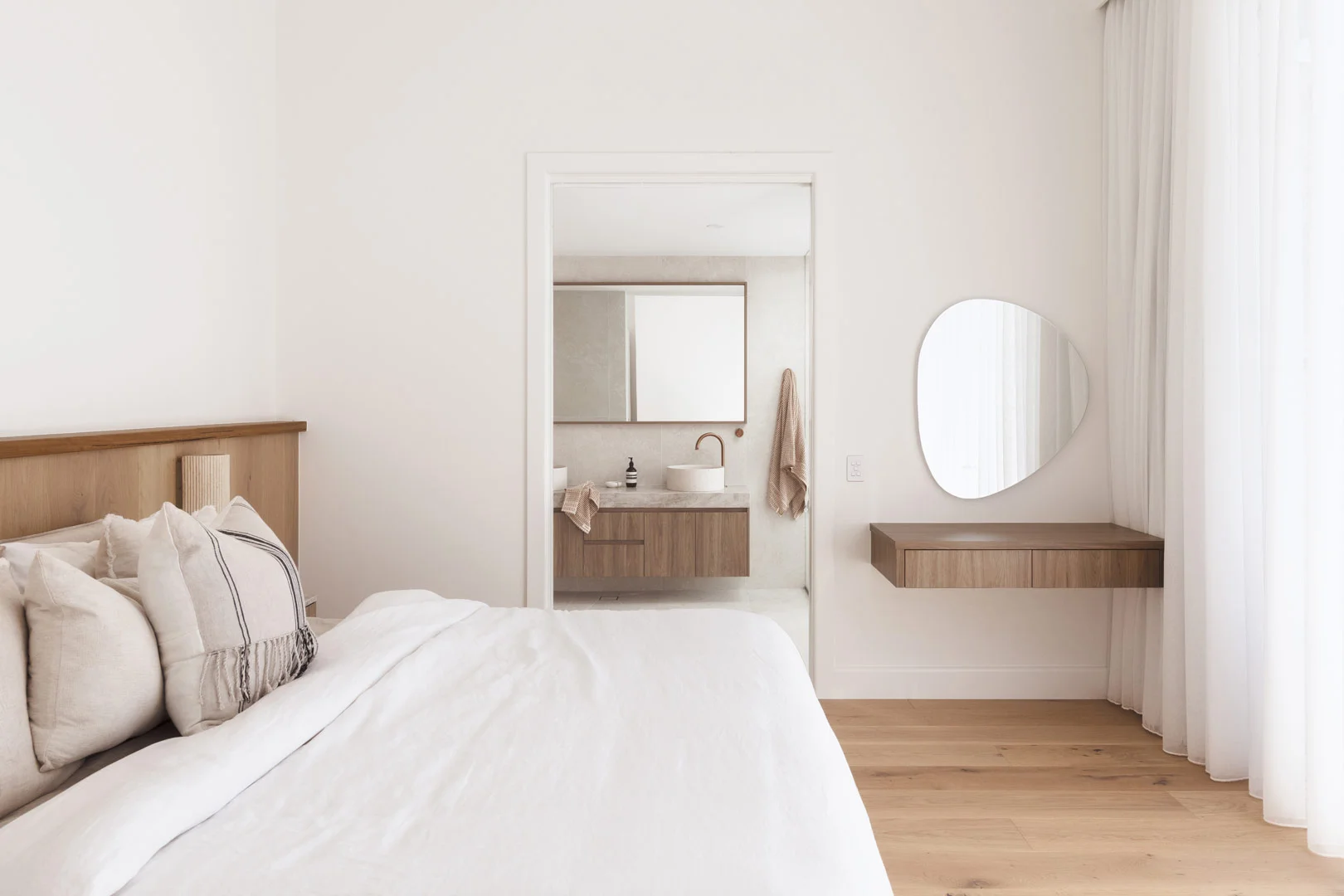
Buyers need to picture themselves living in your home, and that’s hard to do when it’s filled with personal items like family photos, kids’ artwork, or mementos. Start by removing anything overly personal or decorative.
Decluttering is also key to making rooms feel more spacious and organised. Store away unnecessary items, clear benchtops, and use attractive storage baskets to keep essentials tidy. Minimal surfaces not only photograph better but also help buyers focus on the home itself, not what’s inside it.
2. Address Repairs and Maintenance
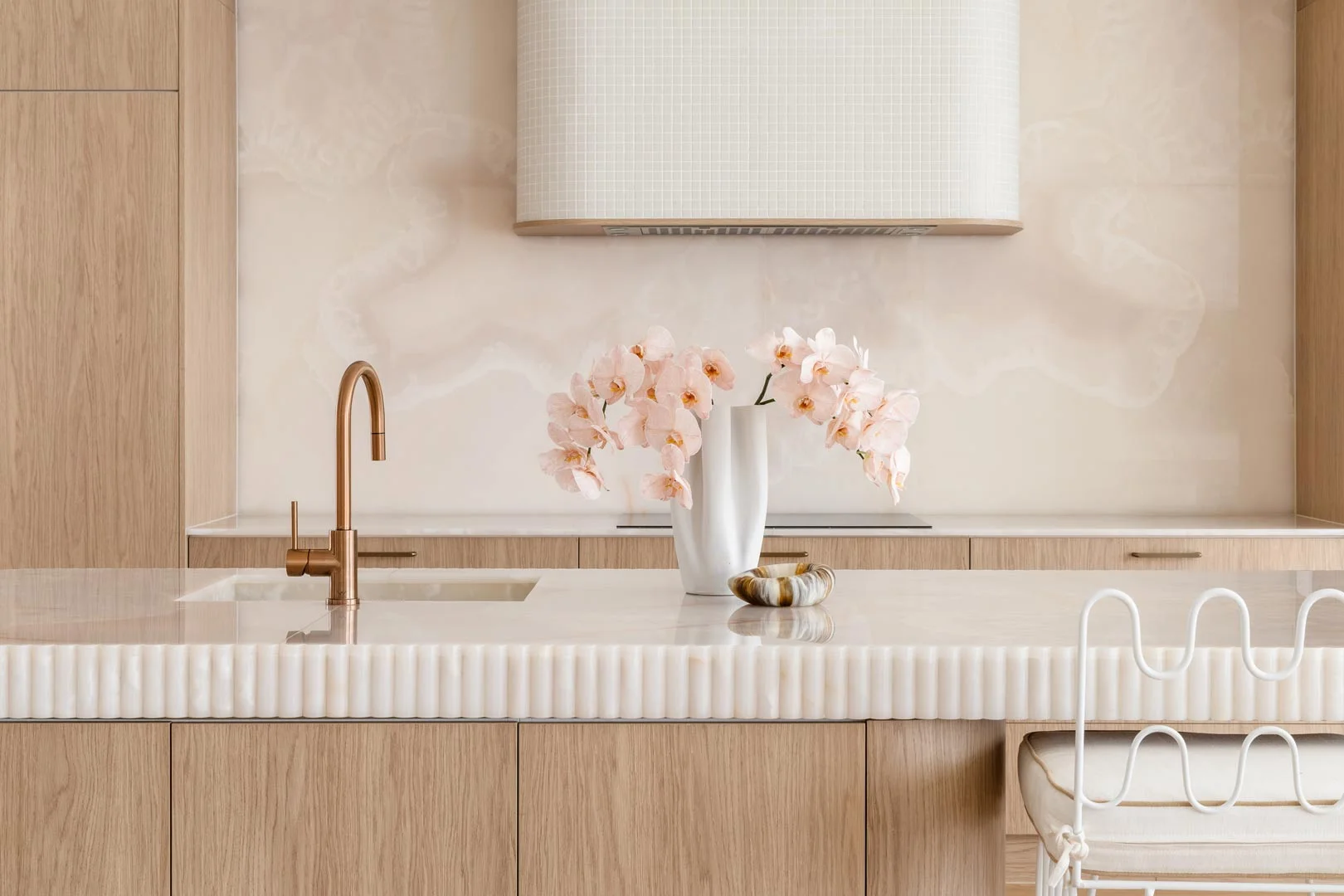
Before property styling begins, take time to complete any outstanding repairs around the home. Small issues — like scuffed skirting boards, dripping taps, cracked tiles, or holes in the wall — can stand out to buyers and give the impression the property hasn’t been well maintained.
Touch up paint where needed, fix loose handles, ensure all lightbulbs are working, and make sure windows and doors open smoothly. These finishing touches show buyers the home is move-in ready and reduce distractions during inspections.
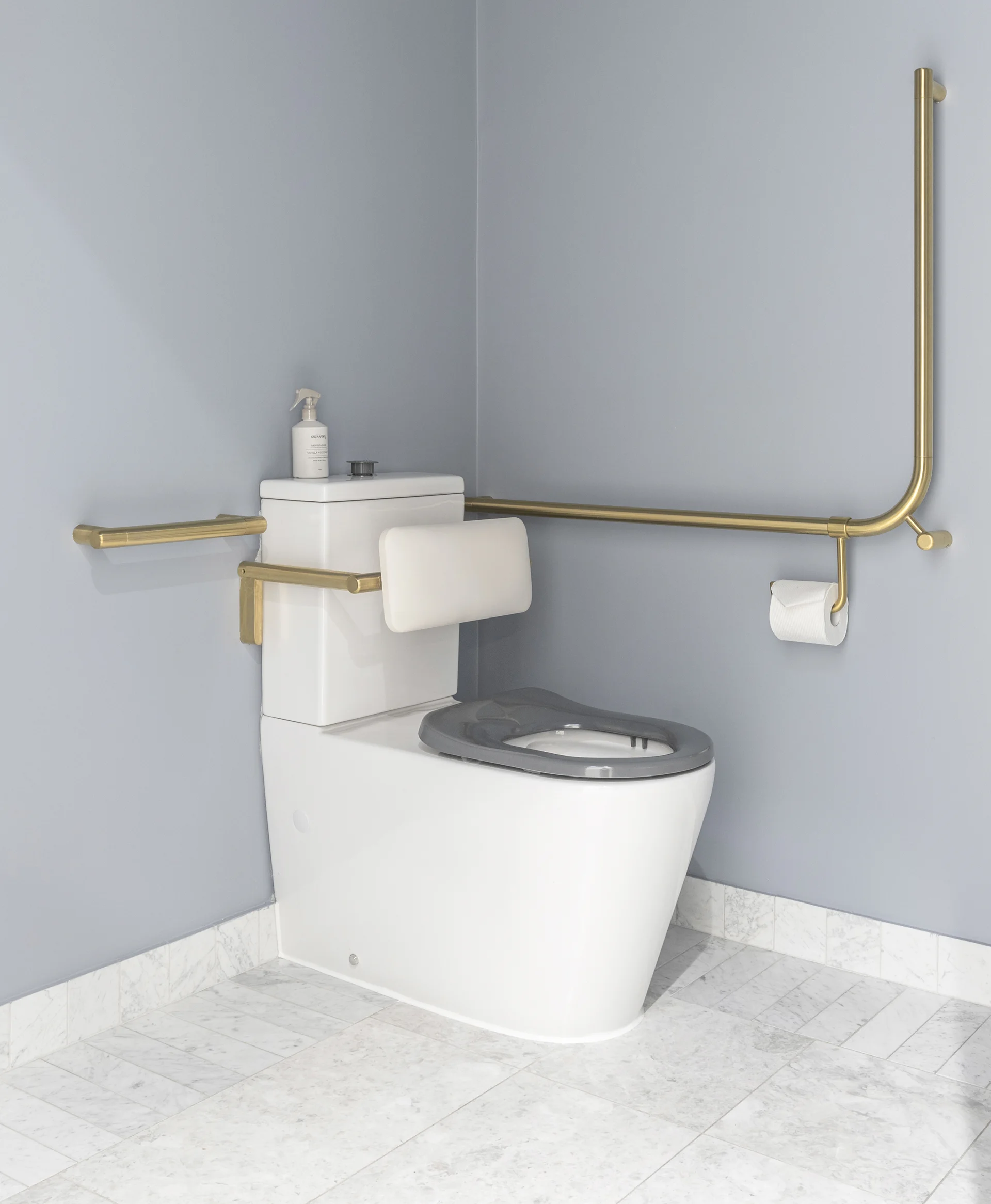
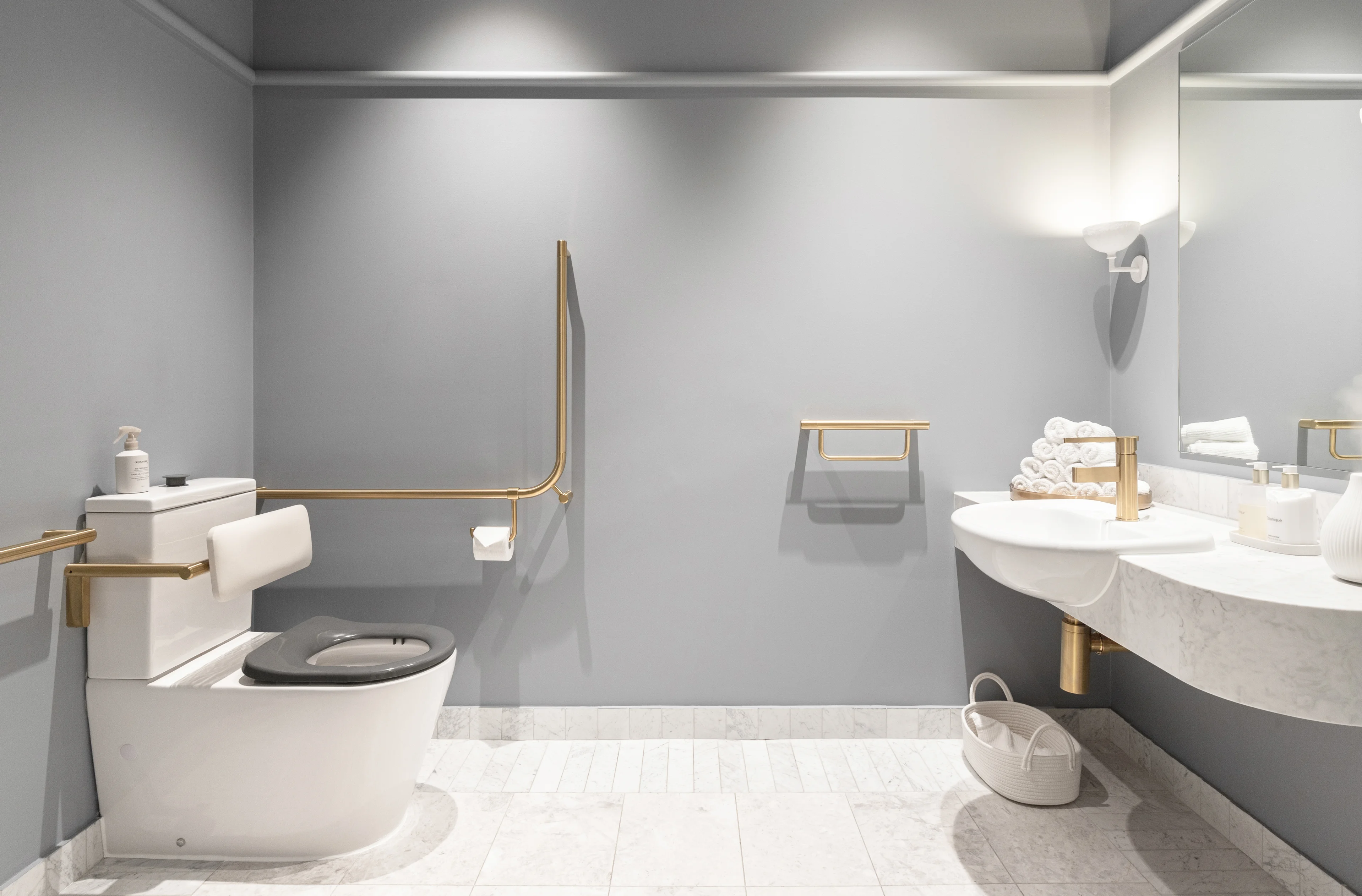
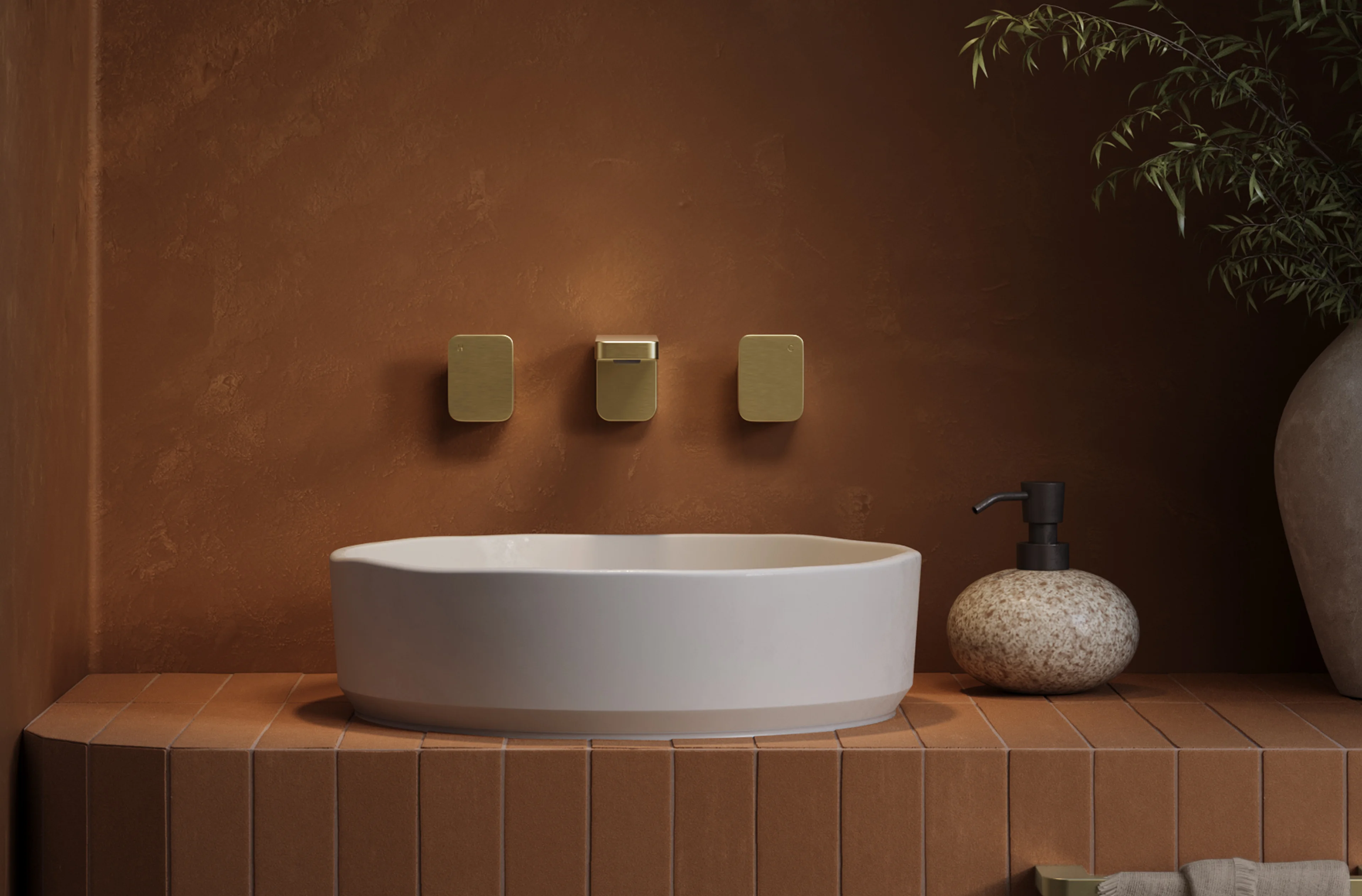
Outdated fixtures dragging down your home’s appeal? Explore ABI Interiors’ extensive range of tapware, tiles, showers, basins, hardware, and accessories to add that final layer of luxury to your home styling.
3. Highlight the Home’s Best Features
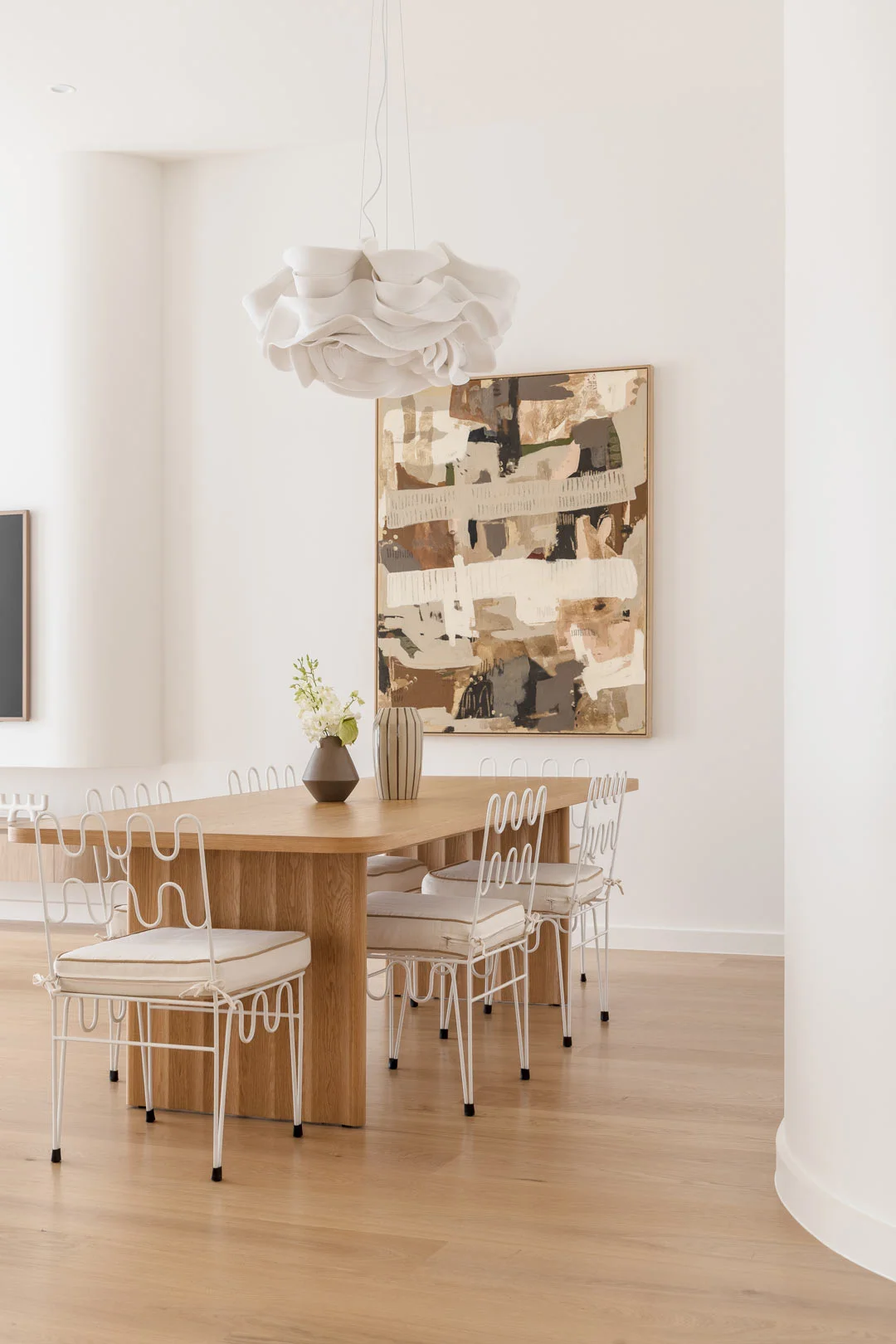
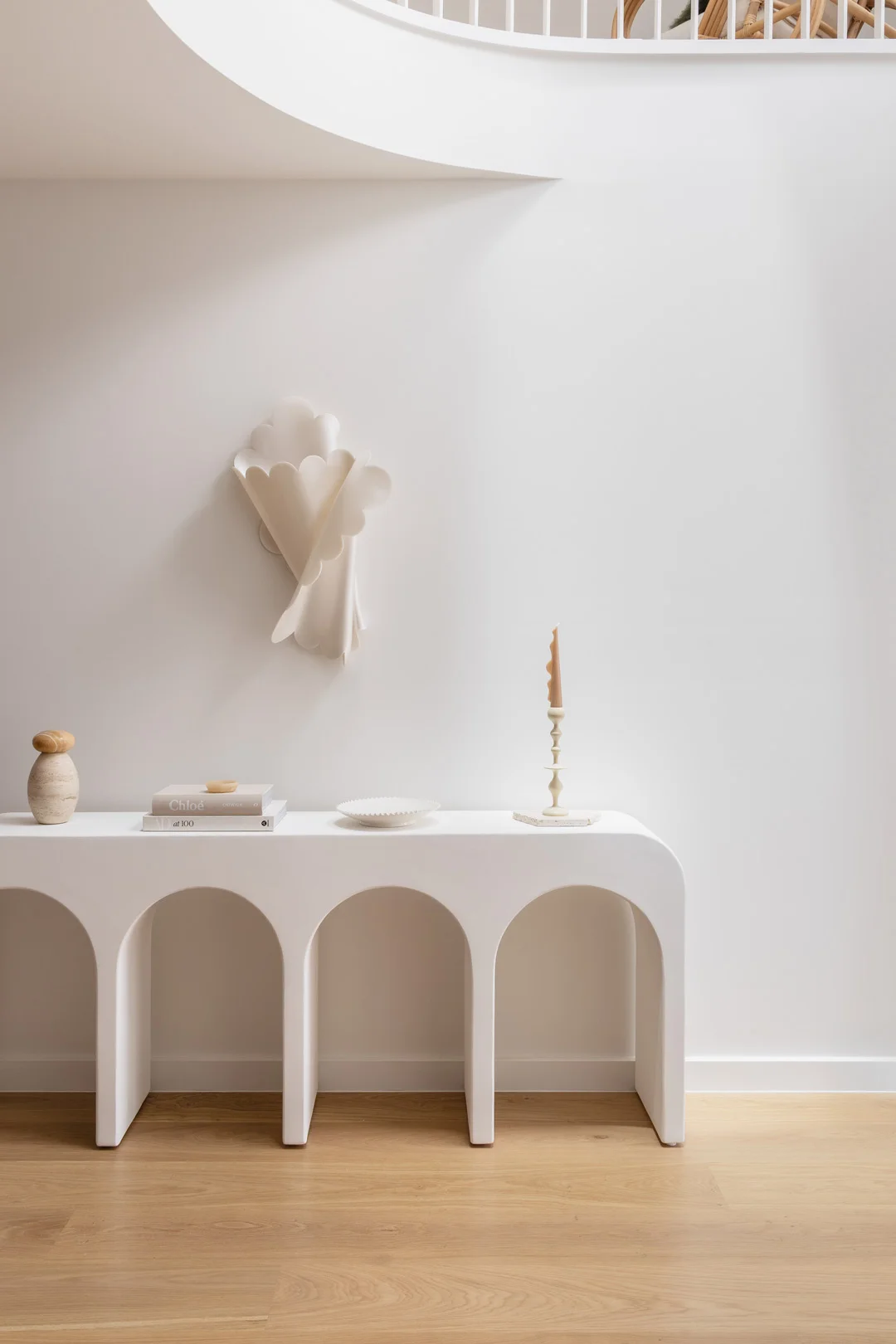
Every home has standout features, whether that be abundant natural light, high ceilings, original timber floors, or breathtaking views.
Position furniture to draw attention to architectural highlights, such as placing a sofa to frame a fireplace or keeping window areas clear to maximise sunlight and views. Use statement pieces like artwork, vases, or feature mirrors to create focal points that enhance the room without overwhelming it.
4. Create a Welcoming Atmosphere
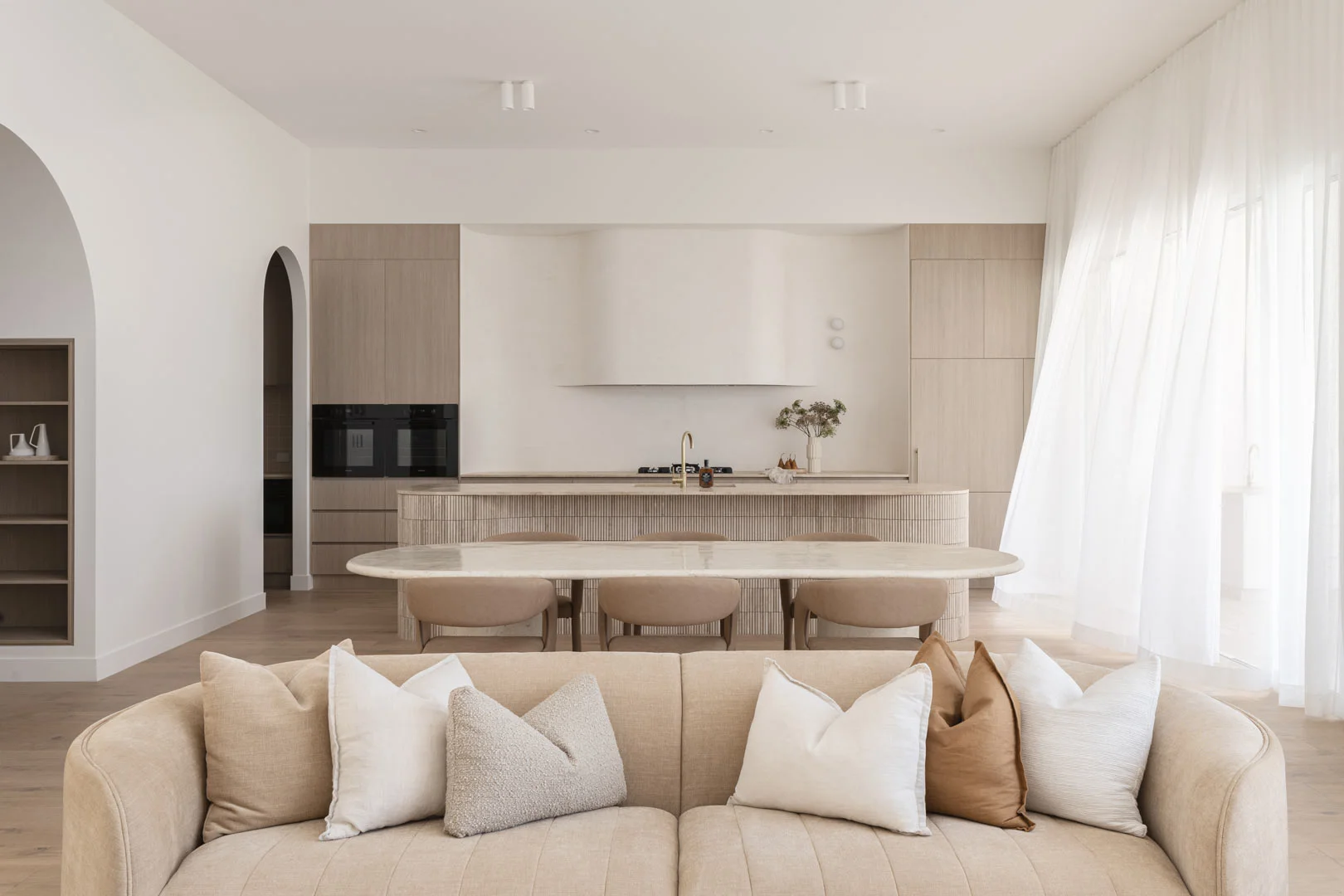
First impressions are more than visual — they’re sensory. The scent of fresh air, the glow of warm lighting, and the presence of soft textures all contribute to a home that feels welcoming and well-loved.
Use lighting to your advantage by opening blinds, switching on lamps, and adding mirrors to reflect natural light. Scented candles, fresh flowers, or a bowl of citrus can subtly lift the mood and make the space feel more inviting and homely.
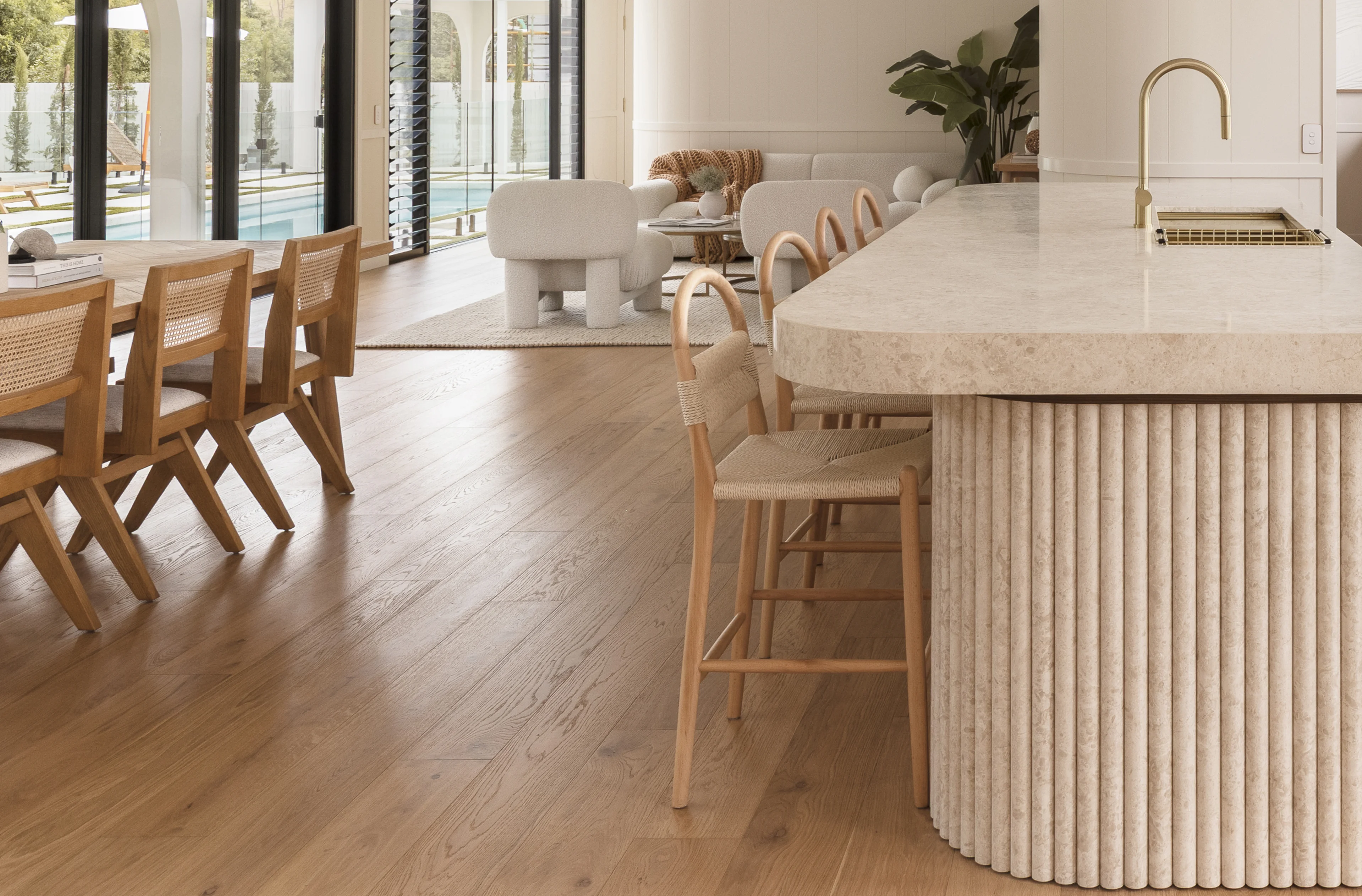
Texture adds warmth, depth, and a designer touch to your interiors. Soft throws, textured cushions, woven rugs, and sheer curtains help create a lived-in, comfortable feel without looking cluttered.
Layering different materials — such as timber, linen, metal, and stone — adds visual interest and gives your rooms a more styled, intentional look. Aim for balance by mixing soft and hard finishes in a harmonious way.
5. Choose a Neutral Colour Palette
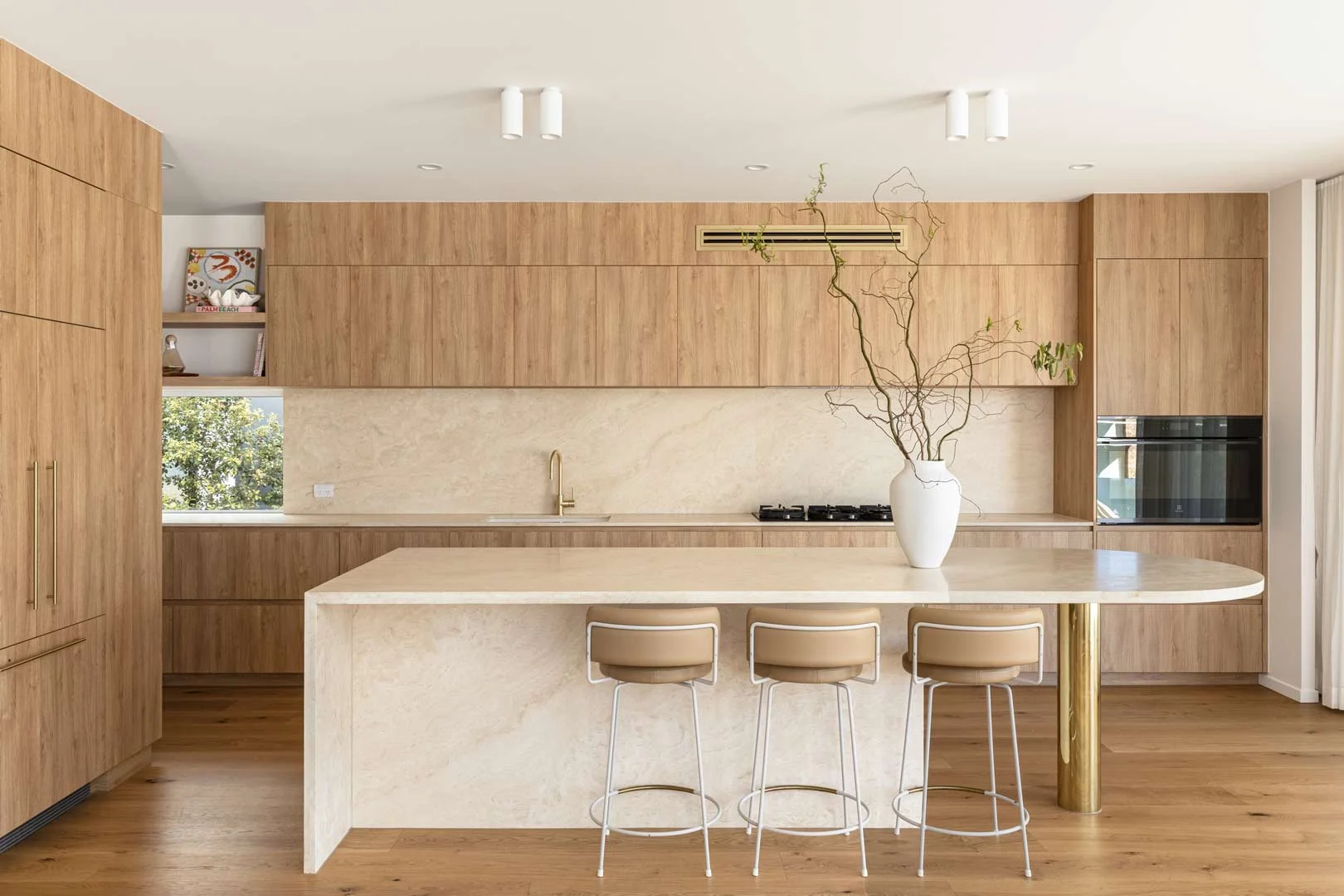
A neutral colour scheme is your best friend when it comes to property styling. Soft whites, beiges, greys, and warm taupes help create a blank canvas that allows buyers to visualise their own furniture and style in the home.
Paint walls in fresh, neutral tones and choose light-toned furniture where possible. Add pops of colour through cushions, art, and accessories — but keep the overall palette calm and cohesive to appeal to the broadest audience.
6. Invest in Furniture That Fits the Space
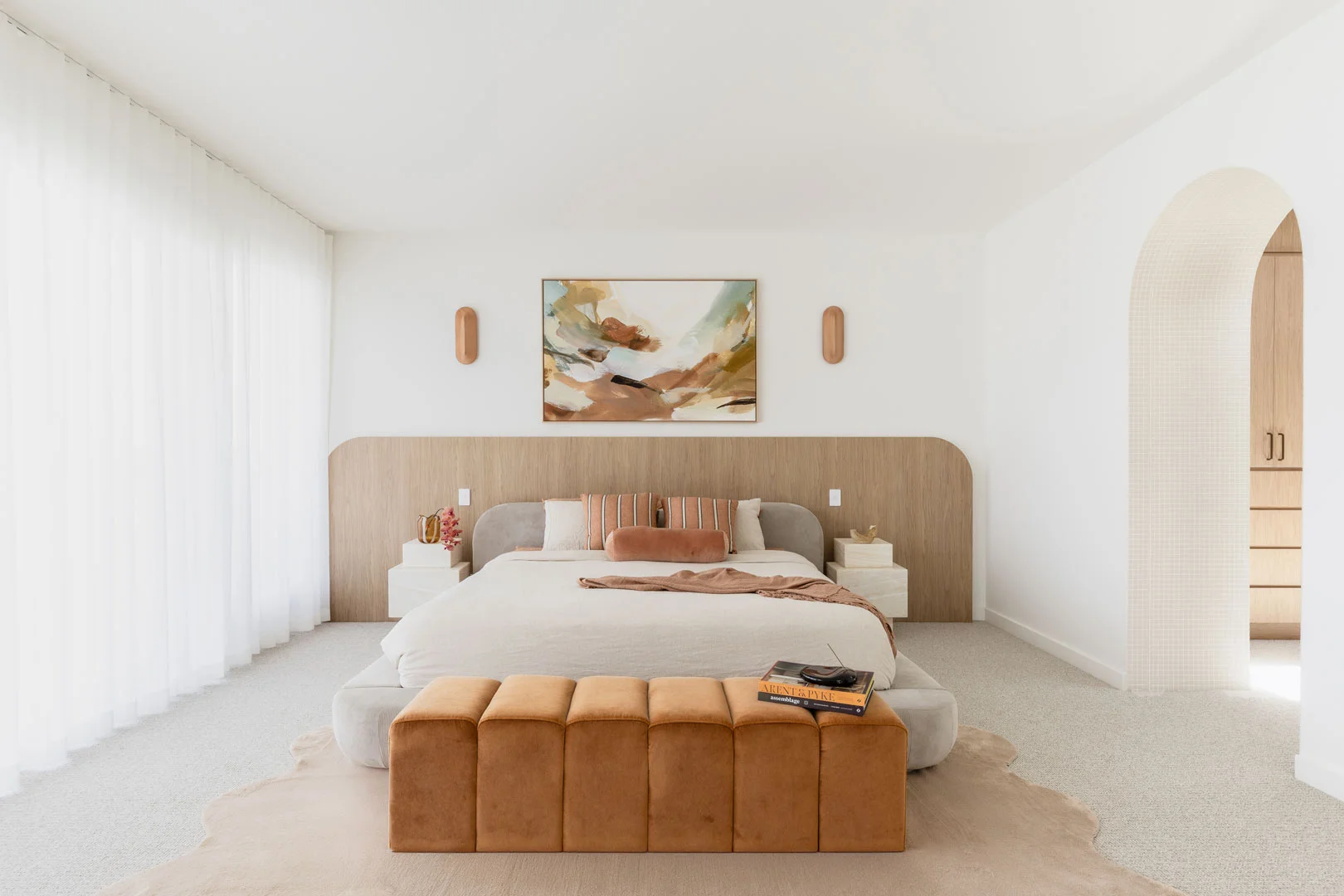
Furniture should enhance the sense of space, not overpower it. Oversized or mismatched pieces can make a room feel cramped or awkward. Choose appropriately sized furniture that allows for easy movement and flow throughout each room.
If your existing furniture is worn, dated, or doesn’t suit the style of the home, consider renting stylish, modern pieces for the duration of the campaign. It’s a worthwhile investment that can transform how buyers perceive the property.
7. Pay Attention to Outdoor Areas
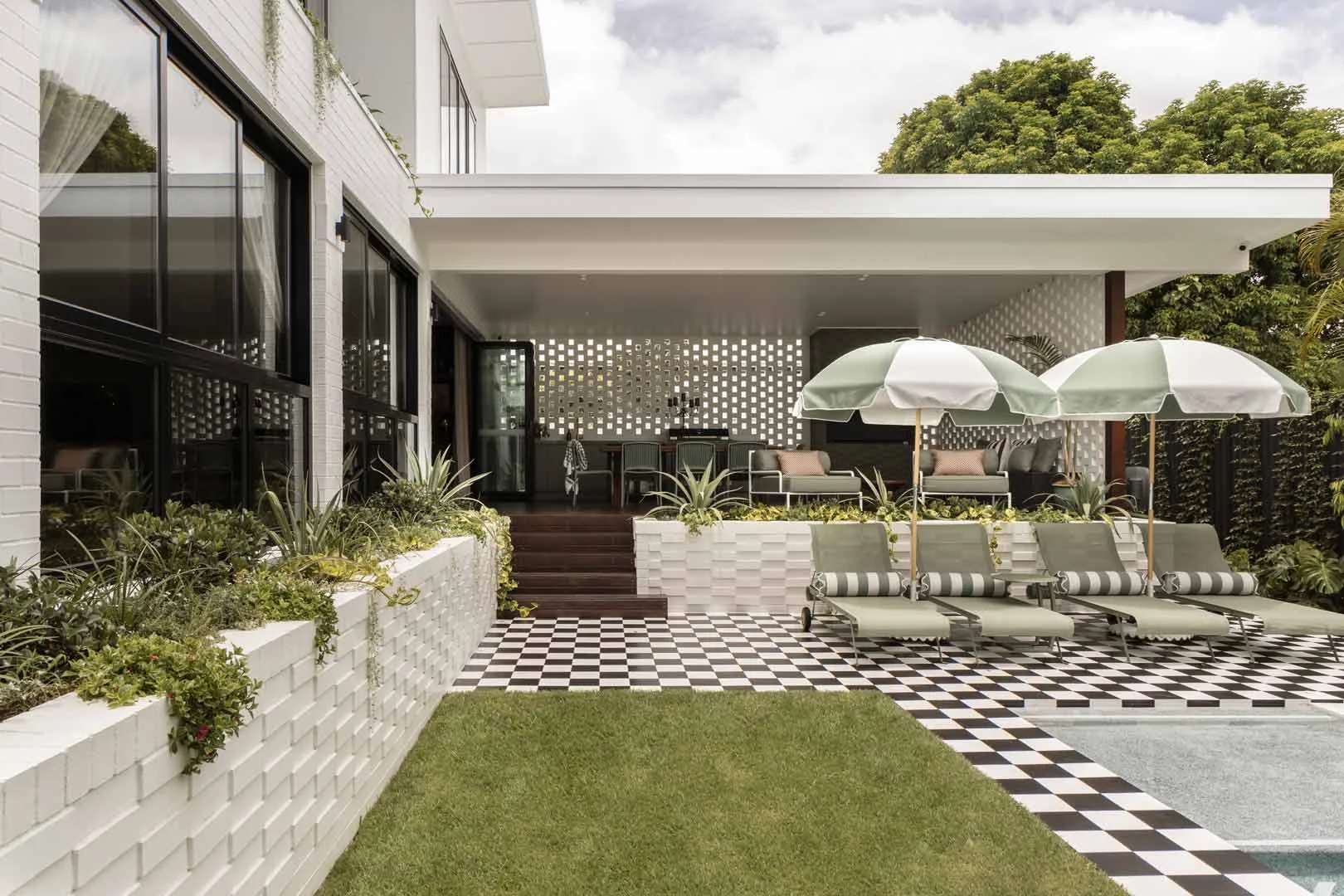
Curb appeal is crucial — it’s the first thing buyers see. Start by tidying the front yard, mowing the lawn, weeding garden beds, and adding a few well-placed potted plants or flowers to create a fresh and welcoming entrance.
In today’s market, the indoor-outdoor connection is more important than ever. Buyers are looking for homes that offer a seamless flow between inside and out, where they can entertain, relax, and enjoy the outdoors as an extension of their living area. Make sure sliding doors, bi-folds, or French doors are clean and easy to open.
Style patios or balconies with outdoor furniture and greenery to help potential buyers imagine themselves enjoying the space. When styled thoughtfully, even a small courtyard or balcony can become a major selling point.
8. Consider Your Target Audience
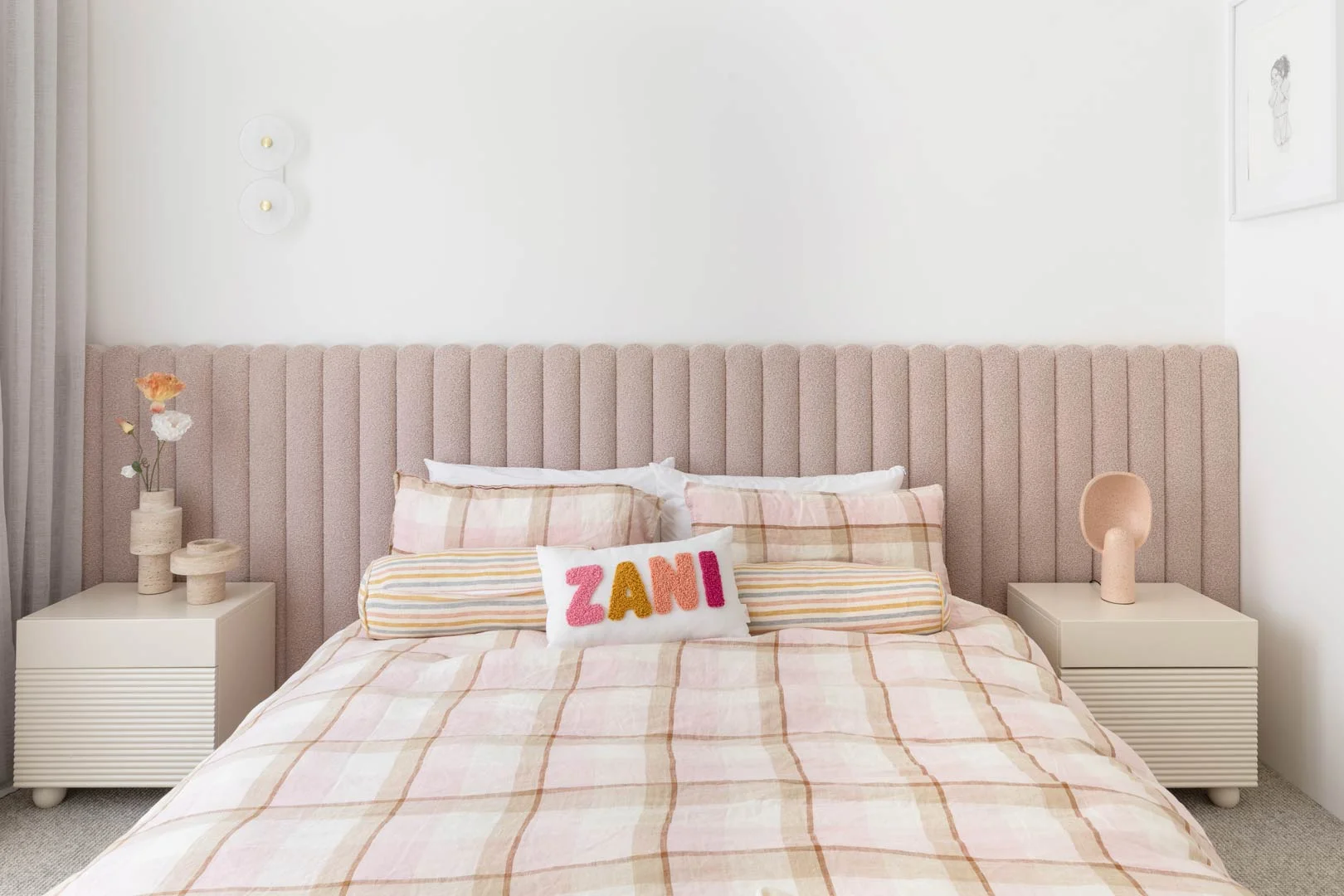
Think about who’s most likely to buy your home. Is it a young couple? A growing family? Downsizers? Tailor your property styling to suit their lifestyle. For example, transform a spare room into a nursery or home office, depending on your target demographic.
Choose furniture and accessories that align with their tastes and needs. A family-friendly space might feature durable finishes and toy storage, while a home appealing to professionals may include a sleek desk setup or a luxury master bedroom retreat.
9. Do A Deep Clean
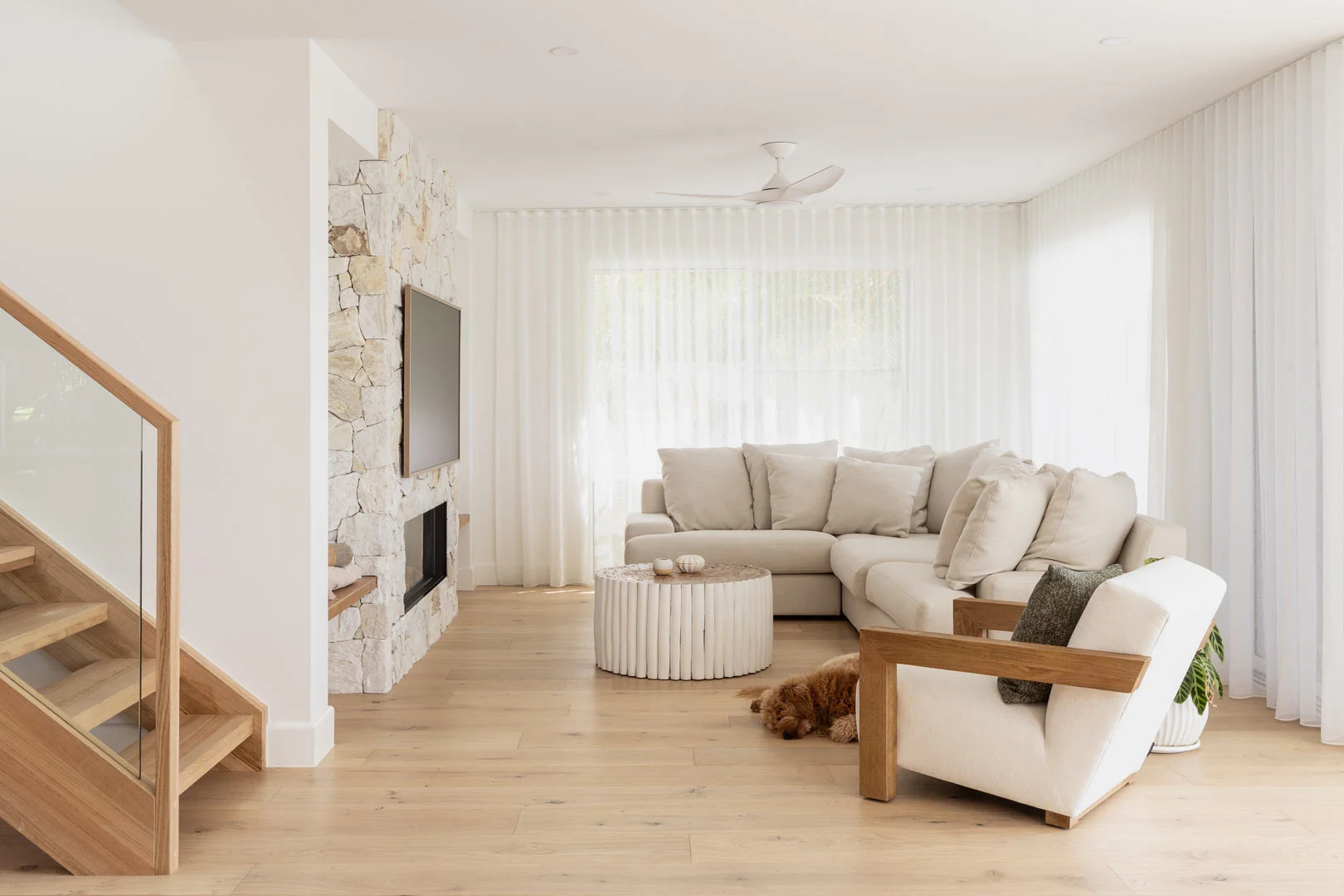
Cleanliness can make or break a buyer’s impression. A spotless home signals that the property has been well-maintained, so conducting a deep clean before any inspections or photoshoots is essential.
Key areas to focus on while property styling include:
- Windows (inside and out)
- Carpets and rugs
- Kitchen surfaces and appliances
- Bathrooms (tiles, taps, mirrors)
- Skirting boards, light switches, and door handles
10. Seek Help From a Professional Property Stylist
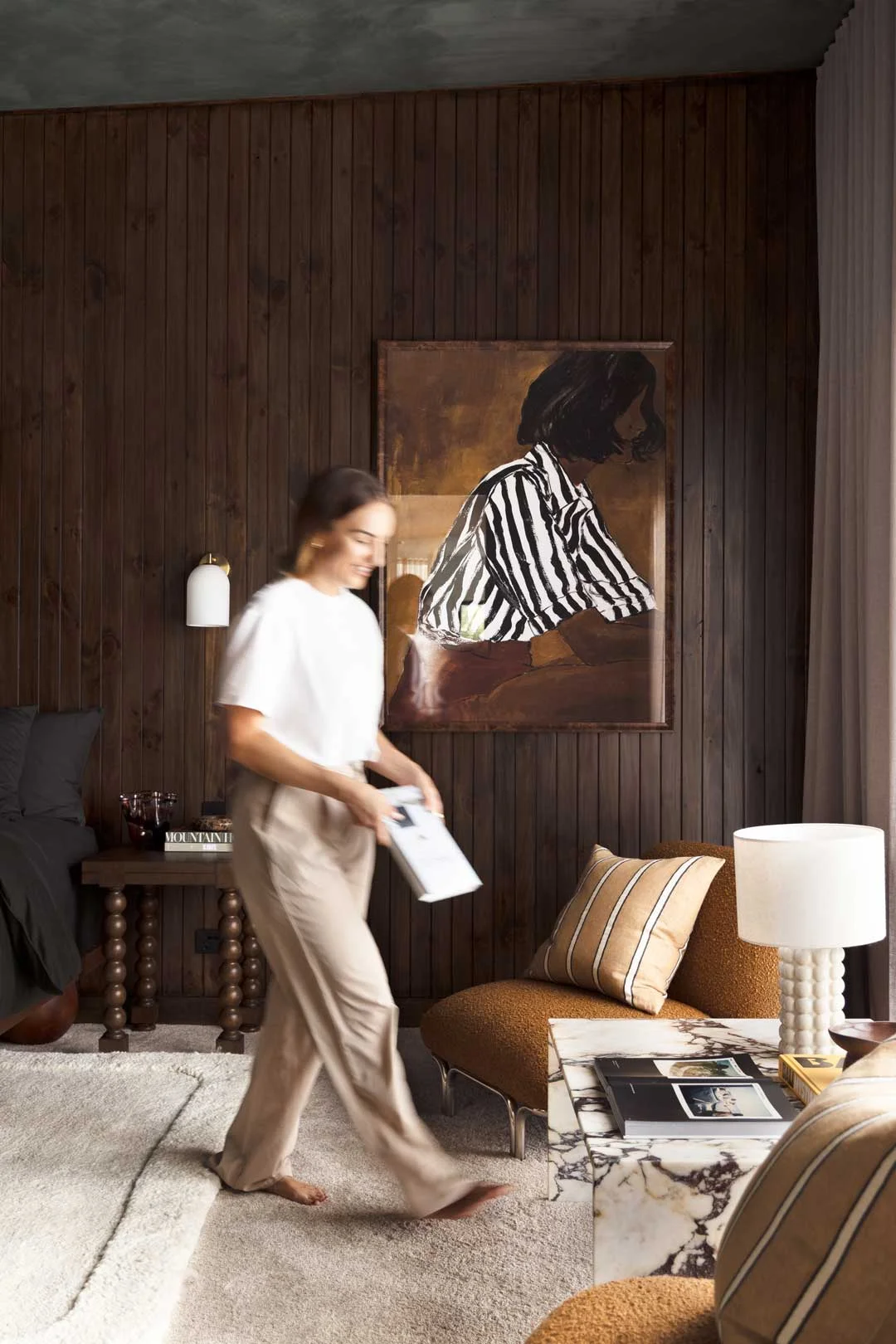
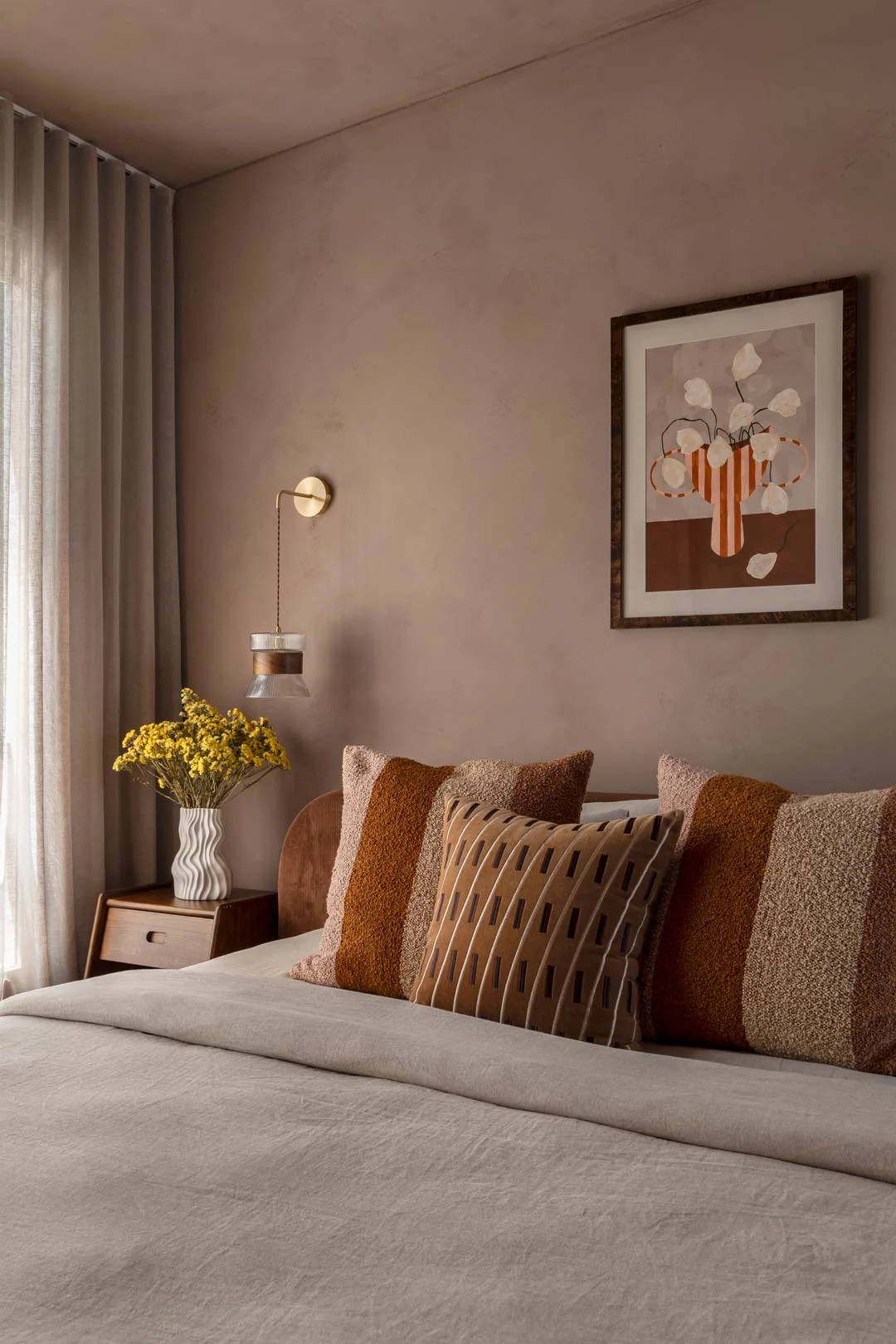
If you're short on time or unsure how to stage your home effectively, hiring a property stylist can be a smart move.
Stylists bring expert knowledge of interior trends, colour schemes, furniture placement, and buyer psychology. They can help you create a cohesive look that highlights your home’s strengths and increases its appeal to potential buyers. The right styling can lead to quicker sales and more lucrative offers — often well worth the investment.
For more inspiration on property styling and home improvement, read these blogs:
6 Ways to Easily Update Your Space on a Low Budget