Our Range





















How to Clean Tile Grout: A Guide
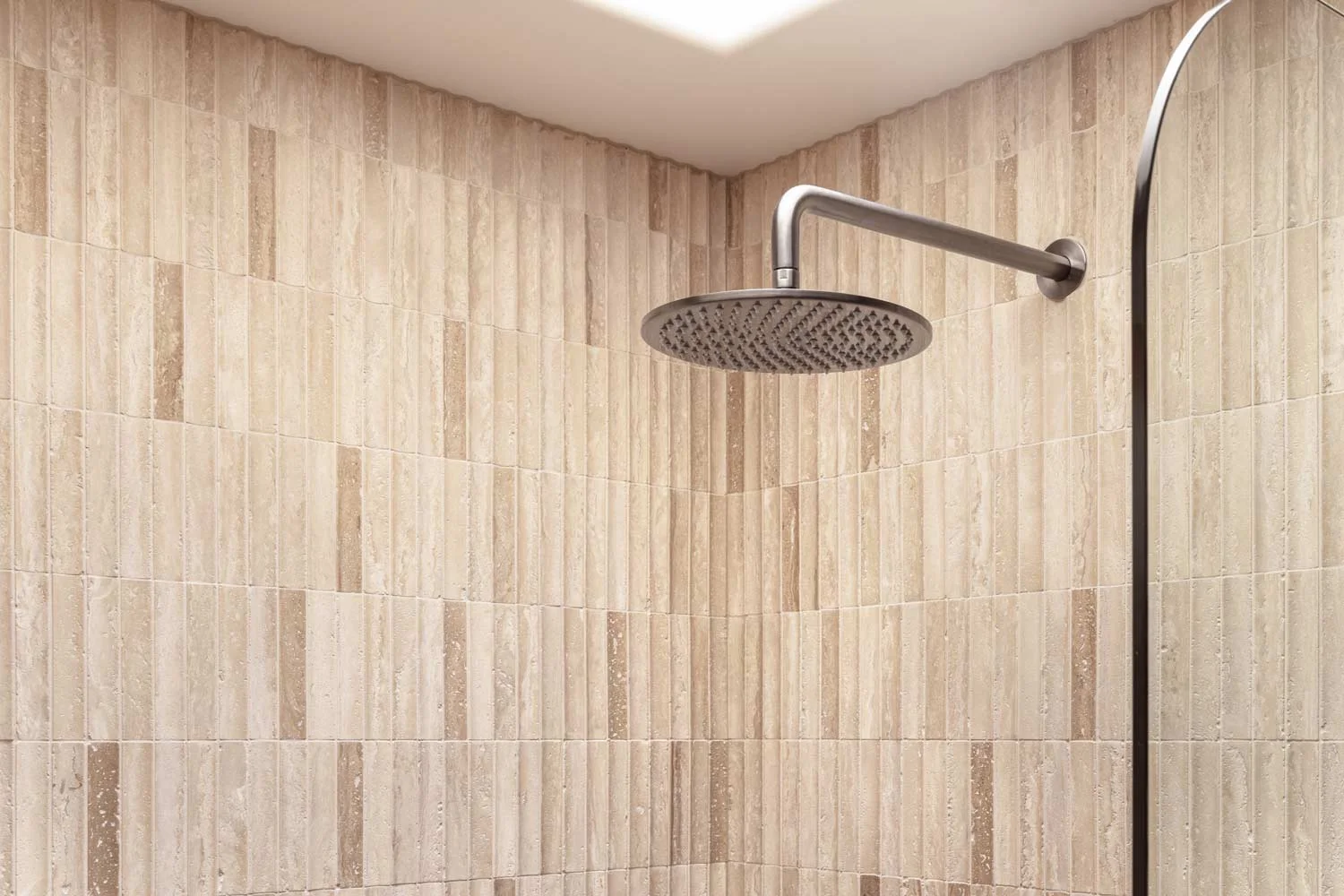
There’s nothing quite as unsightly as dirty grout, especially against white tiles. As tiles, such as mosaic tiles and ceramic tiles, typically adorn bathroom and kitchen spaces, it’s an all-too-common pain point to address. Knowing how to clean tile grout will help maintain the look of your space and promote better hygiene.
But what’s the most effective method for cleaning grimy tile grout, and how can you keep your tiles looking fresher for longer?
This guide will take you through the steps and offer tips for removing stubborn stains and keeping your grout looking cleaner for years to come.
Tools and Materials You’ll Need
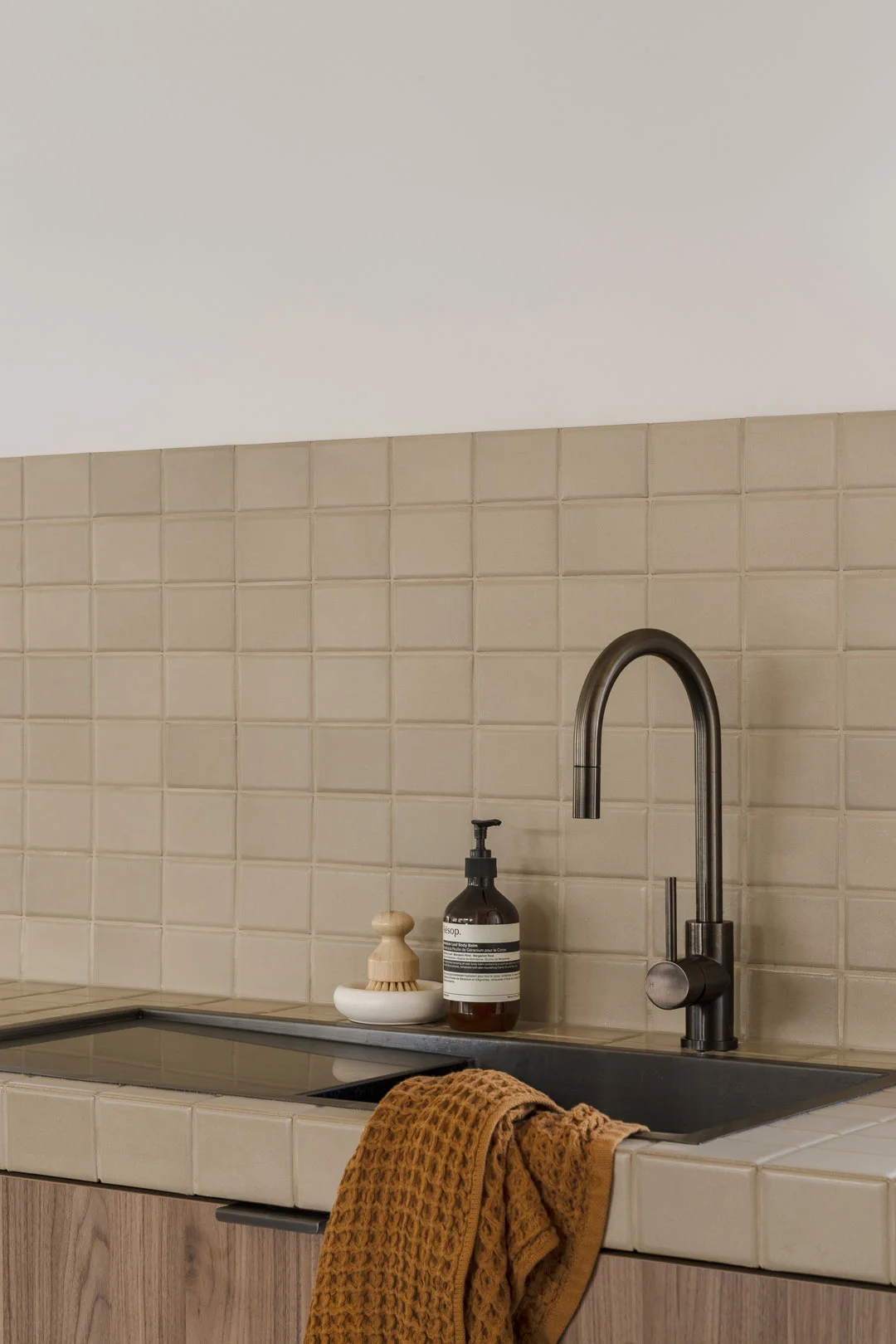
Gathering all necessary tools and materials before cleaning your tile grout is smart. Here’s a list of the items you’ll need before tackling how to clean tile grout:
- An old toothbrush and a nylon-bristled brush
- Disposable gloves and a bucket
- Grout cleaner spray or white vinegar, bicarbonate cleaner/baking soda, and hydrogen peroxide
- Vacuum
- Cordless scrubber (optional)
How to Clean Bathroom Shower Tile Grout in 5 Steps
- Prepare the Area
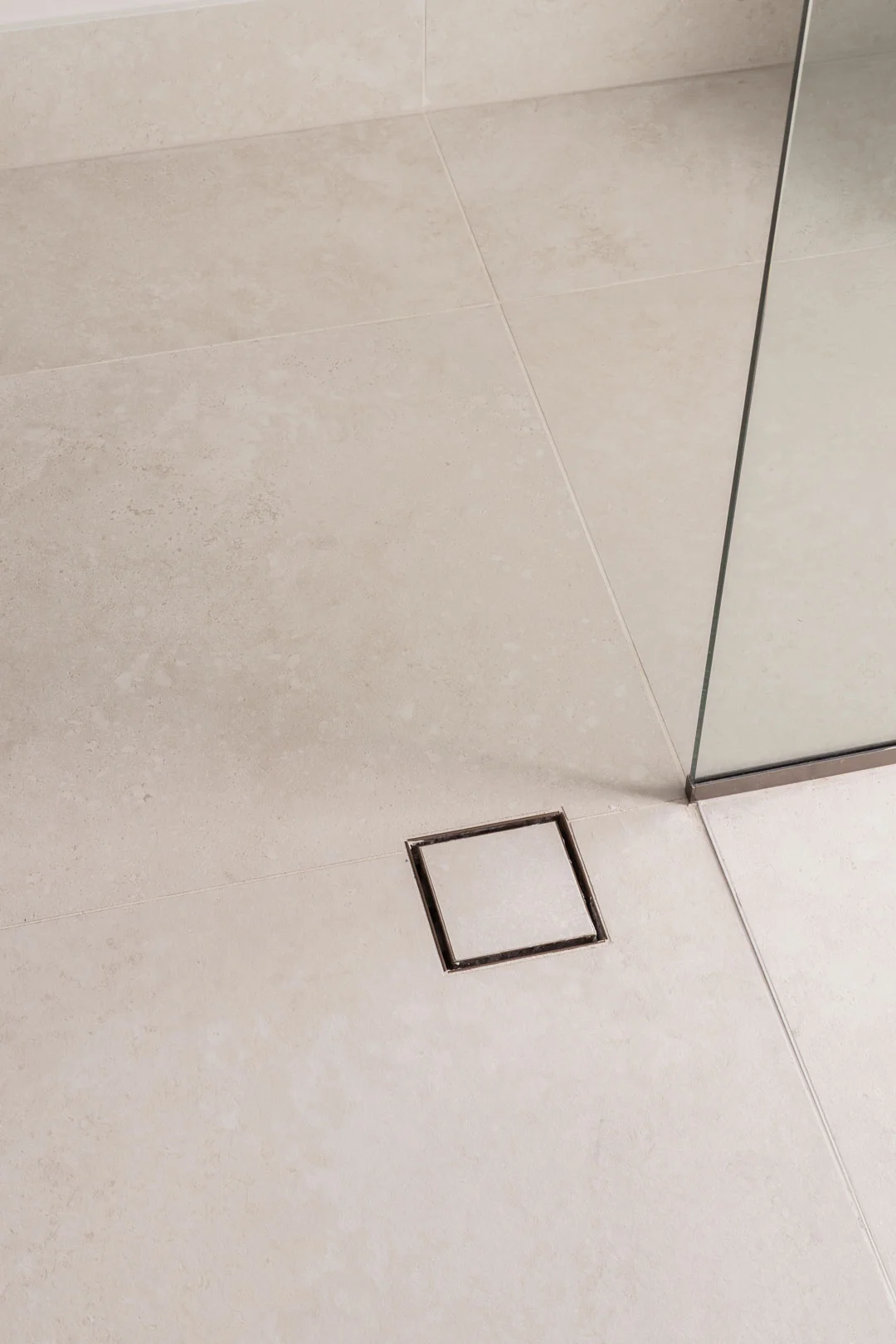
Before you begin, vacuum the area to remove loose dirt and dust, which will help prevent debris from spreading while you clean the grout.
- Create the Cleaning Mixture
You can make an effective homemade grout cleaner by mixing one part water with three parts baking soda into a workable paste. For tougher stains, consider adding white vinegar or purchasing a store-bought grout cleaner specifically designed for tile surfaces.
Please note: Always refer to the recommended manufacturer’s cleaning instructions for your specific tile materials to avoid potential damage (for instance, avoid using vinegar on natural stone tiles like marble and limestone). It is also a good idea to consult the product description to identify if your tile is pre-sealed.
- Apply the Grout Cleaner
Apply your chosen mixture generously and directly onto the grout lines using a spray bottle, gloved finger, sponge, or brush. Leave the solution to rest for 5–15 minutes to absorb and break down any embedded dirt and stains. If you’re using a specific store-bought grout cleaner, carefully follow the manufacturer’s guidelines and adjust application times accordingly.
- Scrub the Grout
After the allocated time, scrub the grout lines in a circular motion using a firm brush or an old toothbrush. Be patient with high-traffic areas or places with visible discolouration. Don’t overlook edges or corner intersections where the tiles meet to ensure you achieve an even result. If the stains don’t lift easily, consider reapplying your solution and letting it rest for up to an hour before scrubbing the grout again.
- Final Rinse
Once you've finished scrubbing, thoroughly rinse the area with warm water to remove any remaining mixture and loosened dirt. Use a mop or clean cloth to dry the area thoroughly. If you have an extractor fan, turn it on or open your windows to ensure good ventilation for faster drying times.
Top Tips for Tougher Stains and Preventing Buildup
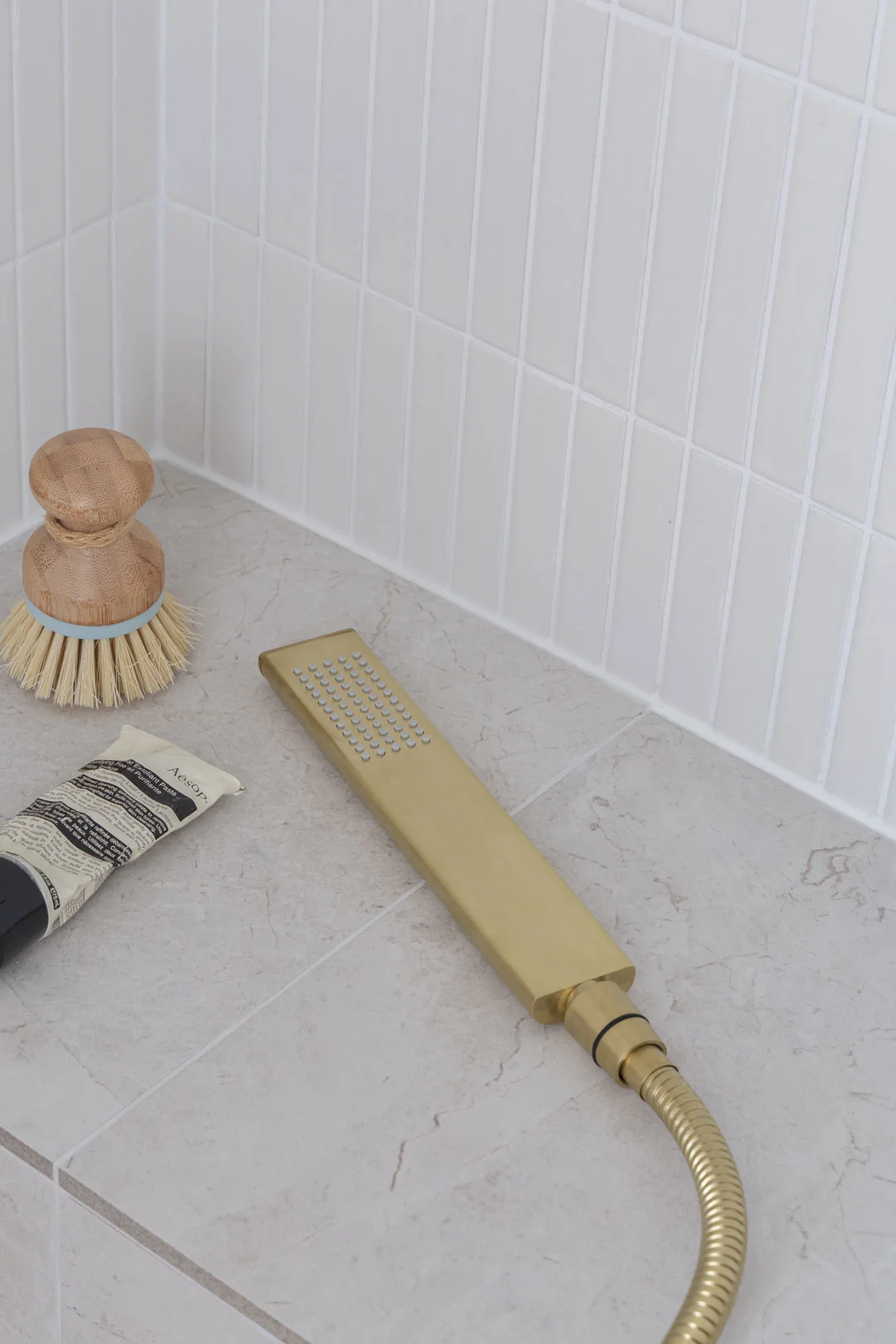
- To tackle deep-set stains, apply a paste of three parts baking soda to one part hydrogen peroxide. When combined, the peroxide releases oxygen ions that help lift and bleach stubborn grime.
- For a more intensive clean, consider using a steam cleaner.
- Always spot-test harsh products first to avoid damaging your tiles.
How to Clean Tiles After Grouting
Keeping grout looking fresh requires regular maintenance, especially after applying new grout. Follow these recommended points to prevent the build-up:
- Clean routinely to help reduce grout discolouration.
- Apply grout sealant every 6–12 months to protect against moisture and staining.
- Use pH-neutral cleaners to preserve grout integrity.
- Avoid harsh chemicals, which can cause grout to deteriorate.
- For kitchen backsplashes, promptly wipe away sauce or oil spills to prevent staining and buildup.
Common Mistakes to Avoid
- Avoid overly acidic cleaners, as these may erode grout over time.
- Avoid metal brushes as they can scratch or damage grout.
- Clean your tiles regularly to prevent dirt buildup, which can make future cleaning harder and less effective.
For more cleaning tips around the home, consult the following guides and videos:
Tiles & Flooring Care Guide
How to Clean Solid Surface
How to Clean a Stainless Steel Sink