Our Range































Microcement Designs: Modern Ideas for Contemporary Interiors
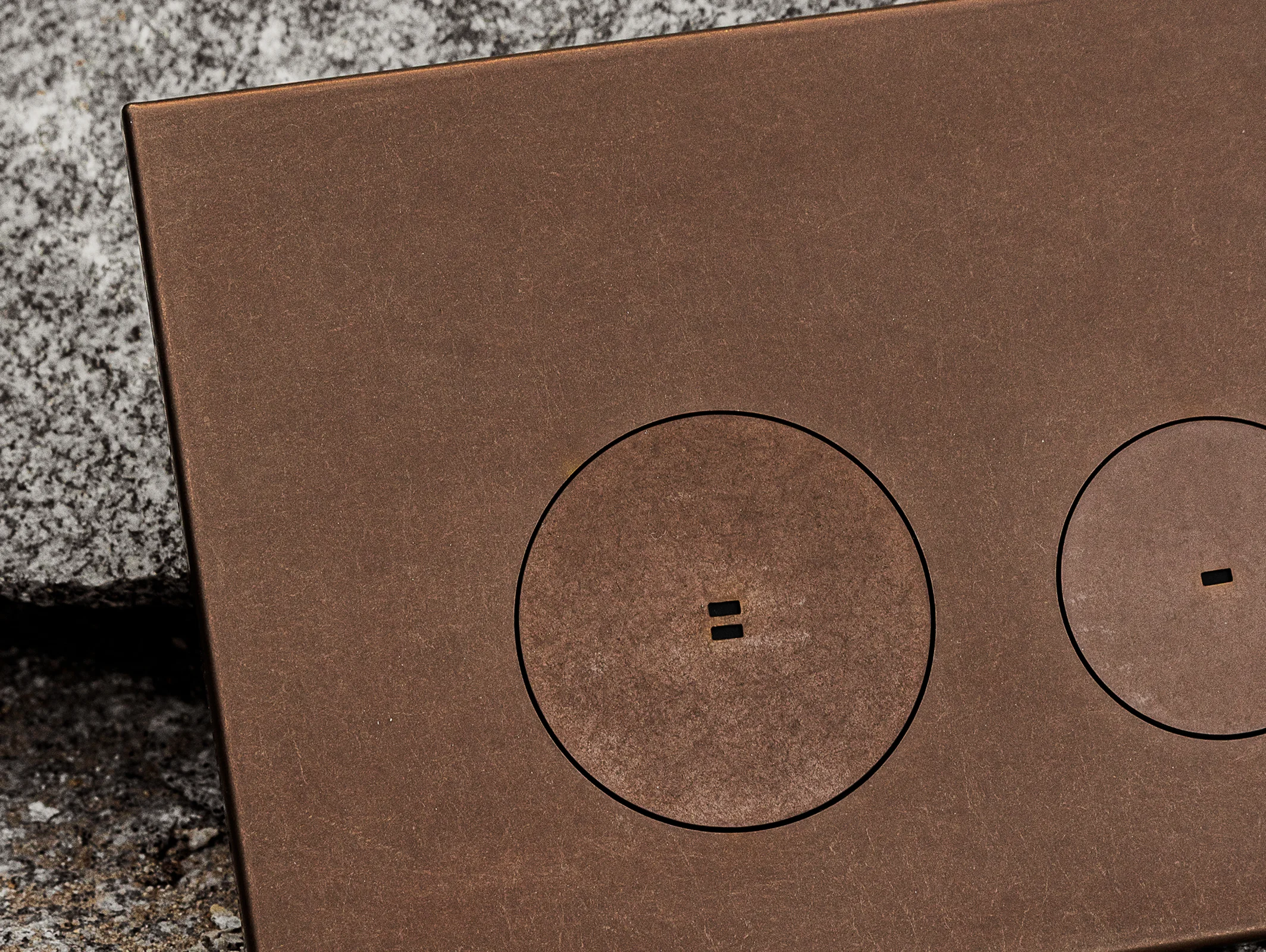
Microcement interior design has become increasingly prominent over the past decade. What began as a niche finish favoured by architects has evolved into a defining material in contemporary interiors, chosen as much for its aesthetic appeal as for its versatility.
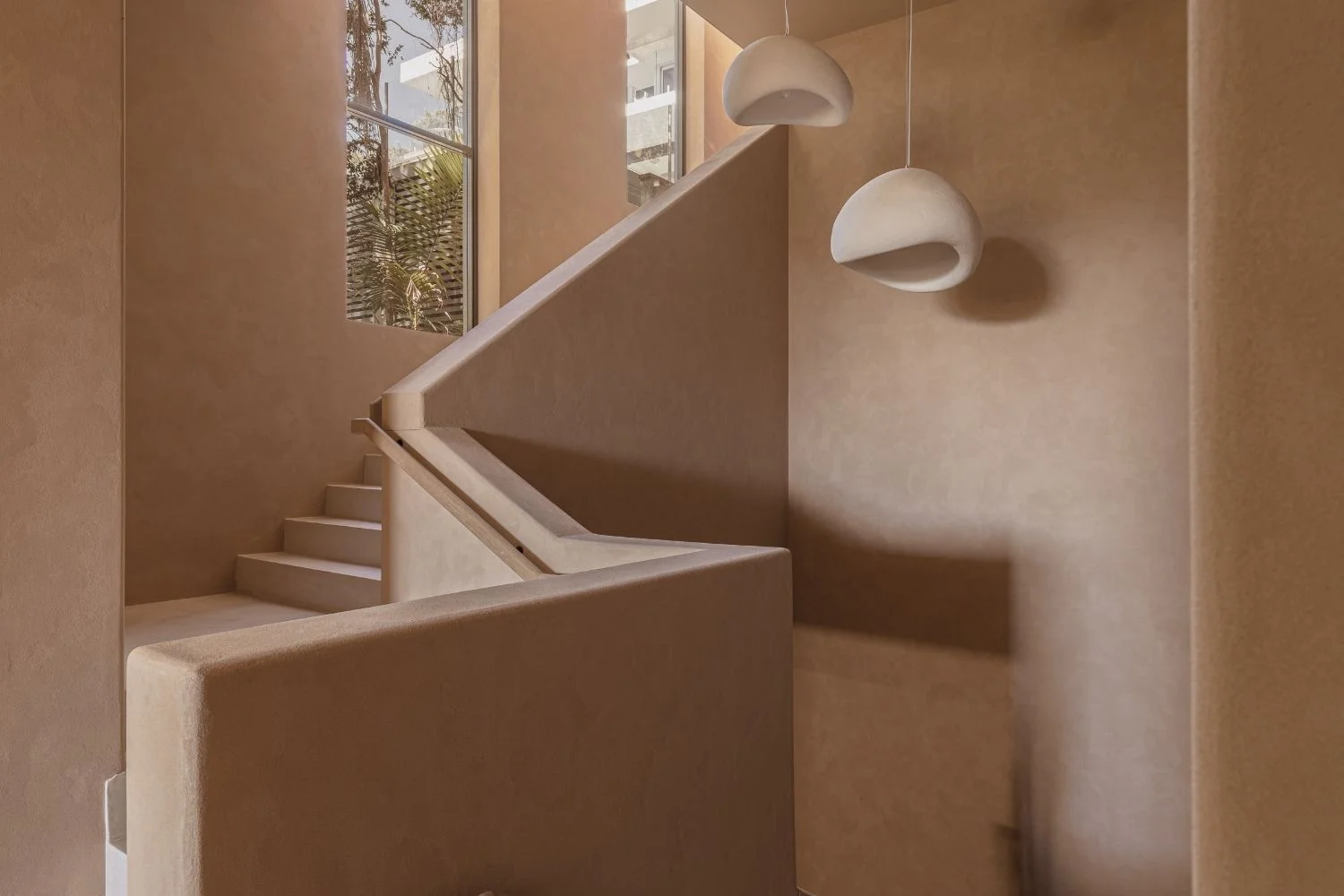
Part of that appeal comes down to its seamless finish. Applied directly over floors, walls, and even furniture, microcement creates the appearance of a continuous surface without traditional grout lines or obvious visual breaks. The result reads almost as part of the architecture itself, lending interiors a clean, considered, and monolithic quality, whether used across a single feature wall or an entire room.
We explore some of the most inspiring microcement designs and offer practical guidance for incorporating the finish into your own interior.
What Makes Microcement Designs So Appealing
Much of microcement's appeal lies in its ability to create a sense of visual continuity. With minimal grout lines or interruptions, surfaces can flow across walls, floors, and architectural features, helping a space feel more cohesive.
Its subtly organic texture prevents this seamless appearance from feeling flat, introducing tonal variation and depth that give each application its own character. The result is an architectural aesthetic that feels both refined and tactile, with material continuity that allows individual surfaces to read as part of a unified interior rather than as separate design elements.
Its versatility has also contributed to its growing popularity. Once predominantly associated with bathrooms and wet areas, microcement is now equally at home in kitchens and living spaces, as well as large-scale hospitality venues, retail environments, and offices.
Inspiring Microcement Designs for Every Room
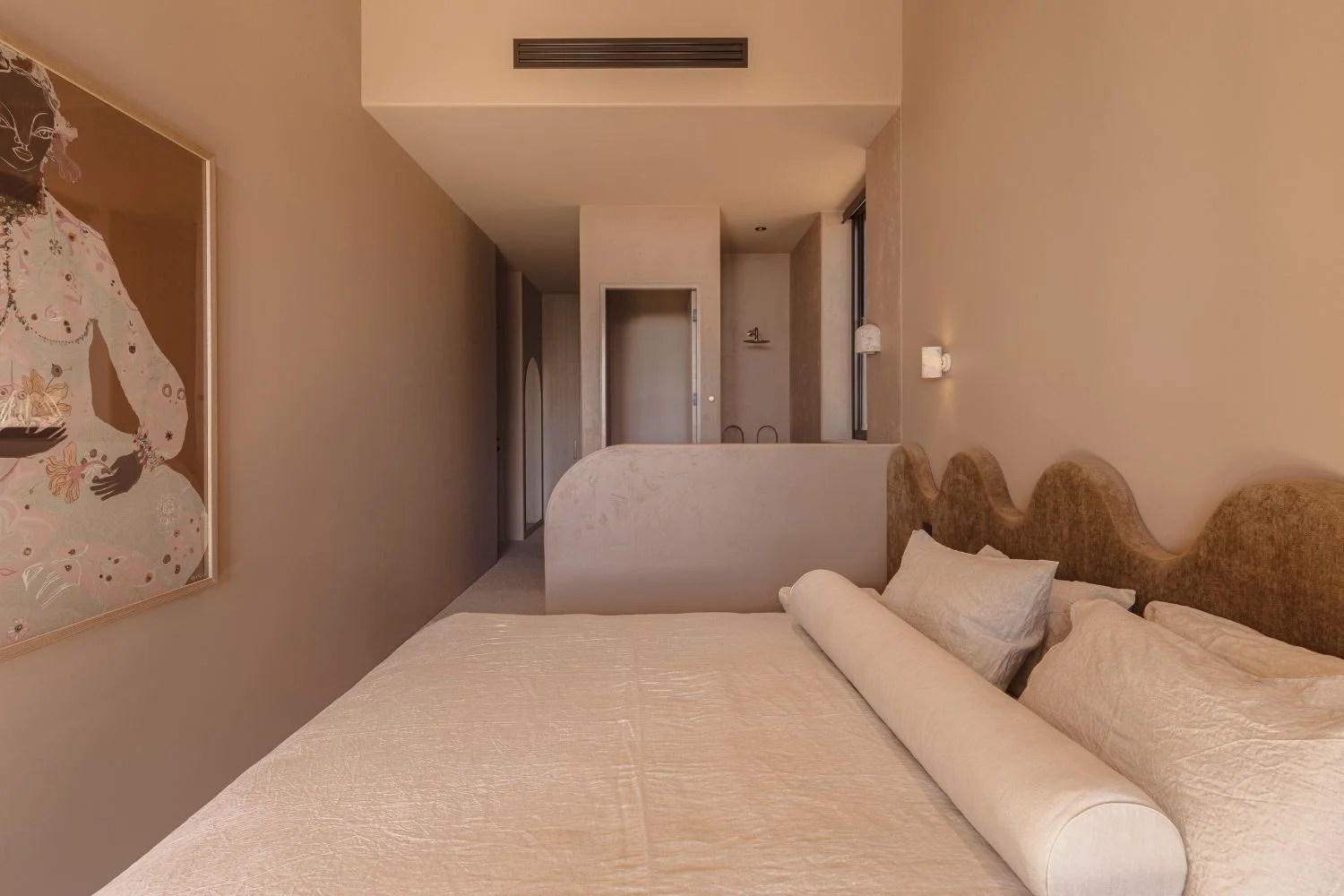
Microcement's versatility means it looks completely different depending on the room and the effect you're after, from calm and spa-like to bold and architectural. Here are some ways it's being used in homes and commercial spaces today.
Spa-Inspired Microcement Bathrooms
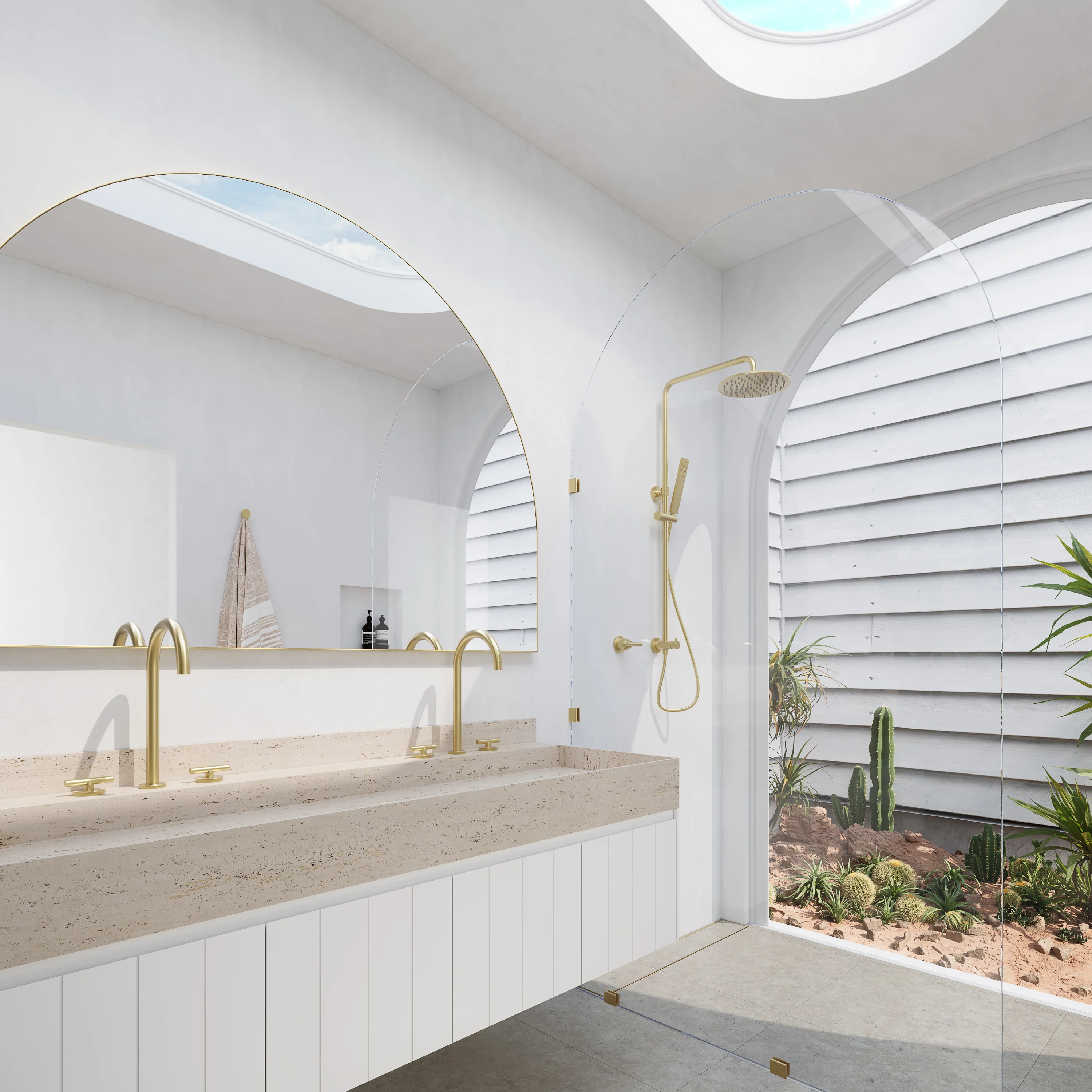
Applied floor-to-ceiling, microcement designs turn a bathroom into something closer to a private spa than a functional wet area. The lack of grout lines or tile joins keeps the eye moving uninterrupted around the room, an effect that's often paired with soft, neutral tones like warm greys, sandy beiges, and chalky whites to reinforce calm. Where natural light is available, it plays beautifully across the material's subtle texture, shifting throughout the day in a way that tiles simply can't replicate.
Curved Microcement Showers
Because it's applied as a fluid coating rather than fixed panels, microcement is uniquely suited to curved walls and organic forms: a shower enclosure that flows rather than corners. This softer, rounded approach draws heavily on Mediterranean design influences, echoing the rendered, hand-finished surfaces found throughout coastal architecture in Greece, Spain, and Italy. The result feels sculptural rather than installed, more like the room was carved than built.
Microcement Interiors: Walls as Architectural Features
Beyond wet areas, microcement interior walls have become a popular way to add texture and depth to living rooms, hallways, and bedrooms without introducing colour or pattern. A single feature wall finished in microcement reads as an architectural element in its own right, giving a room a sense of permanence and craftsmanship that paint or wallpaper rarely achieves.
Minimalist Kitchens
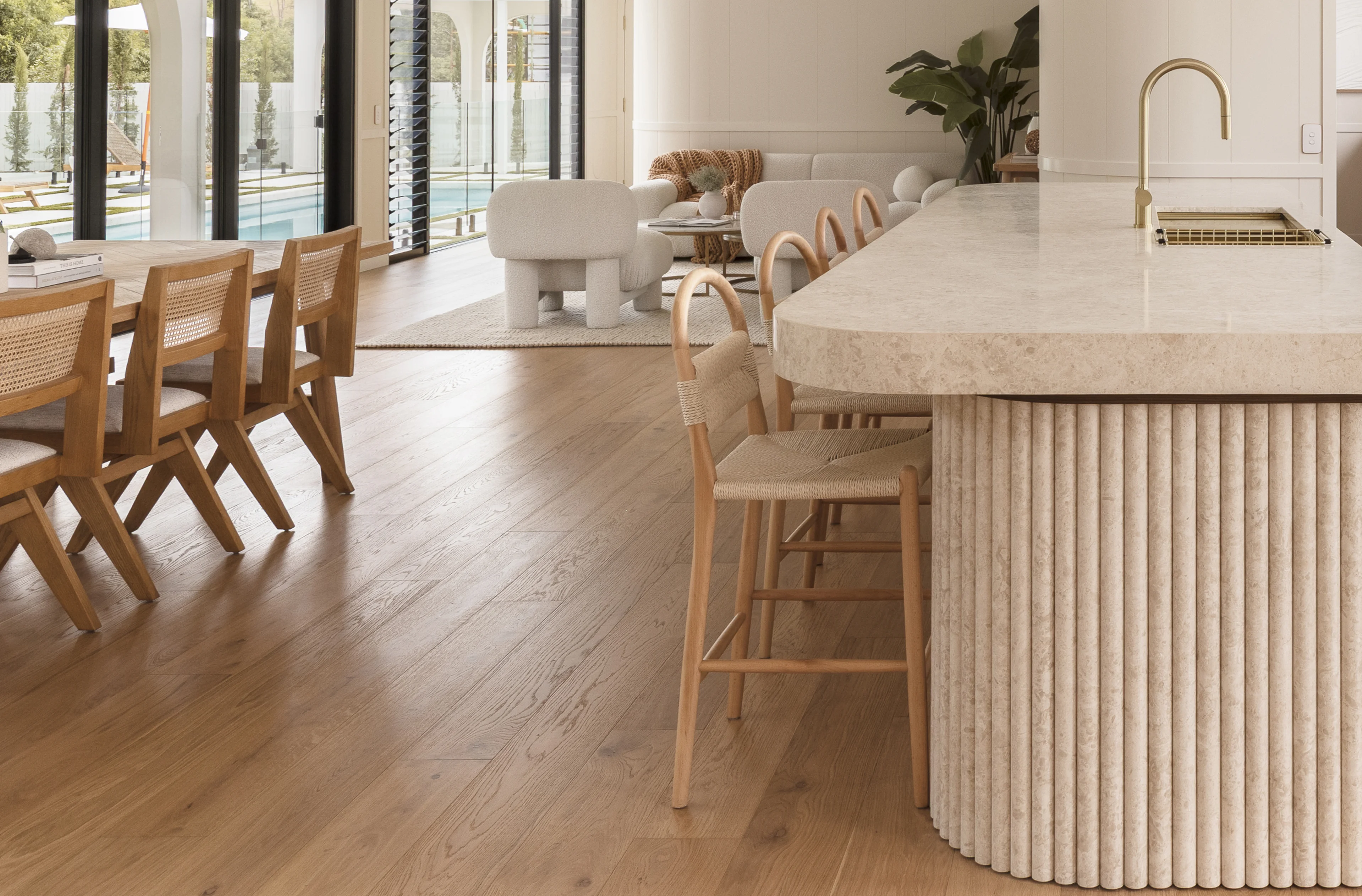
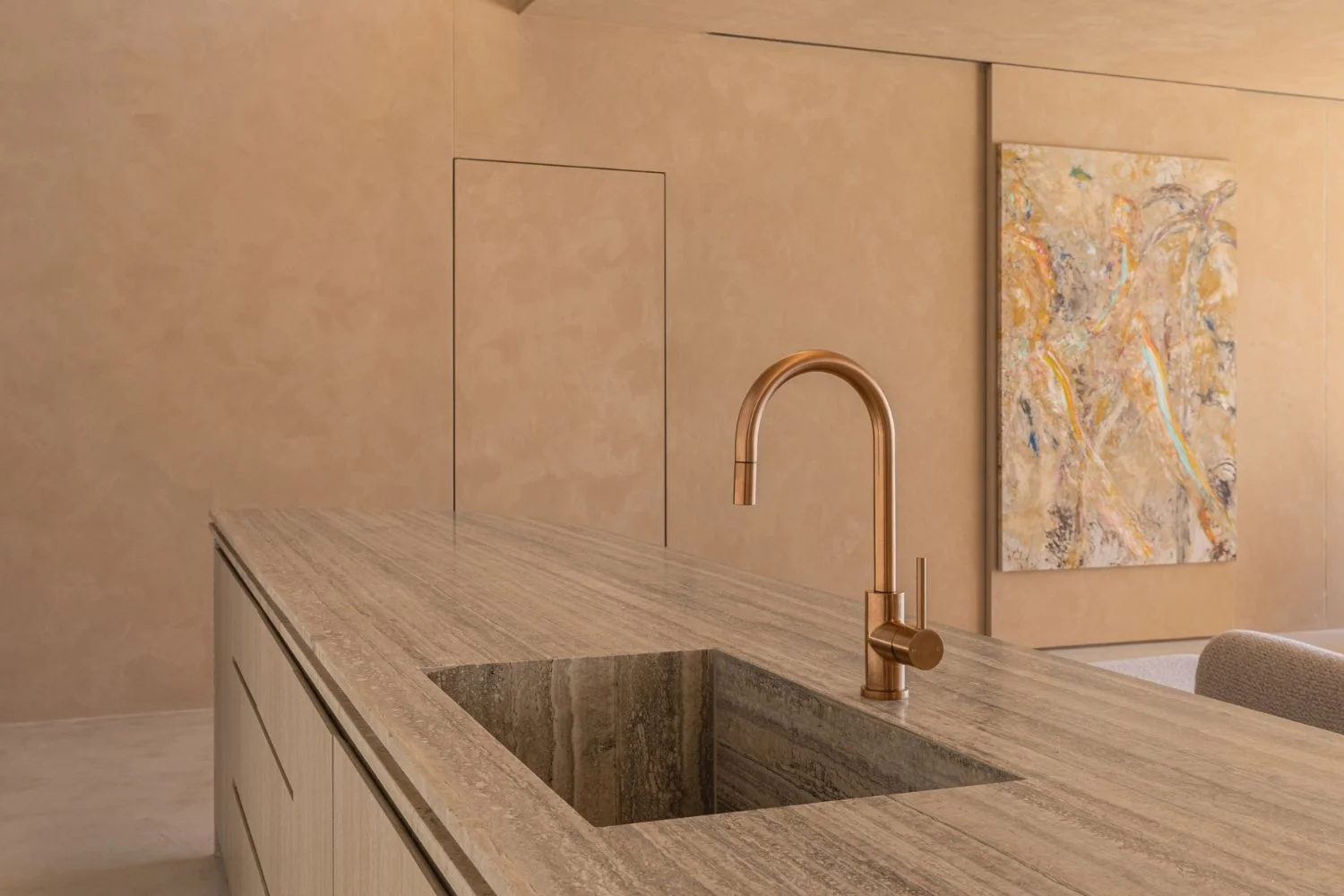
In the kitchen, microcement designs are ideal for splashbacks and island surrounds, valued for the same seamless quality that makes it so effective in bathrooms. With no grout lines to catch grease or grime, it creates a continuous surface that lets the cabinetry and benchtop take centre stage. It's a natural fit for minimalist kitchens, where fewer visual breaks mean a calmer, more cohesive look overall.
Contemporary Ensuite
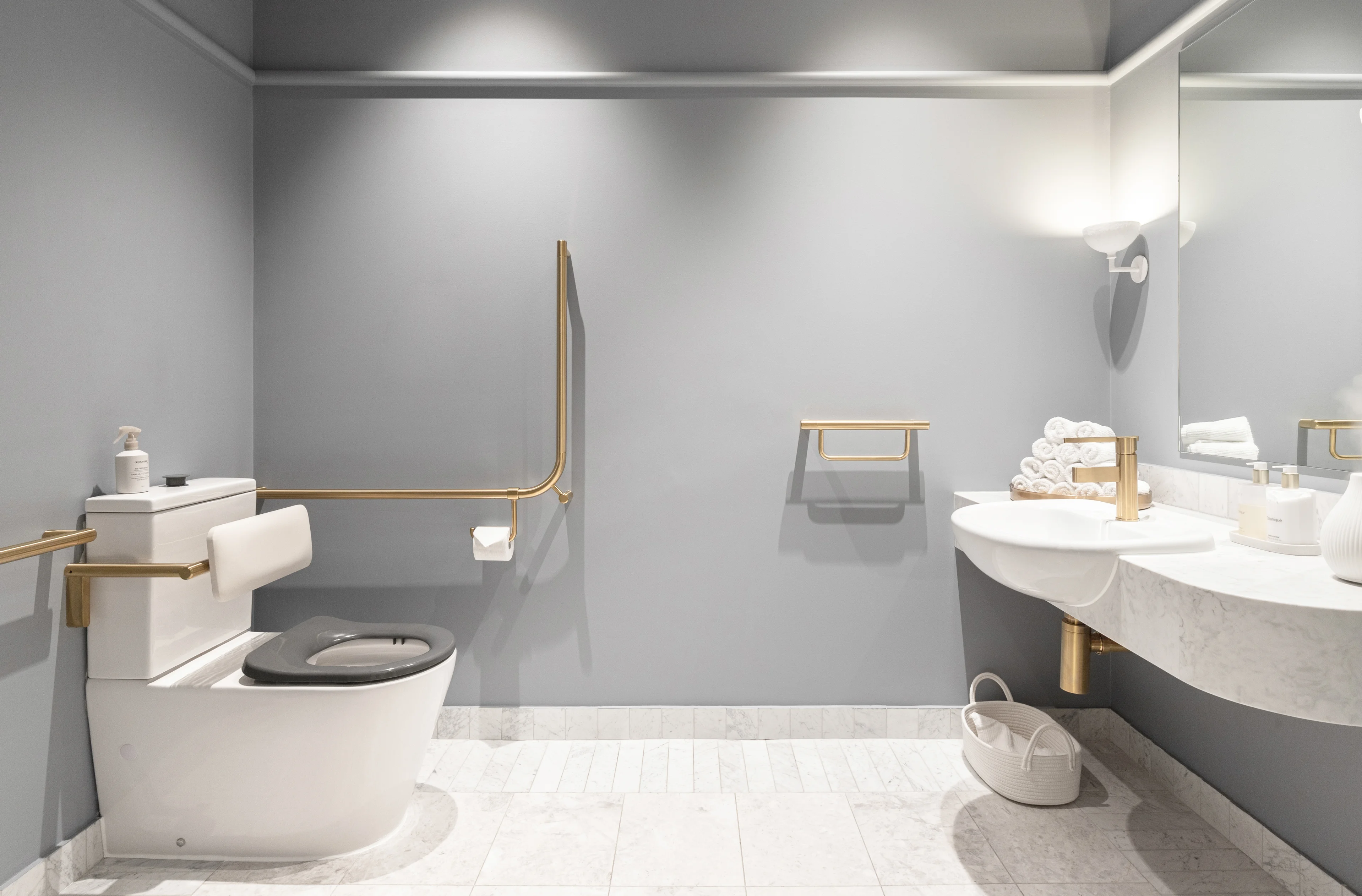
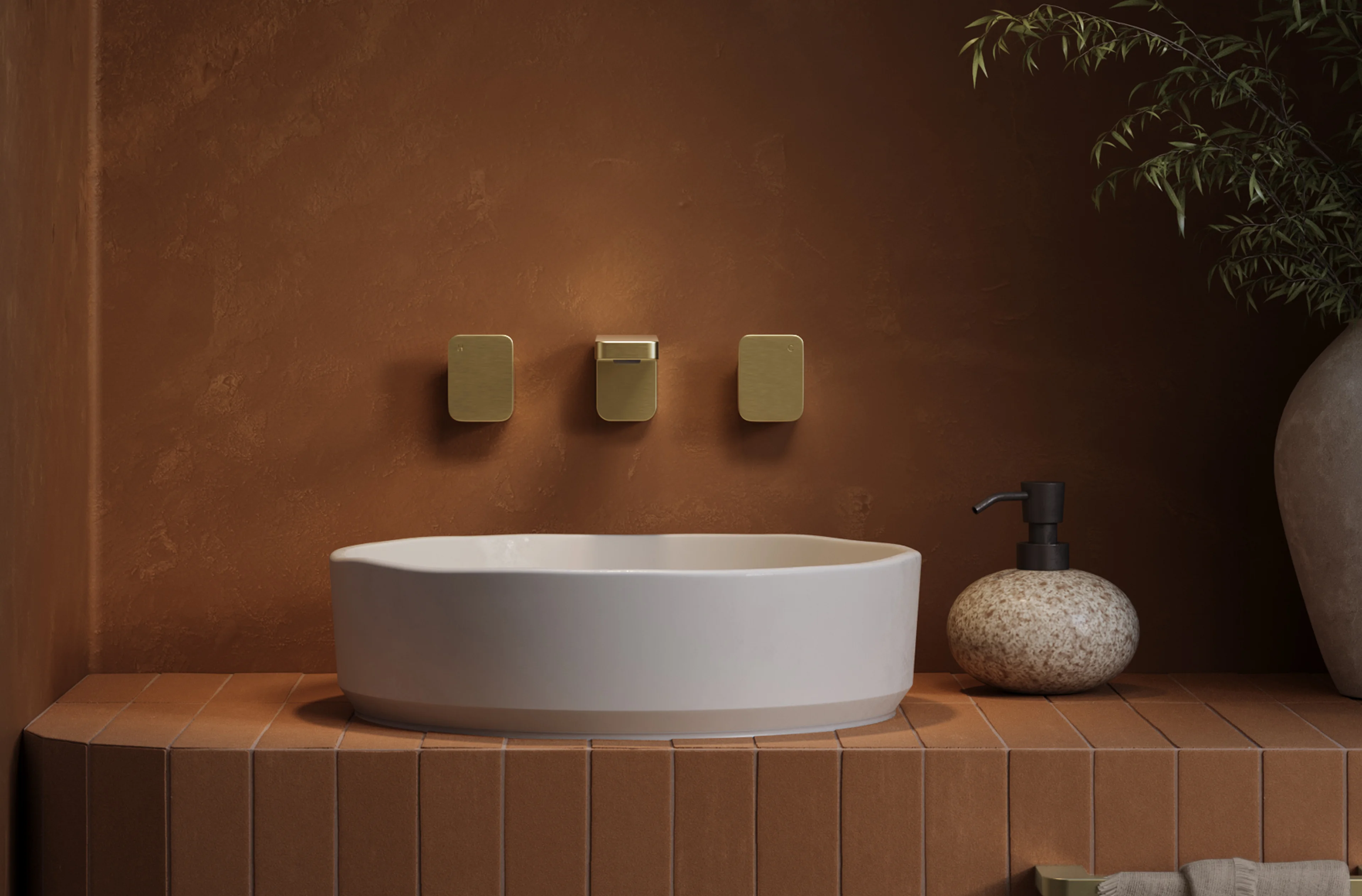
Ensuites are where microcement is often paired with contrasting materials to create a more layered, high-end look. Timber vanities warm up the coolness of the render, while stone basins add texture and weight. Metallic tapware and accents catch the light against the matte finish, creating a considered, design-led space rather than one that feels purely functional.
Indoor-Outdoor Continuity
Microcement's ability to run across floors without joins or transitions makes it a natural fit for homes seeking a true indoor-outdoor flow. Using the same finish inside and out, through a living area, over a threshold, and onto an alfresco or poolside surface, removes the visual break that a change in flooring material usually creates, so the eye reads it as one continuous space rather than two separate rooms. It's a favourite in warmer climates and in contemporary architecture, where the goal is often to blur the line between the built environment and the surrounding landscape as much as possible.
Microcement Bathroom Design Ideas
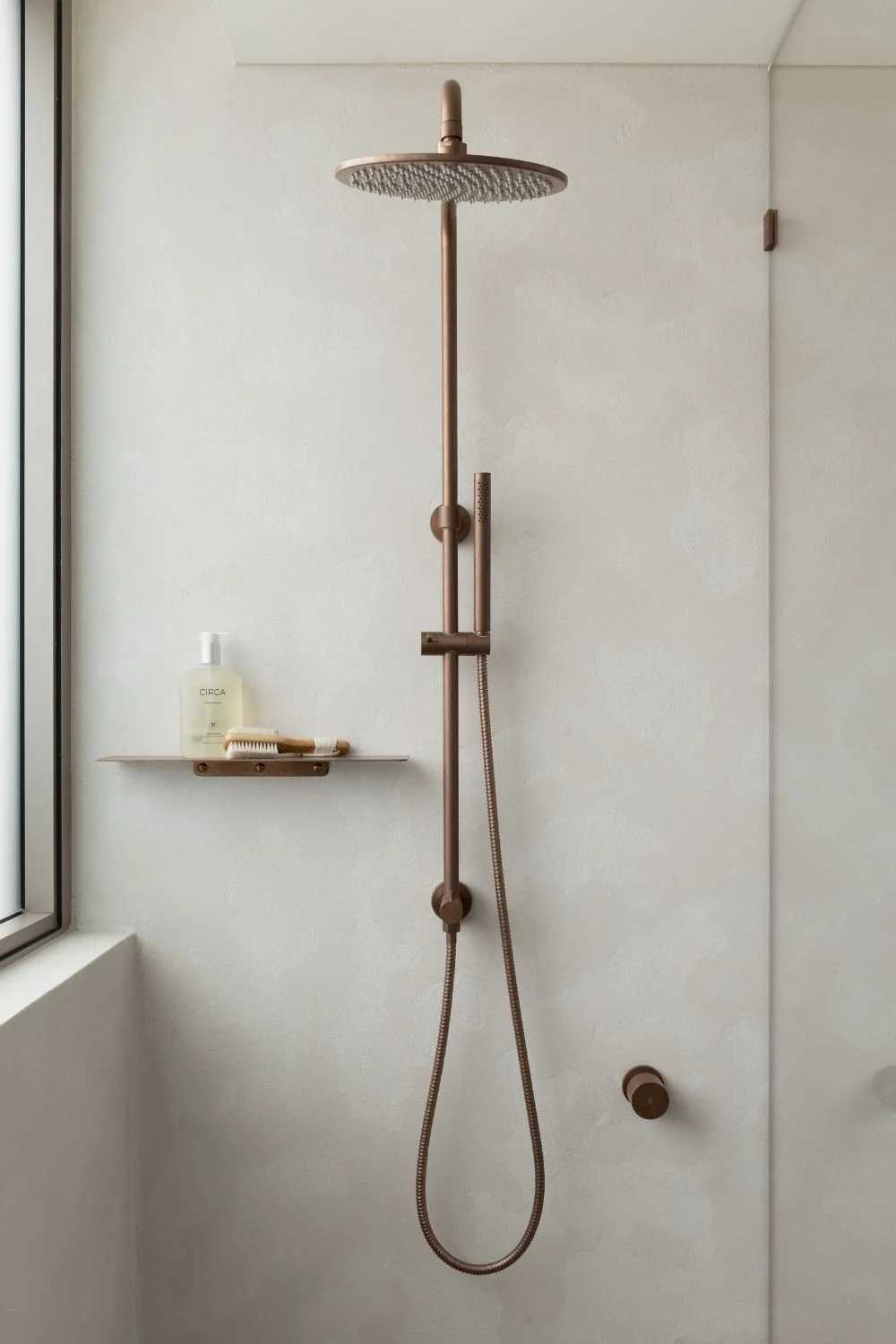
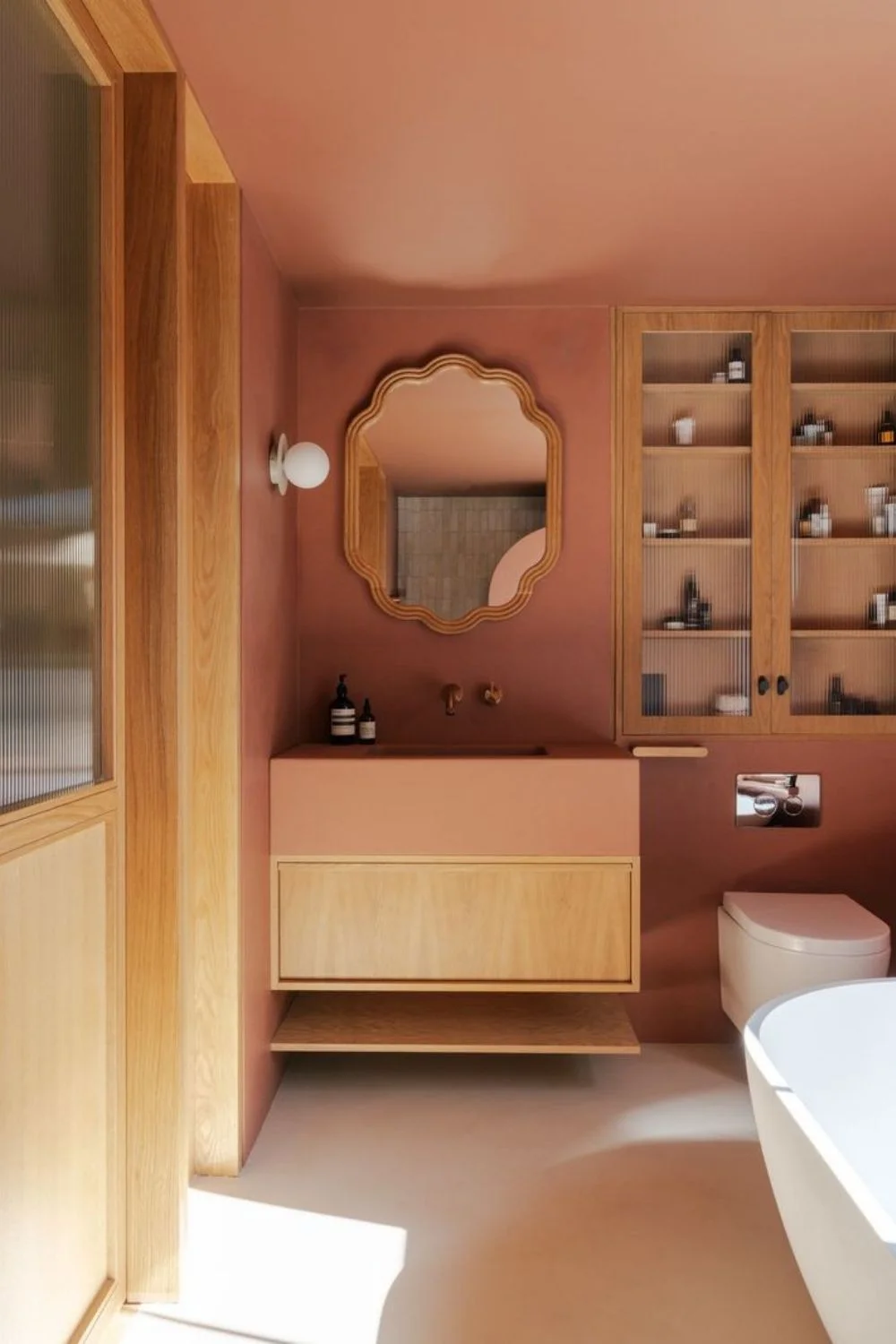
Bathrooms remain one of the most popular settings for microcement. It shows up in a range of ways depending on how far you want to take it. A full microcement bathroom runs the same finish across floors, walls, and even the shower recess, leaving no grout anywhere for mould or grime to accumulate. For a smaller-scale approach, a microcement feature wall behind the vanity or framing the shower has a similar tactile impact without covering the whole room. The material extends naturally onto joinery, too.
Microcement vanities and niches wrap cabinetry and recessed shower shelves in the same seamless render, avoiding the unsightly grout lines tiles leave in tight spaces. For a softer result, pairing microcement with natural stone tiles, a benchtop, or a basin adds texture and warmth against the material's flat, minimalist finish.
The Best Colours For Microcement Designs
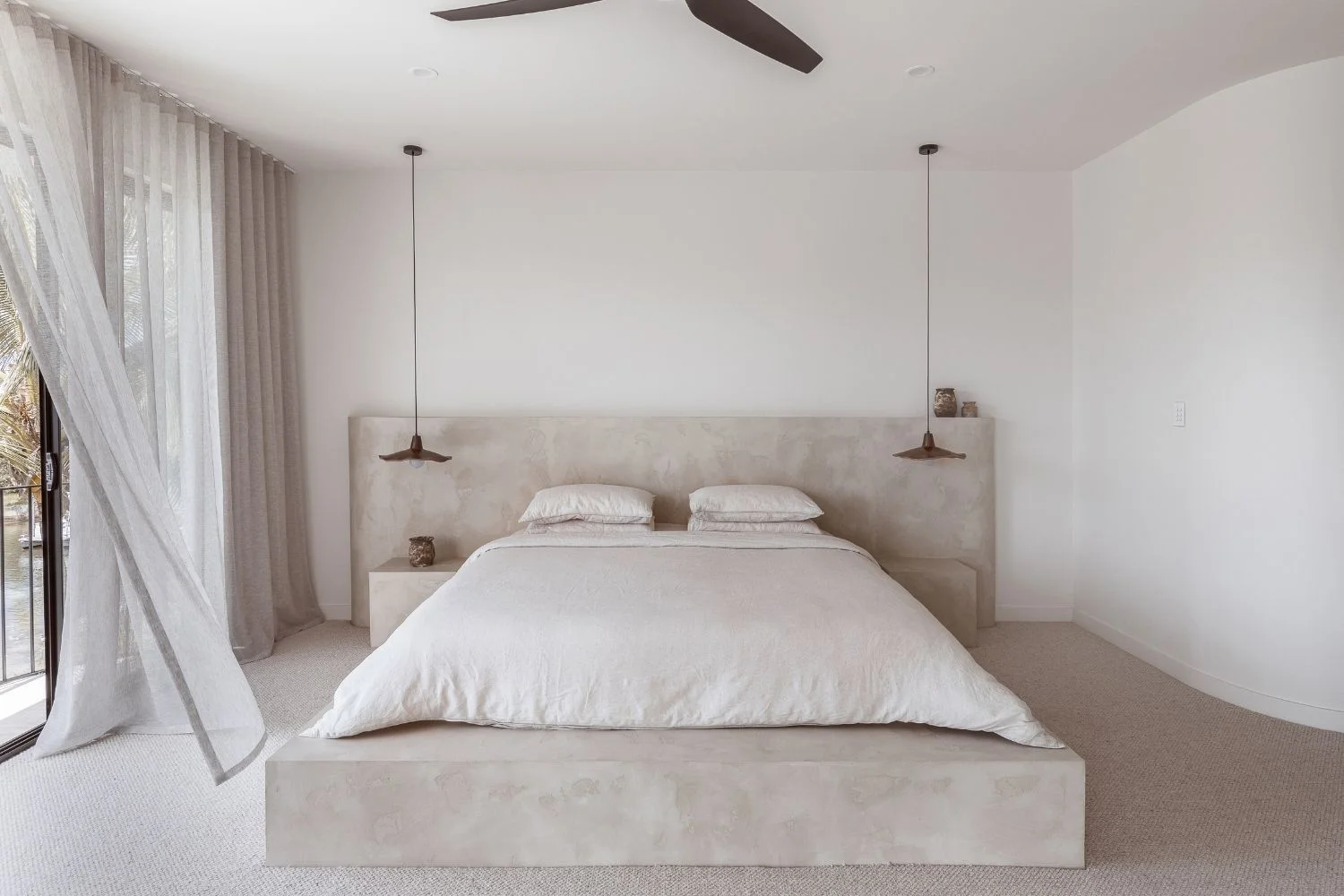
Colour does much of the work in how a microcement space actually feels, since the material's flat, matte finish places more visual weight on tone than on texture.
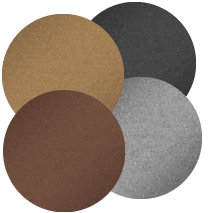
Warm grey is the most common starting point, offering a neutral, architectural backdrop that reads as contemporary without feeling cold. Greige (in-between grey and beige) softens things slightly, adding warmth while keeping the same understated, versatile quality. Sand and clay tones push further into warmth again, evoking rendered Mediterranean and desert architecture, and tend to suit spaces designed to feel relaxed, sunbleached, or lived-in rather than sharp and minimal. Stone tones, meanwhile, lean cooler and more textural, echoing the natural material pairings microcement is so often finished alongside.
The mood shift between these options is significant. Cooler greys and stone tones read as calm, restrained, and gallery-like, while sand and clay push a space toward something warmer and more tactile, closer to a retreat than a showroom. Choosing from that spectrum is less about what's trending and more about how you want the room to feel.
Microcement vs Tiles: Which Is Right for Your Space?
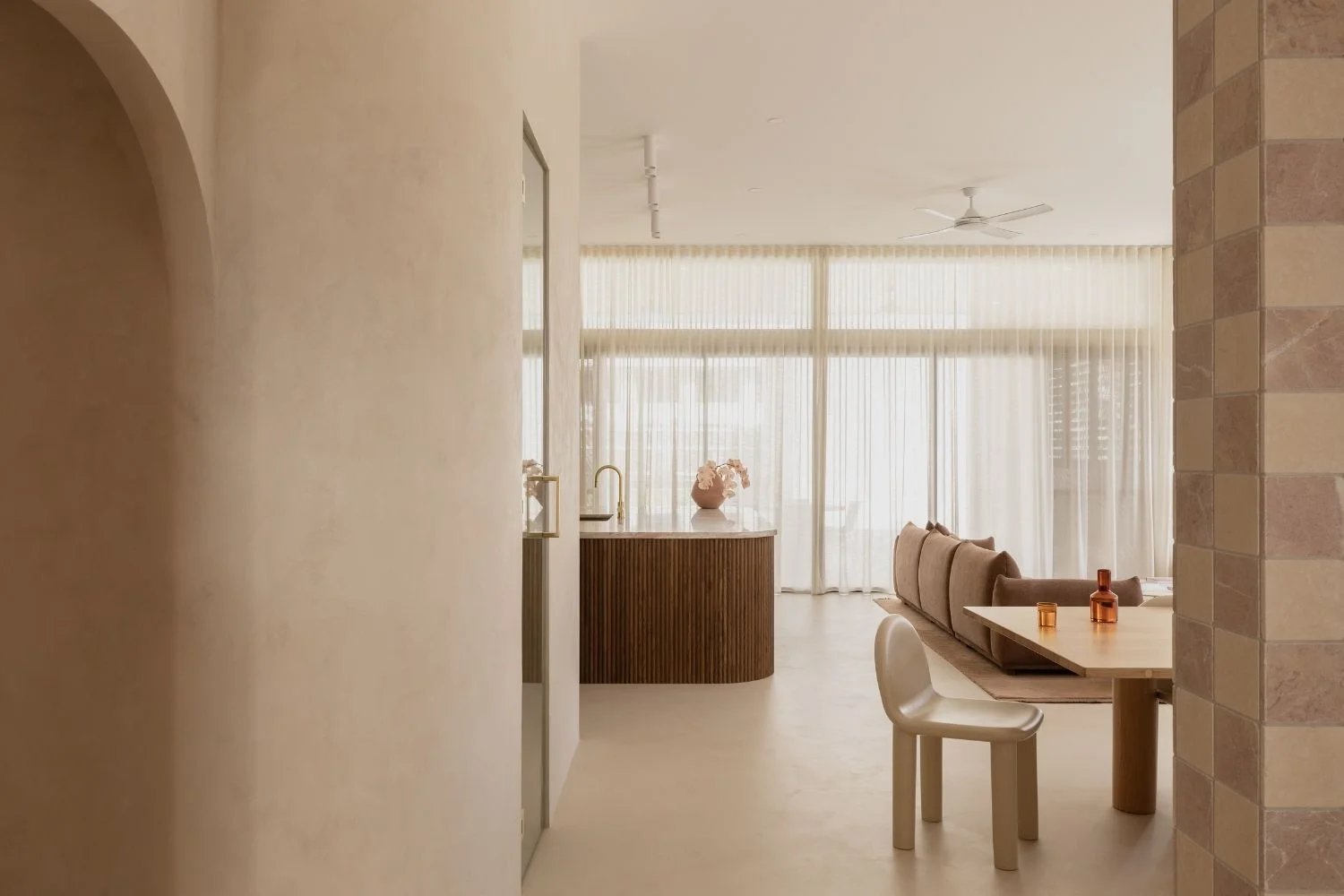
| Consideration | Microcement | Tiles |
| Visual continuity | Excellent | Moderate |
| Grout lines | None | Required |
| Texture | Seamless | Variable |
| Design flexibility | High | High |
| Renovation Suitability | Excellent | Excellent |
Microcement's rise from a niche architectural finish to a mainstream design choice comes down to what it offers that few other materials can: genuine seamlessness, paired with a texture and warmth that keep it from feeling cold or clinical. Whether it's a full bathroom, a single feature wall, or a considered pairing with timber and stone, the material adapts to almost any room and any mood, from spa-like calm to bold, architectural statement. The right application is guided by the space, the aesthetic you're aiming for, and daily practical demands. Get that right, and microcement rewards you with a finish that feels as good in ten years as it does on day one.
Looking for further inspiration? Check out these blogs: