Our Range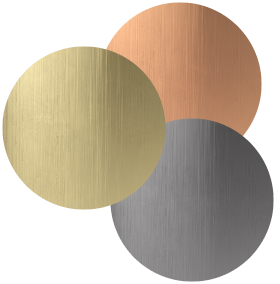






























22 Built-In Wardrobe Ideas
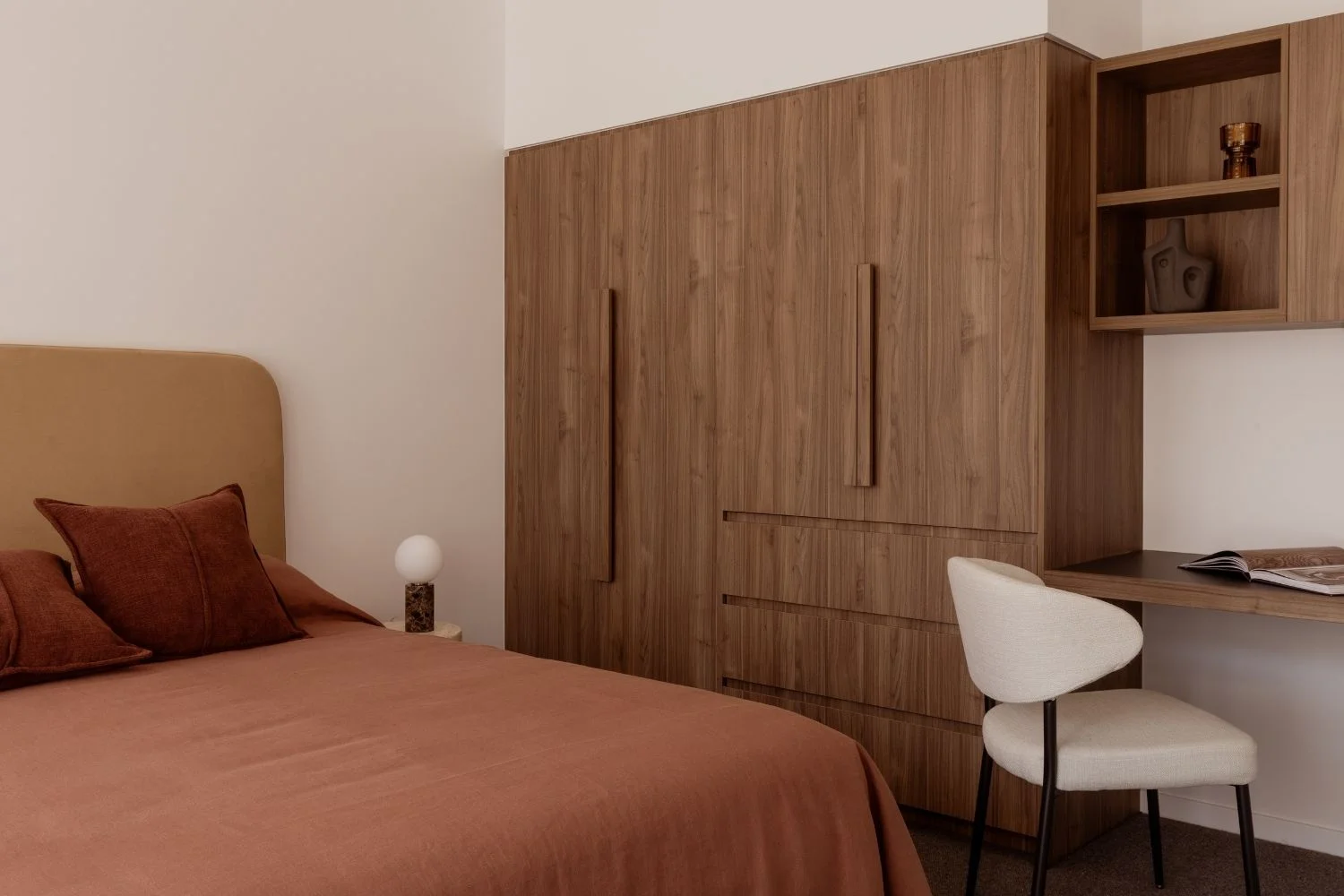
Built-in wardrobes have an advantage that freestanding storage can't match. Fitted wall-to-wall, they use every centimetre of a room and become part of its architecture rather than a piece of furniture. The result is a bedroom that feels larger, tidier and more complete, which is why a well-planned wardrobe is one of the upgrades that gets noticed.
We explore 22 built-in wardrobe ideas across layout, door styles, finishes and internal fit-outs, from a full walk-in dressing room to one built around a bedroom window.
Layout and Configuration Ideas
The right wardrobe layout starts with the room itself. Factors like ceiling height, door swing, window placement, and available floor space will help determine the configuration that works best.
1. Floor-to-Ceiling for Uninterrupted Storage
Extending your wardrobe to the ceiling maximises every centimetre of available storage while eliminating the dust-collecting gap found above standard freestanding wardrobes. The upper cabinetry provides a practical place to store luggage, spare linen, and seasonal clothing that isn't needed every day.
2. Reach-In for Narrow Rooms, Walk-In for Wider Ones
A reach-in wardrobe is a practical choice for standard bedrooms where floor space is limited. Walk-in wardrobes require more room, generally around 1.5 metres of wardrobe width plus sufficient circulation space, but offer greater storage capacity with hanging space, shelving, drawers, and shoe storage across multiple walls. The right choice ultimately depends on your room's proportions and how you plan to use the space.
3. Open-Robe Designs With No Doors
Open wardrobes replace doors with exposed hanging rails, shelving, and storage, creating a light, boutique-inspired look while eliminating the need for door clearance. They can be an excellent option in smaller bedrooms, making the space feel more open and accessible. However, because everything remains on display, they require a consistently organised approach. If you prefer a balance of style and practicality, consider combining open shelving with closed cabinetry to keep everyday essentials within reach while concealing the rest.
4. Corner and L-Shaped Built-Ins
L-shaped wardrobes make use of corners that might otherwise go unused, turning awkward layouts into practical storage. By wrapping around two walls, they increase hanging and shelving space without taking up additional room. The corner itself requires thoughtful planning, whether that's with a rotating carousel, a pull-out hanging rail, or deep shelving for storing less-used items. With the right internal configuration, an L-shaped wardrobe can maximise storage while maintaining a seamless, built-in appearance.
5. Wardrobes With an Integrated Dressing Table or Study Nook
Integrating a dressing table or study nook into your wardrobe creates a multifunctional space without increasing the room's footprint. A recessed bench, framed by surrounding cabinetry, provides a dedicated area for getting ready, working, or applying makeup while maintaining a cohesive built-in look. Complete the space with a mirror, task lighting, and drawers for jewellery or stationery to create a practical zone that feels intentionally designed.
6. Under-Window and Around-Bed Built-Ins
In smaller bedrooms, built-in cabinetry around windows or the bed can unlock valuable storage without reducing usable floor space. Wardrobes that extend to either side of a window or bridge above the bedhead make efficient use of often-overlooked space. Keeping the cabinetry relatively shallow with simple, streamlined fronts helps maintain an open feel while providing additional storage for clothing, linen, and everyday essentials.
Built-In Wardrobe Door Ideas
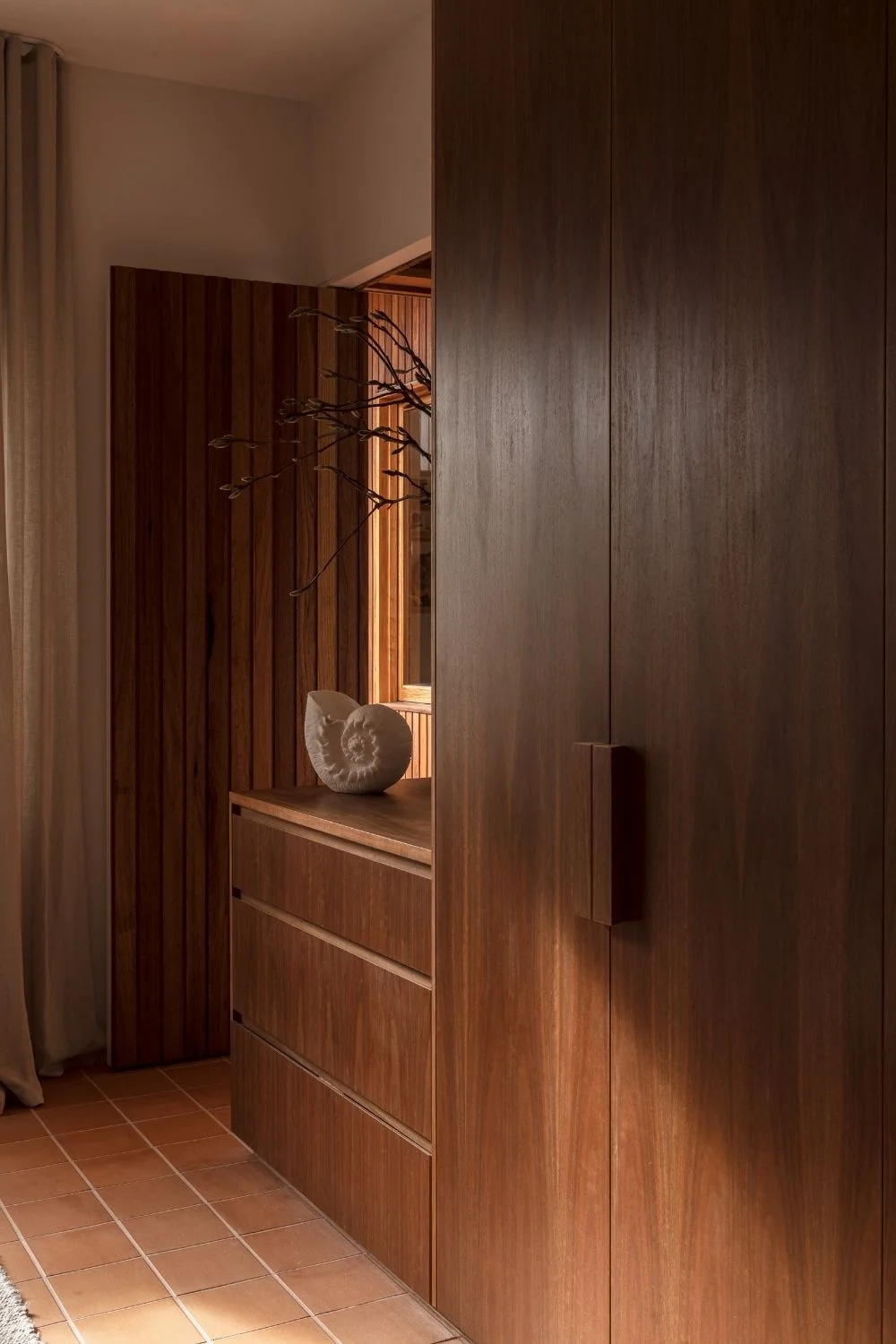
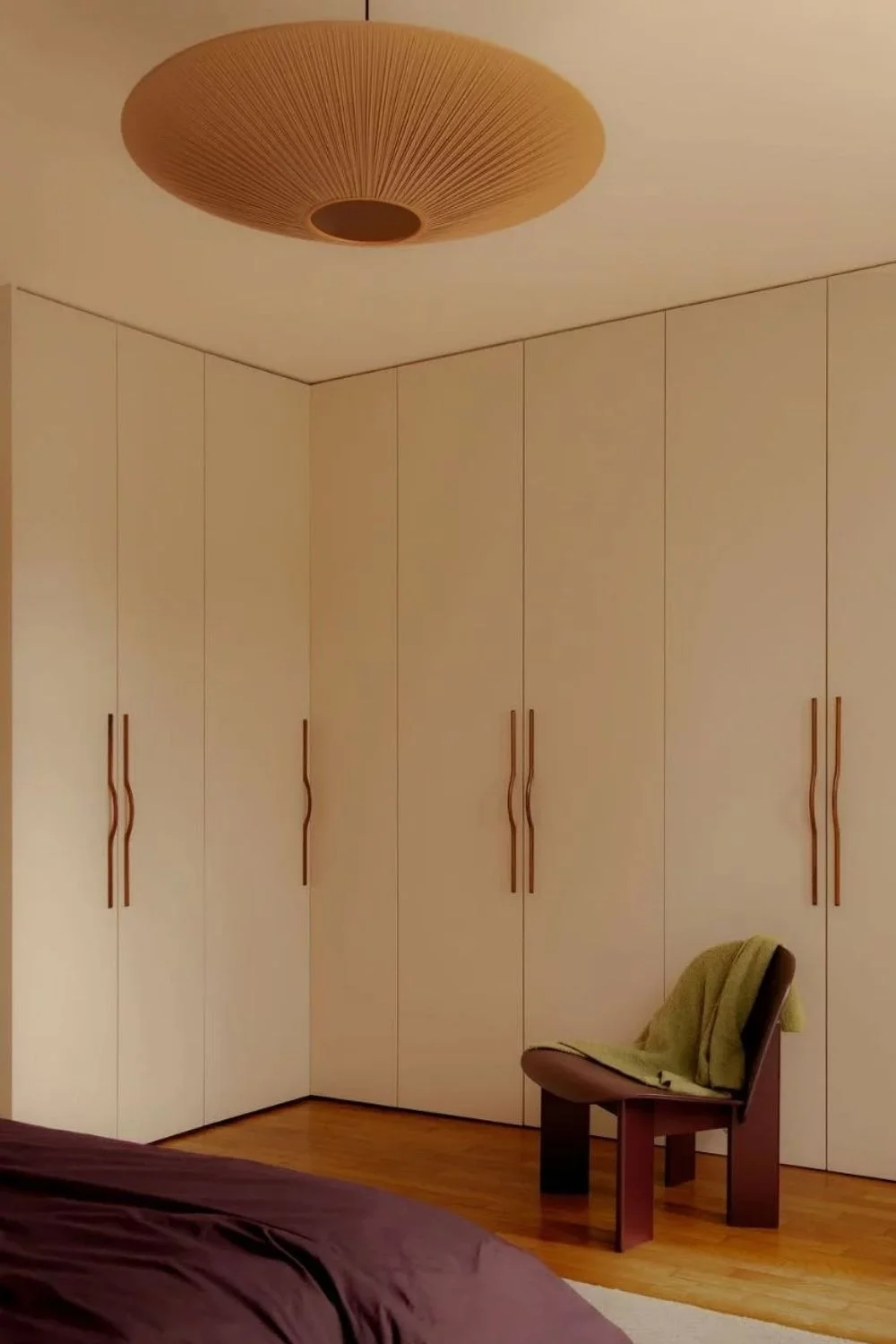
Wardrobe doors are the most visible element of the design and play a significant role in how the space looks and functions day to day. Your choice of door will also influence the required door hardware, so it’s worth considering both together from the outset.
7. Sliding Doors for Tight Floor Plans
Sliding wardrobe doors are ideal for bedrooms with limited space, as they don't require any clearance to open. This makes them particularly well-suited to layouts where the bed sits close to the wardrobe. While only one section of the wardrobe can be accessed at a time, sliding doors create a clean, streamlined appearance, especially across larger wardrobes where two or three oversized panels can achieve a more seamless look than multiple hinged doors.
8. Hinged Doors for Full Access
Hinged wardrobe doors provide full access to the entire interior at once, making it easier to see and organise your belongings. They also allow you to incorporate storage accessories, including mirrors, hooks, shoe racks, and tie rails, on the inside of each door. While they require approximately 500-600mm of clearance to open comfortably, hinged doors are often the more practical choice where space allows.
9. Bi-Fold Doors as the Middle Ground
Bi-fold wardrobe doors offer a practical balance between hinged and sliding designs. By folding back on themselves, they require less clearance than traditional hinged doors while still providing access to most of the wardrobe's interior. Because bi-fold doors rely on additional hinges and moving components, investing in high-quality hardware is essential to ensure smooth operation and long-term durability.
10. Handleless and Push-to-Open Designs
Handleless wardrobes create a clean, streamlined appearance by replacing traditional handles with push-to-open mechanisms or recessed finger pulls. This minimalist approach emphasises uninterrupted surfaces, making it particularly well-suited to contemporary interiors. While push-to-open systems can show fingerprints more readily on darker matte finishes and mirrored doors, recessed flush pulls offer a practical alternative, maintaining a sleek aesthetic while providing a comfortable grip.
11. Statement Hardware as Jewellery
Rather than concealing the hardware, statement handles can become a defining design feature. Oversized knobs or long vertical pulls in finishes such as brushed brass, brushed bronze, or brushed gunmetal add contrast and character to otherwise simple cabinetry. On taller wardrobe doors, full-height pulls can also enhance the proportions of the joinery, creating a more balanced and refined appearance while making the doors easier to operate.
12. Shaker, Flat-Panel, Fluted, and Mirrored Fronts
The profile of your wardrobe doors plays a major role in defining the overall style of the space. Flat-panel doors complement contemporary interiors, while Shaker profiles suit both traditional and transitional homes. Fluted or reeded fronts introduce texture and depth without relying on colour, creating subtle visual interest. Mirrored doors remain a practical choice for smaller bedrooms, helping to reflect natural light, create the illusion of a larger space, and eliminate the need for a separate full-length mirror.
13. Glass and Mesh Fronts
Glass-fronted wardrobes offer a balance between open and concealed storage, allowing you to showcase the contents without leaving everything fully exposed. Fluted, reeded, or smoked glass provides privacy while adding texture and visual interest. Mesh or rattan inserts create a similar effect, introducing warmth and natural character while promoting airflow, making them a practical choice for wardrobes storing shoes, sports gear, or clothing in more humid environments.
Finish and Colour Ideas
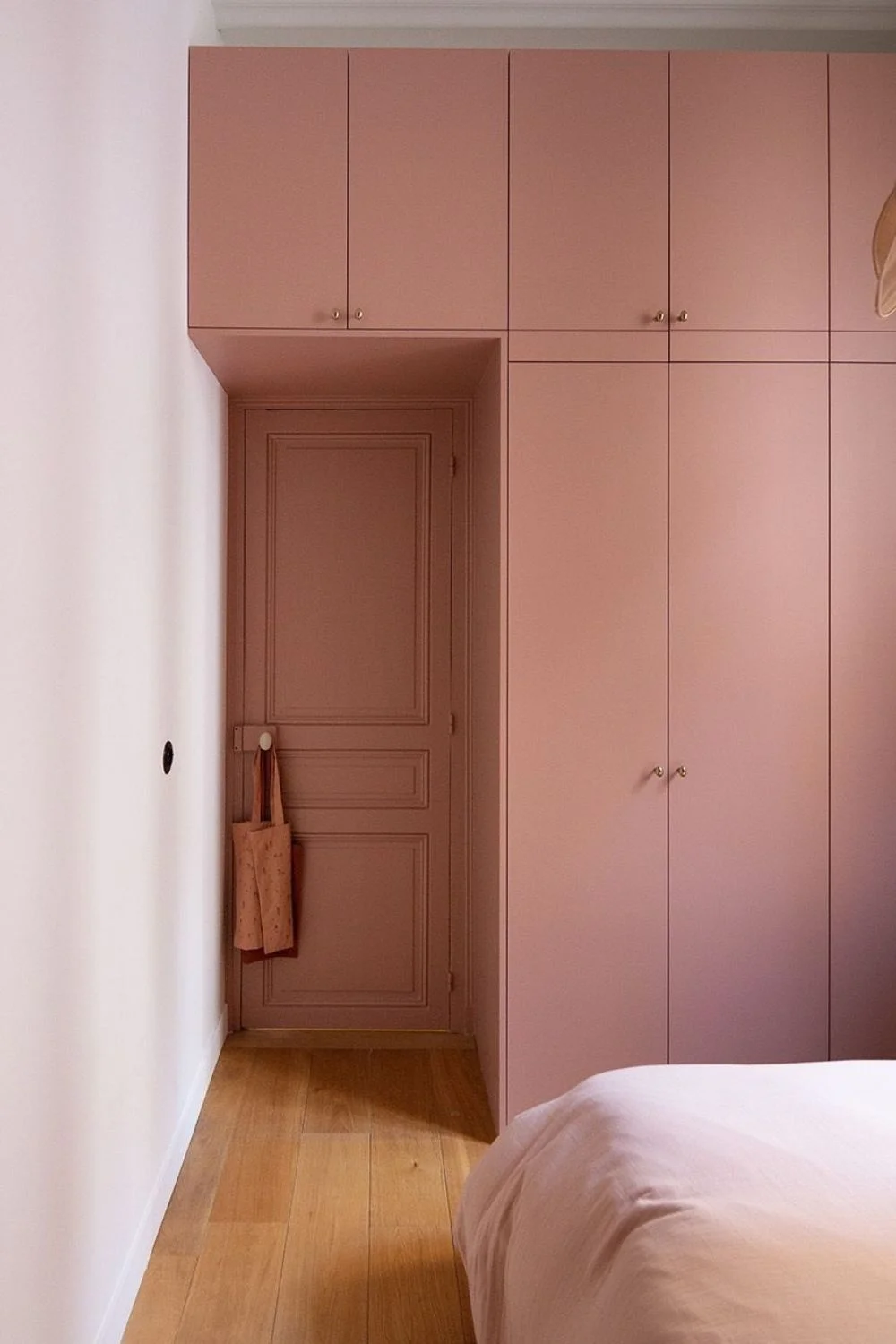
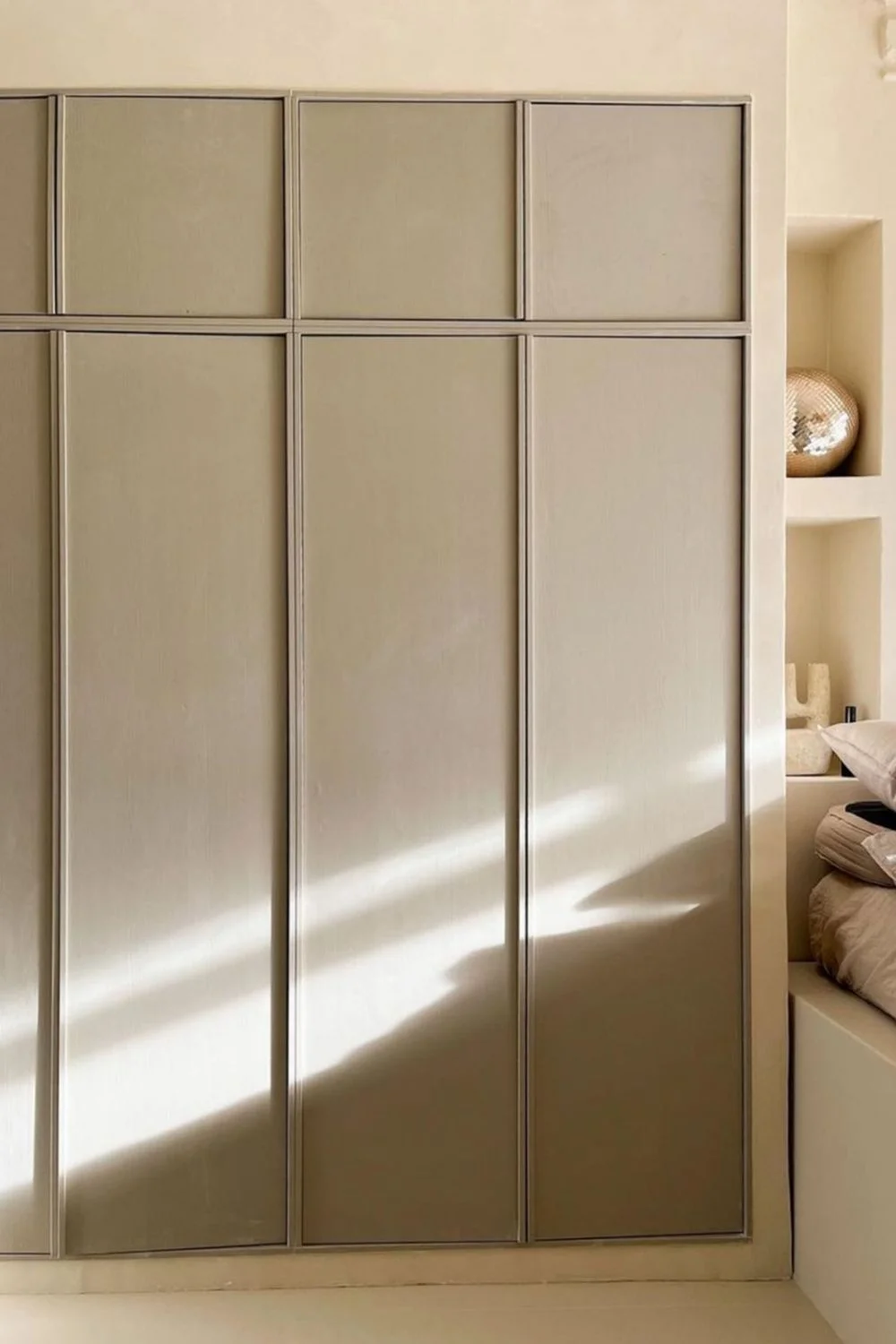
The finish and colour of your wardrobe significantly impact the overall feel of the room. Whether you prefer the warmth of natural timber, the simplicity of painted cabinetry, or the texture of contemporary materials, the right finish can help your wardrobe blend seamlessly with the surrounding interior or become a design feature in its own right.
14. Timber and Warm Woodgrain
Timber and woodgrain finishes bring warmth and natural character to a bedroom, with options such as oak, ash, and walnut complementing a wide range of interior styles. Natural grain also helps disguise everyday wear, while a vertical grain can emphasise ceiling height. Complete the look with warm hardware finishes, such as brushed brass or brushed copper.
15. Moody Dark Cabinetry
Dark cabinetry in shades such as charcoal, deep green, or navy creates a sophisticated, architectural look that feels more like custom joinery than everyday storage. These finishes work best when balanced with lighter walls, flooring, or furnishings to prevent the room from feeling enclosed. Because darker surfaces absorb rather than reflect light, incorporating good wardrobe lighting will make the interior easier to use.
16. Soft Neutrals That Recede
Soft neutral finishes help built-in wardrobes blend seamlessly with the surrounding walls, creating a calm and spacious feel. By allowing the cabinetry to recede into the background, the finer details, such as your choice of hardware, become more prominent. This makes quality handles and finishes an easy way to add subtle character without overwhelming the space.
17. Two-Tone Wardrobes
Two-tone wardrobes add visual interest by combining contrasting colours or materials within the same design. Pairing darker cabinetry below with lighter finishes above, or incorporating timber drawers into painted joinery, helps break up large expanses while subtly defining different storage zones. Keeping the hardware consistent across both finishes ensures the wardrobe feels cohesive and intentionally designed.
18. Hardware as the Finishing Accent
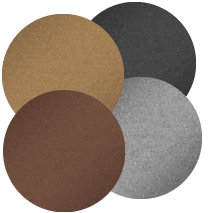
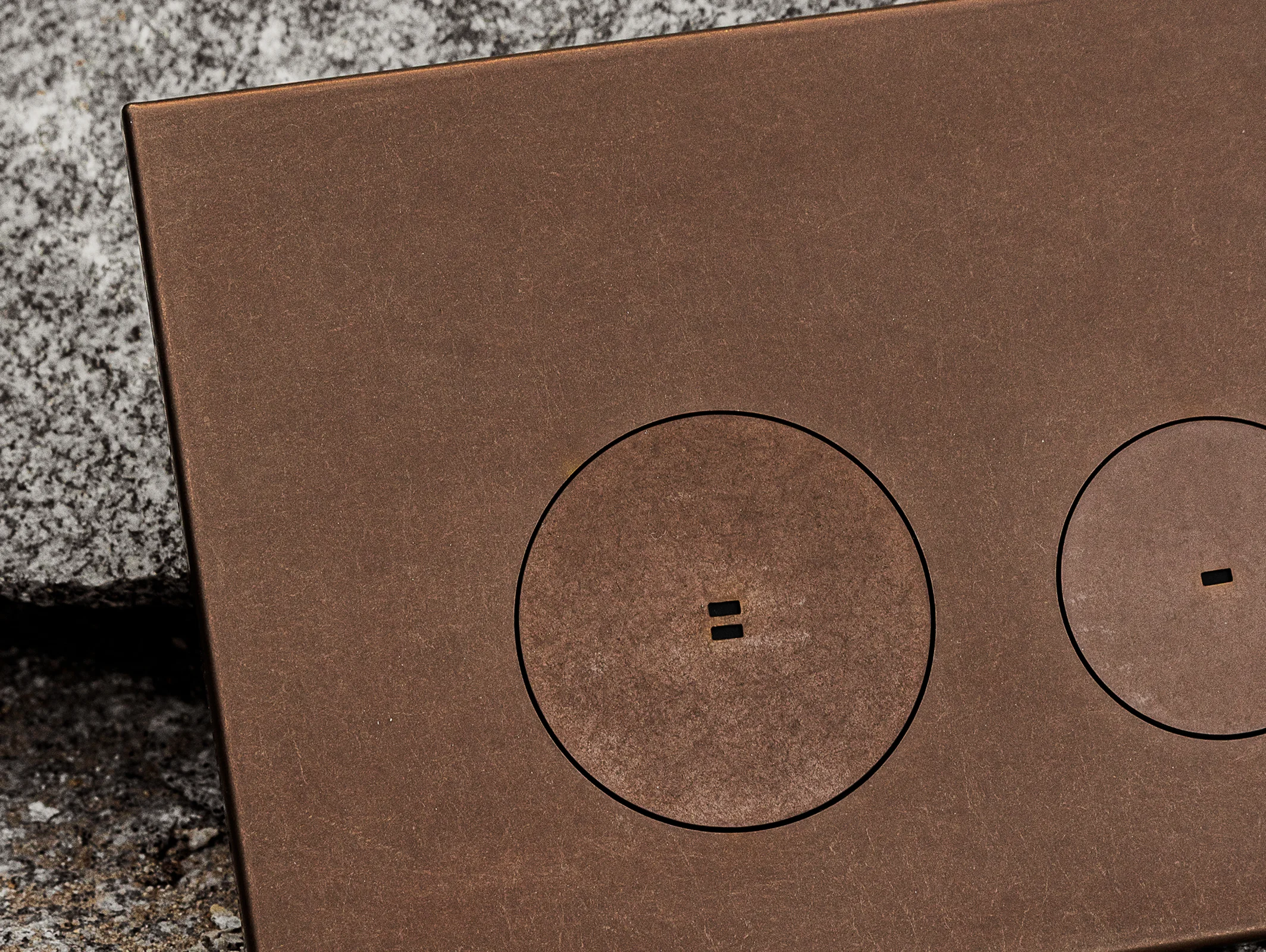
Hardware can dramatically influence the overall look of a wardrobe. Matte black creates a bold, contemporary statement, while brushed brass and brushed copper introduce warmth. Brushed nickel and chrome offer a timeless, understated appearance, and brushed gunmetal provides a refined balance.
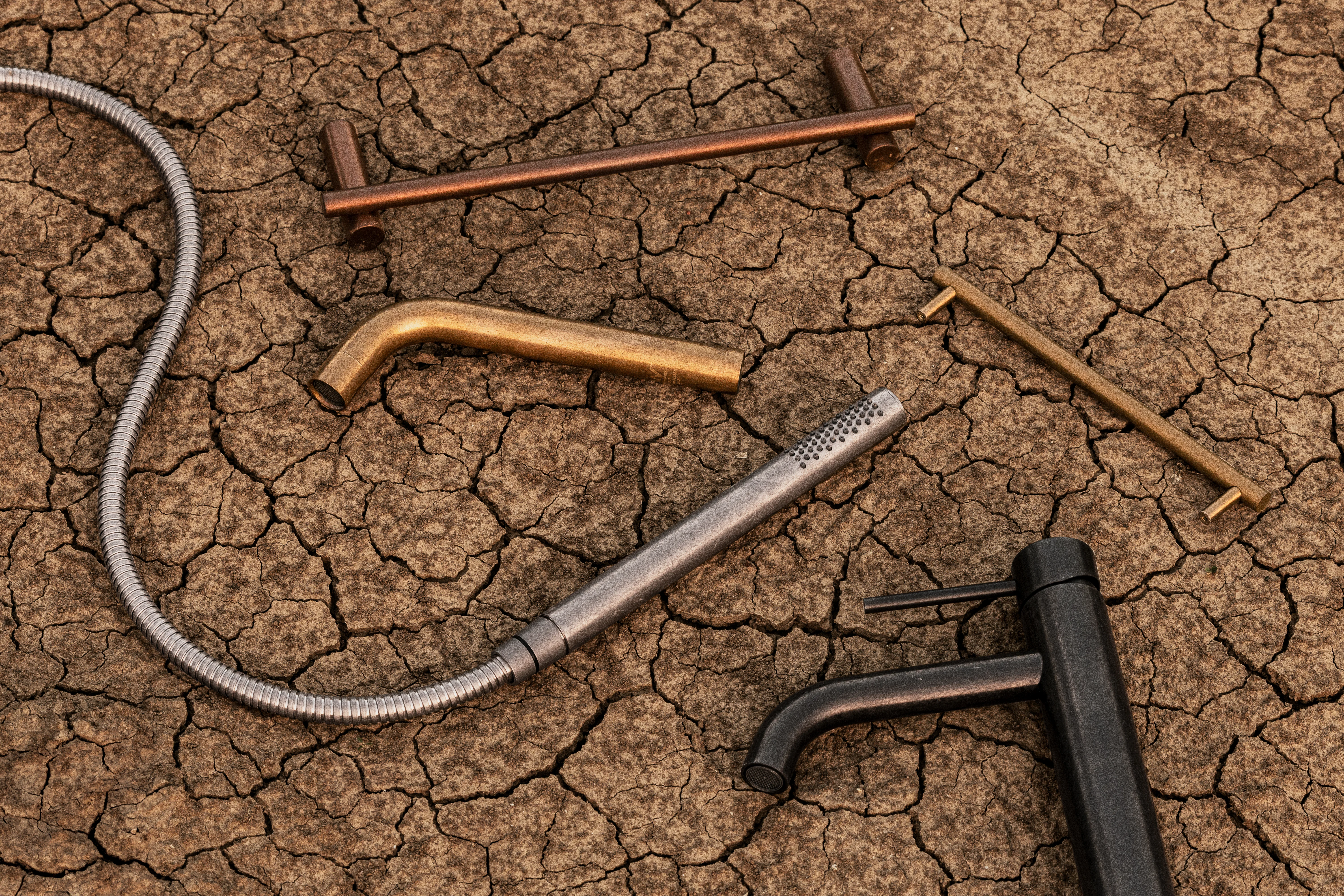
Choosing hardware in the same finish as your tapware, door hardware, and bathroom accessories helps create a cohesive design language throughout the home. Our cabinetry handles are available in a range of finishes, making it easy to achieve a refined, coordinated look across every room.
Smart Storage and Organisation Ideas
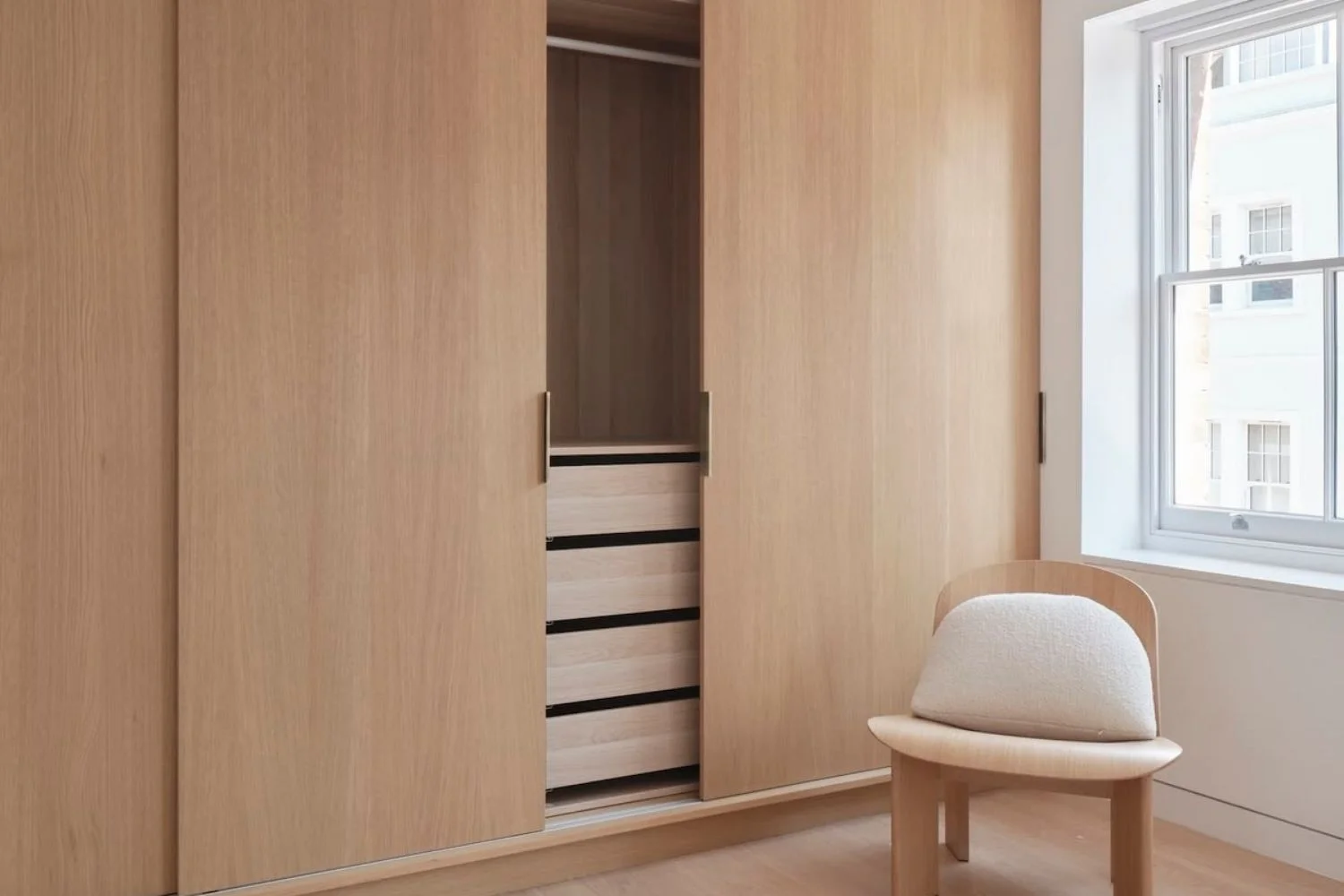
A well-designed wardrobe isn't just about how it looks but also how efficiently it stores and organises your belongings. Thoughtfully planned internal storage can maximise capacity, improve accessibility, and make everyday routines more seamless.
19. Fit Out the Inside Properly
The internal configuration is what determines how functional a built-in wardrobe will be. Incorporating drawers for folded clothing, pull-out trays for accessories, shoe storage, valet rails, and a combination of full-height and double-hanging sections helps make the most of the available space. Before finalising the layout, take stock of what you actually own so you can allocate the right balance of hanging space, shelving, and drawers to suit your needs.
20. Zone Storage by Category
Organising your wardrobe by category makes it easier to find what you need and helps maintain a tidy space over time. Group hanging clothes, folded items, shoes, and accessories into dedicated zones, keeping everyday essentials between hip and eye height for easy access. Reserve upper shelves for seasonal clothing, luggage, and other items you use less frequently to make the most of the available storage.
21. Light the Interior
Integrated lighting makes a built-in wardrobe easier to use while enhancing its overall appearance. LED strip lighting beneath shelves, sensor lights that activate when doors open, or illuminated display shelves can all improve visibility and highlight the wardrobe's design.
22. Hooks and Rails for Everyday Essentials
Not everything belongs on a hanger. Bags, belts, scarves, hats, and jackets are often easier to store on hooks or rails, keeping them accessible while reducing clutter elsewhere in the wardrobe. Installing hooks on the inside of wardrobe doors or end panels is a simple way to maximise unused space.
How to Finish Your Built-In Wardrobe With the Right Hardware
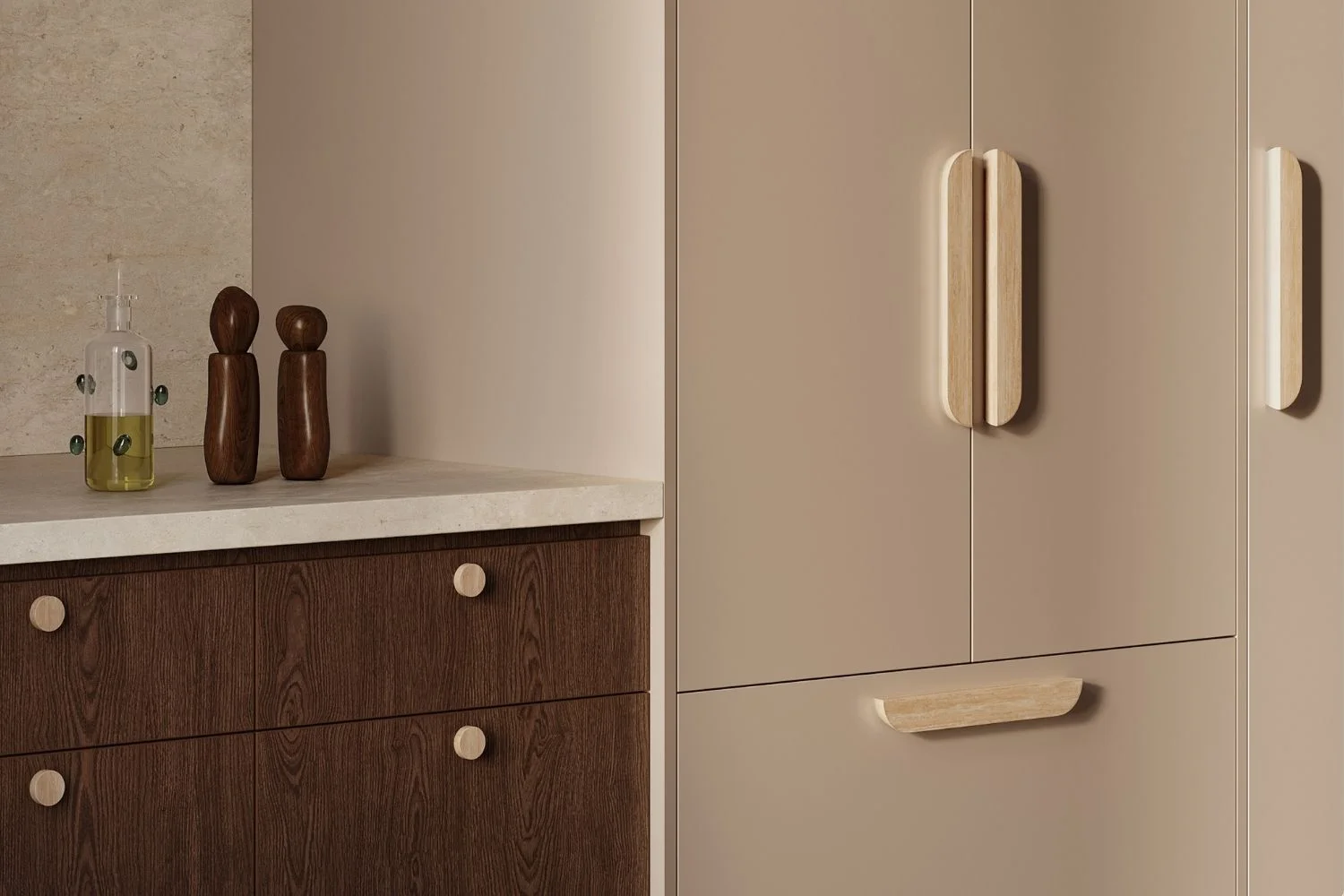
Cabinetry provides the foundation for a built-in wardrobe, but hardware completes the design. It's also one of the easiest elements to update over time, making it a simple way to refresh your space without replacing the joinery.
Match the Hardware to the Door Size
The size of your handles should be in proportion to the cabinetry. Small knobs can appear undersized on floor-to-ceiling doors, while long vertical pulls create a more balanced look. As a general guide, reserve knobs for drawers and shorter doors, and opt for longer pulls on taller cabinetry.
Use Consistent Pull Lengths
Using the same handle style throughout your wardrobe creates a more cohesive, considered look. If your cabinetry includes a mix of drawers and taller doors, choose a collection that comes in multiple sizes to maintain consistent proportions throughout the design. Our cabinetry pull collections are available in multiple sizes, making it easy to maintain a unified look across drawers and doors.
Introduce Warmth With Wooden Hardware
Wooden cabinet handles are an easy way to introduce warmth and natural texture to a built-in wardrobe. They pair particularly well with painted cabinetry, creating contrast, while also complementing timber-fronted wardrobes for a more cohesive look. Available in a variety of shapes and sizes, our timber cabinetry handles make it easy to maintain a consistent design across drawers and doors.
Consider Adjustable Hardware for Renovations
If you're updating an existing wardrobe rather than installing a new one, adjustable cabinetry pulls can make the process much simpler. Designed to accommodate a range of fixing-hole spacings, they minimise the need to drill new holes or replace cabinetry. Our adjustable cabinetry pulls offer a practical way to refresh dated wardrobes with minimal modification.
Coordinate Your Finishes
Your wardrobe hardware doesn't need to match every finish throughout your home, but it should feel cohesive. Choosing hardware in the same finish family as your tapware, door hardware, or bathroom accessories helps create a consistent design language that flows naturally from room to room.
Built-in Wardrobe FAQ
Is a built-in wardrobe better than a freestanding one?
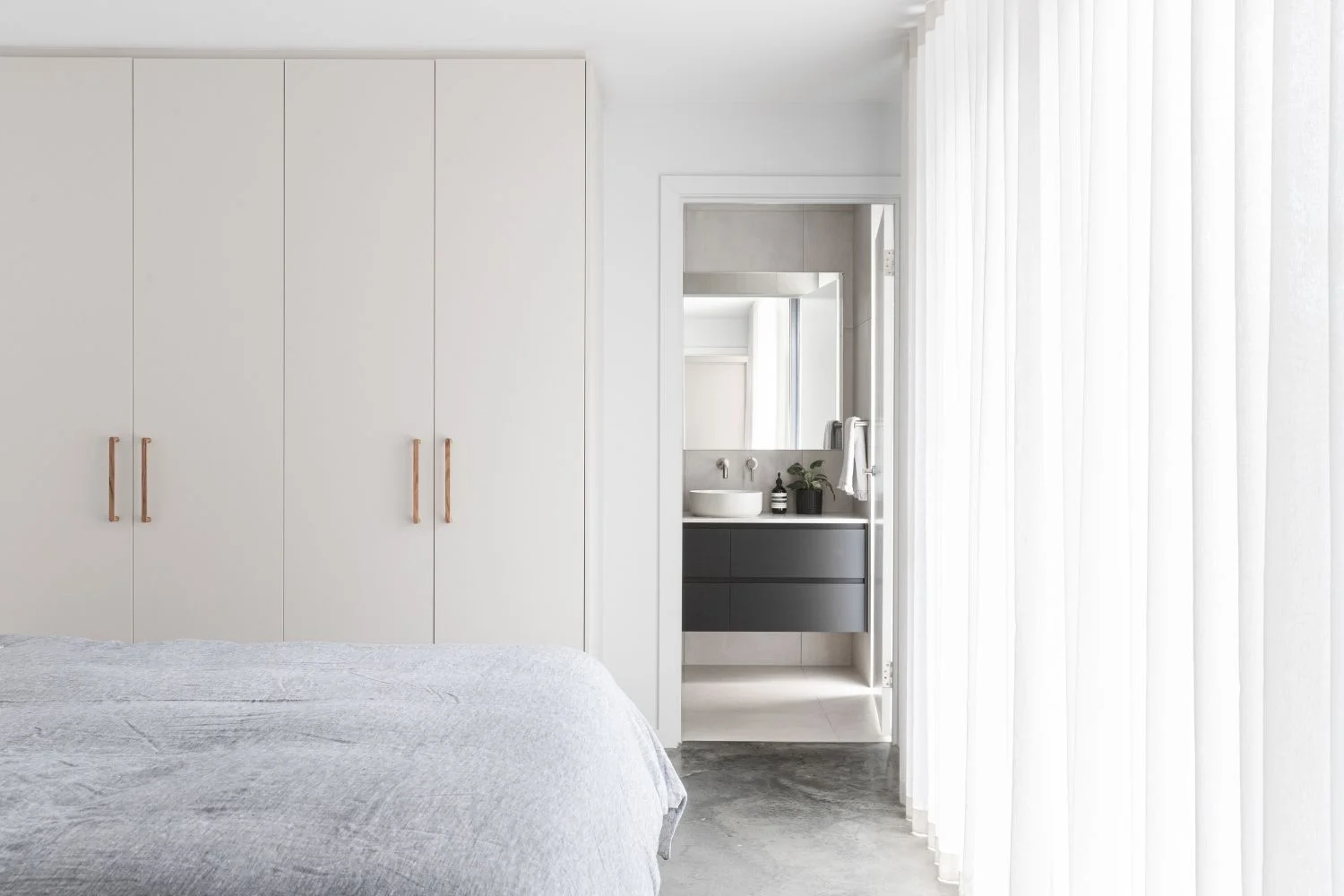
For a permanent bedroom, usually yes. A built-in uses the full wall-to-ceiling height, doesn't leave gaps that collect dust, and adds to the property's value. Freestanding wardrobes make more sense if you rent, move often, or want the flexibility to rearrange the room.
How much does a built-in wardrobe cost?
This depends on width, materials, door type, and whether you go for flat-pack, semi-custom, or full-custom joinery. Flat-pack systems are the entry point, semi-custom sits in the middle, and bespoke joinery with a detailed internal fit-out costs the most. Get two or three quotes based on the same drawing so you're comparing like with like.
What's the best hardware finish for a wardrobe?
Whichever finish already appears elsewhere in the home. Matte black suits contemporary and monochrome schemes, brushed brass and brushed copper warm neutral and timber palettes, and brushed nickel or chrome keeps things classic. Brushed gunmetal is a good option against dark cabinetry when black would disappear.
Should You Choose Handleless Cabinetry?
Handleless suits minimal interiors and small rooms where you want the wardrobe to recede. Handles are better if the wardrobe is a feature, if you want a point of contrast, or if you'd like the option to change the look later without touching the cabinetry. Push-to-open mechanisms also wear over time, whereas a well-made pull doesn't.
How do I make a small bedroom work with a built-in robe?
Choose sliding or bi-fold doors to avoid swing clearance, keep the depth to 600mm, run cabinetry to the ceiling, and consider mirrored fronts. Painting the wardrobe the same colour as the walls will also stop it from dominating the room.
Bring Your Wardrobe Together
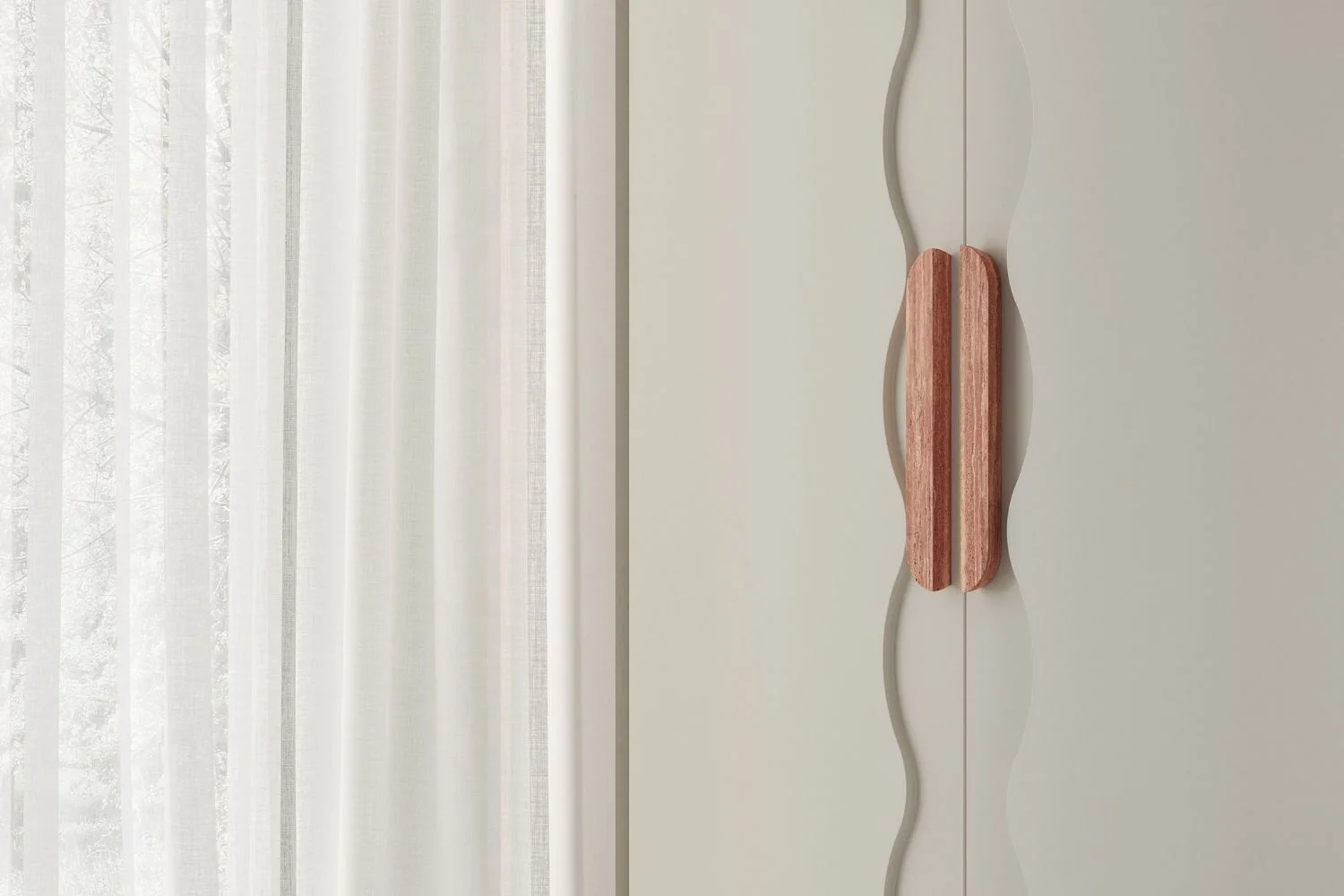
A well-designed built-in wardrobe balances thoughtful storage with considered design. While the cabinetry defines the overall structure, the hardware provides the finishing touch, bringing personality, functionality, and cohesion to the space. By choosing layouts, finishes, and hardware that complement both your lifestyle and the rest of your home, you can create a wardrobe that feels as practical as it is timeless.
For more inspiration, explore these blogs:
Get Savvy with Shelving Ideas: Stylish Storage Solutions for Every Room
Master Bedroom Ideas For The Perfect Private Retreat