Our Range


































What Is WaterMark Certification? Everything You Need to Know
Perhaps you've noticed a small "W" stamped on a tap, mixer, or valve without giving it much thought. While subtle, it signifies WaterMark certification, Australia's mandatory certification for specified plumbing and drainage products. It can be the difference between a product your plumber can legally install and one they cannot, making it an essential consideration when selecting tapware for your next bathroom, kitchen, or laundry project.
Administered by the Australian Building Codes Board (ABCB) on behalf of state and territory plumbing regulators, the certification is referenced in the Plumbing Code of Australia, which forms part of Volume Three of the National Construction Code (NCC).
In simple terms, WaterMark certification Australia confirms that a product has been independently assessed and tested against the relevant Australian or joint Australian/New Zealand Standard. It verifies that the product is safe, durable, and fit for purpose, giving homeowners, plumbers, builders, and designers confidence that it meets Australia's strict plumbing requirements.
Is WaterMark certification mandatory?
For any product listed on the WaterMark Schedule of Products, certification is mandatory. This includes a defined range of plumbing and drainage products considered critical to health, safety, and water conservation, such as tapware, mixers, valves, water heaters, sanitary fixtures, drainage products, and any components that come into contact with the drinking water supply.
For homeowners, this distinction is important: while it's generally legal to purchase a non-certified product, it cannot legally be installed by a licensed plumber if WaterMark certification is required. Without a valid WaterMark certificate, a plumber cannot sign off on the installation, which could result in costly delays, replacement expenses, or products that can't be installed at all.
How is a product certified?

WaterMark certification is not self-assessed. Products are independently evaluated by WaterMark Conformity Assessment Bodies (WMCABs), which are accredited by the Joint Accreditation System of Australia and New Zealand (JAS-ANZ). These independent bodies assess products against approved specifications and, if they meet the required standards, certify them for inclusion on the WaterMark Product Database.
Certification is also an ongoing process rather than a one-time approval. WaterMark certificates are valid for five years and are subject to annual surveillance and monitoring, ensuring certified products continue to meet the required standards throughout their certification period.
What products need WaterMark certification?

The WaterMark Schedule of Products covers a broad range of plumbing and drainage products, including:
- Tapware, mixers, and mixing valves
- Water heaters and hot water systems
- Toilet suites, cisterns, and related sanitary fixtures
- Backflow prevention devices
- Flexible hose assemblies
- Drainage products, including pipes, fittings, and grated drains
The complete list is maintained by the Australian Building Codes Board (ABCB) and is periodically updated. If you're specifying a less common or specialised product, it's worth checking whether it falls within the current schedule rather than making assumptions, particularly before purchasing or installation.
How to check if a product is certified
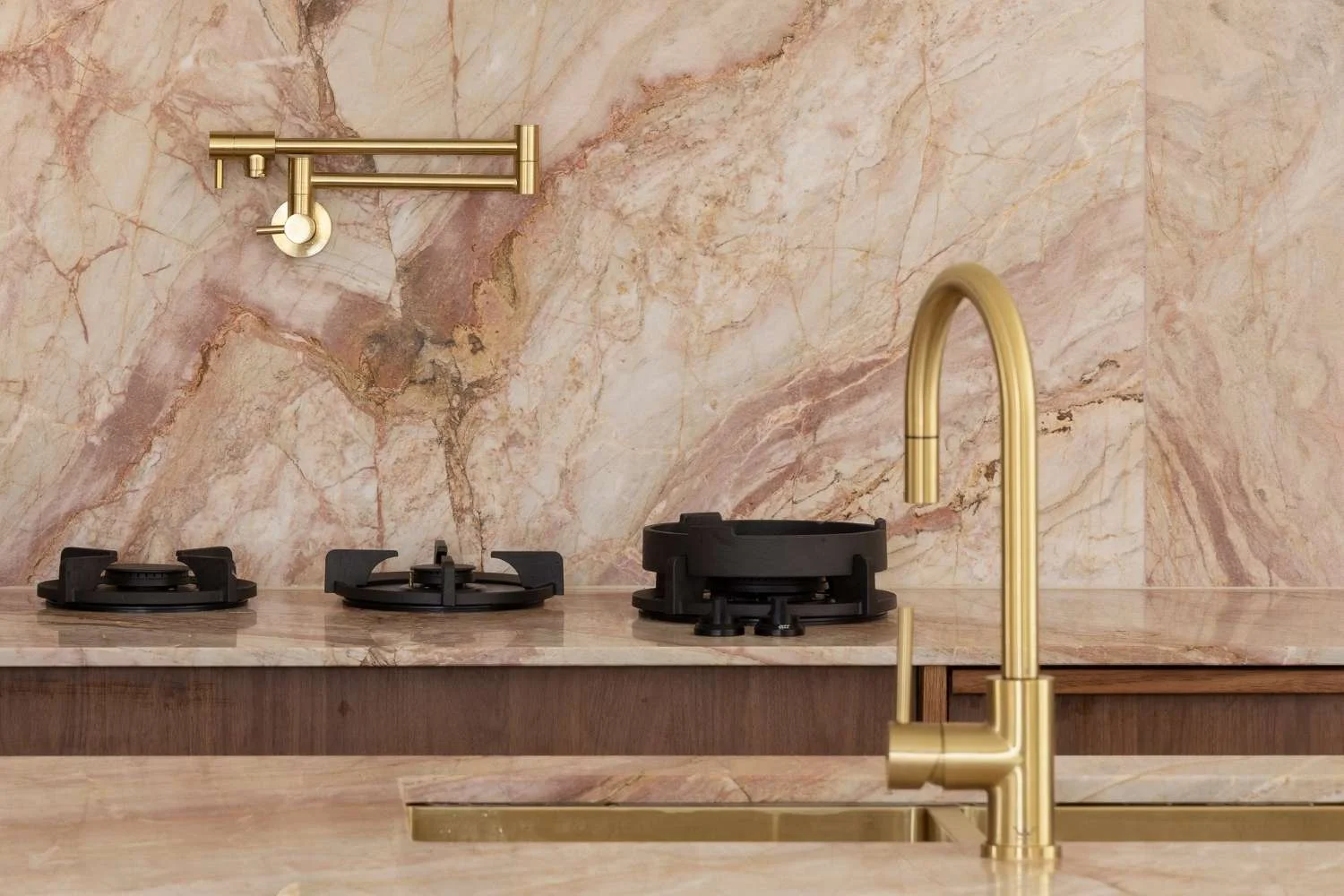
Look for the distinctive "W" mark, which may appear in red, black, or white, or be etched directly into the product. However, the mark alone shouldn't be your only point of reference, particularly when purchasing products online or from overseas suppliers.
The most reliable way to verify certification is through the Australian Building Codes Board's (ABCB) WaterMark Product Database. This public register allows you to search by product, certificate number, or licence holder to confirm that a product's WaterMark certification is genuine, current, and valid for installation in Australia.
Why it matters for homeowners

Beyond meeting legal installation requirements, WaterMark certification provides confidence in the aspects of a plumbing product that aren't immediately visible. It helps safeguard the quality of your drinking water, the integrity of your plumbing system, and the long-term performance of the products installed throughout your home. Certified products have been independently tested for criteria such as water quality, pressure performance, and material safety, offering assurance that they meet Australia's required standards.
WaterMark certification can also have implications well beyond the completion of a renovation. Installing non-certified plumbing products may create complications during building inspections, insurance claims, or future compliance checks, potentially leading to unexpected costs and delays when selling or renovating your home.
Lead Free WaterMark: what's changed
One of the most significant recent updates to the WaterMark certification scheme is the introduction of the Lead Free WaterMark requirement. This change limits the amount of lead permitted in copper alloy plumbing products that come into contact with drinking water, helping to reduce the risk of lead leaching into the water supply.
From 1 May 2026, manufacturers have been required to hold Lead Free WaterMark certification to continue producing eligible copper alloy plumbing products for the Australian market. Products containing more than 0.25% lead are no longer eligible for new certification.
To support the transition, the Australian Building Codes Board (ABCB) has extended the installation period for existing stock. Copper alloy products that were certified before the lead-free requirement came into effect can continue to be sold and installed until 30 April 2028, provided they were lawfully certified before the change.
If you're planning a renovation over the next few years, it's worth asking your supplier whether the products you're specifying are Lead Free WaterMark certified. While both products may remain compliant during the transition period, choosing lead-free certified products helps future-proof your project and aligns with the latest Australian requirements.
WaterMark vs WELS
WaterMark and WELS (Water Efficiency Labelling and Standards) are often confused, but they serve two distinct purposes. WaterMark certification verifies that a plumbing product is safe, fit for purpose, and compliant with Australia's plumbing standards. WELS, by contrast, measures a product's water efficiency by assigning a star rating and a water consumption label.
The two schemes work together but assess different criteria. A product must hold valid WaterMark certification before it can be registered under the WELS scheme. WaterMark is about safety and compliance, while WELS is about water conservation and efficiency.
WaterMark and ABI
At ABI Interiors, compliance is considered from the outset. Every applicable product in our range is selected to meet Australian regulatory requirements, giving homeowners, designers, and trade professionals confidence when specifying tapware and plumbing fittings.
If you're selecting products for an upcoming project, our team can provide guidance on the WaterMark certification status of any applicable product in our collection, helping you make informed, compliant choices from the beginning.
FAQs
Is WaterMark certification a legal requirement?
Yes, for any product listed on the WaterMark Schedule of Products. Certification is mandatory under the Plumbing Code of Australia, and a licensed plumber cannot legally install a scheduled product without valid WaterMark certification.
What happens if I install a non-certified product?
If a product requires WaterMark certification, it should not be installed by a licensed plumber without valid approval. Using a non-certified product may create compliance, inspection, and insurance issues, which is why it's important to confirm certification before purchasing.
Where do I find the WaterMark ("W") mark?
The WaterMark mark can be found on the product itself, either stamped, printed, or etched into the surface. You can also verify a product's certification details through the official WaterMark Product Database.
Is WaterMark the same as WELS?
No. WaterMark and WELS serve different purposes. WaterMark confirms a product is safe, compliant, and fit for purpose, while WELS measures water efficiency. A product must hold valid WaterMark certification before it can be registered for a WELS rating.
What is a WaterMark certificate, exactly?
A WaterMark certificate is the formal approval issued by an accredited Conformity Assessment Body, confirming that a specific product has been tested and certified against the relevant standard. Certificate details, including the certified product and licence holder, are recorded on the WaterMark Product Database.
Looking for more information on our products? Read these related blogs:
What is PVD Coating, and Why Does It Matter?
How ABI Interiors is Redefining Sustainable Tapware in Australia