Our Range





























The 2026 Lead Free Plumbing Law: What Every Australian Renovating Right Now Needs to Know
The 2026 lead free plumbing law changed what tapware, mixers and valves can legally be manufactured, certified and installed in Australian homes. Since 1 May 2026, manufacturers can no longer certify or make new copper alloy plumbing products unless they're lead free. Whether you personally need lead free tapware installed right now depends on where you live: Victoria has required lead free installation since 1 May 2026, while the rest of Australia has until 1 May 2028.
What the 2026 lead free plumbing law actually says
The NCC lead free requirements sit under Clause A5G4 of NCC 2022 Volume Three, the Plumbing Code of Australia. They limit copper alloy plumbing products in contact with drinking water to a weighted-average lead content of no more than 0.25%, measured across the entire wetted surface of the product rather than at a single point. This 0.25% lead content plumbing limit is what most people mean when they refer to "lead free" under Australian law. Two dates matter here, and they're not the same thing.
The key nuance: Since 1 May 2026, manufacturers have only been able to certify and manufacture lead free copper alloy products nationally. Installation is different: Victoria has enforced lead free-only installation since 1 May 2026, while the ABCB extended the installation deadline to 1 May 2028 for every other state and territory.
That second date was only settled in December 2025, when the ABCB agreed to extend the national installation transition after the industry raised concerns about stock availability. Victoria chose not to take the extension, so it's currently the only state enforcing the earlier date.
What does "lead free tapware" actually mean?
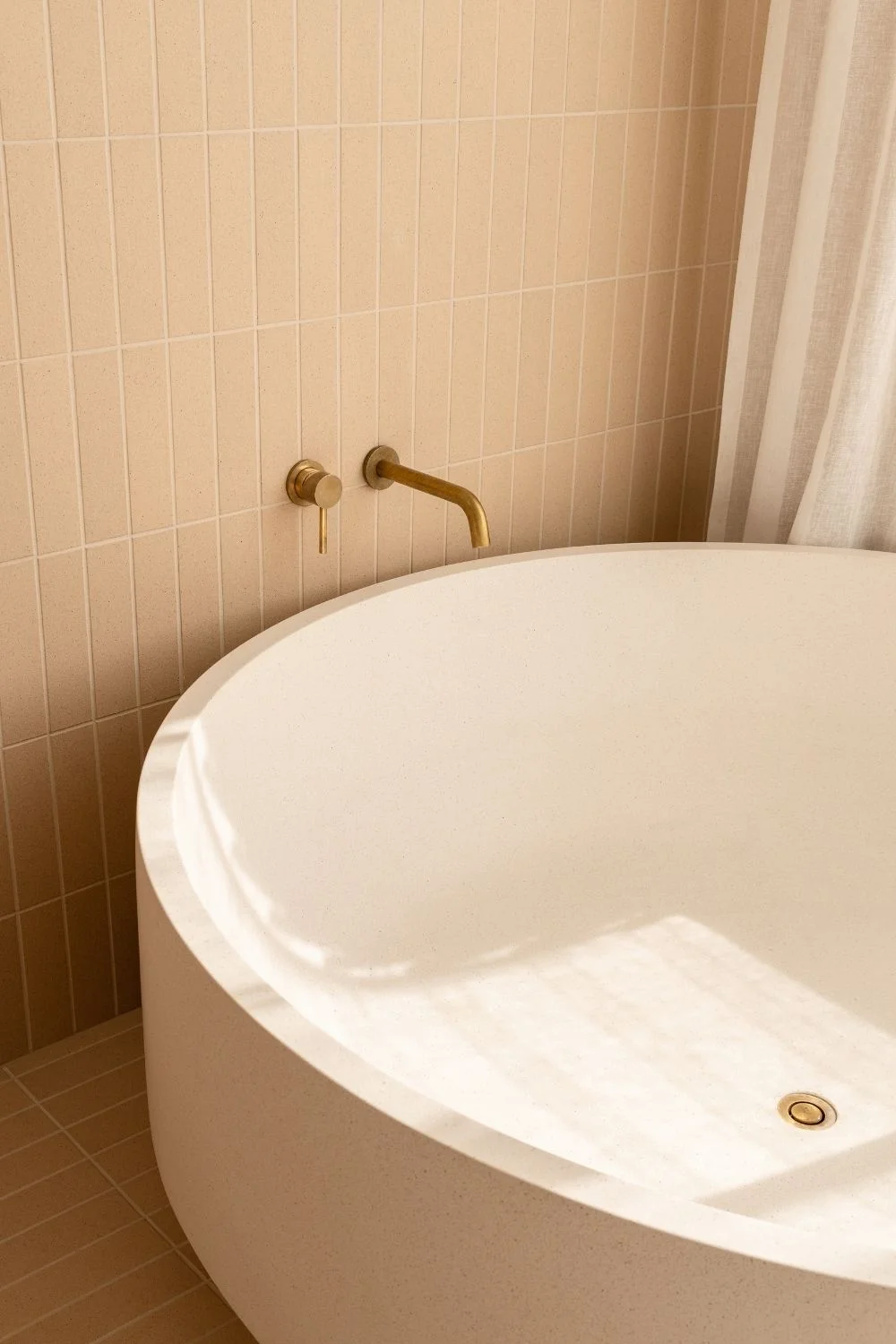
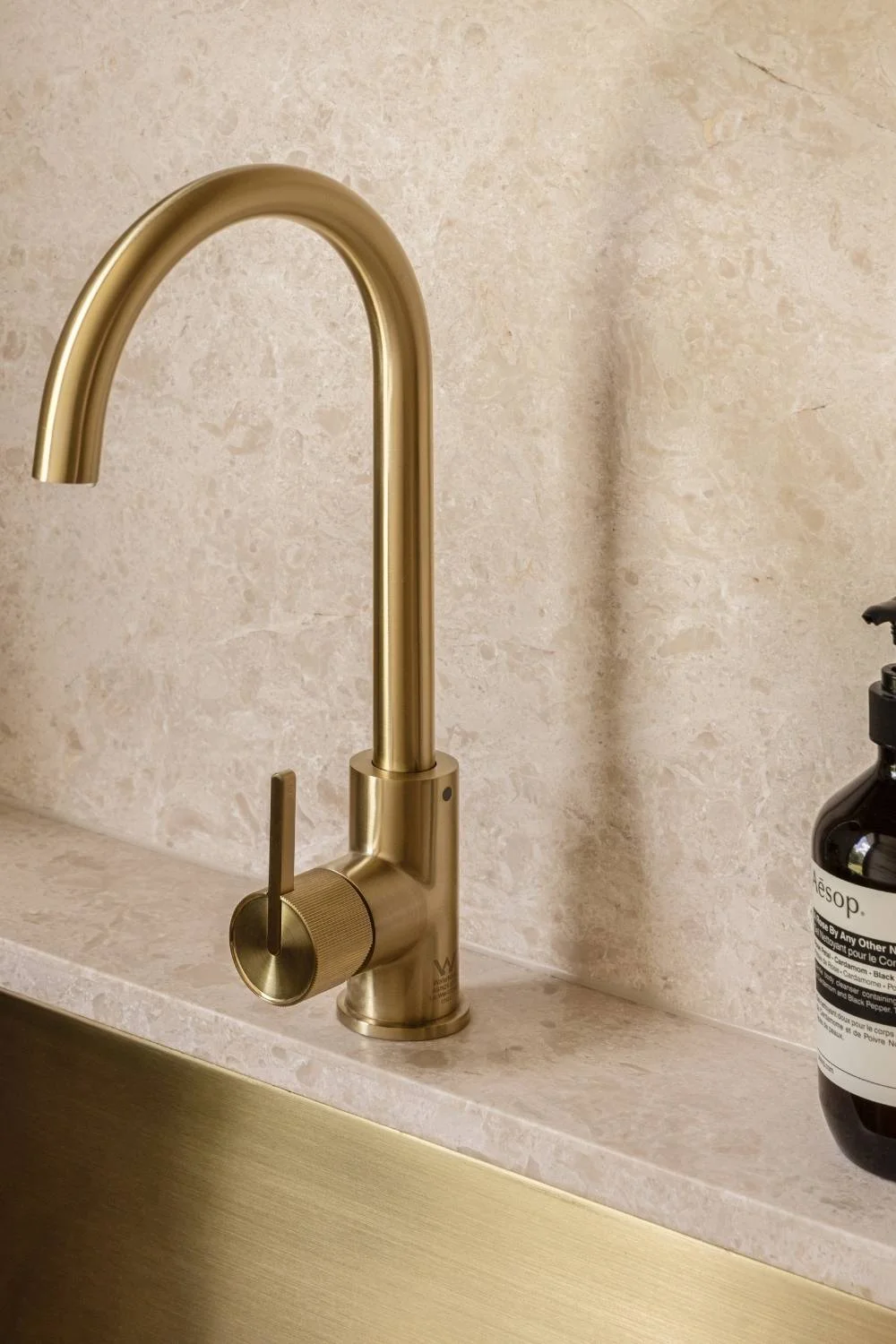
The lead free tapware meaning under the NCC is specific: a plumbing product or fitting where the wetted surface (the part that touches drinking water) has a weighted average lead content of no more than 0.25%. It doesn't mean 0% lead, though many stainless steel products do test at 0%; it means the lead content sits under a defined, tested threshold.
Why the change is happening

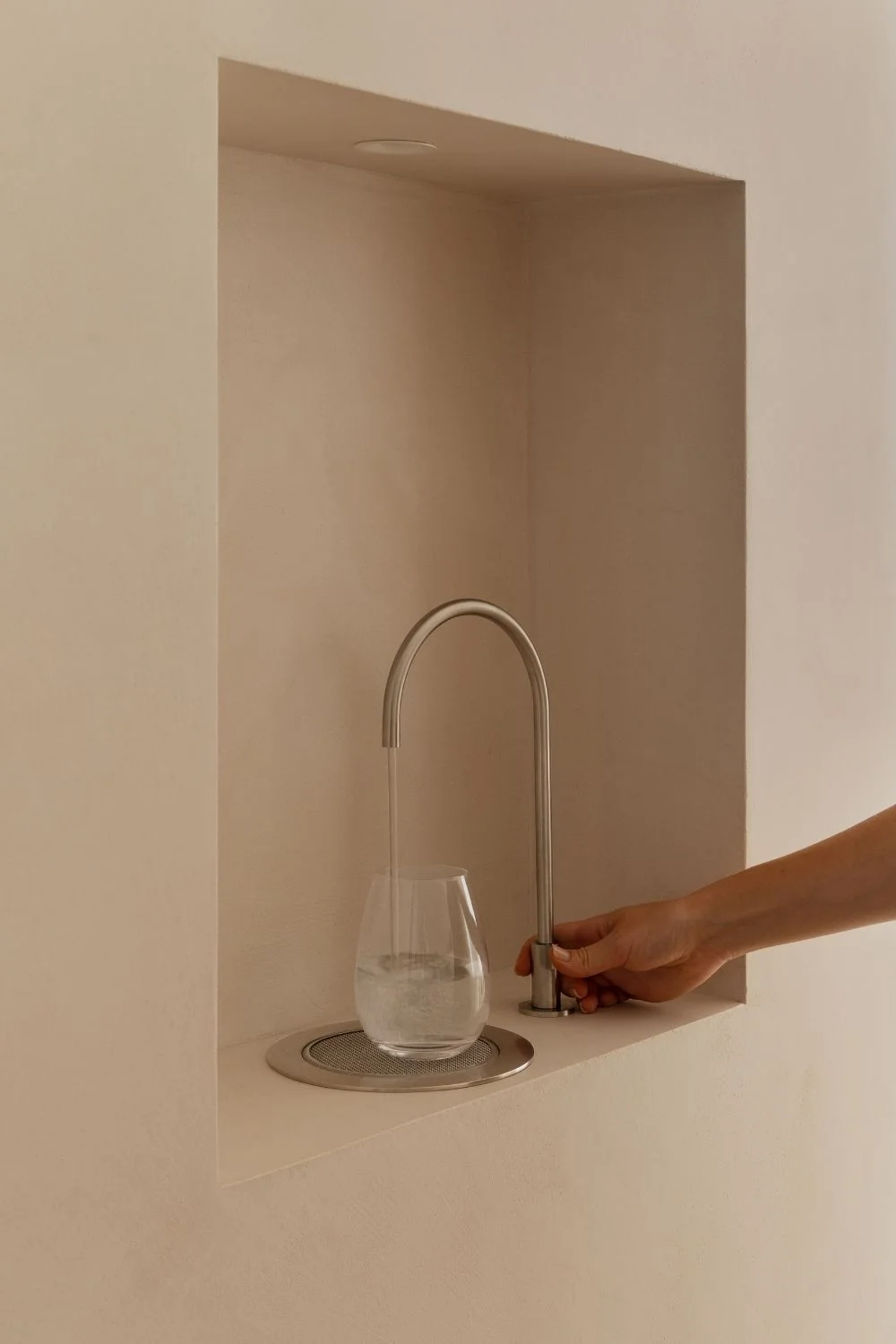
Lead is a cumulative neurotoxin, and health authorities hold that no level of lead exposure is considered safe, with children and pregnant people most at risk. Older tapware and fittings made from leaded brass can leach small amounts of lead into drinking water, particularly when water has been sitting in the pipe or fitting for an extended period, such as overnight. The 0.25% limit brings Australia in line with lead free standards already in place in the United States and Canada.
Does this affect my renovation?
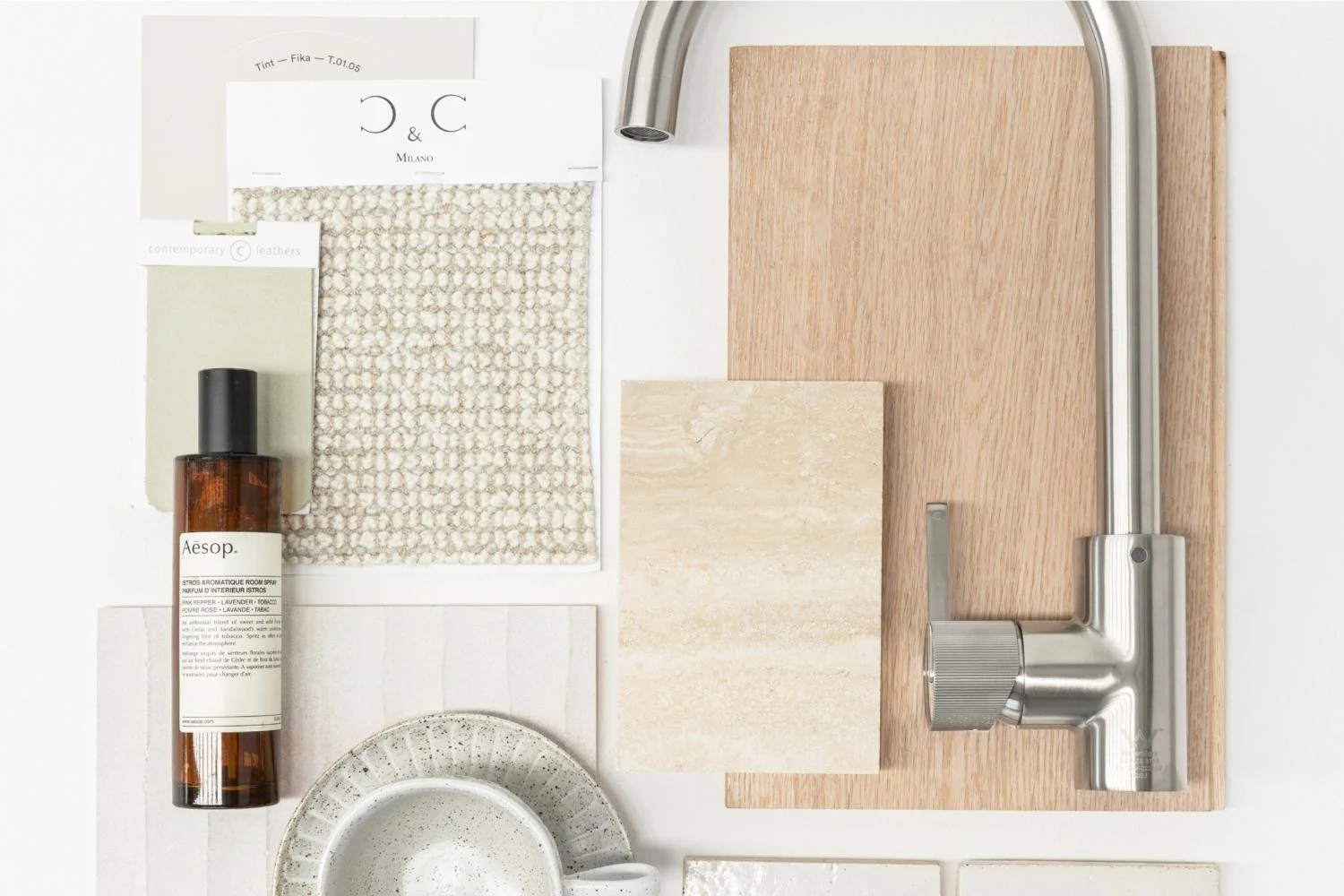
It depends on your state and your installation date, not your contract or design date. In Victoria, if plumbing work is being installed on or after 1 May 2026, it must use lead free certified product, regardless of when the permit was issued or the contract signed. Everywhere else in Australia, existing WaterMark-certified stock, including standard brass, can still be legally installed right up until the 1 May 2028 deadline. New builds and full replacements follow the same rule as any other renovation: what matters is the installation date, not the build date.
If you're renovating in Victoria, check with your plumber that the specified lead free tapware carries the correct certification, since this has been required for all installations since 1 May 2026. If you're elsewhere in Australia, you're not required to source lead free product yet, though it's increasingly what's available anyway, since manufacturing has already shifted.
Which products are affected (and which aren't)
| Covered | Exempt |
| Taps and lead free mixers | Toilets and cisterns |
| Valves (tempering, thermostatic, backflow prevention) | Irrigation fittings |
| Copper alloy fittings | Firefighting equipment |
| Flexible hose assemblies | Showerheads |
| Water heaters and dispensers | Stainless steel tapware (inherently lead free) |
| Water meters |
The common factor is contact with drinking water: if a copper alloy product, including taps and mixers, touches water intended for human consumption, it's covered by the lead free tapware Australia requirements. If it doesn't, or it's made from a naturally lead free material like 316-grade stainless steel, it's exempt.
How to check a product is compliant
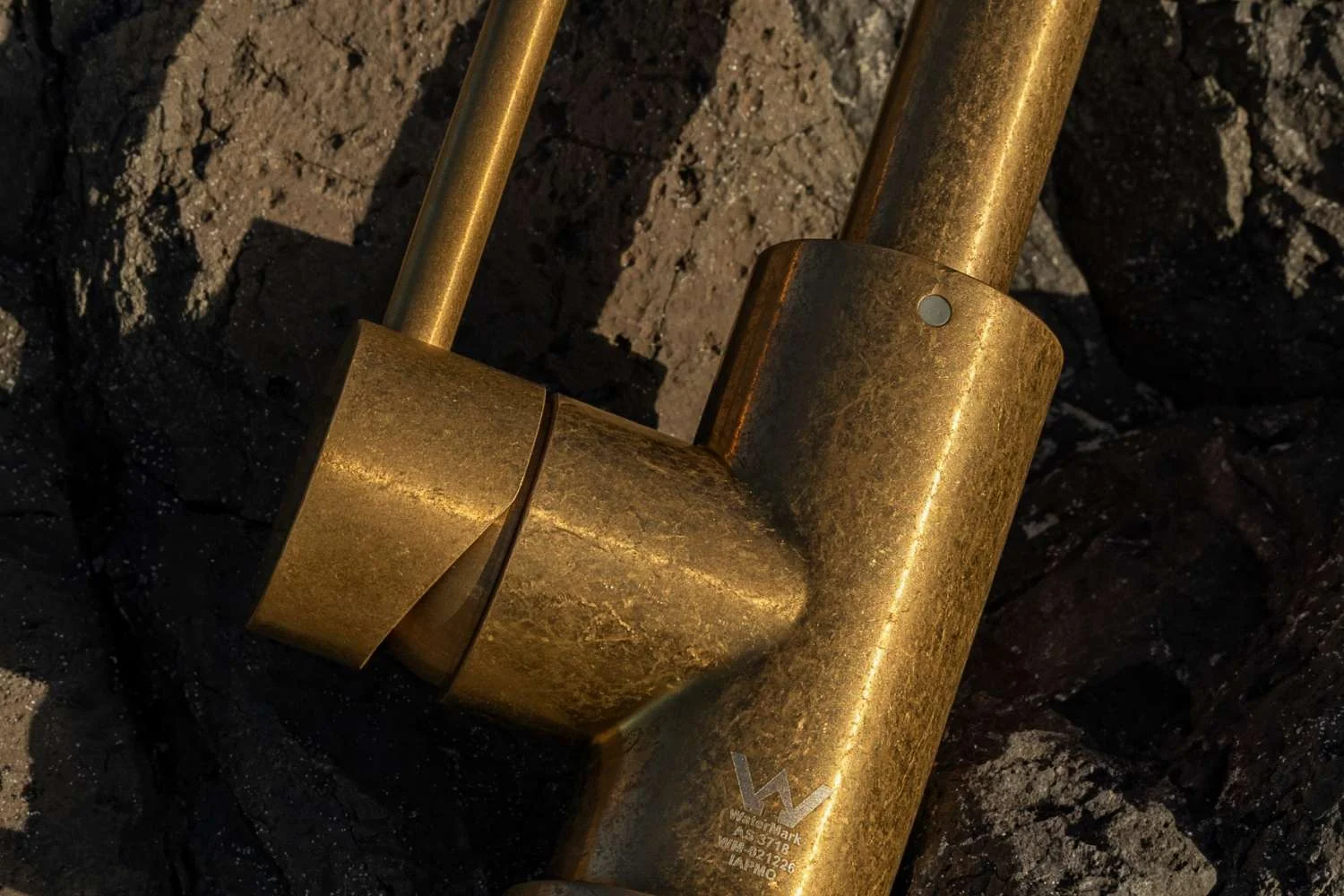
Look for the WaterMark lead free logo on the product or its packaging, distinct from the standard WaterMark required on plumbing products for years.
If you're buying online, check the listing to see if the certification is explicitly stated rather than assuming a general "WaterMark certified" claim covers it, since that mark alone doesn't confirm lead free status. You can also search the product name on the WaterMark Product Database to confirm a current licence.
Is my tapware lead free?

The only reliable way to answer "is my tapware lead free?" is to check for the lead free mark directly on the product, its packaging, or its listing on the WaterMark Product Database. Brand claims of "low lead" or "compliant" aren't the same thing unless the specific Lead Free WaterMark is present.
Do I need to replace my existing tapware?
No. The rule isn't retrospective, so taps and fittings already installed in your home don't need to be replaced because of this law. If you're concerned about lead exposure from older fittings, particularly in a pre-1990s home, running the tap briefly before using the water for drinking or cooking may help. If you want greater certainty, consider having your water tested rather than automatically replacing existing compliant fittings.
How ABI Interiors has prepared for the lead free transition
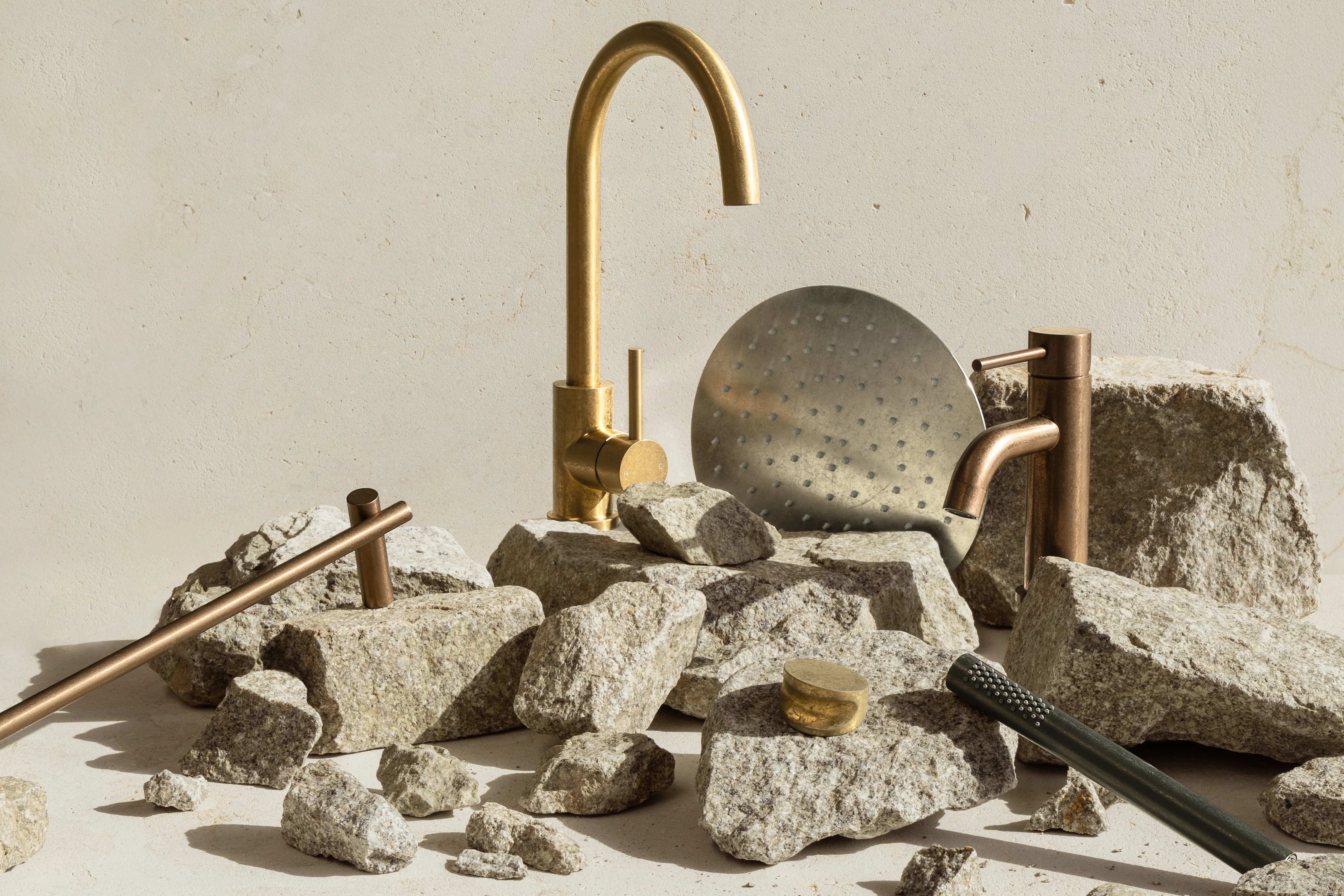
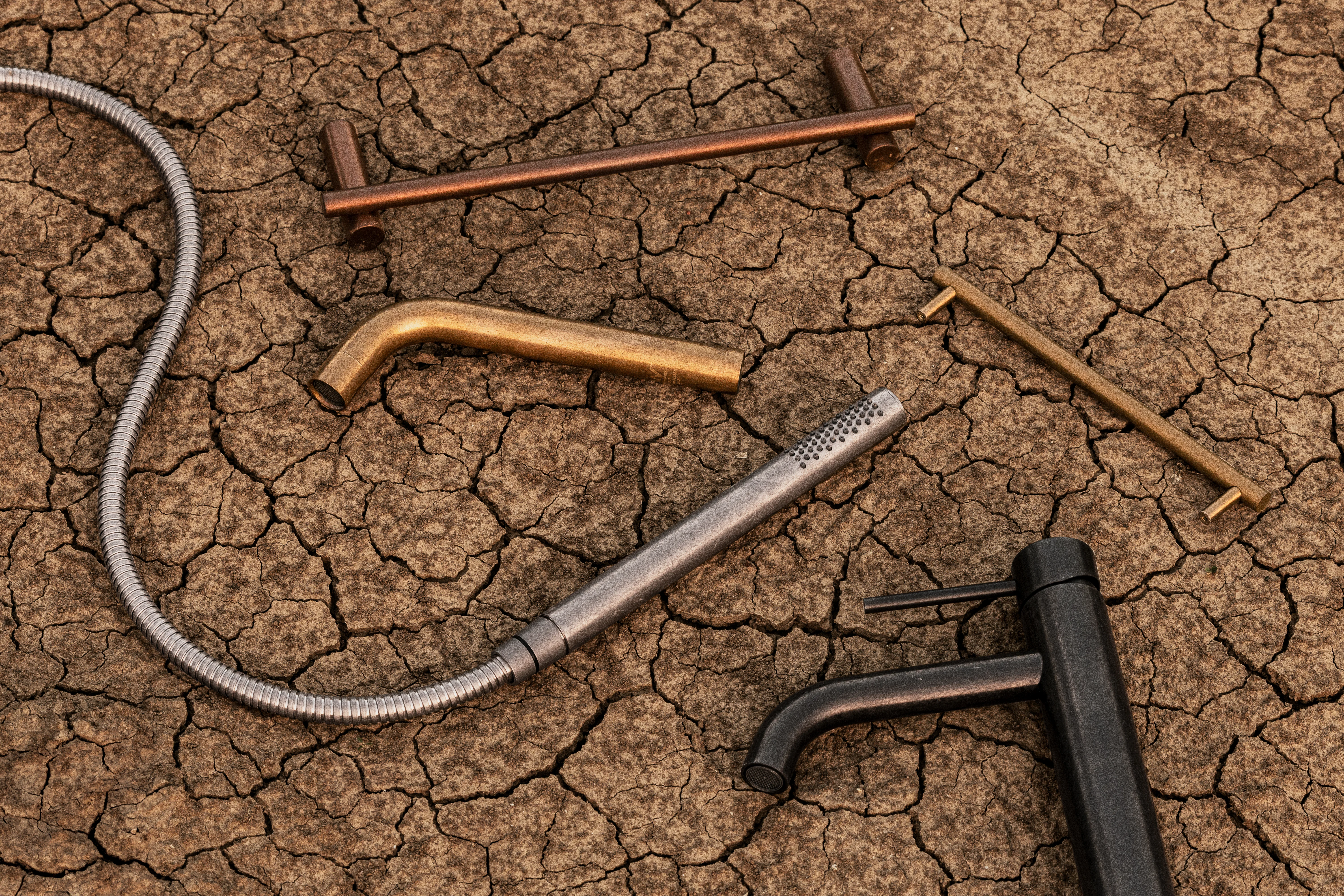
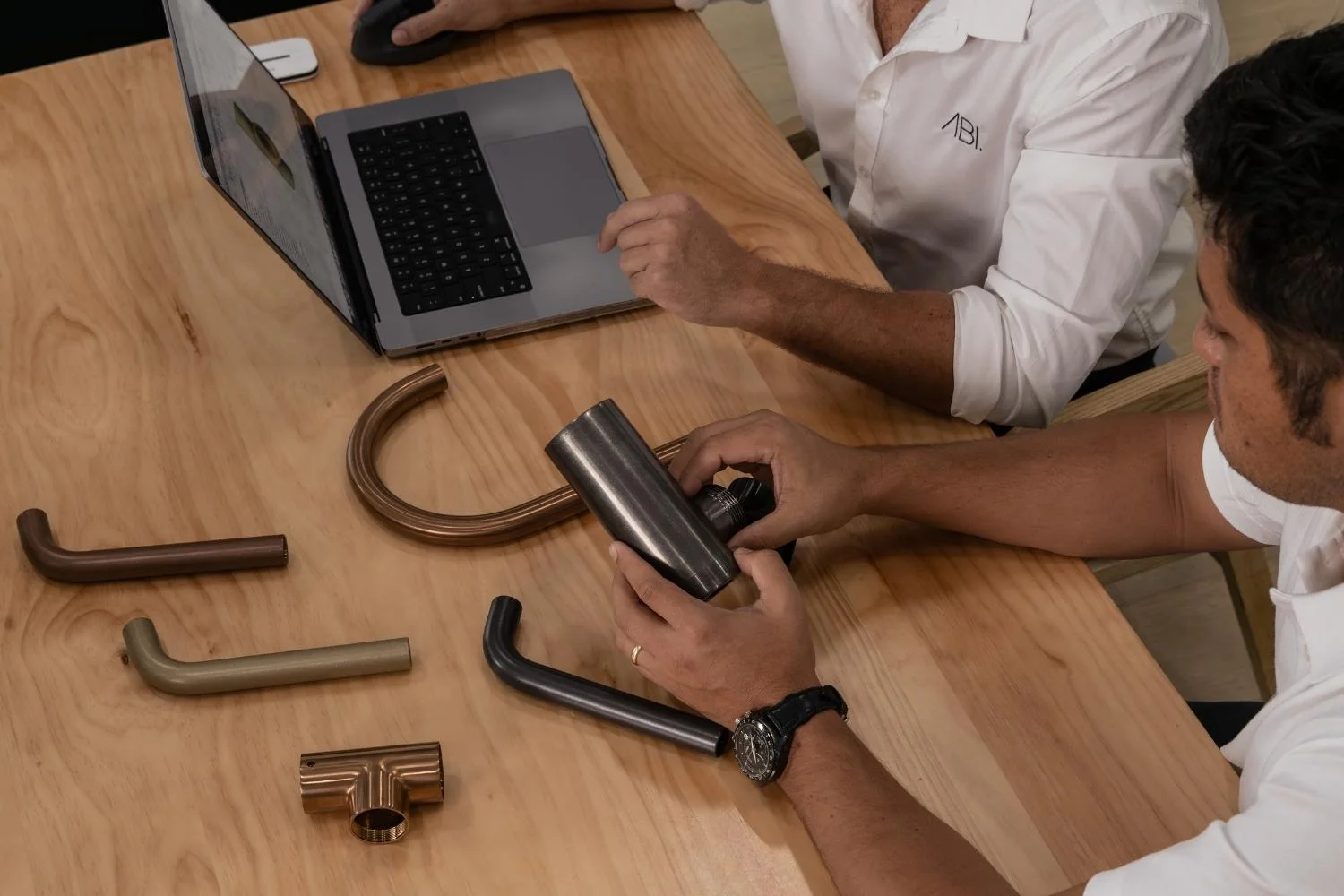
ABI's approach to lead free tapware rests on two materials. Premium 316-grade stainless steel is lead free by nature, requiring no special formulation, while our brass products are now constructed using newly formulated lead free brass alloys.
Every lead free product carries the Lead Free WaterMark mark, alongside the general WaterMark certification our tapware has held for years under AS/NZS 3718:2005. Compliance isn't tested once and forgotten: products undergo initial testing followed by yearly audits to confirm they continue to meet the standard. If you want to verify a specific product yourself, the WaterMark Product Database lets you search by product name for an independent check, rather than relying on a general "WaterMark certified" claim alone.
Our transition to lead free tapware is complete across the range, brass included.
If you’re looking for a lead free product, the Lead Free WaterMark on the product itself is the clearest signal, but you can also browse our dedicated lead free tapware range directly or check the Product Information tab on any product page for the exact material used.
This work sits under ABI's Australian design team, in partnership with our ISO 9001-certified facility in Guangzhou, China, which manages the full journey from concept through to production, inspection and testing.
Is lead free tapware more expensive or of a different quality?
Lead free tapware is commonly made from 316-grade stainless steel or lead free brass alloys, and pricing sits in a similar range to standard brass tapware rather than at a premium. When it comes to lead free vs stainless steel tapware specifically, they're not opposing categories; stainless steel is simply one of the two main routes to a lead free product, alongside newly formulated lead free brass. Stainless steel offers distinct advantages, including strong corrosion resistance, so the shift doesn't mean a trade-off in durability. We have already transitioned to lead free tapware ahead of the national deadline.
What this means for trade and builders
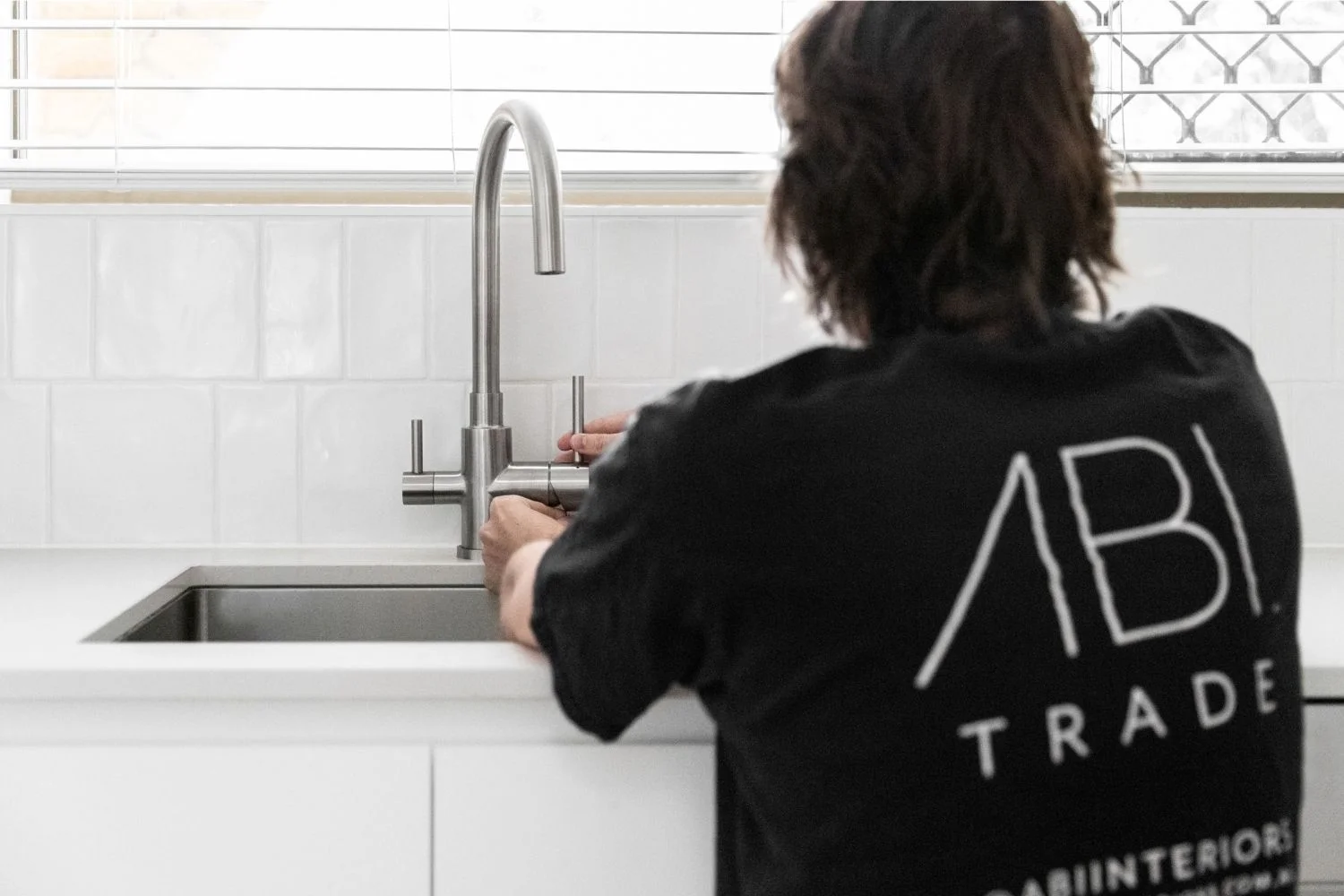
Compliance responsibility sits with the licensed plumbing practitioner carrying out the installation, not just the manufacturer or the person specifying the product. The applicable requirements are determined by the installation date, rather than the date of the building permit or contract. This means a project approved before the relevant deadline will still require compliant products if installation occurs after the applicable state cut-off date. Installing a non-compliant product after the applicable deadline risks the product being deemed non-conforming, which can affect certification, insurance, and the builder's or plumber's own licence.
Renovating right now? Key Considerations:
- Confirm which state your project is in, as the installation deadline varies by state.
- Check your installation date, not your contract or permit date.
- Ask your plumber or supplier to confirm that the WaterMark Lead Free logo appears on any copper alloy tapware, mixers, valves, or fittings.
- Cross-check the product in the WaterMark Product Database for independent confirmation.
- Don't assume existing installed tapware needs replacing; this law applies to new work and therefore isn’t retrospective.
- If you're in Victoria, lead free product has been mandatory for all installations since 1 May 2026. If you're elsewhere in Australia, note the 1 May 2028 deadline, but expect lead free stock to already be the default in most ranges.
FAQs
What is the lead free plumbing law in Australia?
Under Clause A5G4 of NCC 2022 Volume Three, copper alloy plumbing products intended for contact with drinking water must have a weighted average lead content of no more than 0.25%.
When does lead free plumbing start in Australia?
Manufacturing and certification of non-compliant products stopped nationally on 1 May 2026. Installation of existing stock is allowed until the 1 May 2028 deadline in most of Australia, except Victoria, where lead free installation has been mandatory since 1 May 2026.
Is my tapware lead free?
Check for the WaterMark Lead Free logo on the product or packaging, and confirm the licence on the WaterMark Product Database for independent verification.
Does the law apply to showerheads?
No. Showerheads are exempt, along with toilets, irrigation fittings, and firefighting equipment.
What happens if a plumber installs non-compliant products?
The installation can be deemed non-conforming, which may affect certification, insurance, and the installer's licence, depending on the state and circumstances.
Please Note: This article provides general information about the NCC's lead free plumbing requirements and is not legal or plumbing advice. Confirm your project's specific obligations with a licensed plumber.
For more information in this field, explore our Lead Free Tapware range or read more on our Product Quality page.
Alternatively, explore these buying guides:
Bathroom Tapware Guide
Kitchen Tapware Guide
Sources:
- Australian Building Codes Board (ABCB) — NCC Navigator: Lead free plumbing products (Clause A5G4, NCC 2022 Volume Three). https://www.abcb.gov.au/ncc-navigator/lead-free-plumbing-products
- WaterMark Certification Scheme — Lead free plumbing products. https://watermark.abcb.gov.au/plumbers/lead-free-plumbing-products
- Victorian Building Authority — New lead-free plumbing product requirements. https://www.vba.vic.gov.au/plumbing/new-lead-free-plumbing-product-requirements