Our Range





























The Best Mosaic Tiles: A Complete Guide to Choosing the Right Mosaic Tile for Every Space
Few surface materials have a history as long as the mosaic. From the pebble floors of ancient Greece to the glass tesserae of Byzantine churches, people have set small pieces of stone, clay, and glass into patterns for well over two thousand years. While materials and methods have evolved, the best mosaic tiles still draw on this enduring principle, using small-scale pieces to create distinctive patterns, texture, and detail.
What has changed is how they are made and where they can go. Modern porcelain, precise manufacturing and mesh-backed sheets mean mosaics are no longer reserved for decorative borders or a single feature panel. They now line entire shower recesses, run the length of kitchen splashbacks, trace pool waterlines, and wrap around curved walls that larger formats suit less well.
That range is exactly why choosing the best mosaic tiles for a project takes more thought than picking a colour. Material, finish, format and grout all shape how a mosaic performs. The right choice for a shower floor is rarely the right choice for a pool or a splashback. In this guide, we draw on our experience specifying tiles for bathrooms, kitchens, laundries, pools and outdoor spaces. We walk through the materials, mosaic tile designs and applications worth understanding, so you can choose with confidence.
What Are Mosaic Tiles?
A mosaic tile is a small-format tile. It is usually supplied as a group of individual pieces, often called chips or tesserae, mounted together on a sheet. Most sheets use a mesh or paper backing and measure roughly 300 x 300mm. This lets an installer lay dozens of pieces in one movement while keeping the spacing consistent. Individual pieces are commonly 50mm or smaller. Squares are the most familiar shape, alongside hexagons, penny rounds, rectangles and slim finger formats.
Mosaics are made from most of the materials used for standard tiles, including natural stone, porcelain, ceramic and glass. Some ranges blend more than one.
The smaller format is where most of their practical value lies:
- Curves and complex forms. Mosaics follow curved walls, columns, niches and bullnose edges without the extensive cutting a larger tile may require.
- Added grip. On a floor, the extra grout joints can provide additional traction, although this benefit depends on the tile itself being suitable for wet areas.
- Shower falls. Small pieces follow the gradient towards a floor waste smoothly, where large tiles would need multiple cuts.
- Pattern and detail. The smaller format allows for colour blends, borders and intricate patterns that are difficult to achieve with larger tiles.
The Different Types of Mosaic Tiles
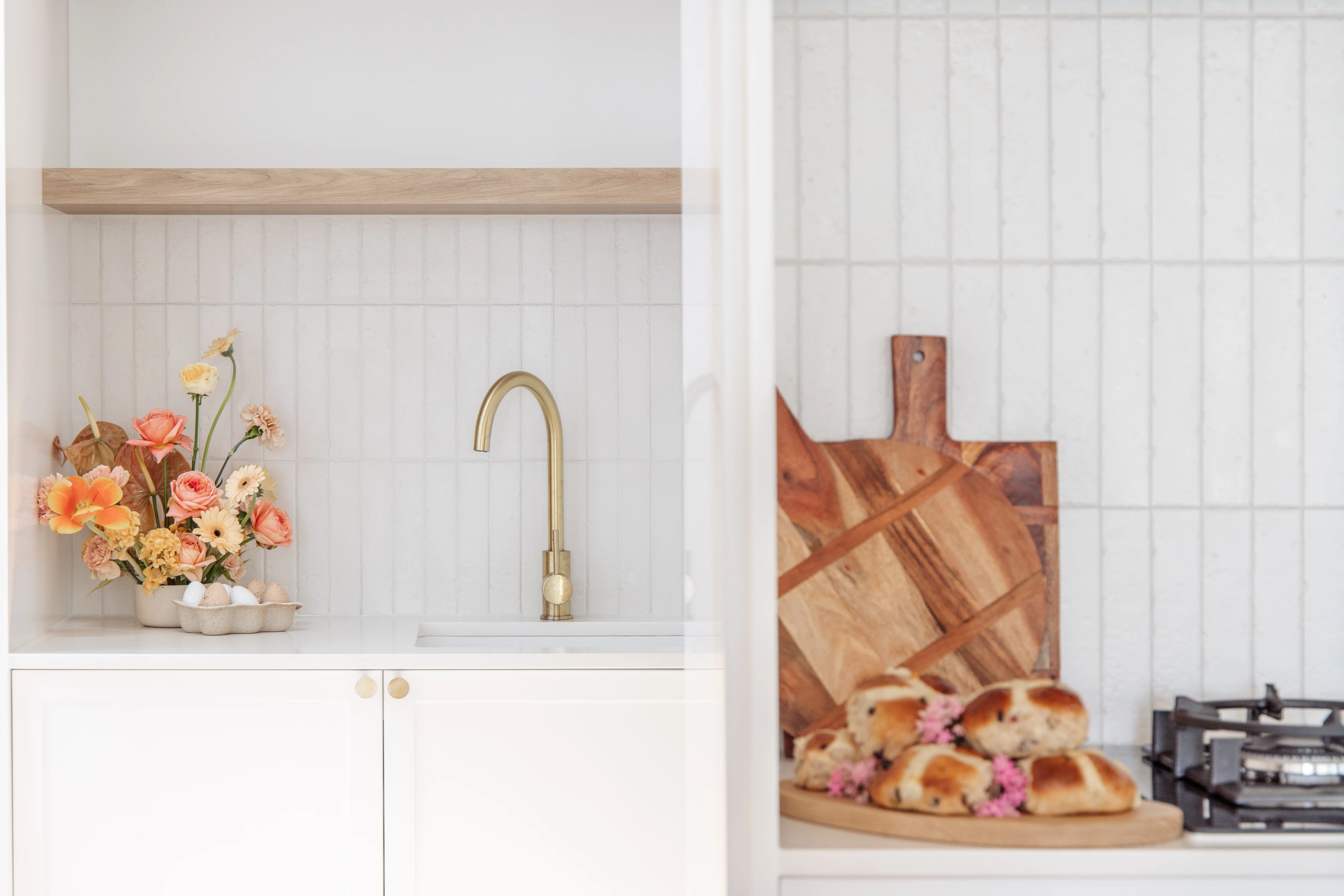
Each material behaves differently once it is on a wall or floor. Understanding those differences is the first step towards choosing the best mosaic tile for a given space.
Stone Mosaic Tiles
Stone mosaic tiles are cut from natural materials such as marble, travertine, limestone and granite. No two pieces are identical, so a stone mosaic has natural variation in veining and tone that manufactured tiles can only approximate. Honed and tumbled finishes give a soft, tactile surface. Polished finishes bring out depth of colour.
The trade-off is porosity. Most natural stone needs sealing to resist staining and moisture, and resealing over time. Calcium-based stones such as marble, limestone and travertine can also etch when exposed to acids, including some household cleaners. Stone mosaics perform beautifully on bathroom feature walls, vanity splashbacks and niches. They can also suit floors when the stone and finish are appropriate for the setting and properly sealed.
Porcelain Mosaic Tiles
Porcelain is fired at extremely high temperatures from dense, refined clay, giving it very low water absorption and strong resistance to staining and wear. For most homes, it's the all-rounder, suited to bathroom walls, splashbacks and outdoor walls. Porcelain tiles’ low porosity also means minimal upkeep beyond sealing the grout, making porcelain mosaics a practical choice for busy family bathrooms and kitchens.
Ceramic Mosaic Tiles
Ceramic tiles have a softer, more porous body than porcelain and are usually glazed. That glaze opens up an enormous range of colours and surface effects, from glossy, handmade-look finishes to soft matte glazes. Ceramic mosaics are best suited to interior walls, such as splashbacks, powder rooms and bathroom walls. They are generally less suited to high-traffic floors or exposed outdoor settings.
Glass Mosaic Tiles
Glass is non-porous, colourfast and reflective, which is why it has long been a staple of pool interiors and waterlines. Indoors, glass mosaics bring luminosity to splashbacks and shower walls, catching light in a way opaque tiles cannot. Underfoot, glass can be slippery unless the tile is made and rated for floor use. Because many glass mosaics are translucent, they also need a white adhesive recommended by the manufacturer, so trowel lines don't show through the surface.
How to Choose the Best Mosaic Tiles for Every Room
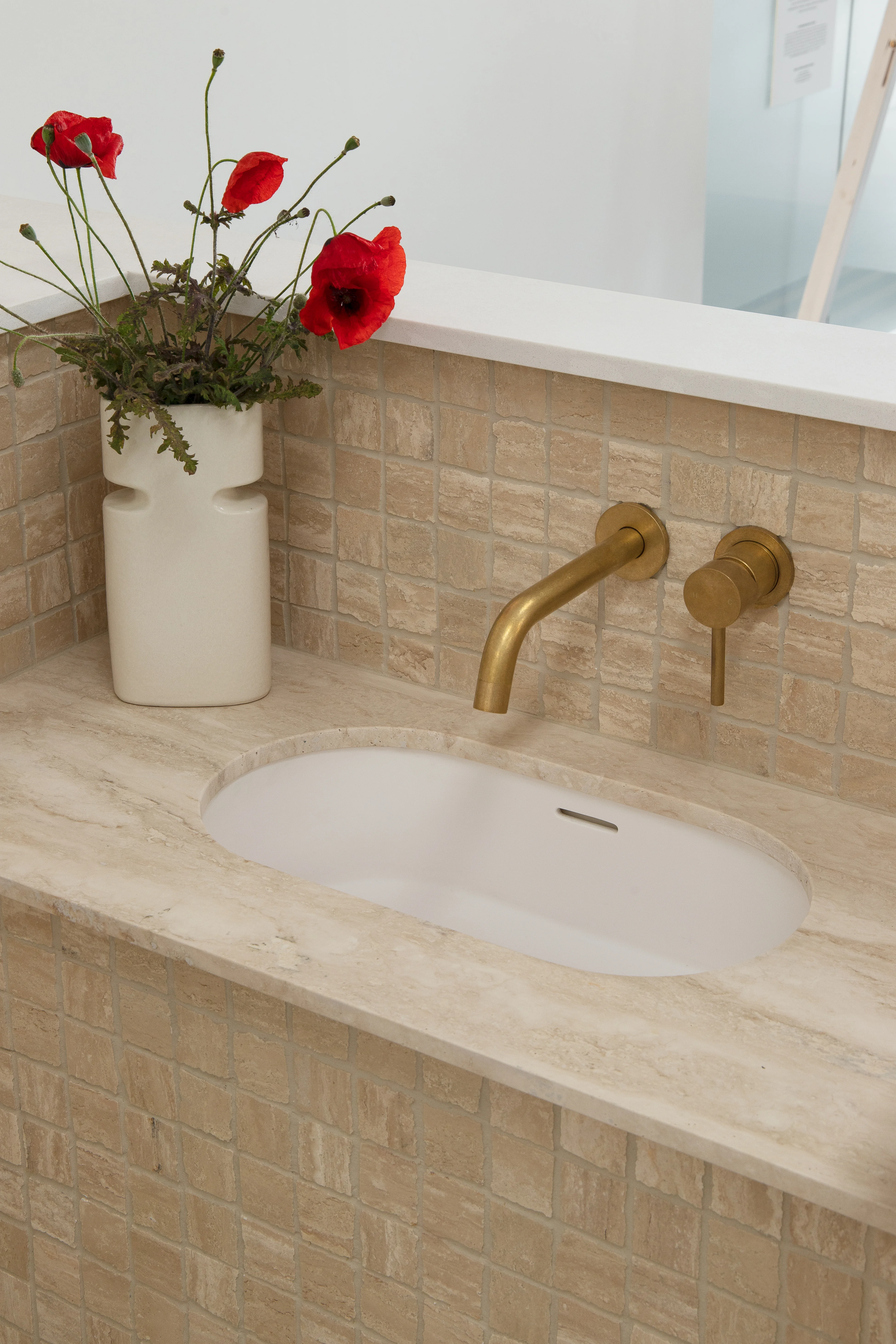
The most useful rule we can offer is to choose for the application first and the aesthetic second. A mosaic that looks perfect on a sample board can fail quickly if its material or finish isn't suited to where it ends up.
Bathroom Mosaic Tiles
The bathroom is where mosaics do their most varied work. The best bathroom mosaic tile for one surface is often not the best for another.
- Shower walls: porcelain, glass and sealed stone all perform well. Consider how much grout you are happy to maintain in a constantly wet zone.
- Feature walls: colour, texture and pattern can take the lead, since the wall won't face the same wear as a floor.
- Shower niches: a mosaic lets you wrap the back and returns of a niche neatly, often in a contrasting tone to the surrounding wall.
- Vanity splashbacks: these are a good place for a more decorative stone or glass mosaic, as the area is small and easy to wipe down.
- Shower floors: these need the most careful specification. The best mosaic tile for shower floor use combines three things: a finish with an appropriate slip resistance rating, low water absorption, and a format small enough to follow the falls to the waste.
In Australia, slip resistance is classified under AS 4586. Check the rating of any tile intended for a wet floor with your supplier or tiler, rather than assuming every mosaic is suitable. Some bathroom mosaic tiles, including our own Atami range, are designed for walls only. We would pair a wall mosaic like this with a separate floor-rated tile in the shower recess.
Kitchen Splashbacks
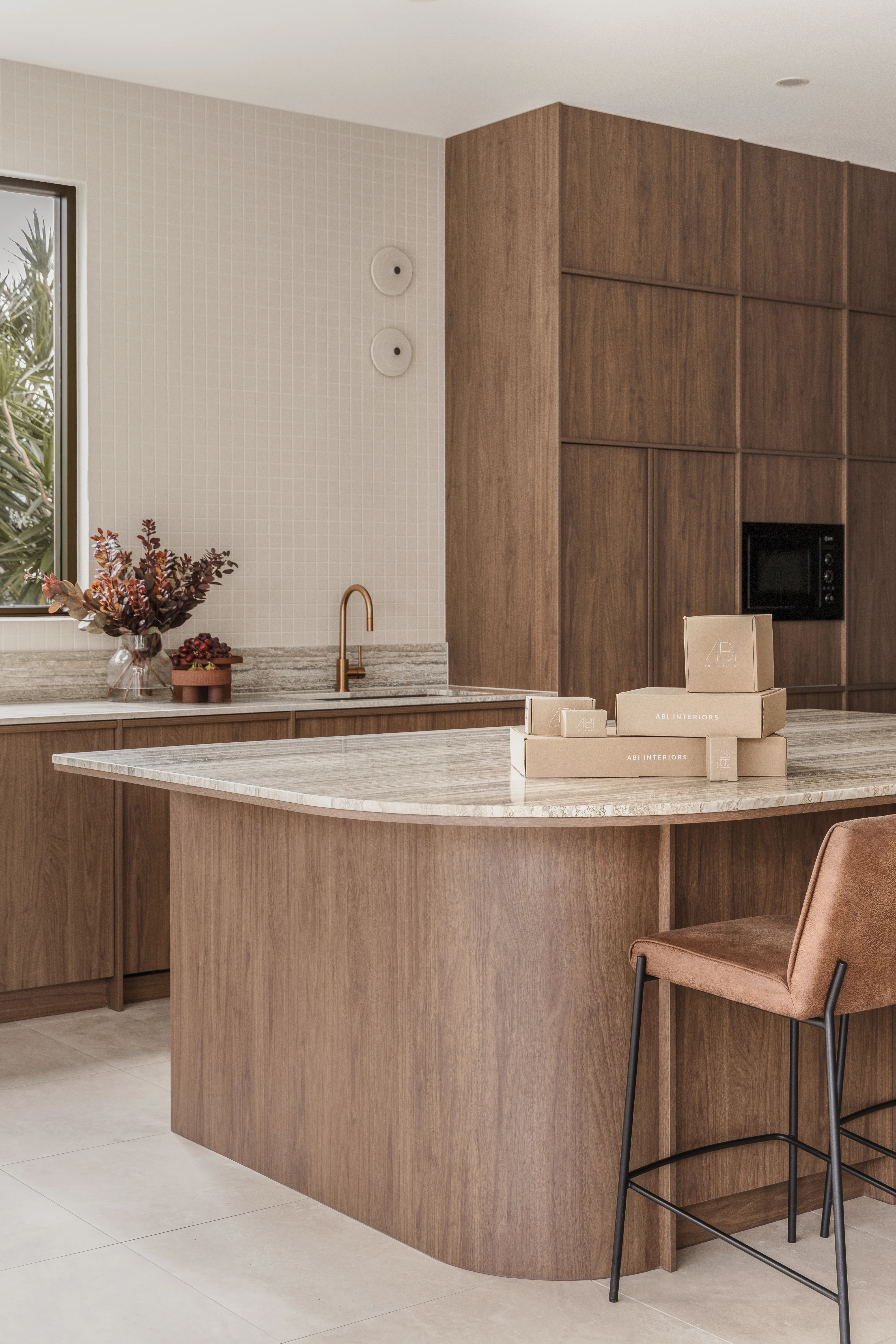
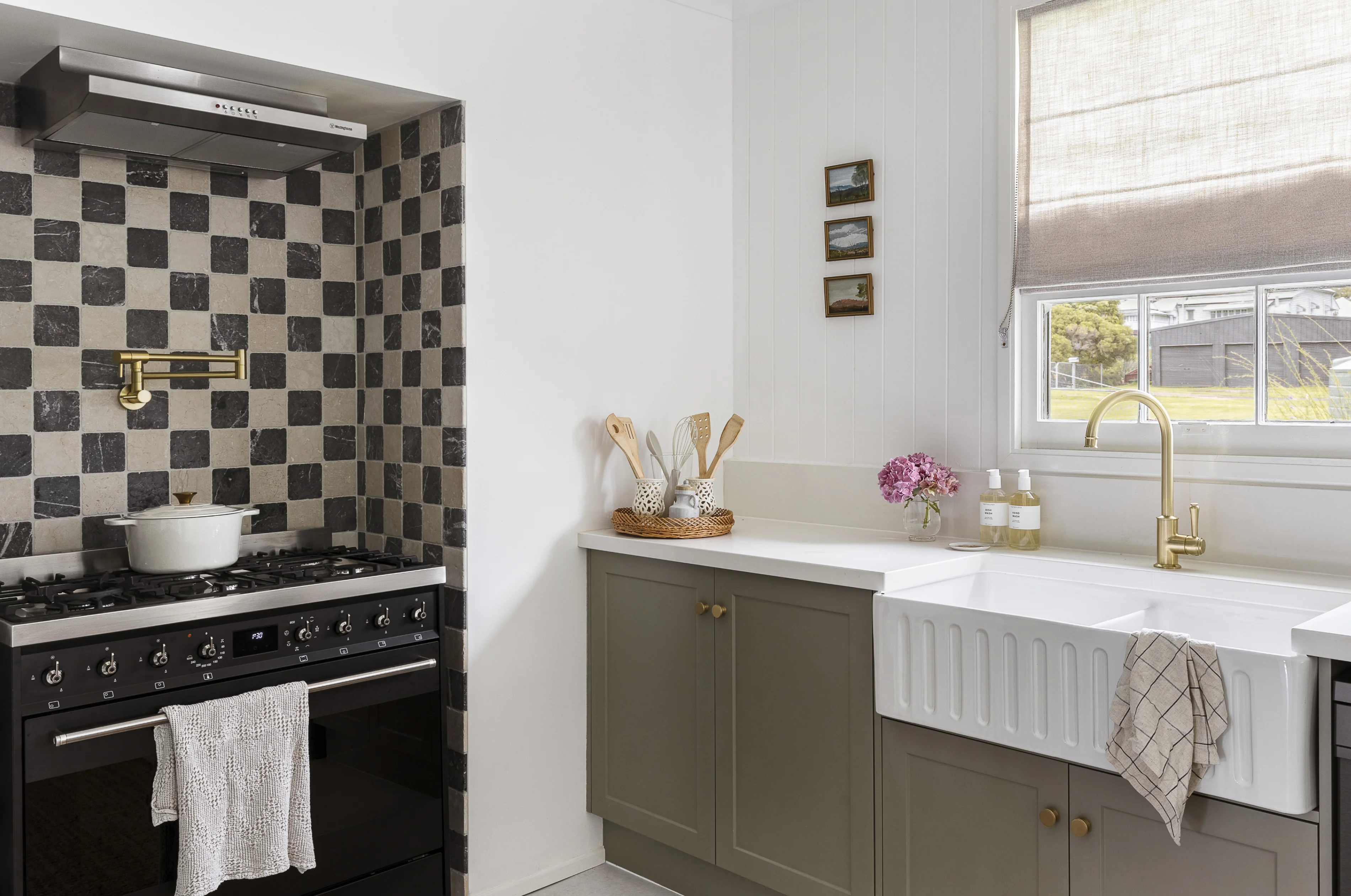
Mosaic tiles make a kitchen splashback feel considered and detailed, but they need to handle grease, steam and daily splatter. Cleaning is the main consideration. Every grout line is another surface for residue to settle into, so the tile and the grout need to work together.
We recommend glazed porcelain or glass for most mosaic tiles kitchen splashback applications, since both wipe clean with mild detergent. For grout, an epoxy or high-performance, stain-resistant grout is well worth considering behind cooktops and sinks, where standard cement-based grout is more likely to discolour. A mid-tone grout will also disguise everyday marks better than bright white. If the splashback sits behind a gas cooktop, check the manufacturer's clearance requirements before finalising the layout.
The same thinking applies to laundry splashbacks, where water and detergents make a durable, easy-clean mosaic a practical choice.
Pool Areas
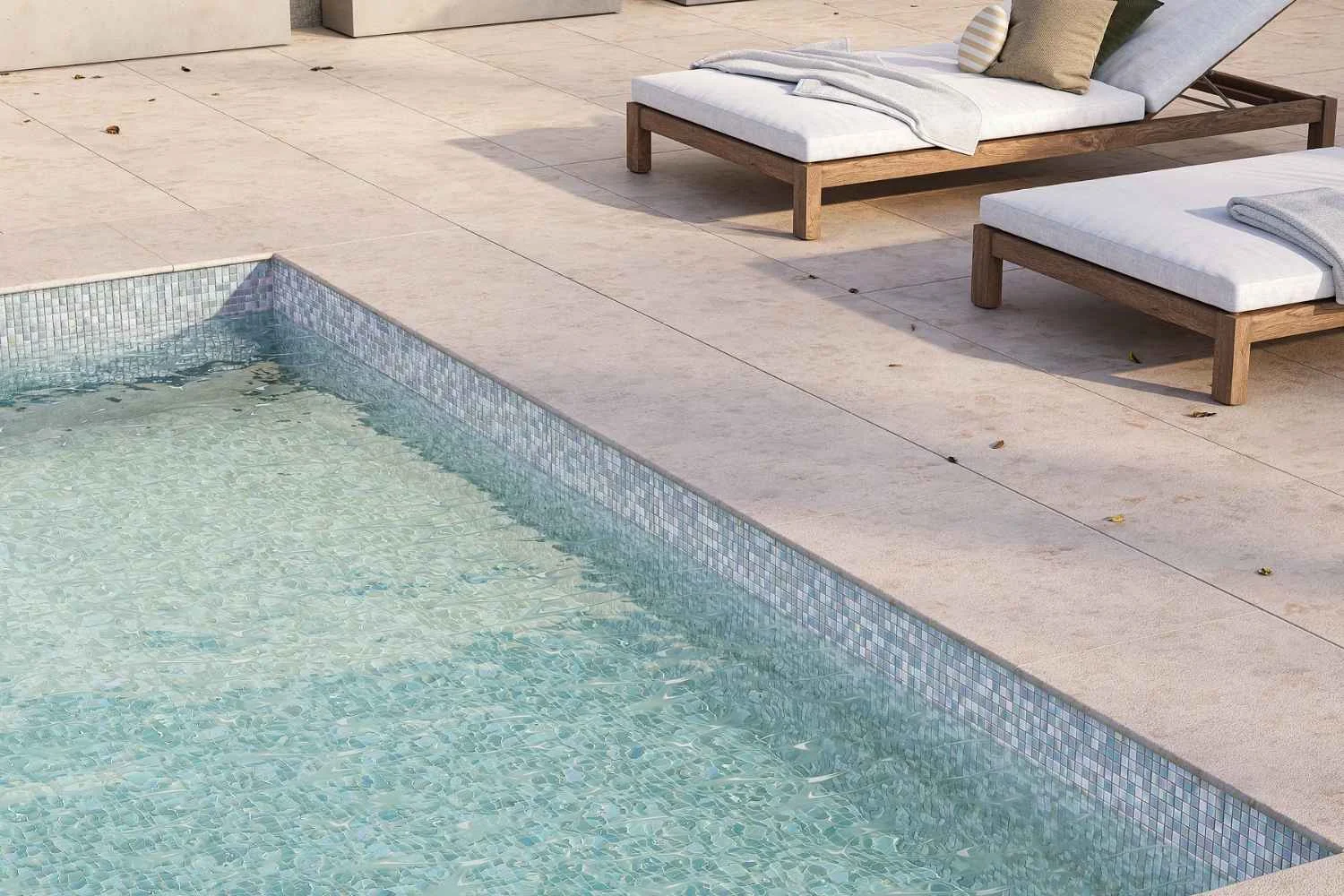
Mosaic pool tiles are one of the oldest applications for the format, and still one of the most effective. Glass and porcelain mosaics are the usual choices, thanks to their low absorption and resistance to pool chemicals and UV.
Waterline applications. A band of mosaic along the waterline adds a finished edge to the pool and gives you a hard, cleanable surface where oils and sunscreen tend to collect.
Durability. Some pools are fully lined in mosaic, which creates depth and a shimmering colour through the water. In either case, durability depends as much on installation as on the tile. Specify adhesives and grouts rated for permanent immersion, and confirm that the tile itself is approved for pool use. Around the pool concourse, choose floor tiles with a slip resistance rating suited to wet, barefoot areas.
Outdoor Spaces
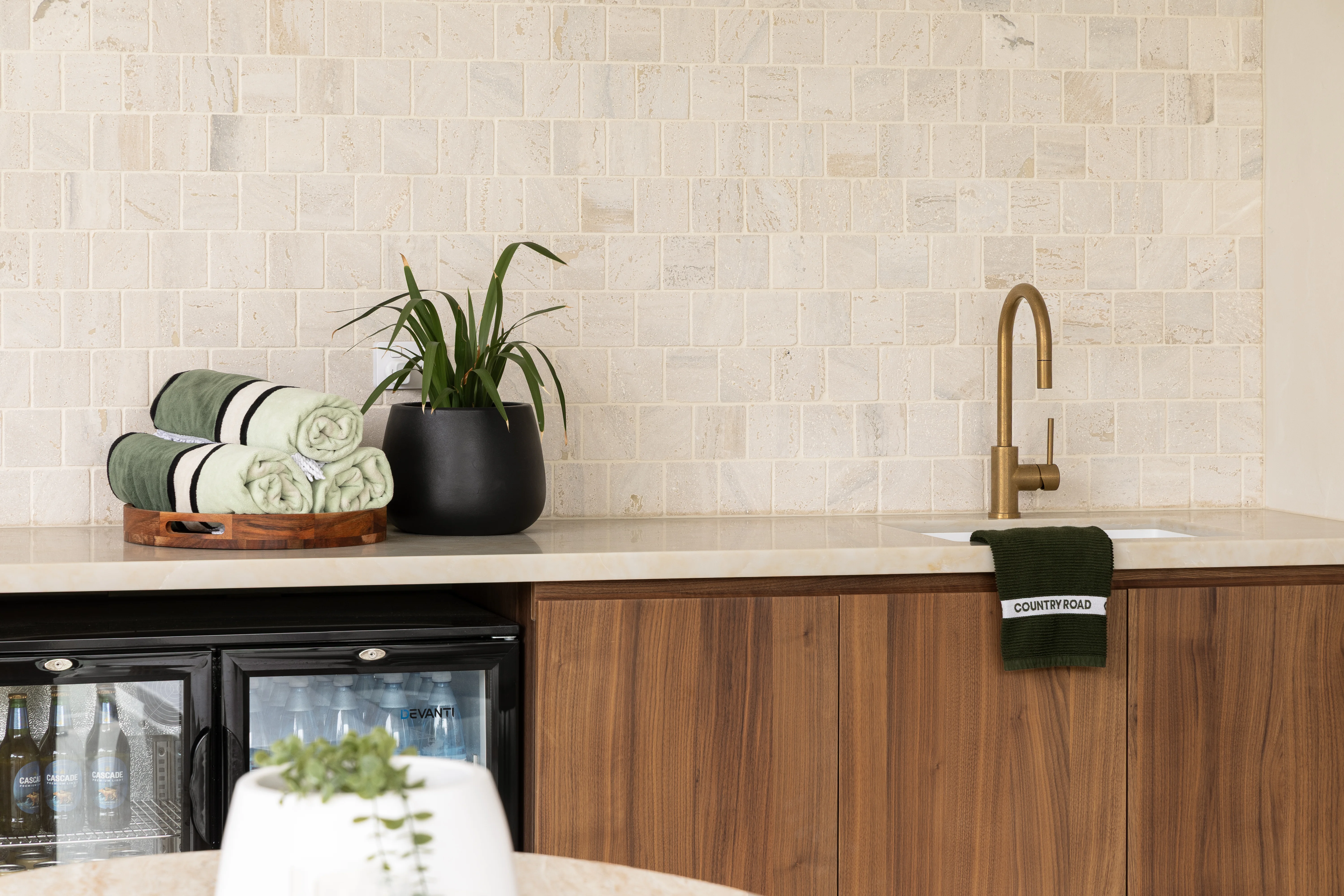
Mosaic tiles as outdoor tiles must stand up to sun, rain and temperature changes.
Weather suitability. Porcelain is generally the most dependable choice, because its low absorption helps it resist moisture damage and its colour holds up well under UV. Natural stone can work outdoors when correctly sealed. Ceramic is usually better kept indoors.
Slip resistance. On outdoor floors, a surface that gets wet from rain or hoses needs a higher slip resistance rating than an interior floor. Check this carefully for entries, alfresco areas and anywhere near a pool.
Outdoor walls are an easier starting point. Our Atami Collection is suitable for indoor and outdoor walls, which makes them an option for an outdoor kitchen splashback or a courtyard feature wall.
Choosing the Right Mosaic Tile Design
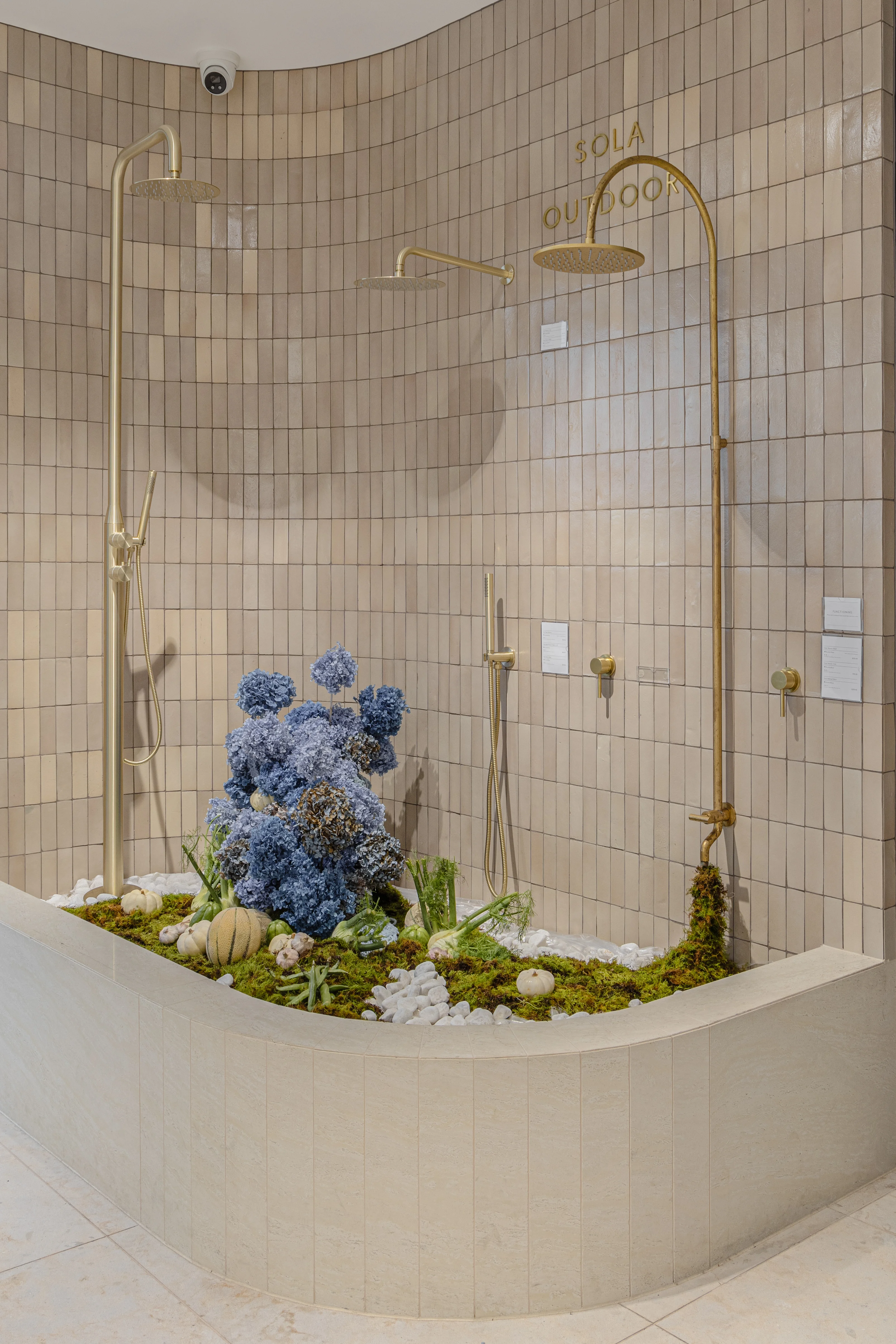
Once the material suits the space, design decisions come into play. Format, pattern and grout colour change the character of a mosaic more than most people expect.
Square mosaic tiles. These are the most versatile format. Laid in a stacked grid, square mosaic tiles read as clean and architectural, which suits contemporary bathrooms and kitchens. A square mosaic tile can also be offset or turned diagonally for a subtler rhythm.
Small mosaic tiles. These create more detail and texture, since the grout grid becomes part of the design. Beyond squares, popular mosaic tile patterns include herringbone and chevron in finger formats, hexagons, penny rounds and offset layouts.
Scale. This is worth testing before committing. In a small powder room, small mosaic tiles can add texture without overwhelming the space, provided the palette is restrained. On a long wall or a large floor, a slightly larger module can keep the surface calm.
Colour variation. This ranges from uniform single colours to blends that mix several tones on one sheet. Blends suit relaxed or heritage-inspired interiors. Single colours tend to look more tailored.
Grout colour. This may be the most influential decision of all. A grout that matches the tile gives a near-monolithic surface where texture comes through rather than pattern. A contrasting grout emphasises the grid and makes the layout itself a feature. On floors, a mid or darker grout will hide wear better over time.
Finally, good mosaic tiling depends on preparation. Small pieces reveal every undulation in the surface beneath, so a flat, properly prepared substrate matters more with mosaics than with almost any other tile.
Colour Trends in Mosaic Tiles
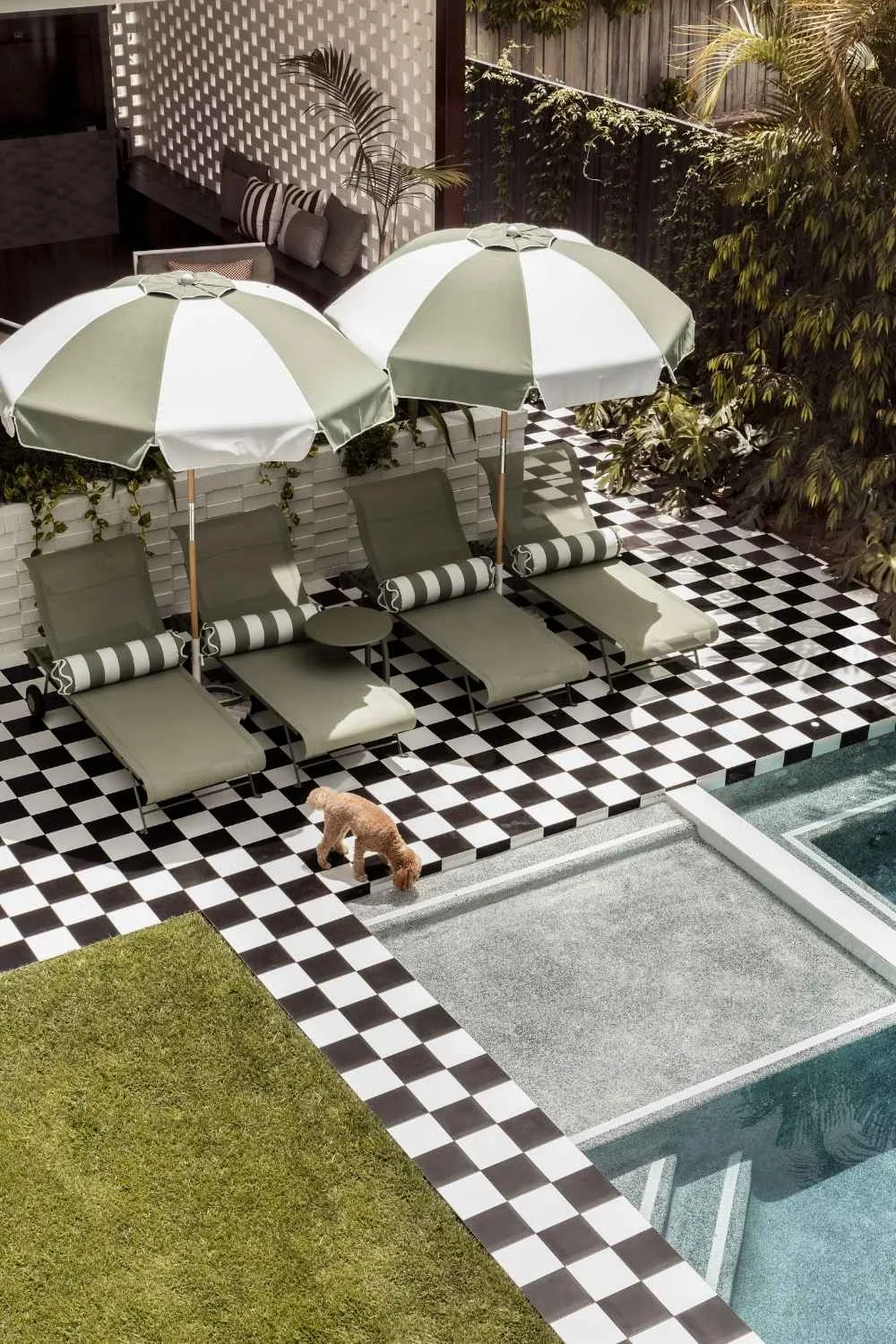
Colour affects how light moves through a room and how large or intimate it feels, and mosaics amplify this because of their surface detail.
White mosaic tiles. These remain the most enduring choice. They reflect light, help compact bathrooms feel more open, and pair easily with any tapware finish. A white mosaic tile with a matching grout reads as quietly textured. With a grey grout, the grid becomes a graphic element.
Green mosaic tiles. These have become one of the most sought-after colours, from pale sage to deep olive. Green sits comfortably alongside timber, stone and plants, which is part of why it works so well in bathrooms designed to feel restful. A single green mosaic tile colour across a feature wall can shift the tone of an entire room.
Blue mosaic tiles. These carry an obvious association with water, making them a natural fit for pools, coastal homes and ensuites. Paler blues keep a room airy. Deeper navy and teal add depth and a sense of enclosure.
Grey mosaic tiles. These are a flexible neutral. Warm greys pair well with brushed brass and timber, while cooler greys suit chrome, concrete and minimal schemes.
As a general principle, lighter colours and tone-on-tone grout make a space feel larger and brighter. Darker colours and contrasting grout draw walls in and add intimacy. Neither is right or wrong; it depends on the effect you want.
Are Mosaic Tiles Suitable for Floors?
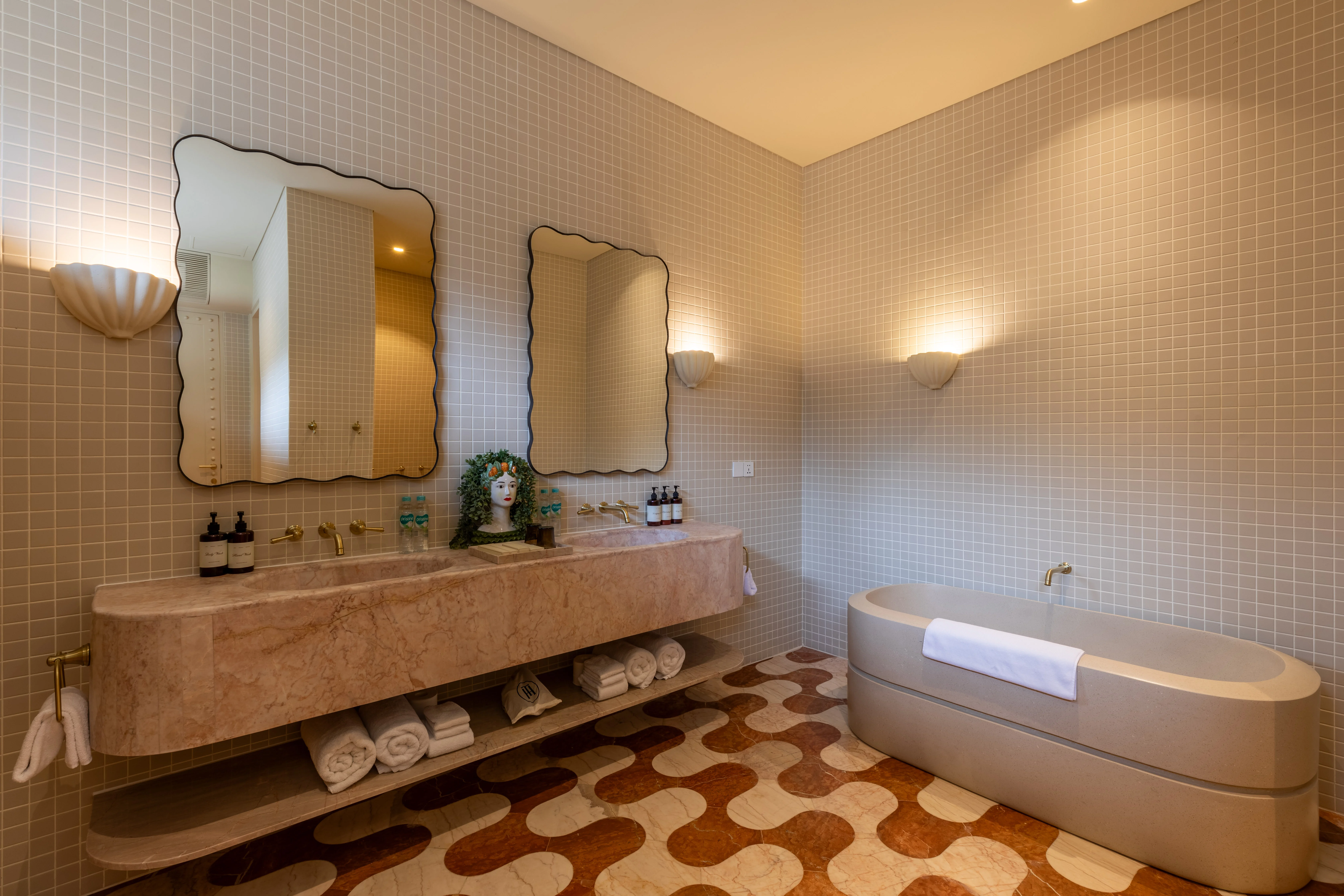
Yes, provided the tile is made and rated for floor use. This is one of the most common specification mistakes we see. A mosaic floor tile needs the right material, finish and slip resistance for its setting, and many decorative mosaics are designed for walls only.
Where they are suitable, mosaics have real advantages on floors:
- Grip and drainage. The grout joints add grip, and the small format lets the floor follow the falls to a waste, so water drains efficiently.
- Slip resistance. This still needs checking for the specific tile, particularly in showers and outdoor areas.
- Maintenance. This is the trade-off, as more grout joints mean more surface to keep clean. A quality grout, correctly sealed where required, makes a significant difference over the life of the floor.
Caring for Mosaic Tiles
Routine cleaning. Mosaics are straightforward to look after with the right habits. For most porcelain, ceramic, handmade clay and glass mosaics, regular cleaning with a mild pH-neutral detergent and warm water is enough, followed by a rinse with clean water to remove any cleaner residue from the grout lines. A soft-bristled brush helps lift grime from the joints, and an occasional deeper clean will keep ingrained dirt from building up.
Grout maintenance. Keep an eye on grout, particularly in showers. Cement-based grout benefits from sealing and periodic resealing, while epoxy grout generally does not need it.
Sealing (where applicable). Natural stone mosaics need sealing after installation and resealing over time. Glazed porcelain typically does not.
Avoiding harsh chemicals. Bleach, acidic and abrasive cleaners can damage grout, etch stone and dull some glazes, so check the manufacturer's care guidance before using anything stronger than a neutral cleaner.
Maintaining long-term appearance. Good ventilation in bathrooms, prompt attention to stains, and repairing damaged grout early will keep a mosaic looking as intended for many years.
Contemporary Mosaic Tile Ideas
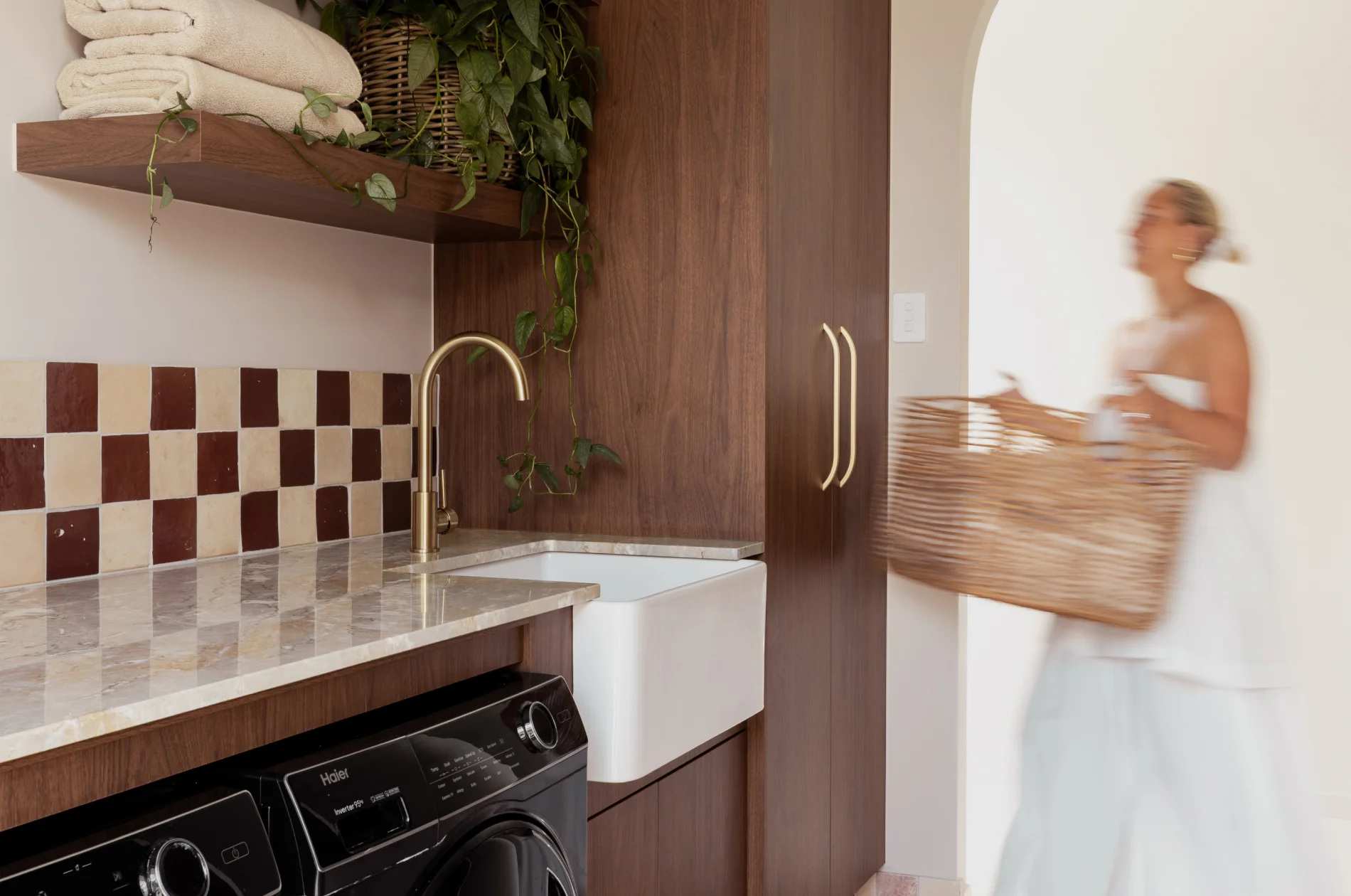
Contemporary design has moved away from high-gloss uniformity towards surfaces with texture, warmth and a sense of material honesty. Mosaics suit that shift well.
Textured mosaics. Texture doesn't have to mean a heavily relief-patterned surface. It can come from the grid itself, from the subtle shadow at each joint, or from a matte finish that softens how light falls across a wall.
Contemporary colour palettes. Palettes are drifting towards earthy, mineral colours: soft neutrals, muted greens and warm clay tones. These shades feel grounded rather than fashionable.
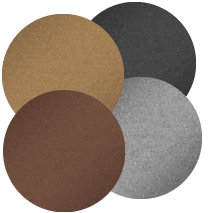
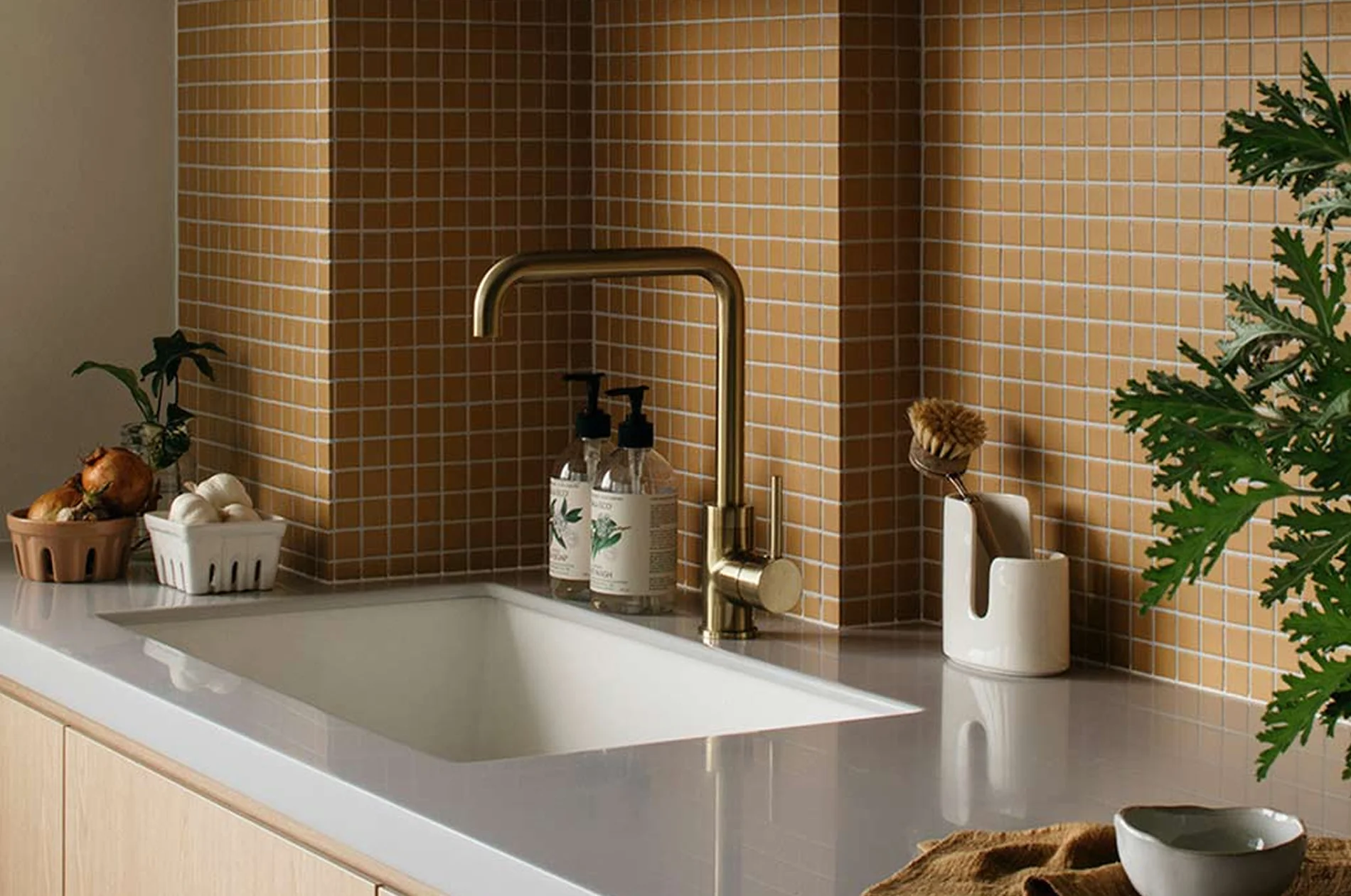
Our Atami Collection is a good example of this direction. Its porcelain mosaics have a matte finish and cushion edges, meaning each piece has softly rounded edges. Across a mesh-mounted sheet, this creates a gentle rhythm of light and shadow, even on a smooth surface. The range comes in Small Square and Large Square formats and in colours drawn from that same earthy palette, including Oat, Oyster Grey, Sage Green, Olive Green, Terracotta, Chocolate and Peach.
Layering with natural stone. A matte porcelain mosaic on a shower wall can sit alongside a travertine or marble vanity top, letting the stone provide variation while the mosaic provides order.
Combining mosaics with large format tiles. This is one of the most effective contemporary approaches. Large format tiles keep grout to a minimum across the main floor, while a mosaic is used where it performs or reads best: a feature wall, a niche or a splashback.
Modern bathroom and kitchen applications. In bathrooms, a single mosaic colour taken from floor to ceiling on one wall creates a focal point without clutter. In kitchens, a mosaic splashback in a colour that echoes the cabinetry or benchtop ties the scheme together.
FAQs
Which mosaic tile is easiest to clean?
Glazed porcelain and glass mosaics are the easiest to keep clean, as glass is non-porous and porcelain has very low water absorption, so both resist staining. Pairing them with an epoxy or stain-resistant grout reduces maintenance further.
Are mosaic tiles still in style?
Yes. Mosaics have remained in use for thousands of years because they adapt to changing tastes. Today's focus on texture, natural materials and earthy colour has made them especially relevant in contemporary homes.
What grout colour works best with mosaic tiles?
It depends on the effect you want. A matching grout creates a seamless, textural surface, while a contrasting grout highlights the pattern. For floors and splashbacks, a mid-tone grout is the most forgiving day-to-day.
Choosing the Best Mosaic Tiles for Your Home
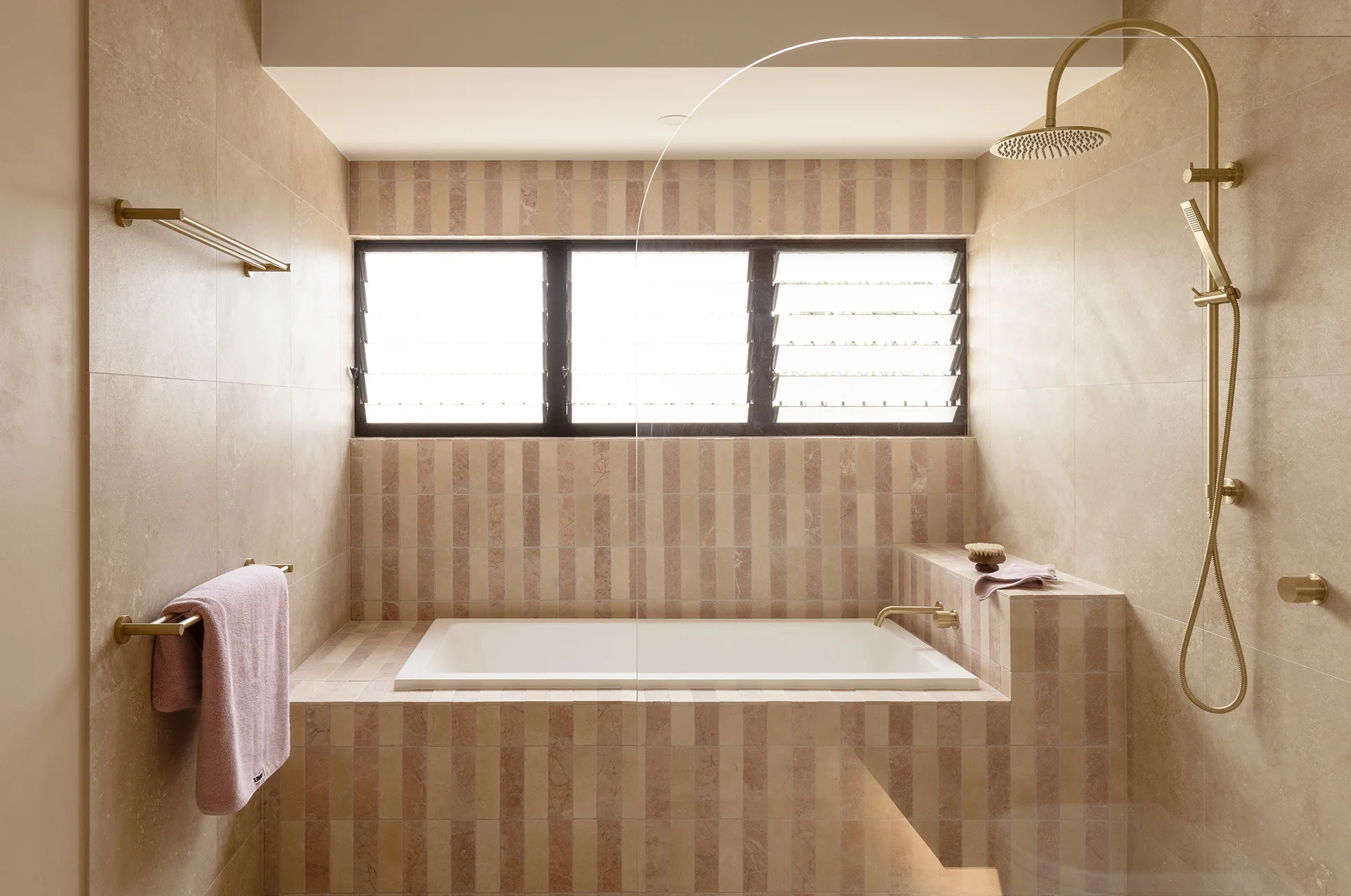
The best mosaic tiles are not simply the most beautiful ones on the sample board. They are the ones chosen to suit the space they will live in, with the right material, finish, format and grout for the job. A glass mosaic that glows along a pool waterline, a slip-rated porcelain that follows the falls of a shower floor, a matte wall mosaic that brings quiet texture to a splashback: each works because it was specified for its purpose.
Whether used in bathrooms, kitchens, pools or outdoor areas, thoughtfully specified mosaic tiles offer a combination of practicality, craftsmanship and architectural character that few other surfaces can match.
For further inspiration, read our blogs:
Defining Your Space with Mosaic Bathroom Tiles
Tile Slip Ratings Explained