Our Range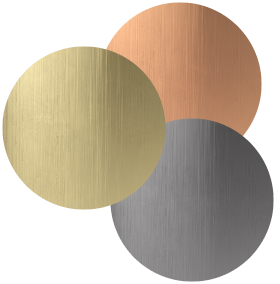























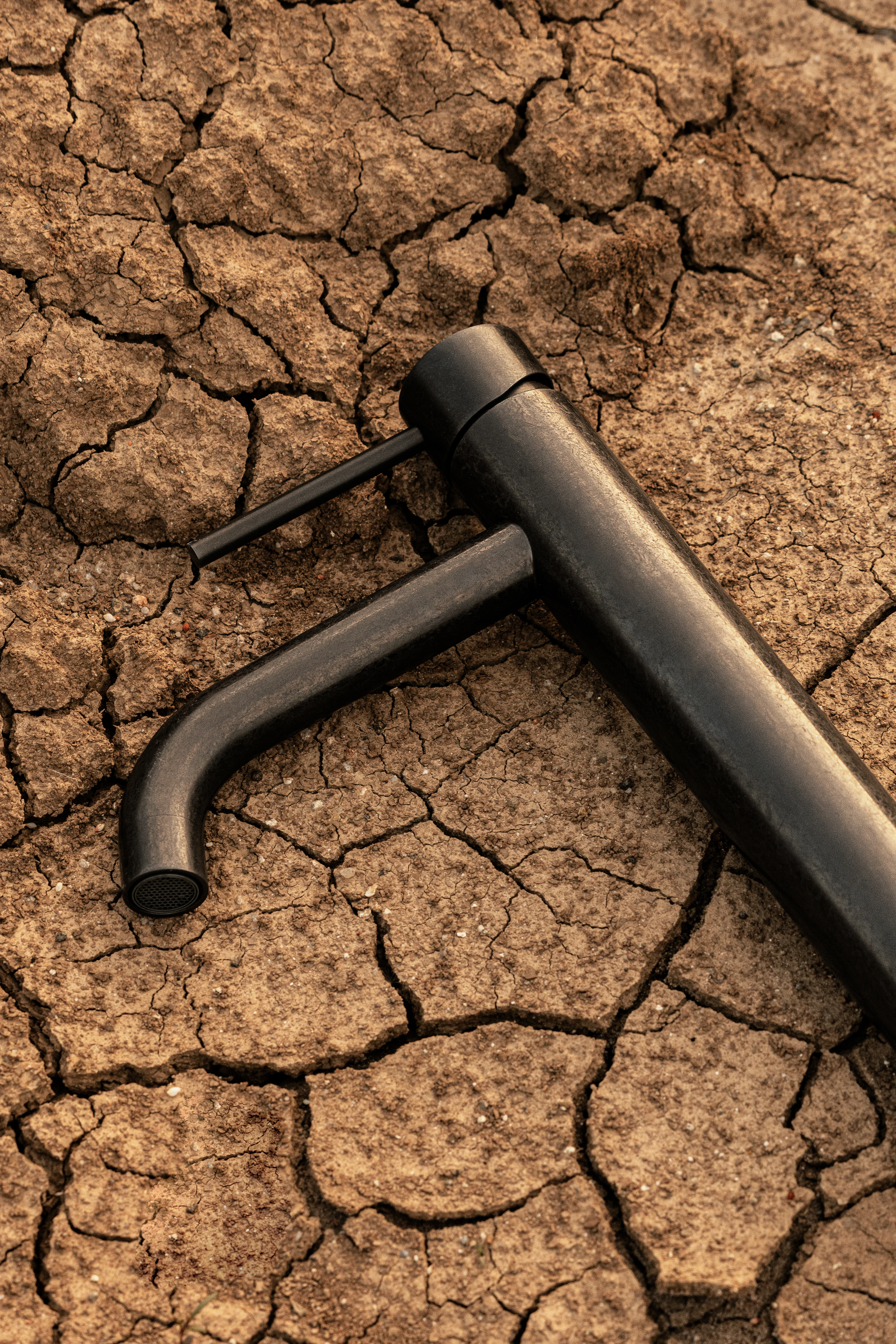
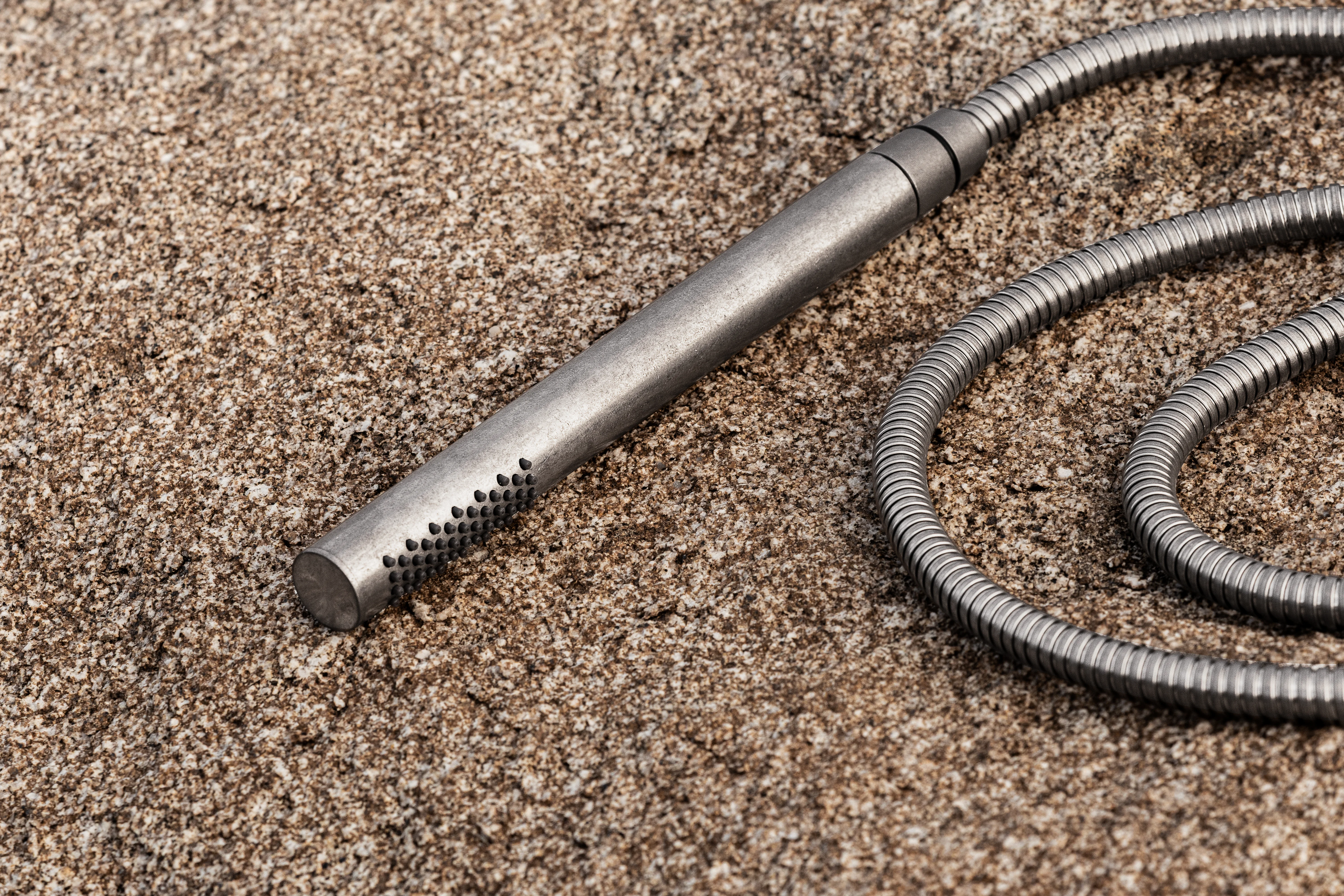





PVD Innovation
PVD: Quality Under Our Control
Our in-house Physical Vapour Deposition process gives us greater control at every stage, from production to performance.
What Is PVD?
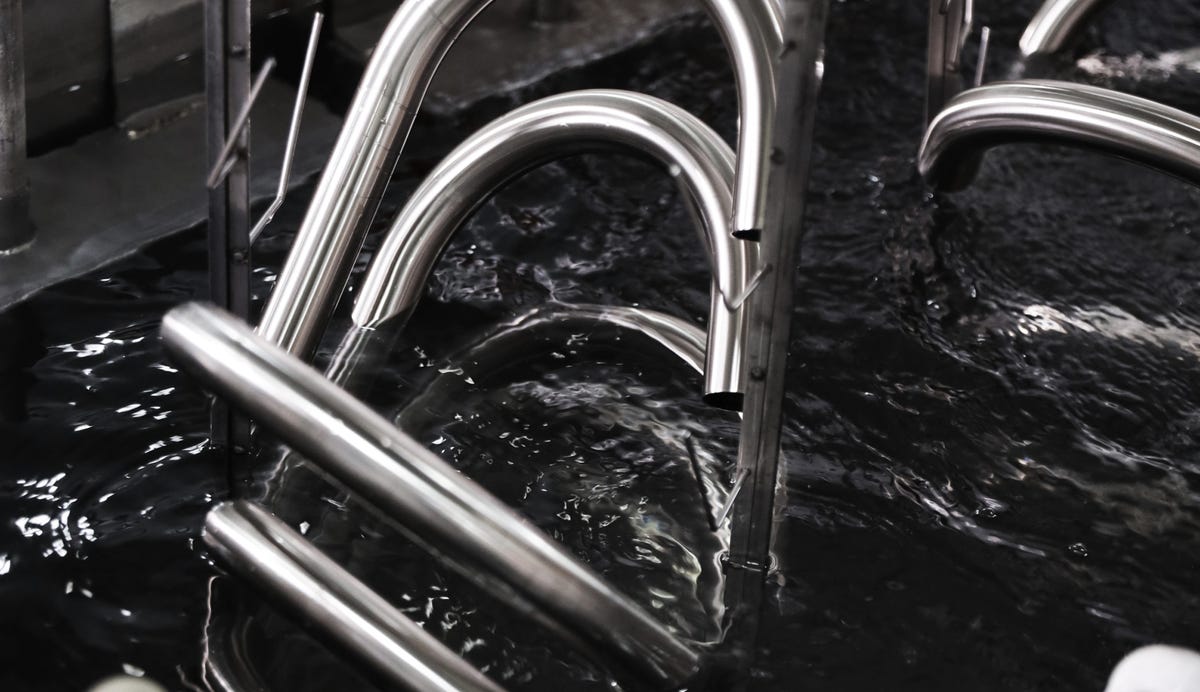
PVD (Physical Vapour Deposition) is the process behind most of ABI’s finishes. In a vacuum chamber, the coating material is vaporised and deposited onto the product, forming a thin, hard layer that bonds to the surface of the brass or stainless steel beneath.
We use PVD because it resists tarnishing, corrosion and everyday wear far better than standard electroplated or powder-coated finishes, so colour holds up in high-use bathrooms and kitchens.
Bonded at a Molecular Level
Inside the chamber, the coating material is vaporised and deposited onto the product, forming a thin, hard layer that bonds to the metal beneath rather than sitting on top of it. The result is a durable surface with strong resistance to corrosion, abrasion, and everyday wear.
- 01PVD finishA thin, hard layer of colour, fused to the metal.
- 02Molecular bondThe finish is bonded to the metal at a molecular level, rather than sitting on top of it.
- 03Solid brass or stainless steelThe base metal — lead-free solid brass, or 304 and 316 grade stainless steel.
One Process, Many Finishes
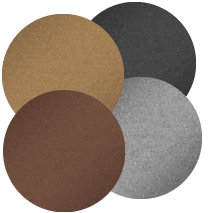
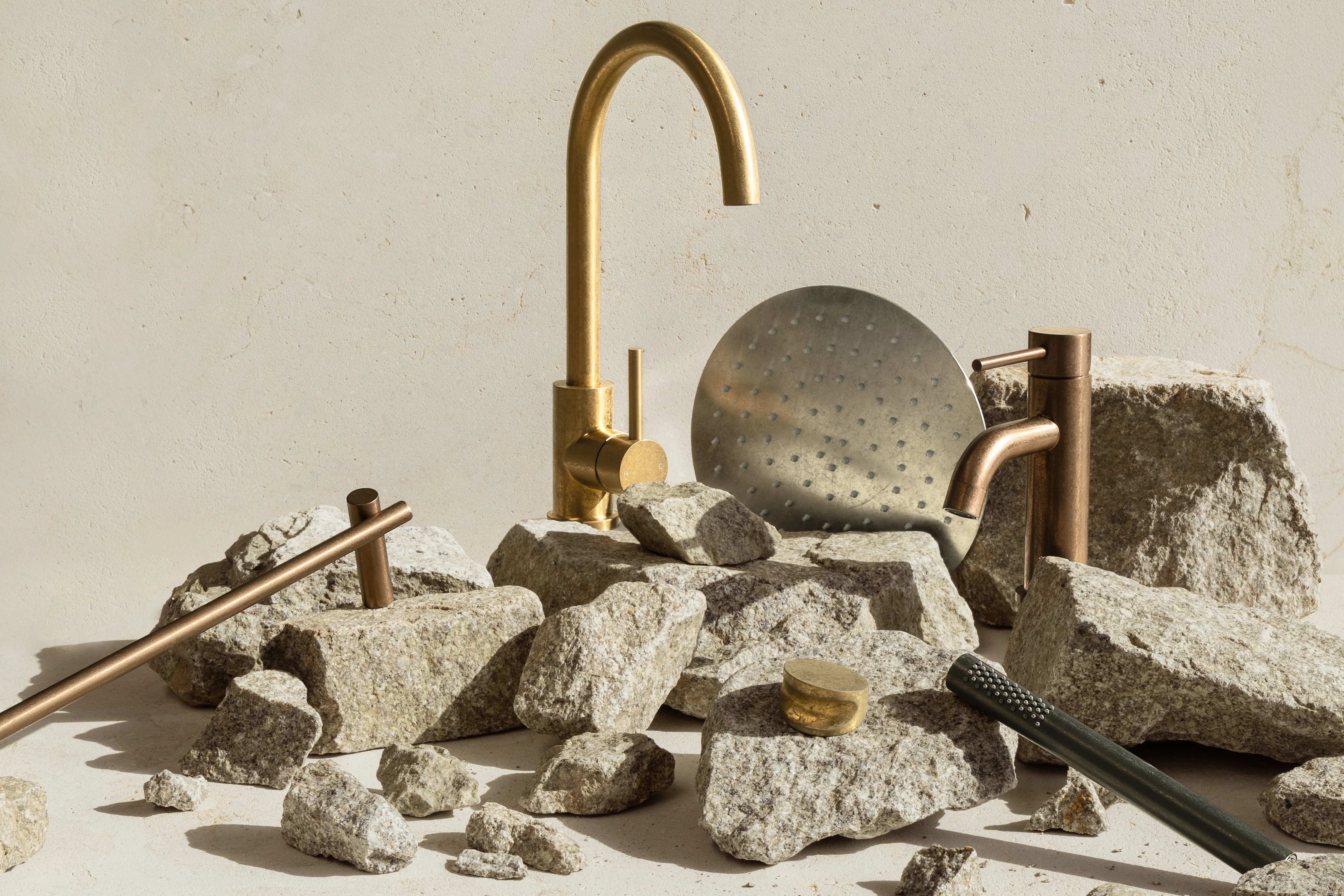
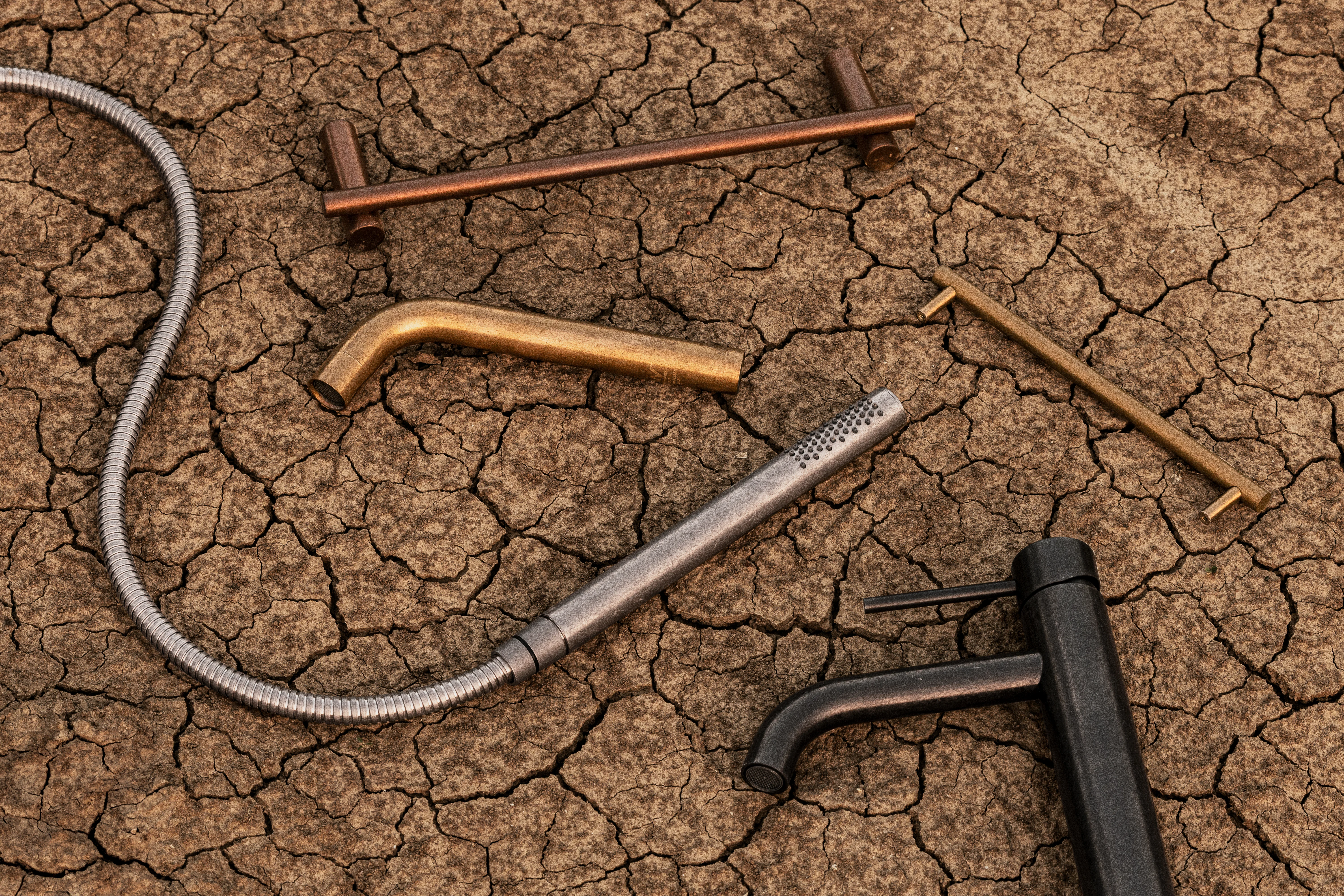
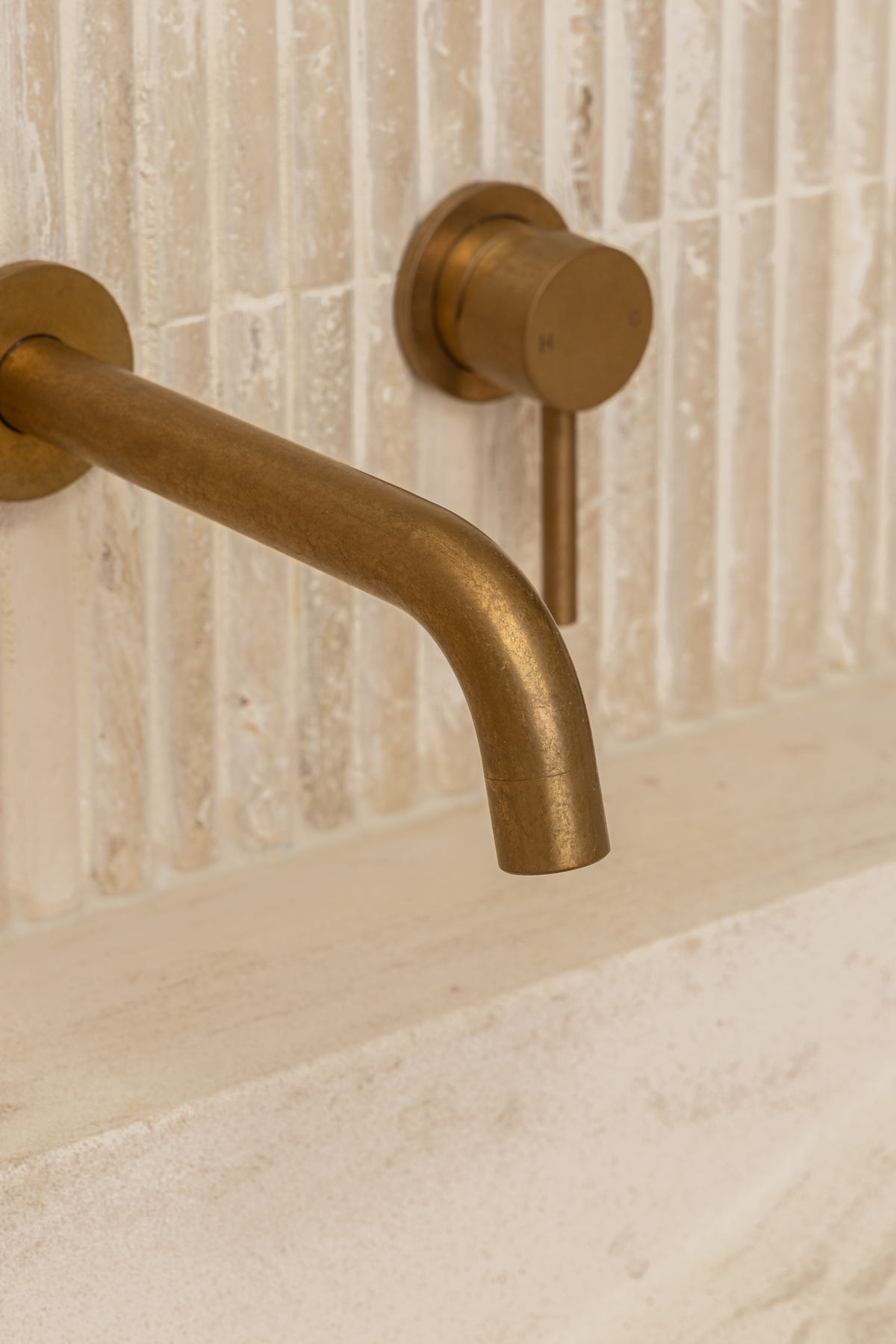
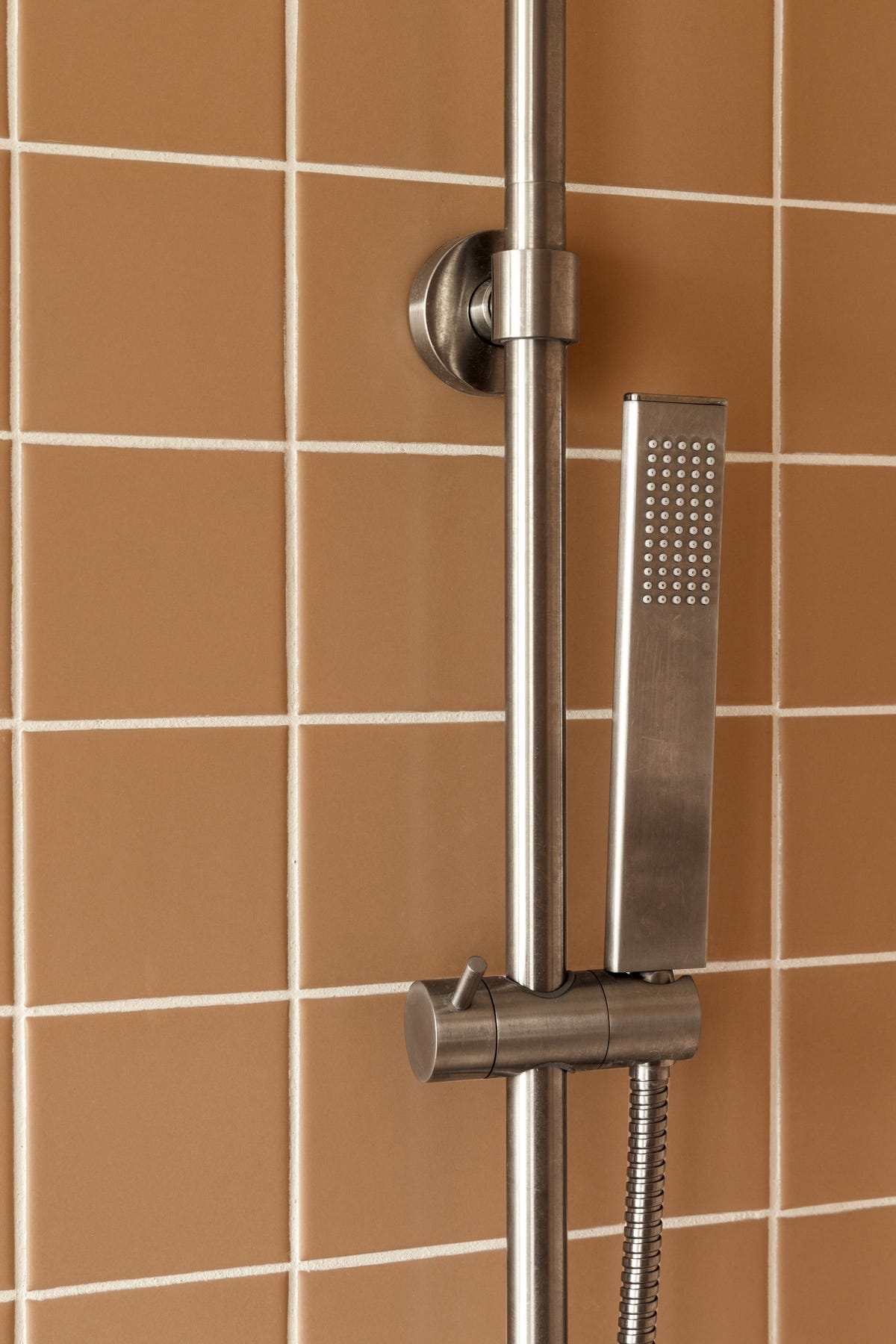
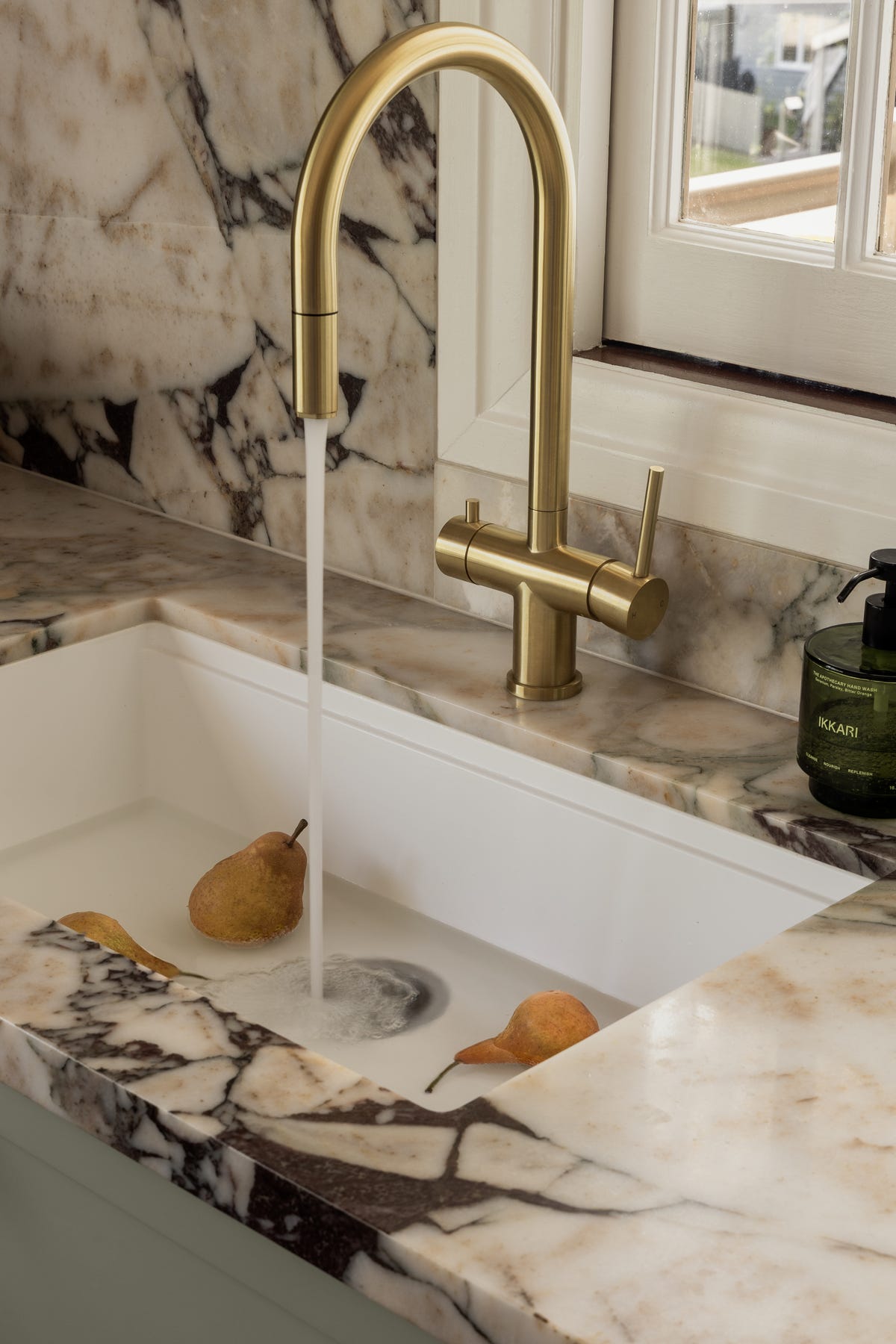
PVD is used across our brushed brass, brushed copper, brushed nickel, and brushed gunmetal finishes, the Antique Collection, and much of our matte black range.
How PVD Compares
Three ways a finish can be applied to tapware, and how they differ.
| Criterion | PVDMost ABI finishes | Electroplating | Powder coating |
|---|---|---|---|
| How the finish is applied | Vaporised in a vacuum chamber and bonded to the metal at a molecular level | A metal layer deposited from a chemical plating bath | Dry powder sprayed onto the surface, then cured with heat |
| Resistance to tarnishing, corrosion and wear | Far higher — colour holds up in high-use bathrooms and kitchens | Standard | Standard |
| Chemicals in the process | Fewer harsh chemicals than traditional finishing methods | Wet-chemical process | Solvent-free powder |
PVD
Most ABI finishes- How the finish is applied
- Vaporised in a vacuum chamber and bonded to the metal at a molecular level
- Resistance to tarnishing, corrosion and wear
- Far higher — colour holds up in high-use bathrooms and kitchens
- Chemicals in the process
- Fewer harsh chemicals than traditional finishing methods
Electroplating
- How the finish is applied
- A metal layer deposited from a chemical plating bath
- Resistance to tarnishing, corrosion and wear
- Standard
- Chemicals in the process
- Wet-chemical process
Powder coating
- How the finish is applied
- Dry powder sprayed onto the surface, then cured with heat
- Resistance to tarnishing, corrosion and wear
- Standard
- Chemicals in the process
- Solvent-free powder
Where Our Finishes Are Made
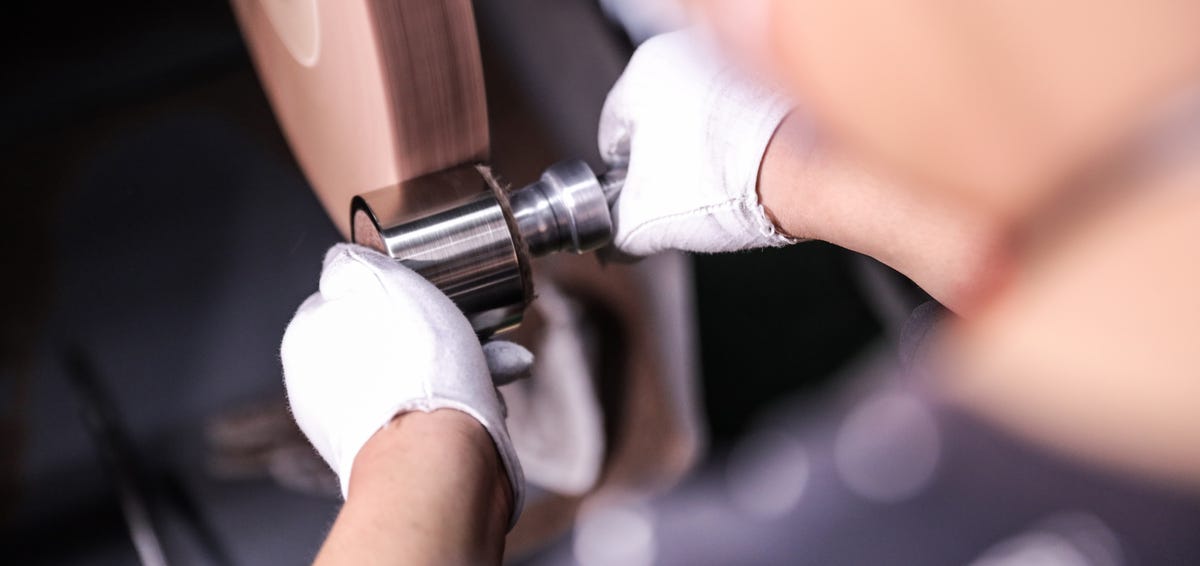
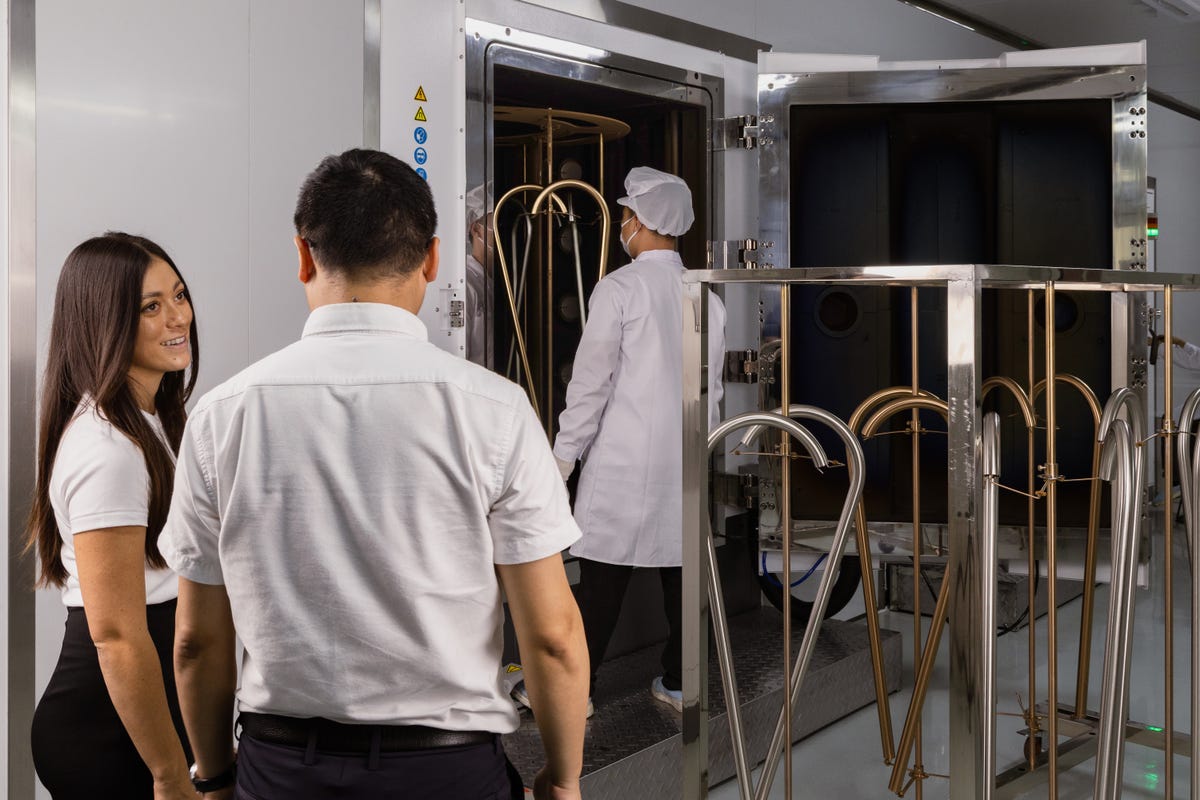
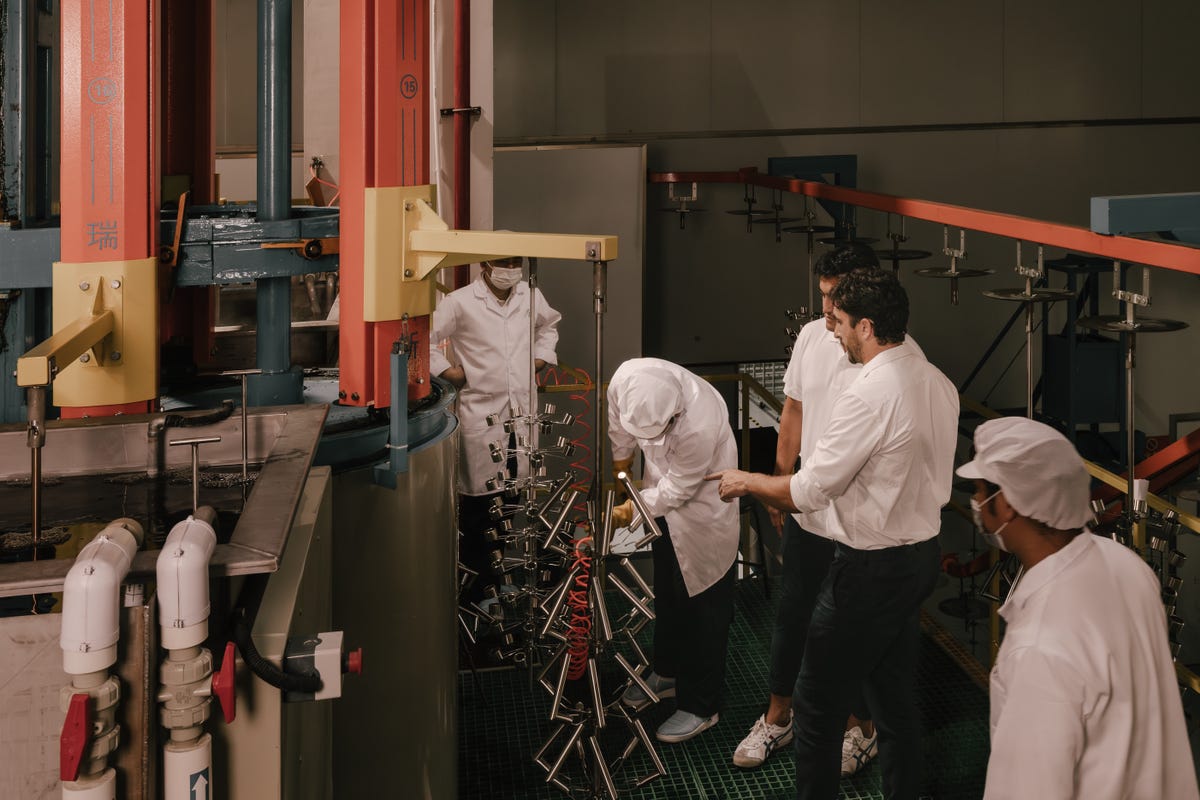
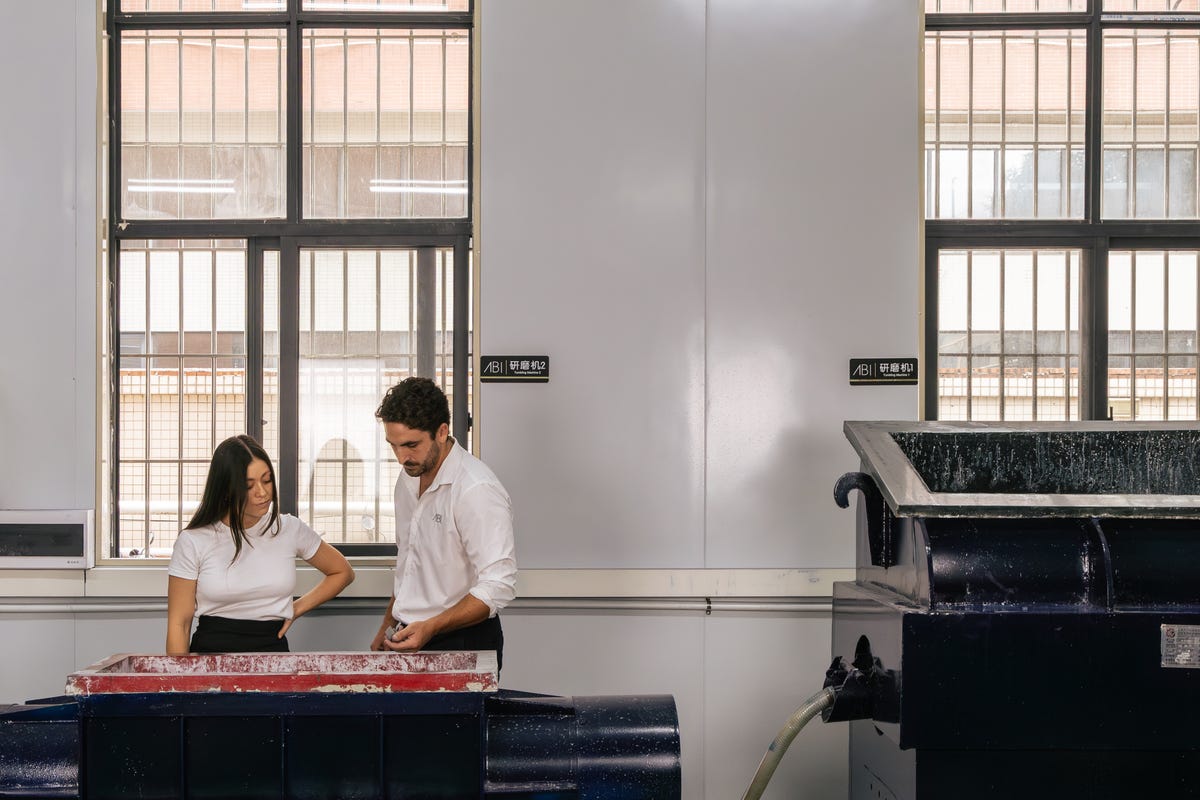
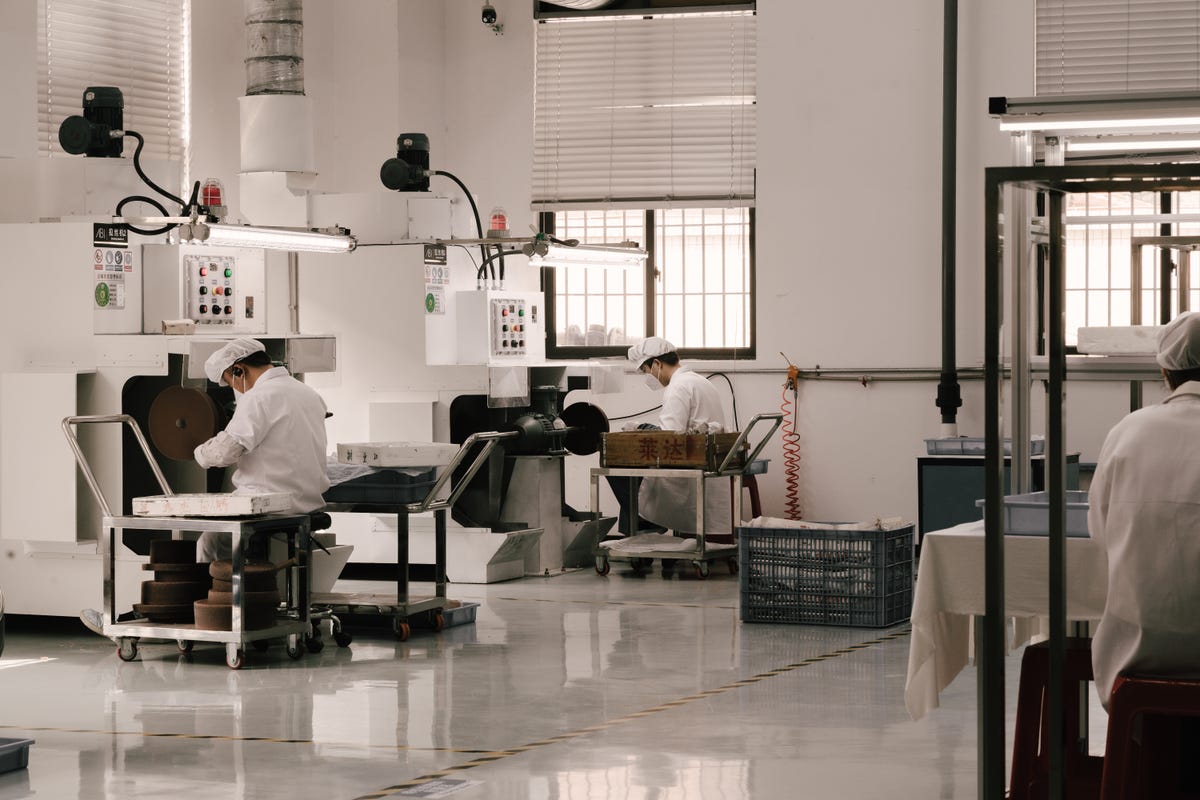
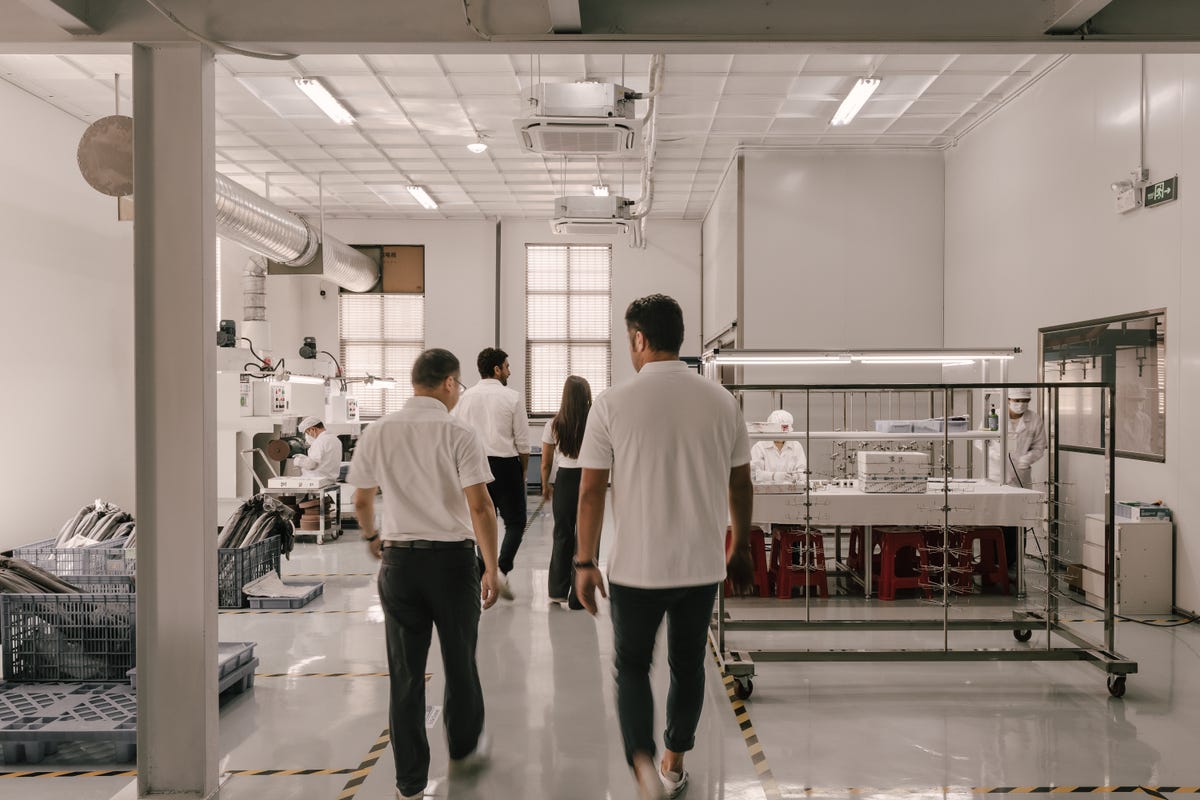
Our Zhongshan facility provides specialist capabilities in PVD, tumbling, and quality control. Specialist PVD technology gives us greater control over colour, application, and consistency, while using fewer harsh chemicals than traditional finishing methods.
Quality control is performed throughout every stage of production, with the facility now equipped for in-house testing.

FAQs
What is PVD and why is it used?
PVD (Physical Vapour Deposition), is the process behind most of ABI’s finishes. In a vacuum chamber, the coating material is vaporised and deposited onto the product, forming a thin, hard layer that bonds to the surface of the brass or stainless steel beneath.
We use PVD because it resists tarnishing, corrosion, and everyday wear far better than standard electroplated or powder-coated finishes, so colour holds up in high-use bathrooms and kitchens. It’s used across our brushed brass, brushed copper, brushed nickel, and brushed gunmetal finishes, the Antique Collection, and much of our matte black range.
Which ABI finishes use PVD?
PVD is used across our brushed brass, brushed copper, brushed nickel, and brushed gunmetal finishes, the Antique Collection, and much of our matte black range.
How should a PVD finish be cared for?
PVD finishes are designed for durability and require minimal maintenance to preserve their appearance. For regular care, clean weekly using warm, soapy water and a soft microfibre cloth. For brushed finishes, wipe in the direction of the grain and dry the surface after cleaning to help prevent water marks and maintain the finish. In hard-water areas, a mild limescale remover can also be incorporated into your weekly cleaning routine to help minimise mineral build-up.
Always use gentle, non-abrasive cleaning products. Avoid abrasive cloths and scourers, bleach, ammonium-based products, highly acidic cleaners, and alcohol or mineral-based solvents, as these may dull or damage the surface over time.
With regular, gentle cleaning, a PVD finish requires minimal ongoing care.
What warranty applies to PVD finishes?
Our PVD finishes are covered by a 15-year residential warranty across solid brass and 304 and 316 stainless steel tapware. The tapware itself is also covered by a Lifetime Structural Warranty for the original purchaser.
The PVD finish warranty covers manufacturing defects but does not extend to damage caused by abrasive or harsh cleaning products, scratching, salt-water exposure, or general wear and tear.
To maintain warranty coverage and preserve the appearance of your PVD finish, always follow the recommended care and maintenance guidelines.
Quality, From First Idea to Final Inspection
PVD is one part of how we build quality into every ABI product. See the people and process behind it, from design on the Gold Coast to inspection before shipment.