Our Range























THE PROS AND CONS OF A TREE CHANGE
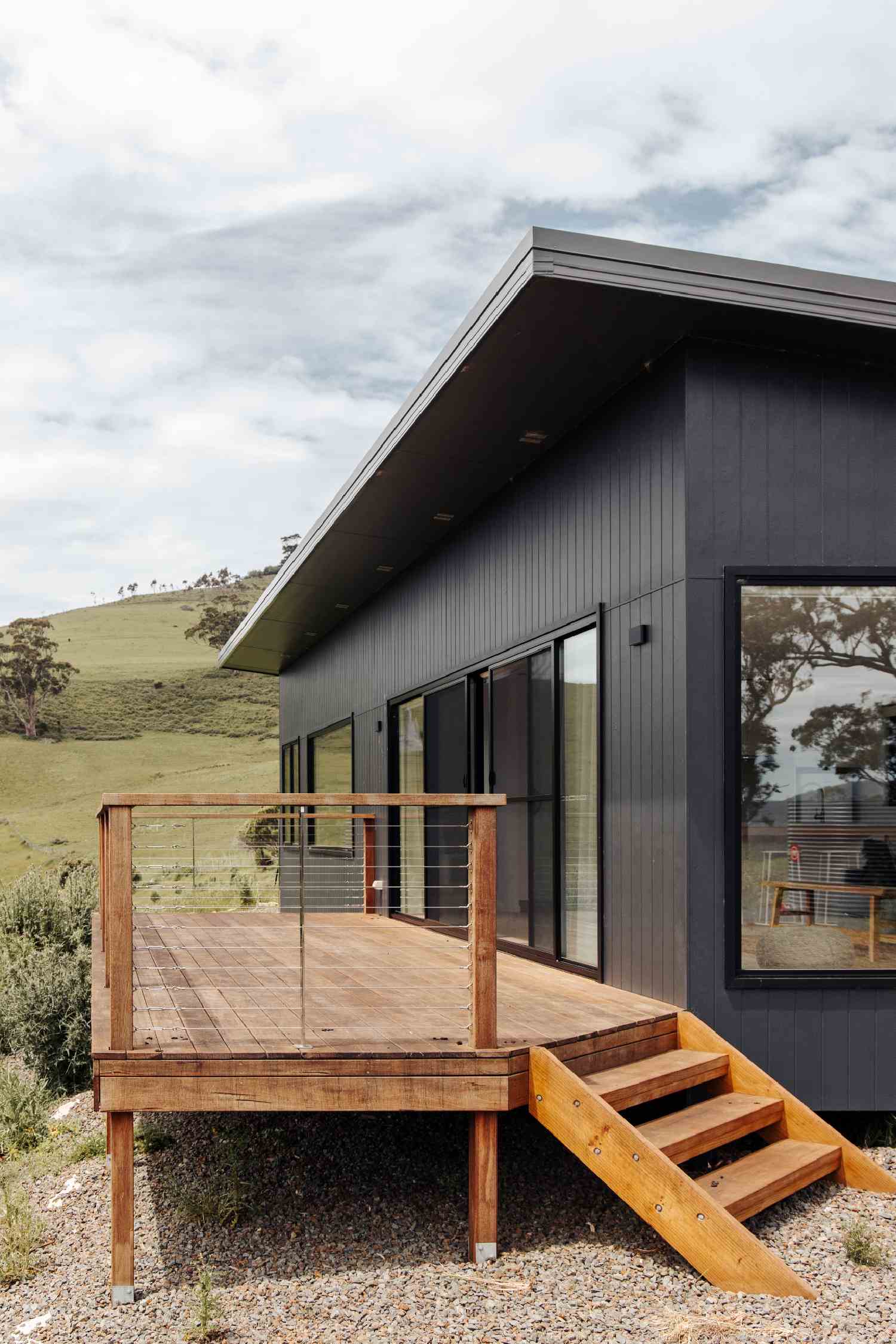
The term ‘tree change’ describes a person’s migration from an urban to a regional area. The concept certainly isn’t new, but this movement pattern has spiked due to COVID-19, which coined another migratory phenomenon called ‘The Great Relocation’.
During 2020-2021, Australia’s regional population grew by 70,900 — the first time since 1981 that the regional growth rate overtook that of capital cities. Time indoors intensified the reality of the urban lifestyle: limited space, even more limited green space, and a high population with a high pace. Naturally, people thought the grass was greener where the grass was actually greener and relocated away from the big smoke — which was easier with work-from-home arrangements.
There is a romanticised vision of a tree change — and for a good reason. If you’re looking for a lifestyle that celebrates the outdoors more, perhaps it’s for you. But the transition away from the city isn’t without its challenges.
In this blog, we aim to provide a balanced perspective on tree change pros and cons so that you can be as informed as possible about your move.
PROS
1. THE OUTDOORS
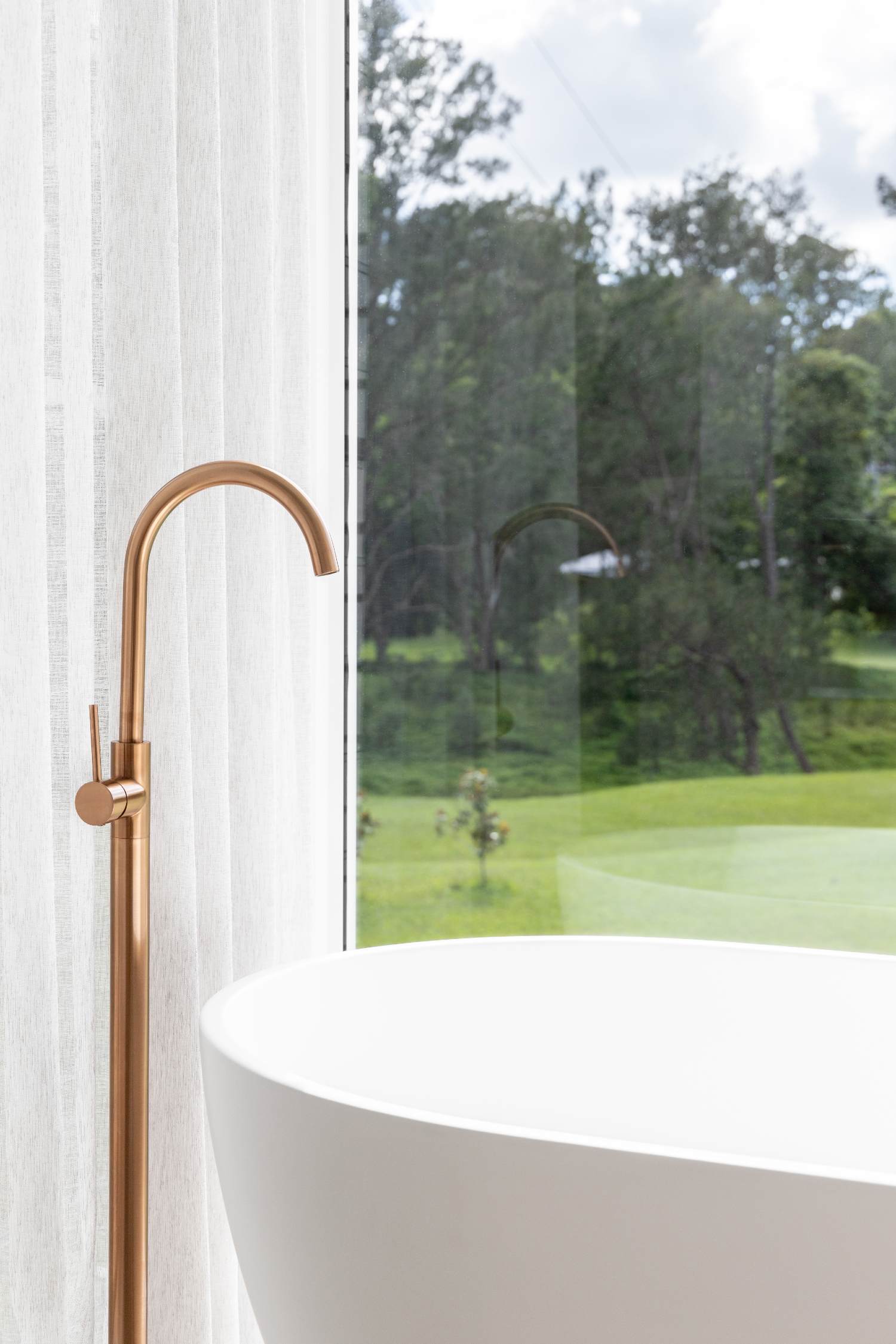
The most obvious attraction to moving to the countryside is being able to integrate the natural world more easily into everyday life. Wide open spaces, fresh air, and landscapes are certainly refreshing when compared to the stacked living often found in metropolitan areas.
‘Nature deficit disorder‘ is a label coined by Richard Louv to convey that people, especially children, aren’t engaging with the natural environment as frequently anymore, leading to concerns of behavioural problems. The tree change lifestyle helps to counteract this while also providing a lot of developmental benefits for children.
2. LOW COST OF LIVING
The lower cost of living associated with a rural lifestyle is one of the biggest draws towards a tree change. Typically, buying or renting a home in regional areas is significantly cheaper than inner cities. Limited food, entertainment, and retail choices make saving money a little easier.
3. CHANGE OF PACE
The dynamic energy of a city can feel exhausting. No matter the time, there’s a constant source of stimulation, which can take its toll on the body’s stress levels.
The slower, calmer pace after making a tree change can be a welcome respite for those who have lived in the city for an extended length. Sounds of the natural world and the absence of traffic can be a soothing contrast.