Our Range













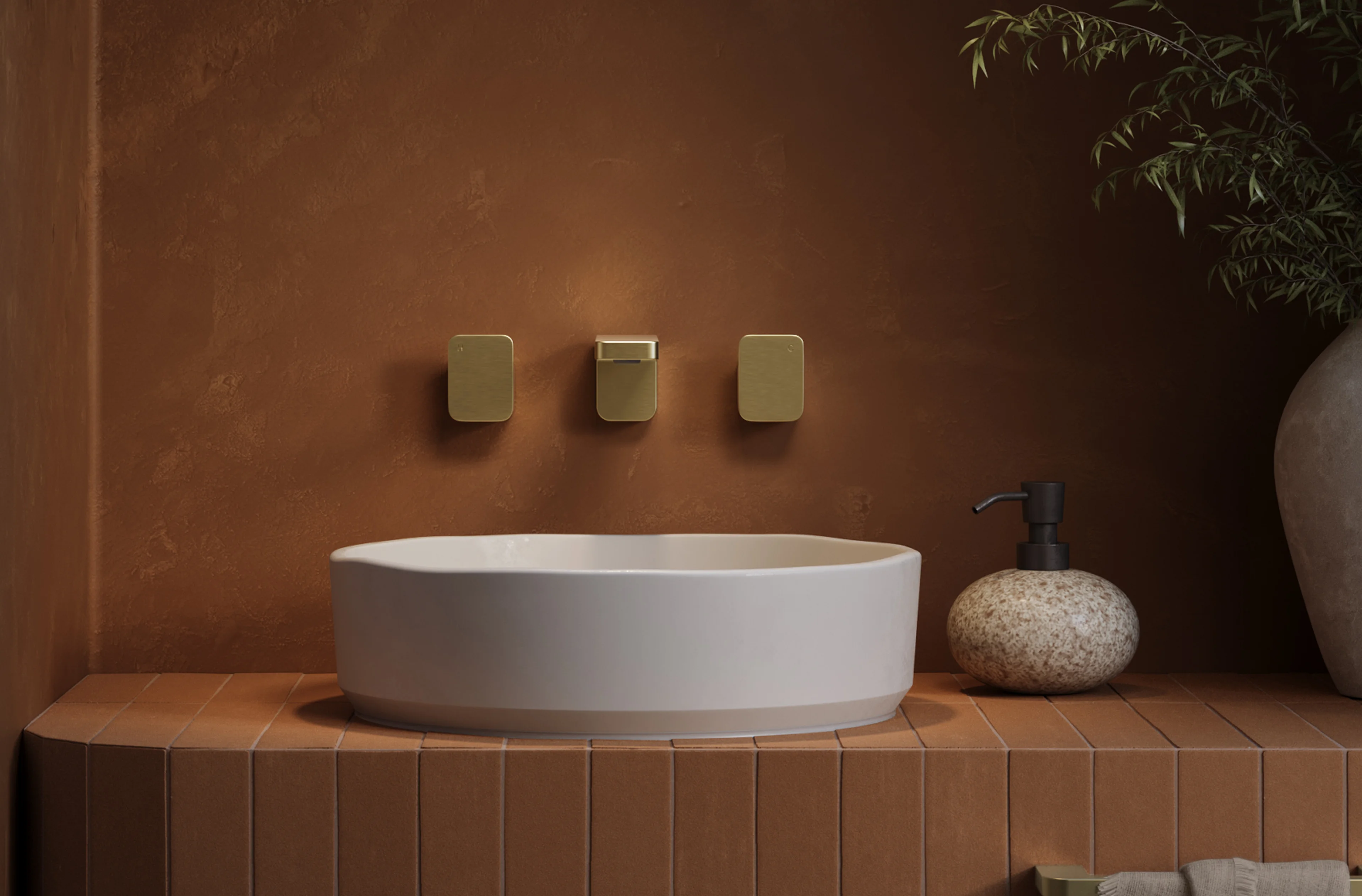


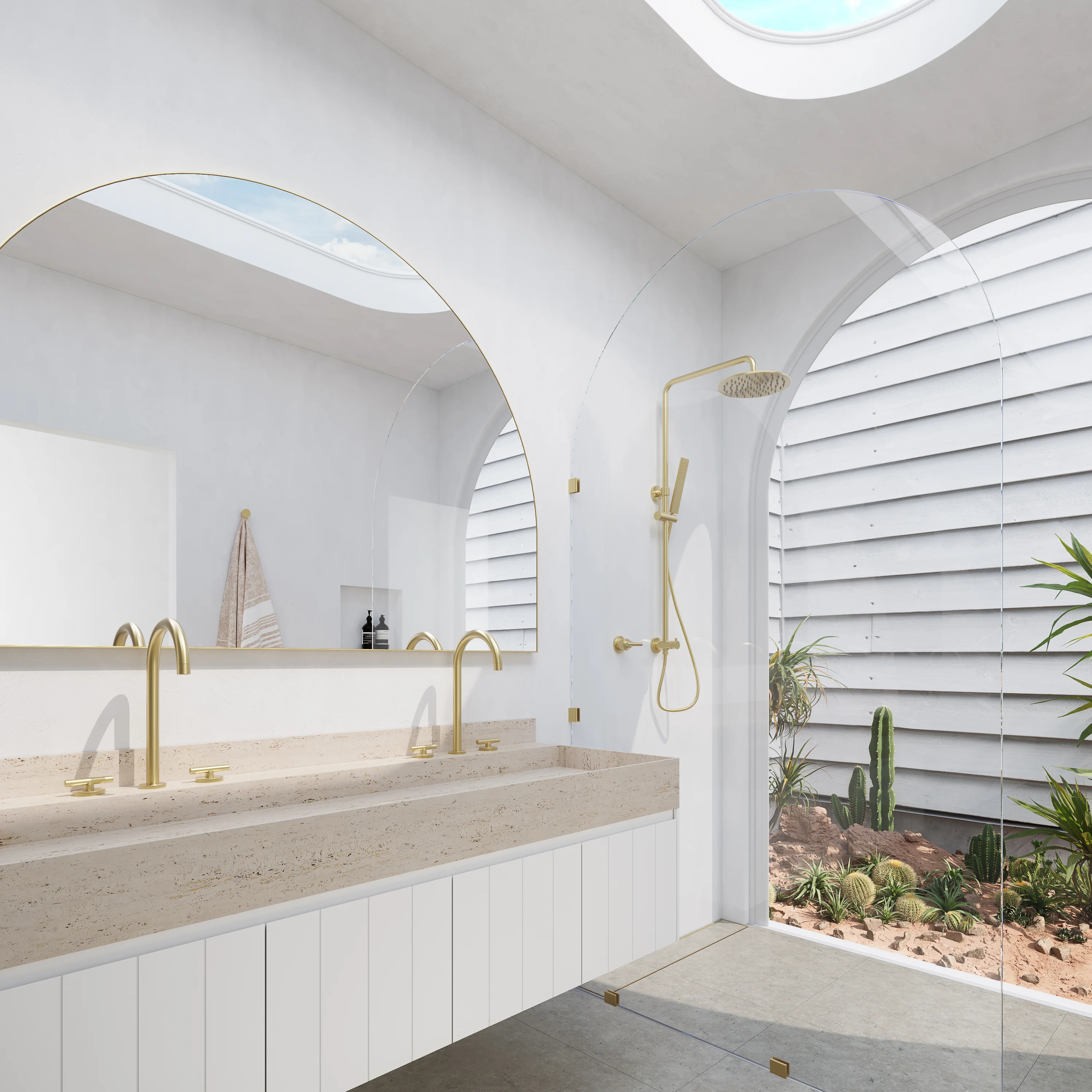








Our Guide to Cohesive Design: Collections and Finishes to Complete Your Home
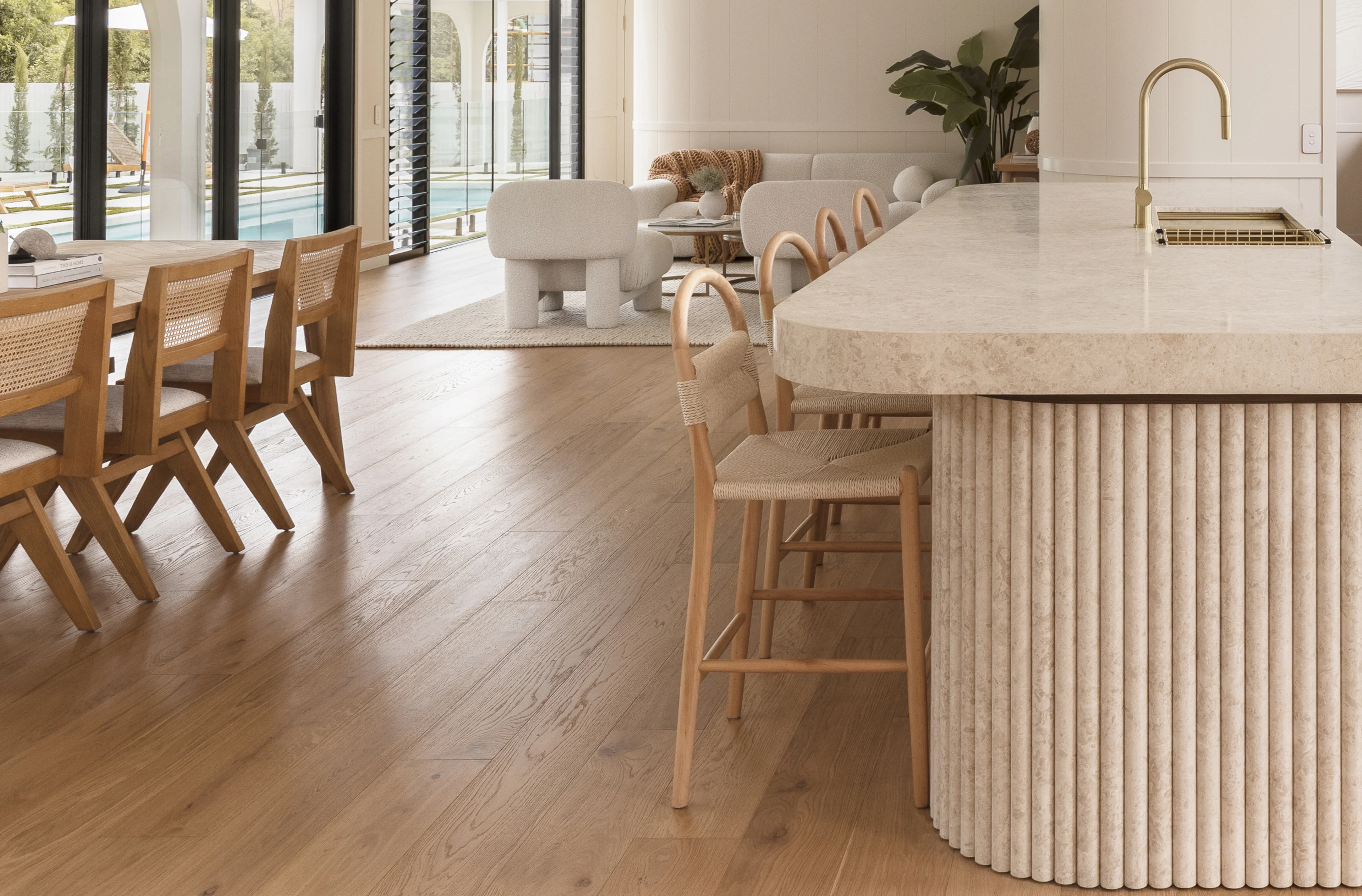
Cohesive design is about creating a sense of connection throughout the home, from the colours and flooring that flow between spaces to cabinetry, tapware, and the finer details that bring each room together.
Every interior takes on its own identity, with no single aesthetic defining good design. But when each element speaks to the next, a home can feel deeply intentional from room to room. Think colours, textures, and materials carried throughout the home, or a design motif that begins at the entry and continues outdoors. Repeated details reveal subtle connections while letting each space stand beautifully on its own.
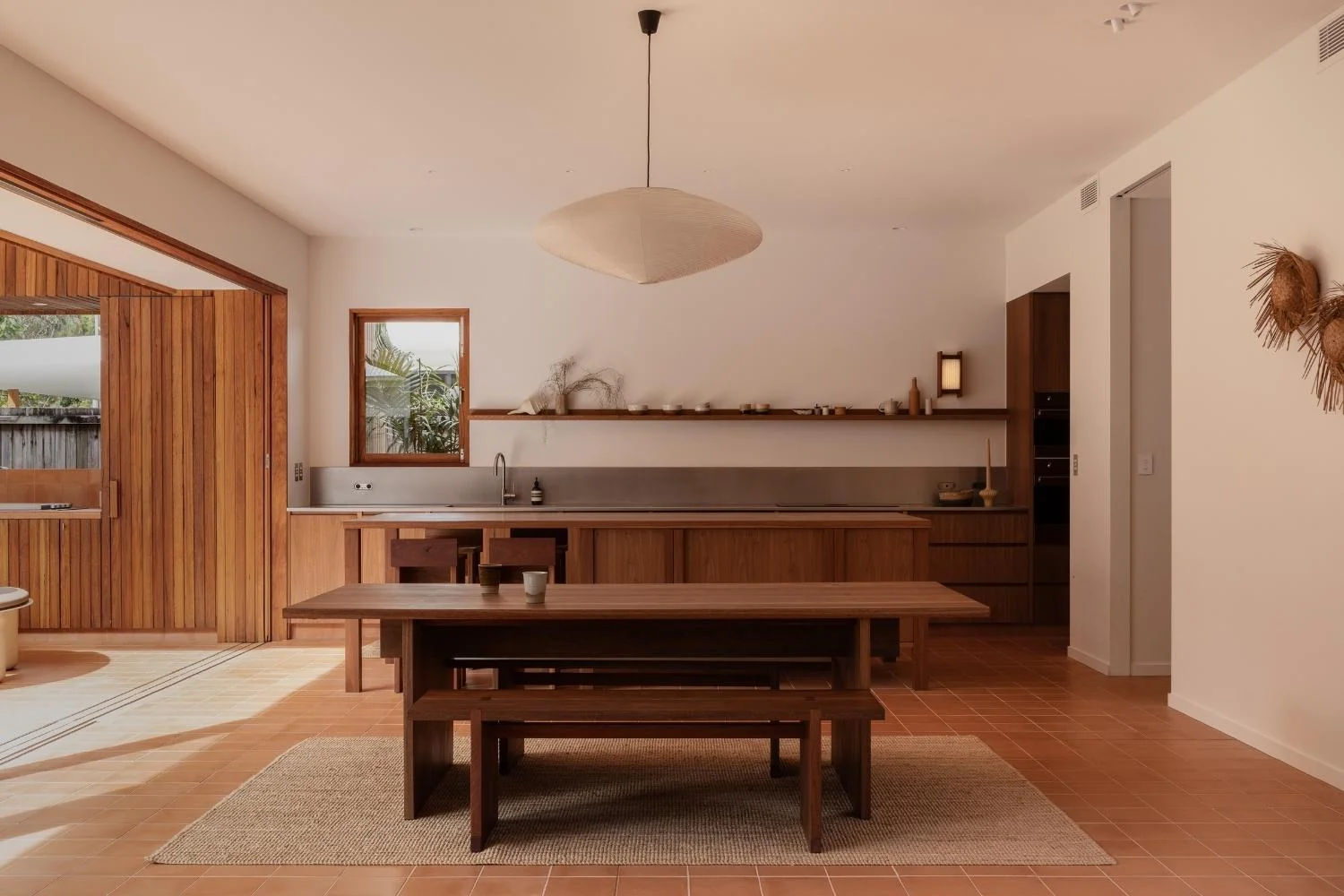
Creating a cohesive interior design doesn’t mean committing to a single palette, material, or style across every space. It’s adaptive, shaped by the threads that connect each room, whether that’s a shared finish, recurring form, complementary tones, or a material that appears in unexpected places.
We explore how to create cohesion in your home, from unifying fixtures and finishes to embracing variation in colour, texture, and form. Discover how thoughtful combinations of materials and details can bring the whole home together while allowing each space to reflect your individual style.
Defining Cohesive Design
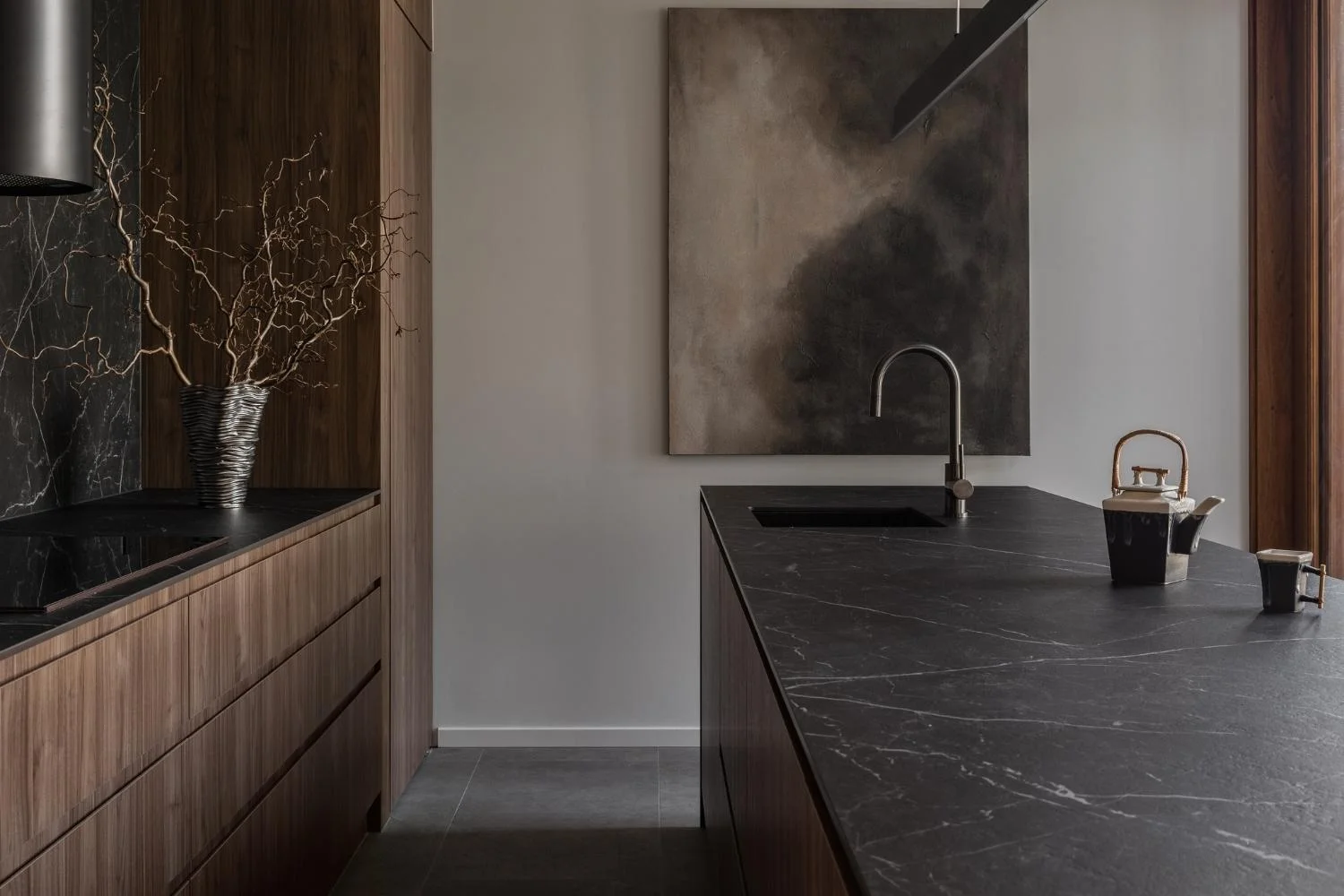
So, what is cohesive design really? Defined by unified colour palettes, repeated materials, consistent hardware, and a considered flow between spaces, the approach can seem conventional at first glance. But look a little closer, and there’s far more room for creativity than you may think.
Every element of a home is a choice, whether made by you, your designer, or someone who lived there before you. Interiors are a culmination of ideas, preferences, and influences, brought together to create a space that feels distinctly your own.
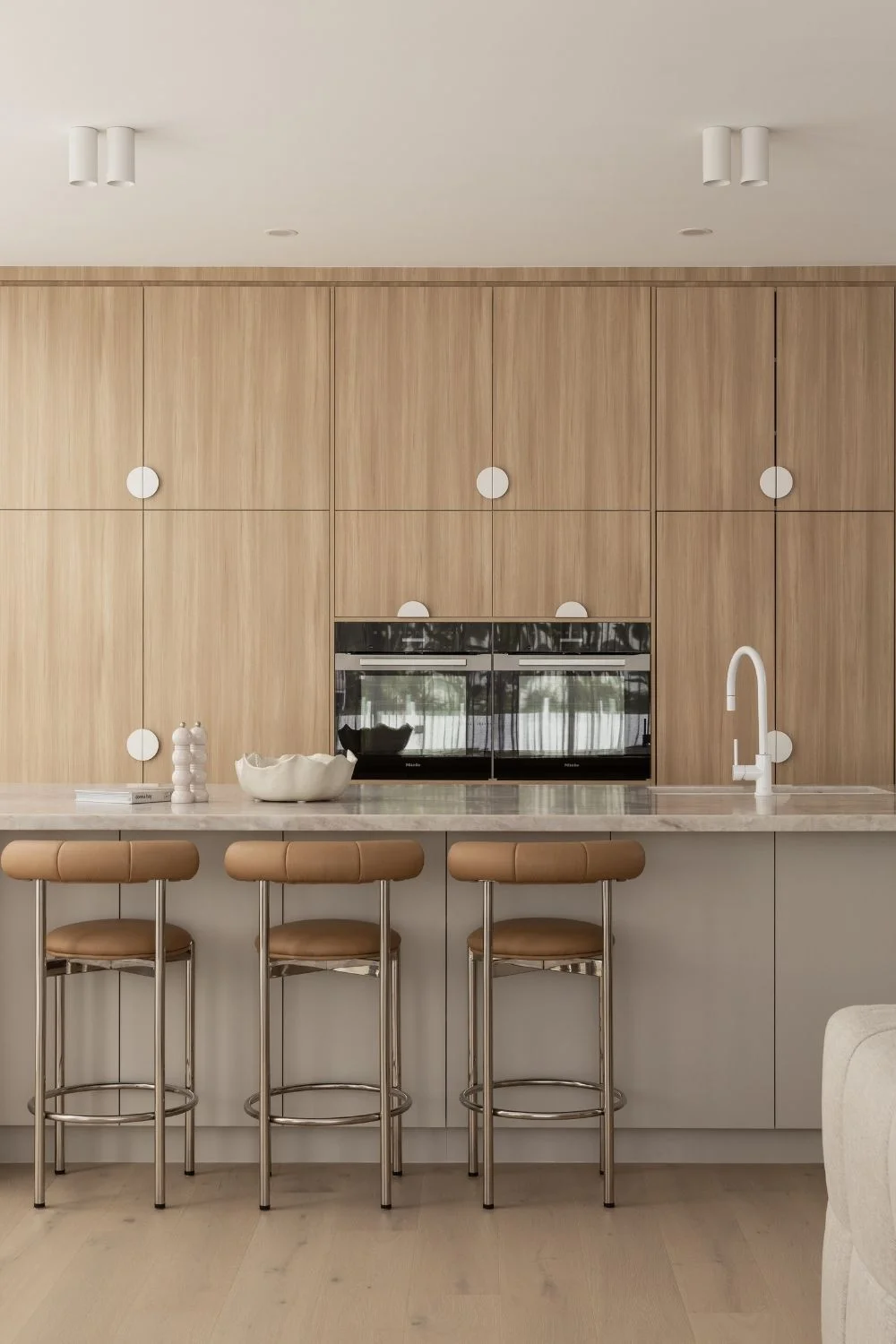
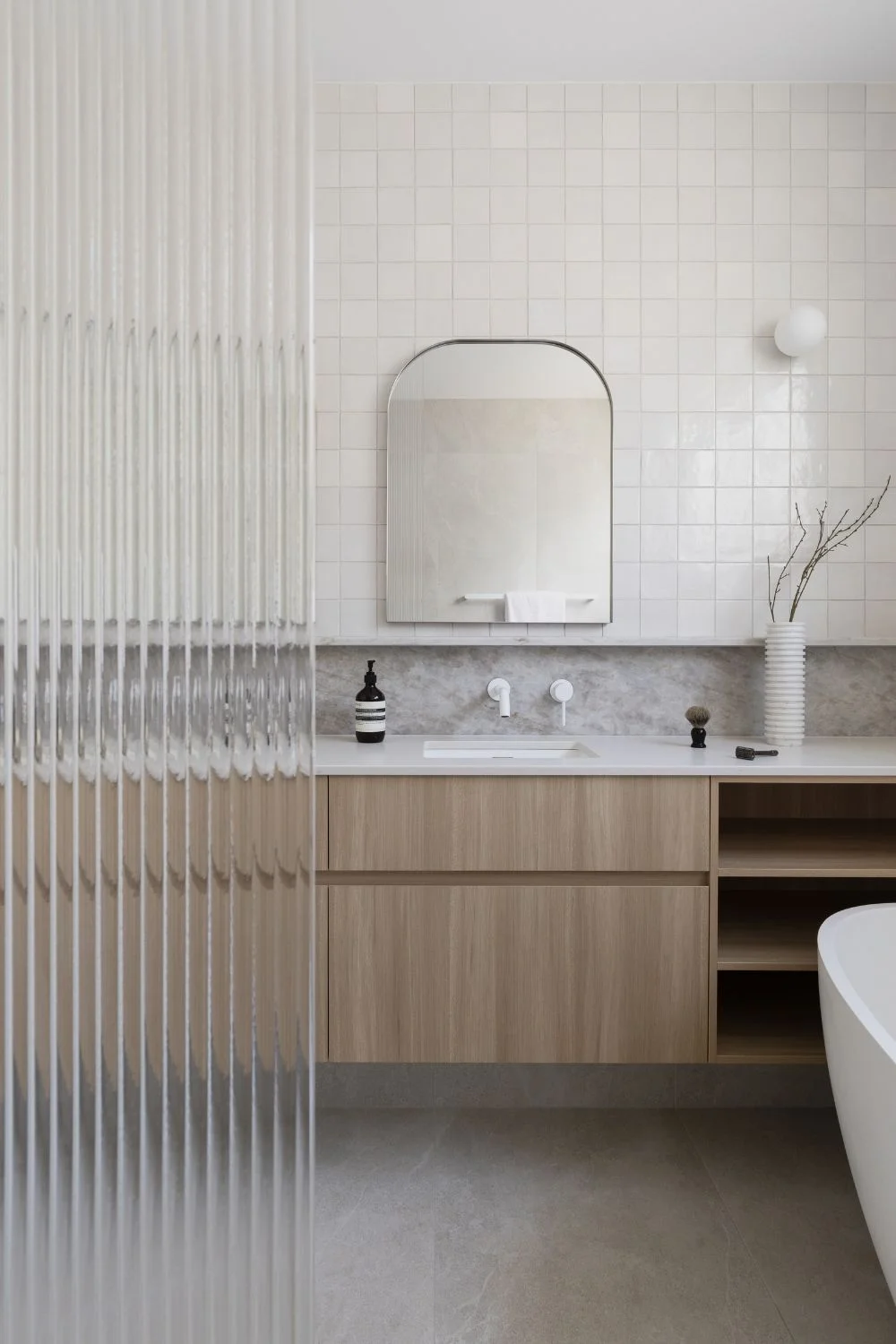
Personalising a home is about layering the elements you love to shape a space that feels like your own. Cohesive designs don’t step away from personal taste. If anything, they give those individual choices a stronger sense of purpose.
The eras, colours, materials and forms you’re drawn to can all have a place within a cohesive interior. Modern lines, curves and patterns can become defining elements of a home, adding personality without disrupting the wider scheme.
Cohesive design isn’t about making everything match. It’s about finding relationships between the things you love, then repeating or reinterpreting those details throughout the home.
Keep it Cohesive: Three Ways to Connect Your Interiors
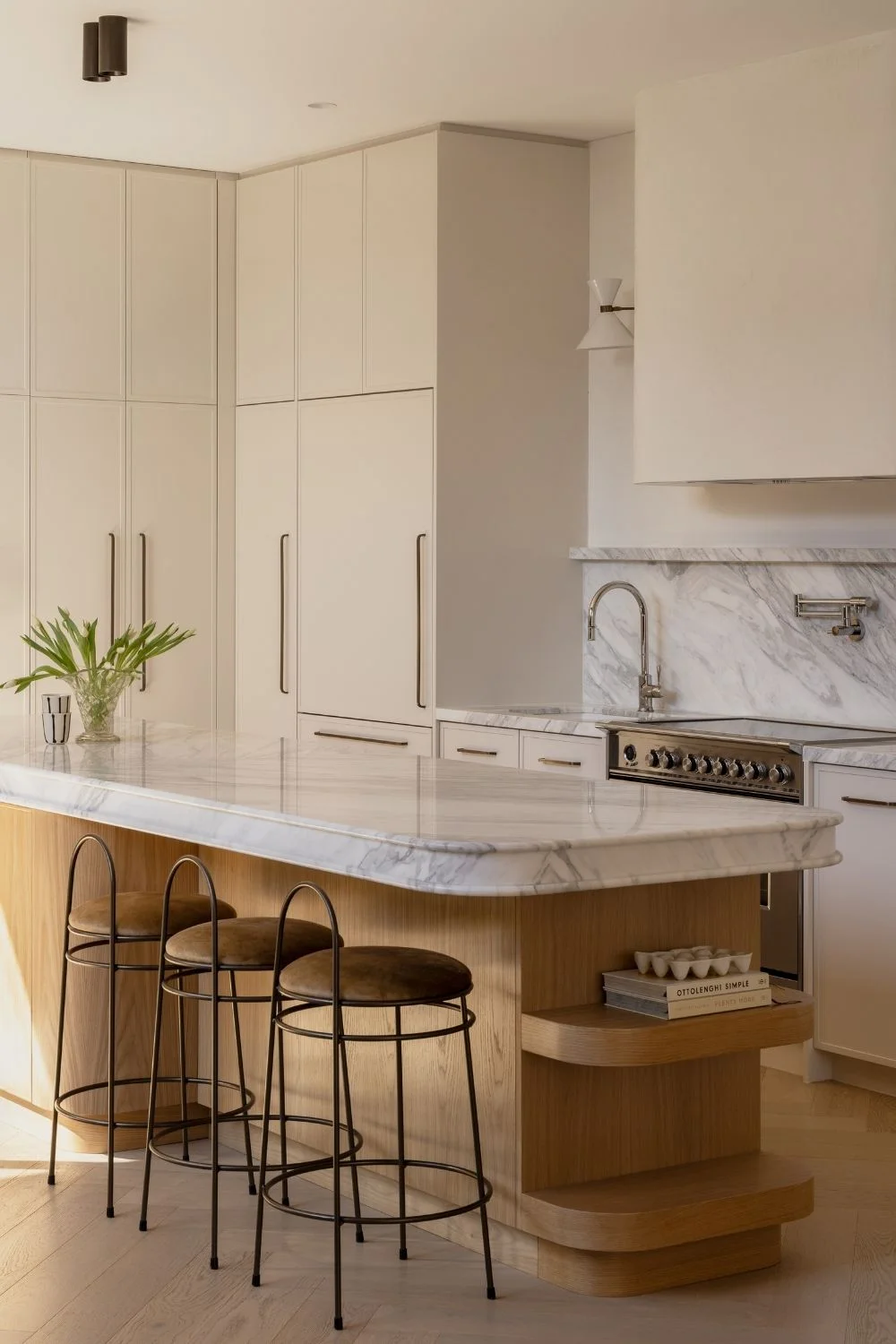
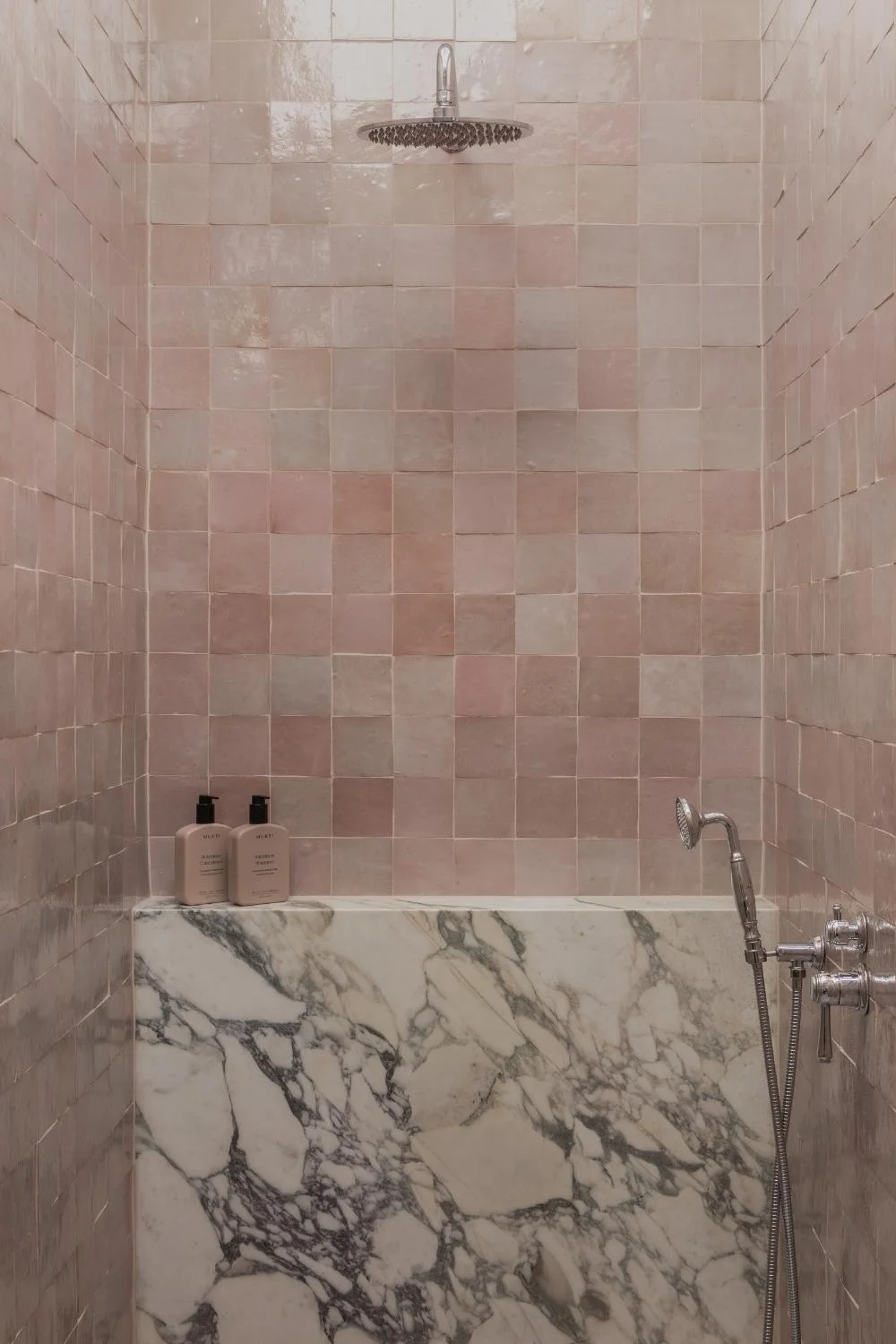
There’s more than one way to create design cohesion throughout a home. You might carry one finish from room to room, explore different collections within a shared palette, or give each space its own finish while using form and materiality to tie them together.
The method you choose can be as individual as the home itself. Whether you prefer the continuity of a single finish or the contrast of different combinations, look for a visual thread that allows each space to feel distinct while still belonging to the same story.
1. One Finish, One Visual Language
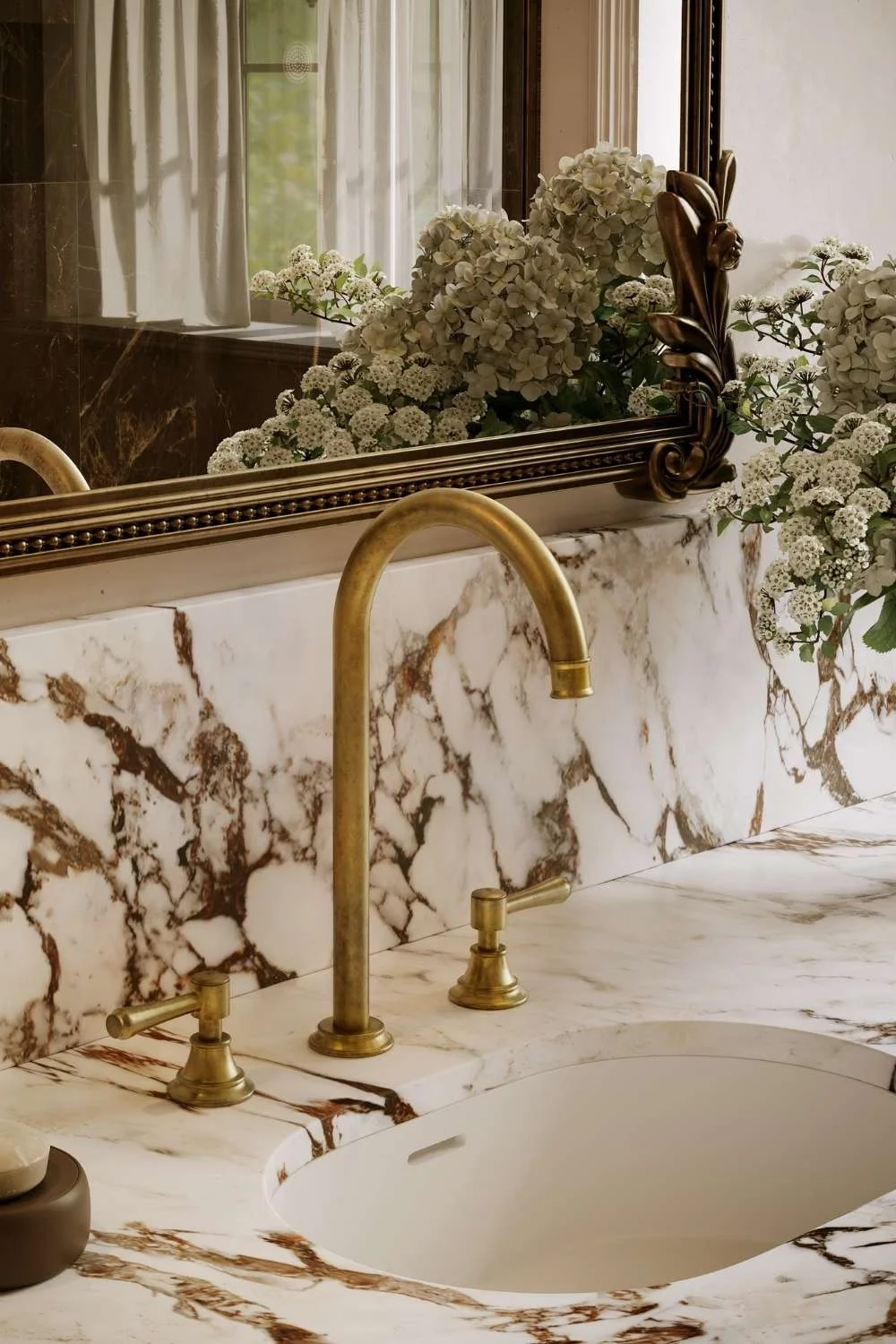
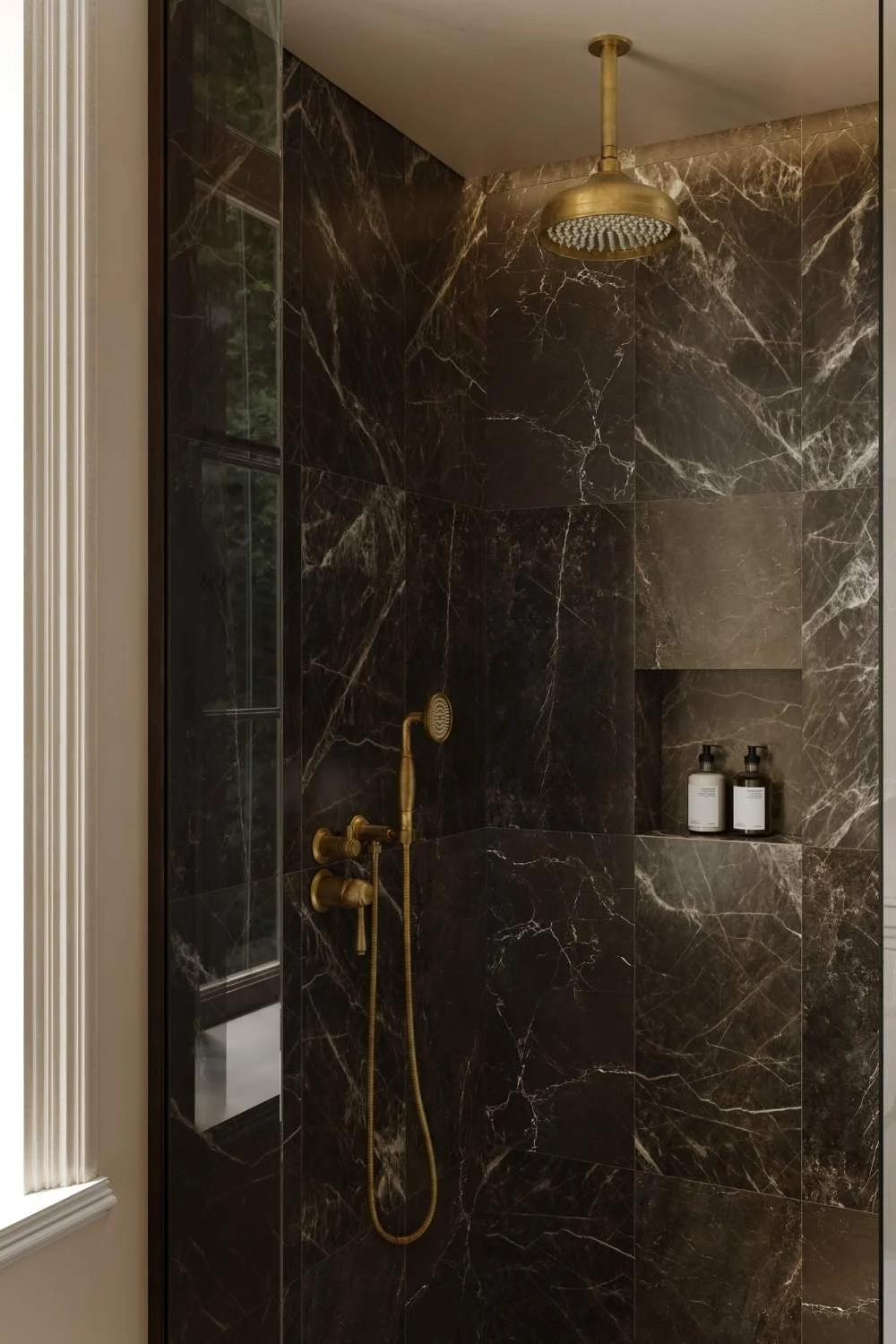
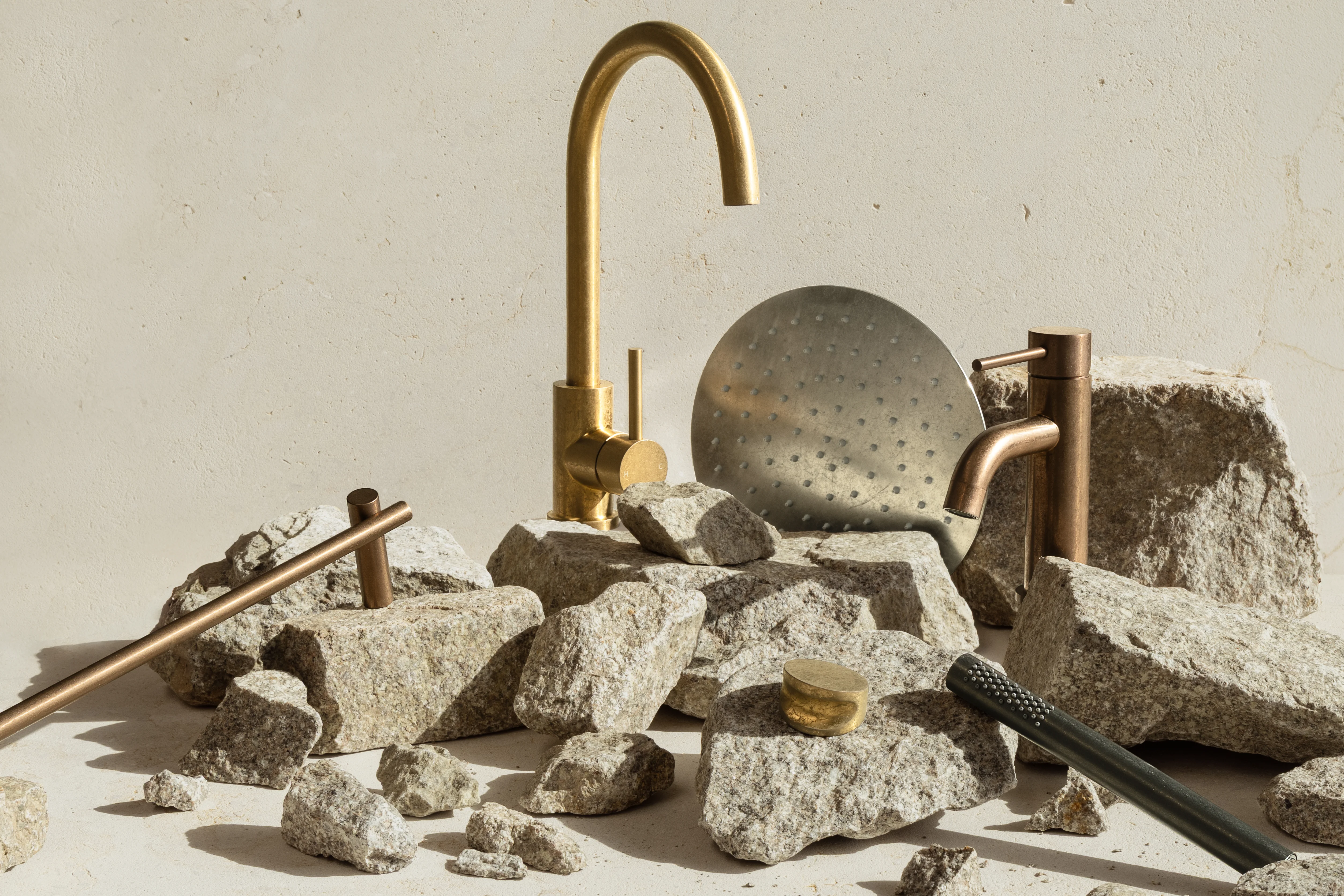
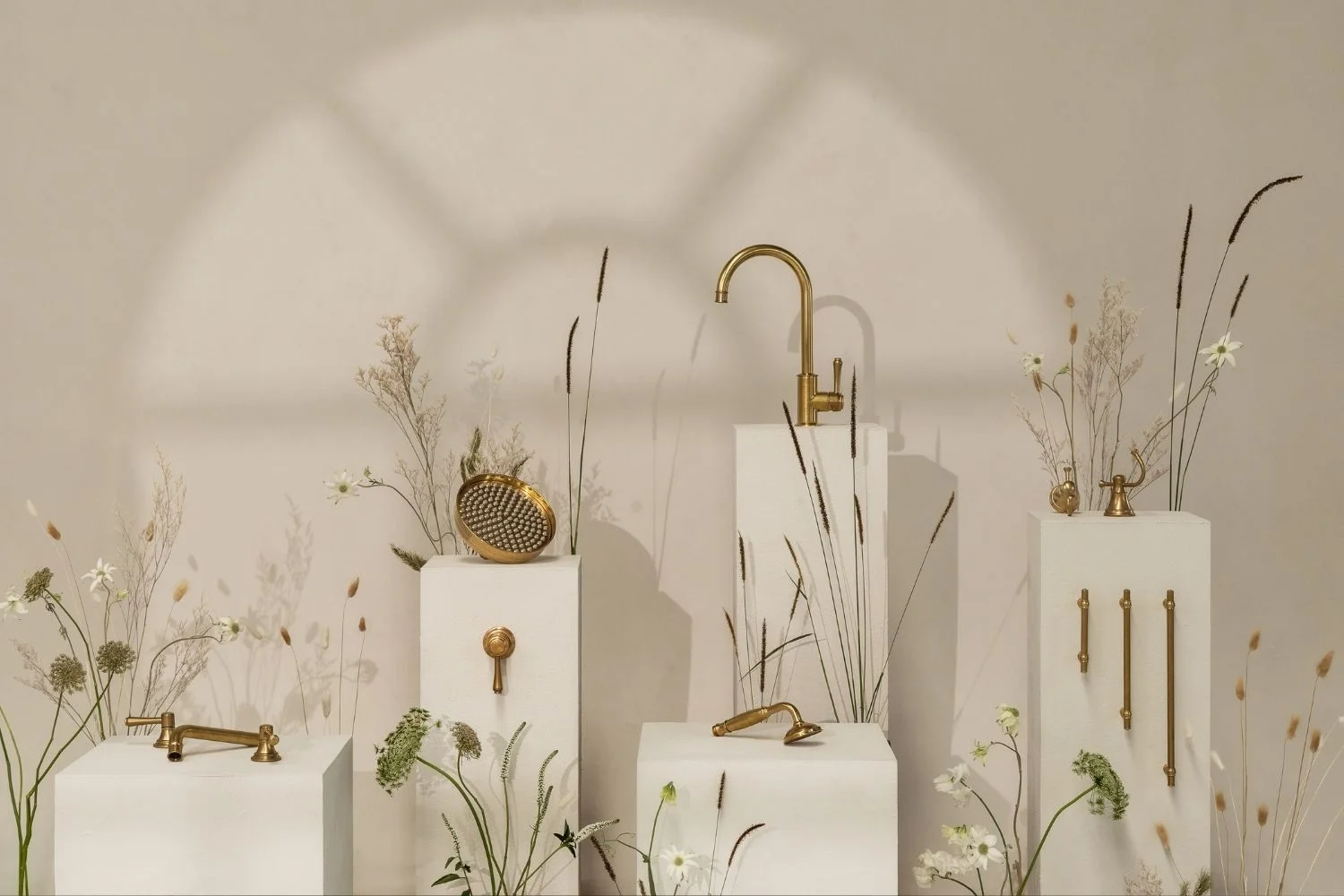
For a home where continuity is the priority, carrying one finish across different spaces creates an immediate sense of cohesion. A distinct design choice like our Kingsley Provincial Collection in Tumbled Aged Brass can become a guiding point for a traditional style to unfold, bringing warmth, depth and a sense of heritage to kitchens, bathrooms, laundries and beyond.
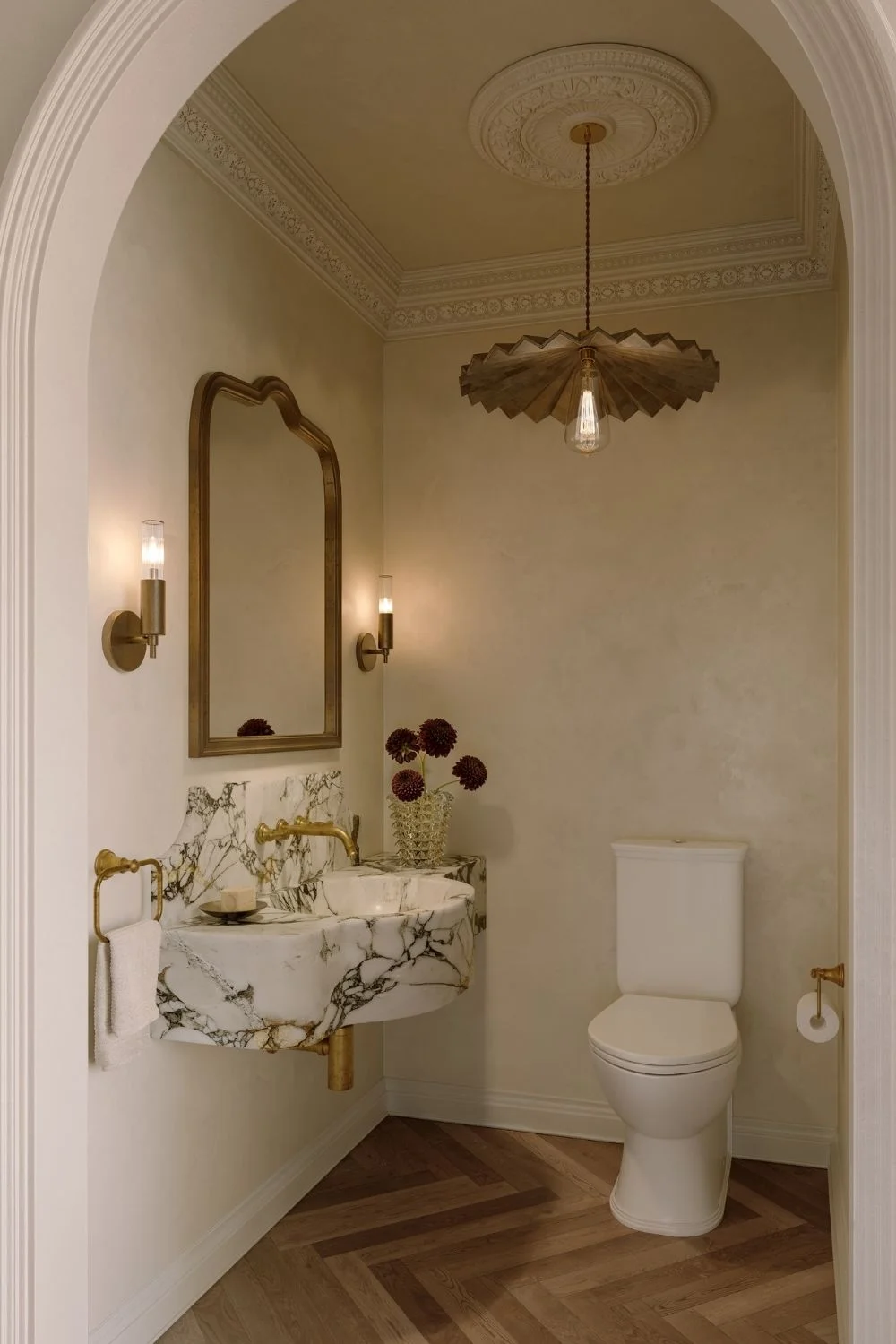
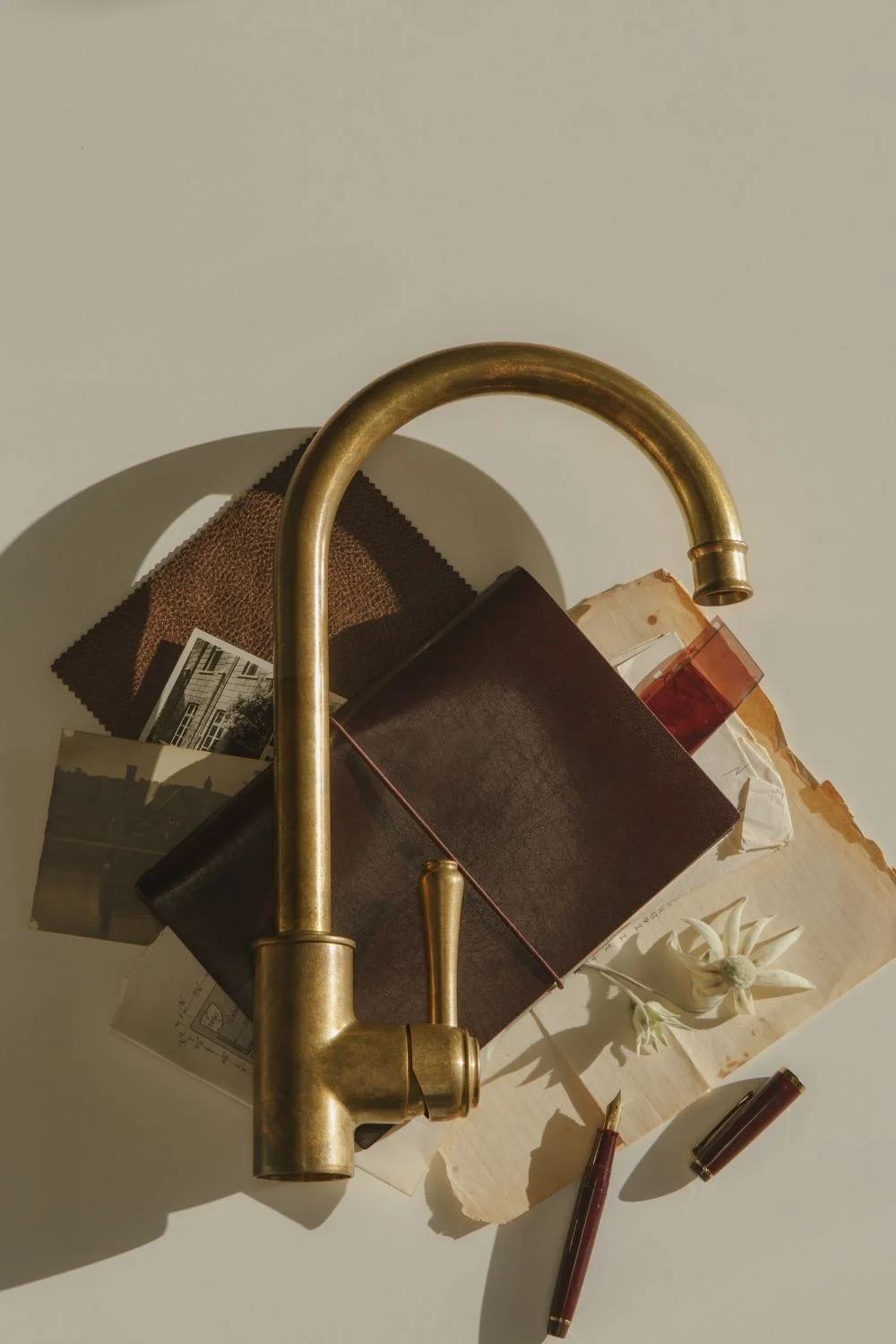
Tumbled aged brass is particularly suited to this approach because of its evolving character. Designed to develop a unique patina over time, the finish shifts subtly with its surroundings and use, bringing variation to a scheme while maintaining a recognisable visual language.
The result is a home that feels connected without every detail feeling identical. The finish remains familiar, while the spaces around it can take on their own personality.
2. One Palette, Different Collections
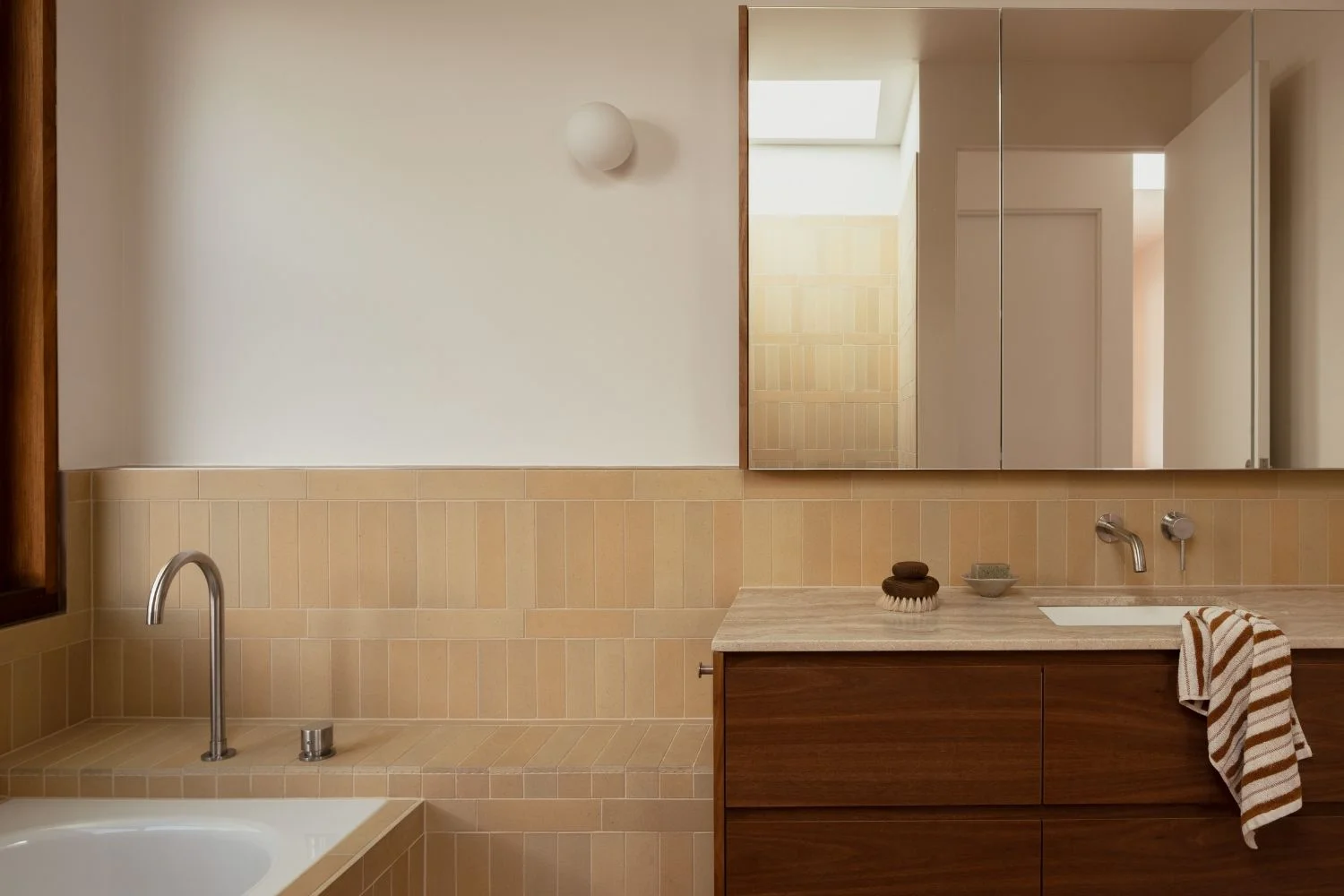
Cohesion in design doesn’t always come from repeating the same collection. A shared finish can create a sense of continuity, while different forms allow each space to develop its own character.
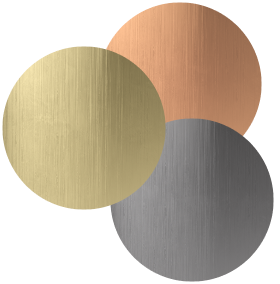
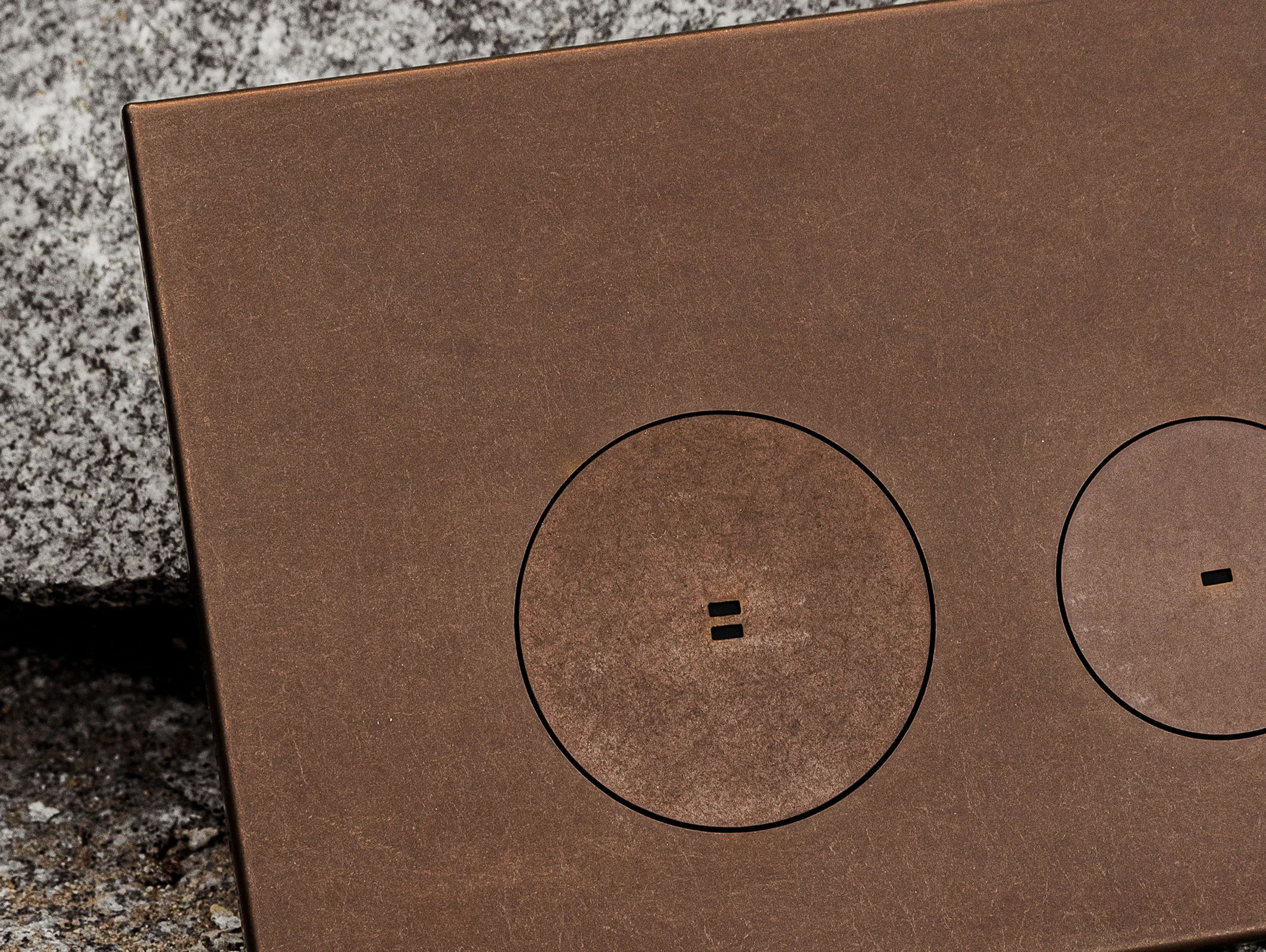
Brushed copper is a natural example. Available across ABI’s range, including Sola, Elysian, Milani, Nesso, Namika, and Kingsley, the finish can carry from one room to the next, while changing silhouettes and details give each space its own style.
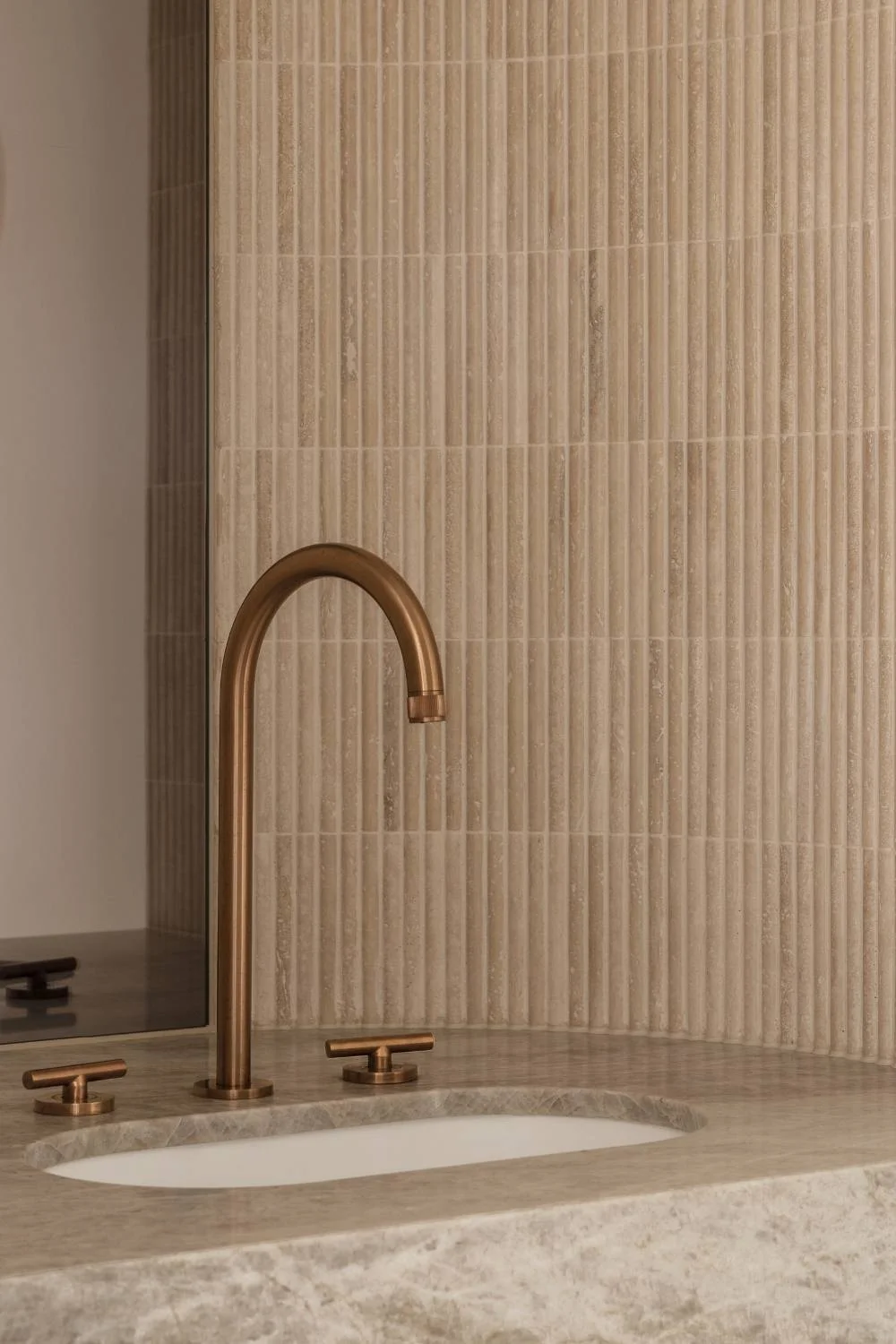
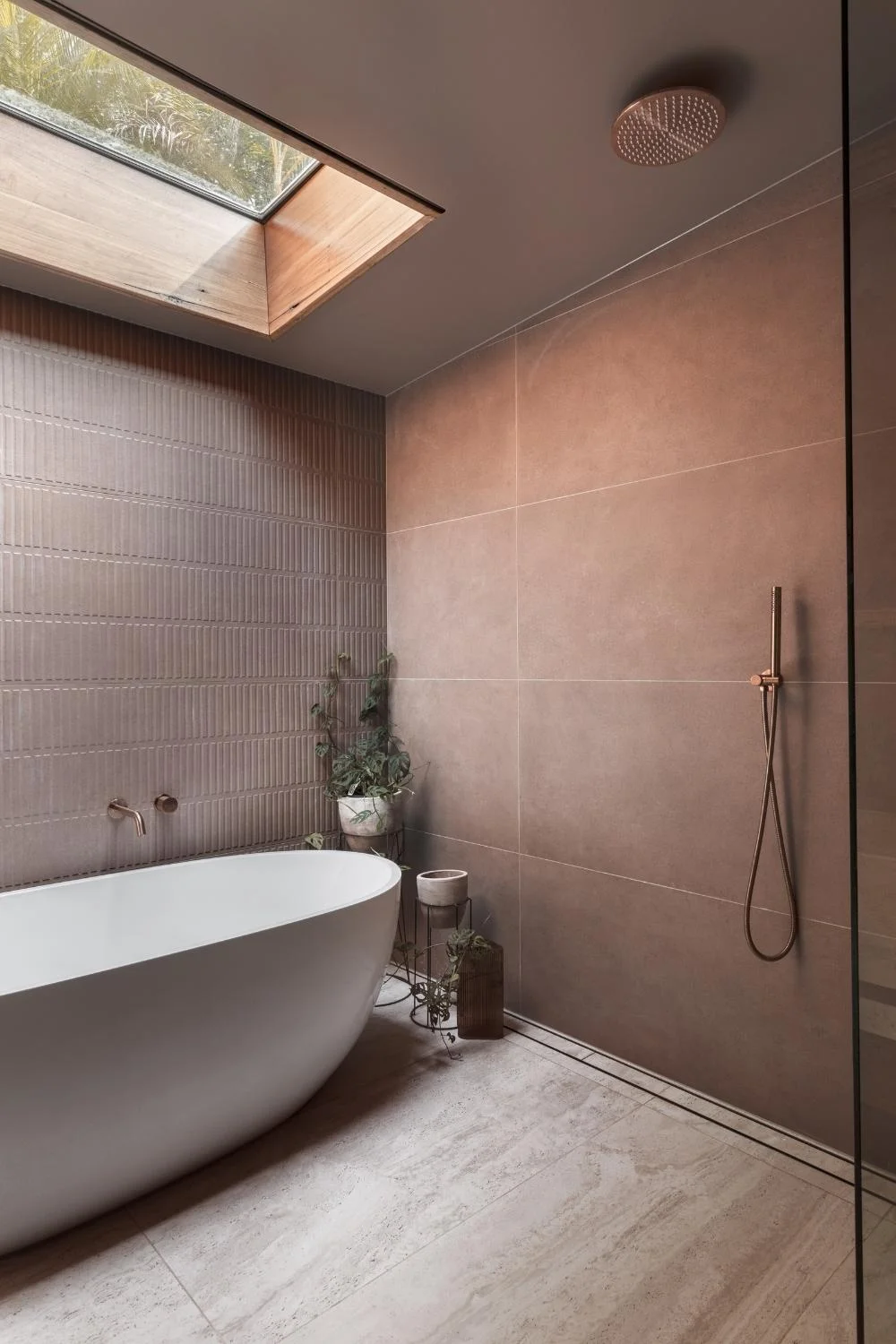
A sculptural kitchen mixer might introduce the finish in one room, while a more refined basin mixer, shower or cabinetry pull carries it into another. The finish becomes the common thread, while each collection brings its own shape and character.
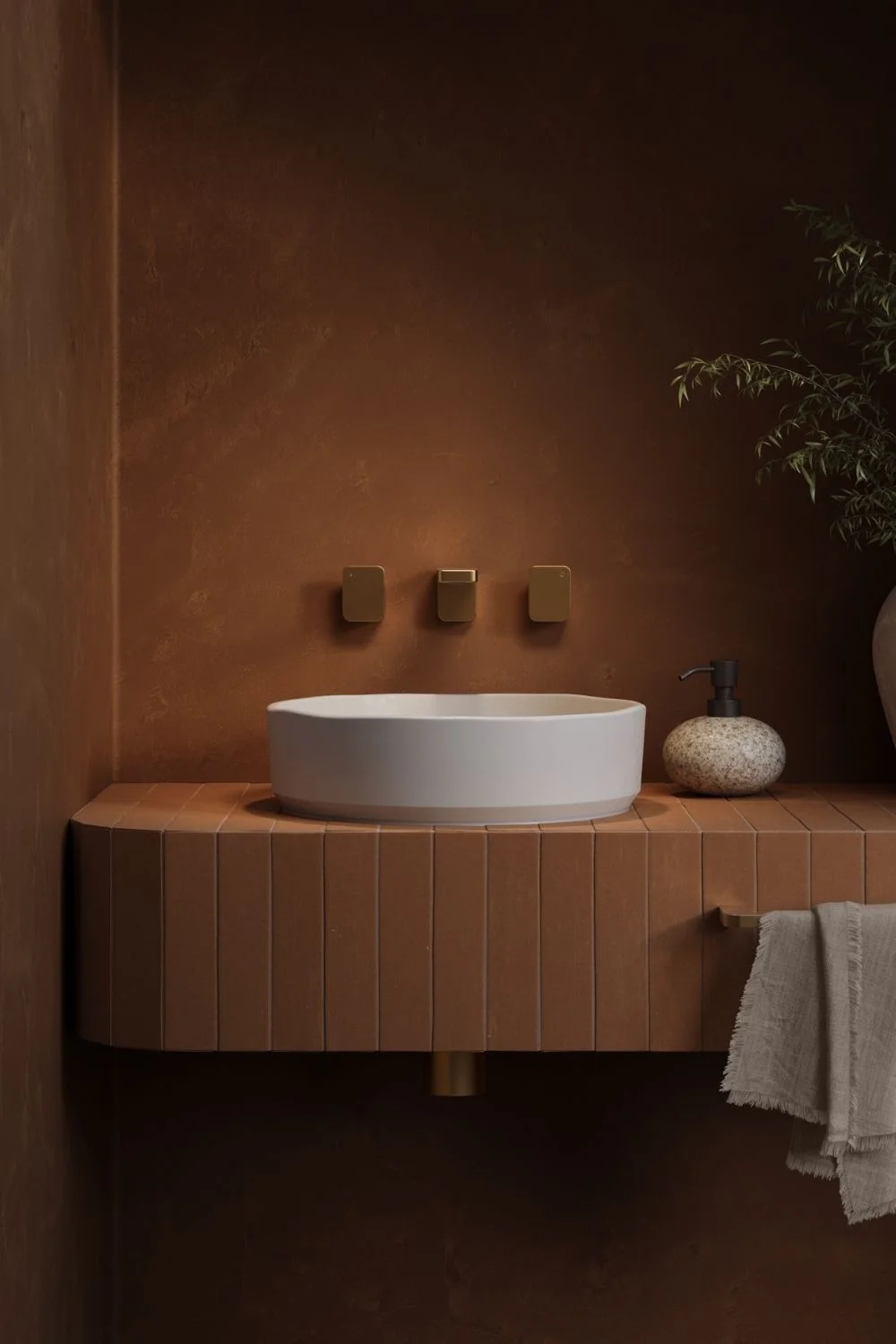
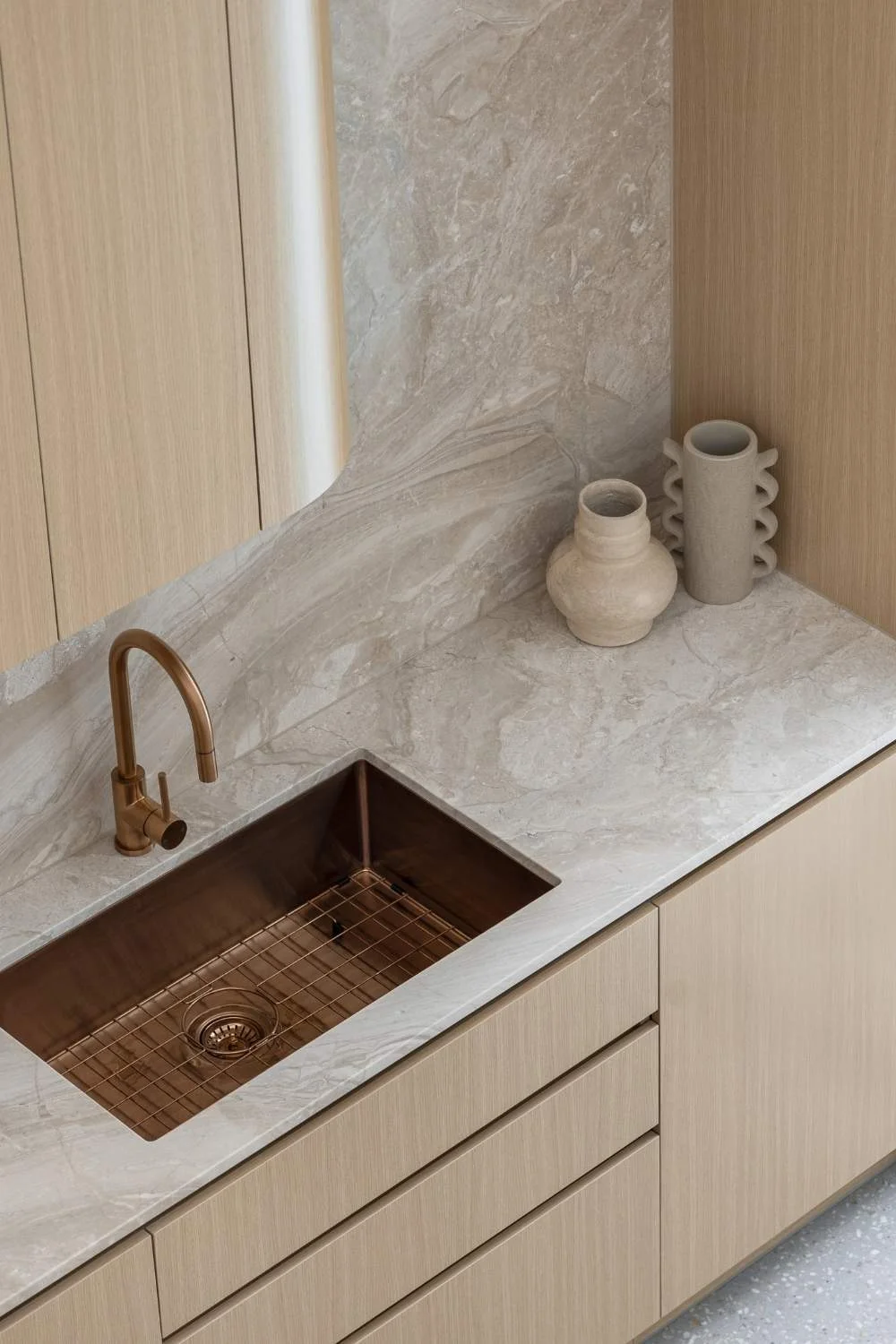
This approach works particularly well when you want a home to feel cohesive without committing to the same fixture style throughout. The palette stays familiar, while the forms can shift with the mood and function of each room, from practical in the laundry to sculptural in the bathroom and more expressive in the kitchen.
3. Different Finishes, Connected Through Form
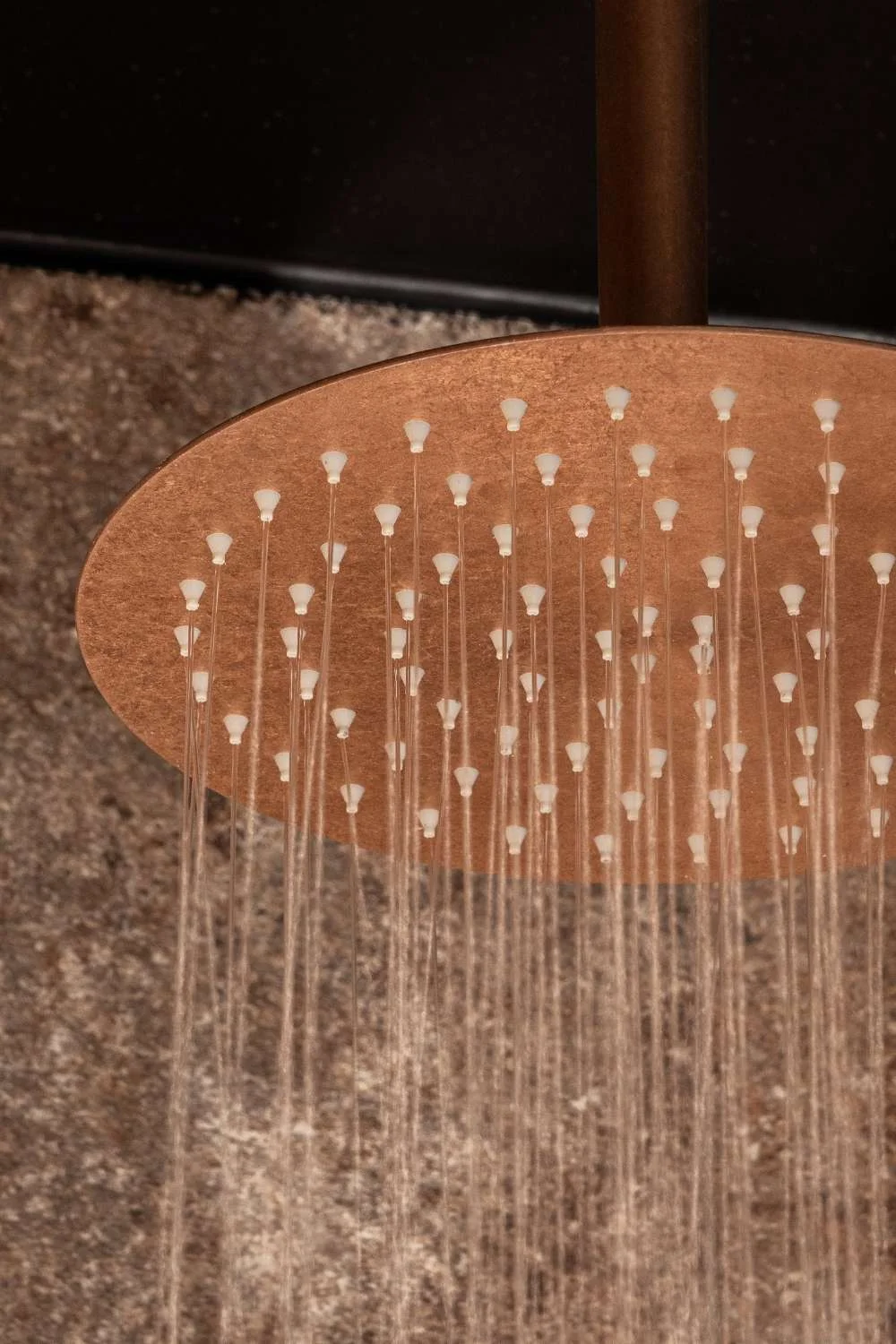
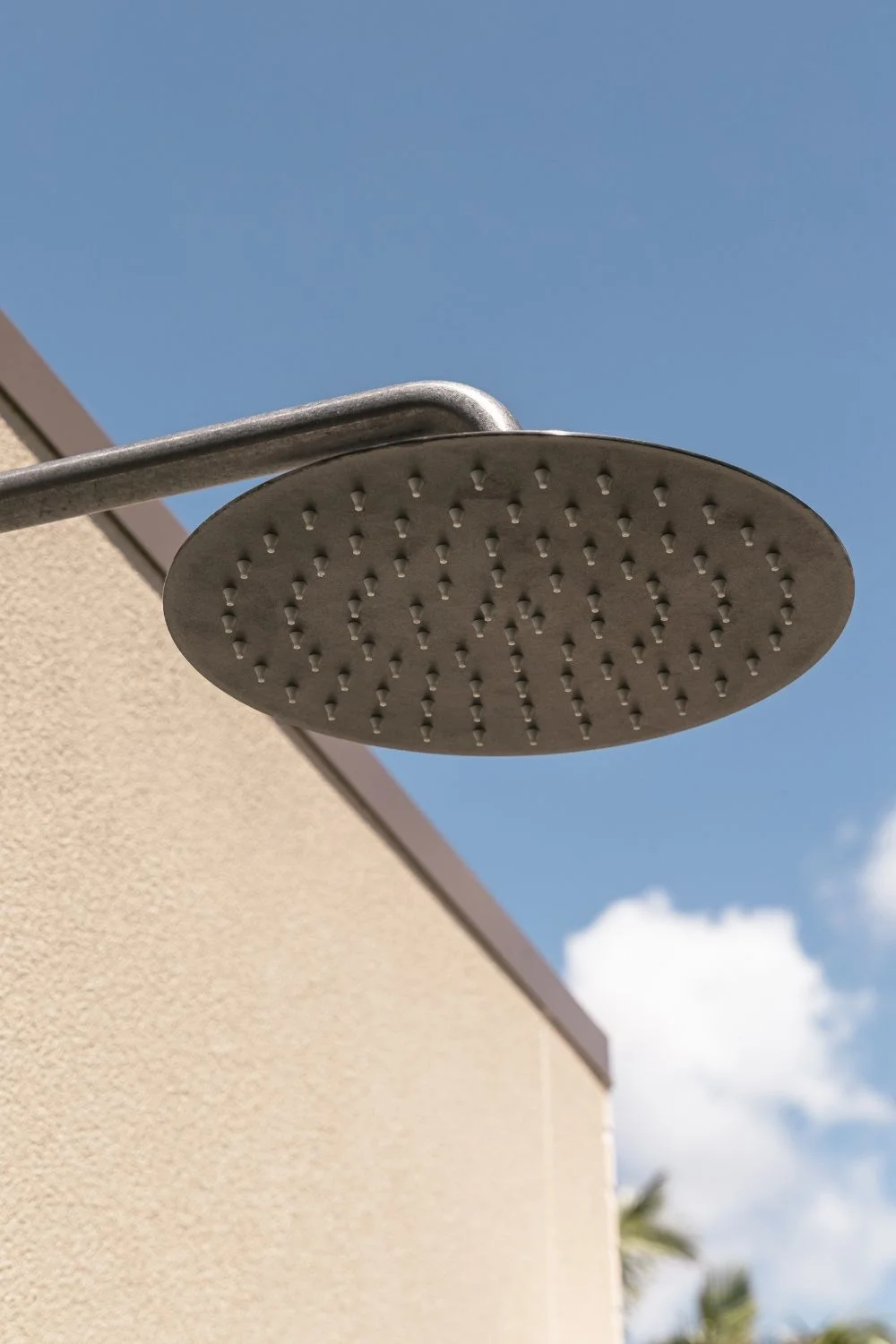
Cohesion doesn’t require one finish. When forms, proportions, and material palettes share a visual relationship, contrasting finishes can sit comfortably within the same home.
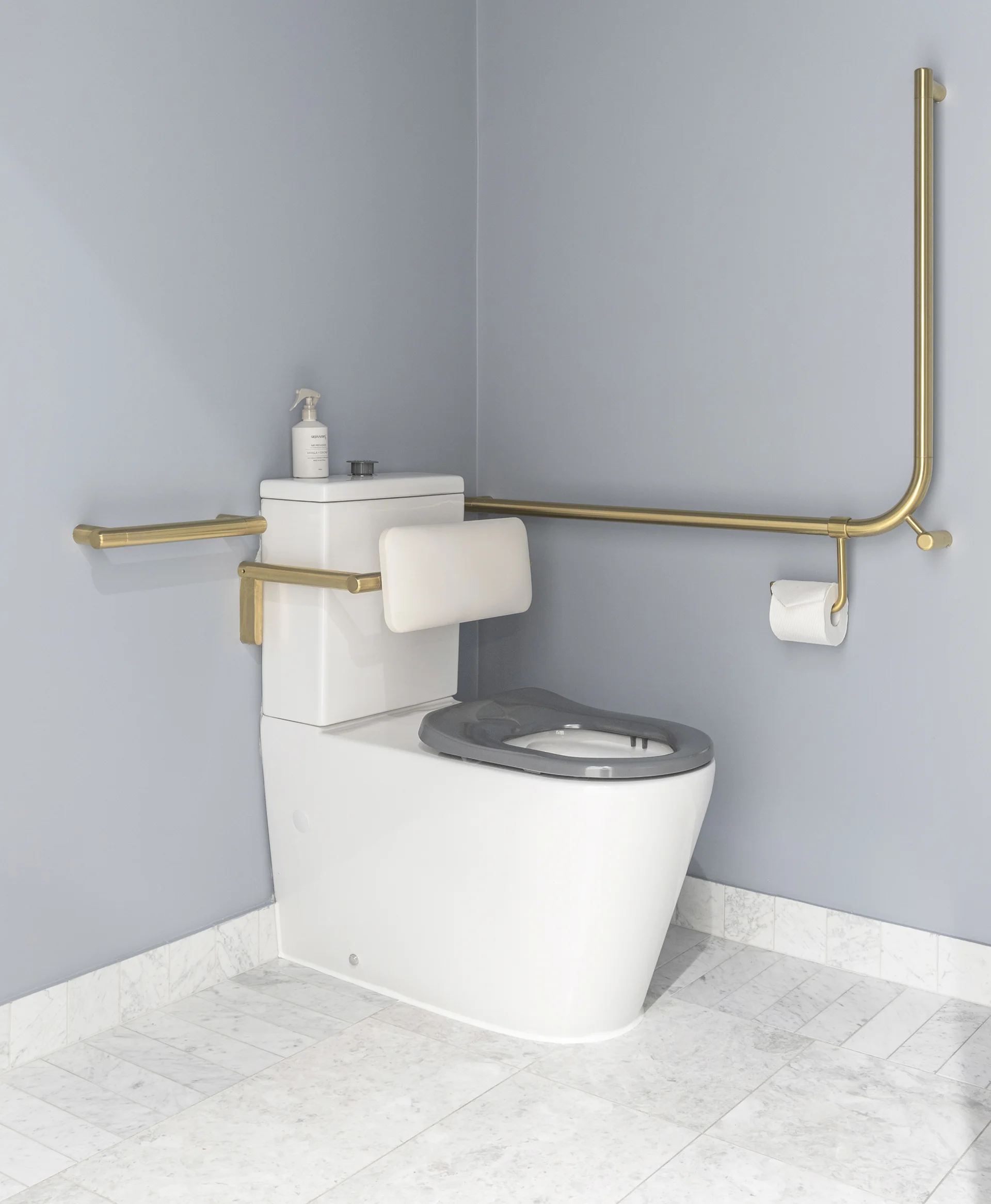
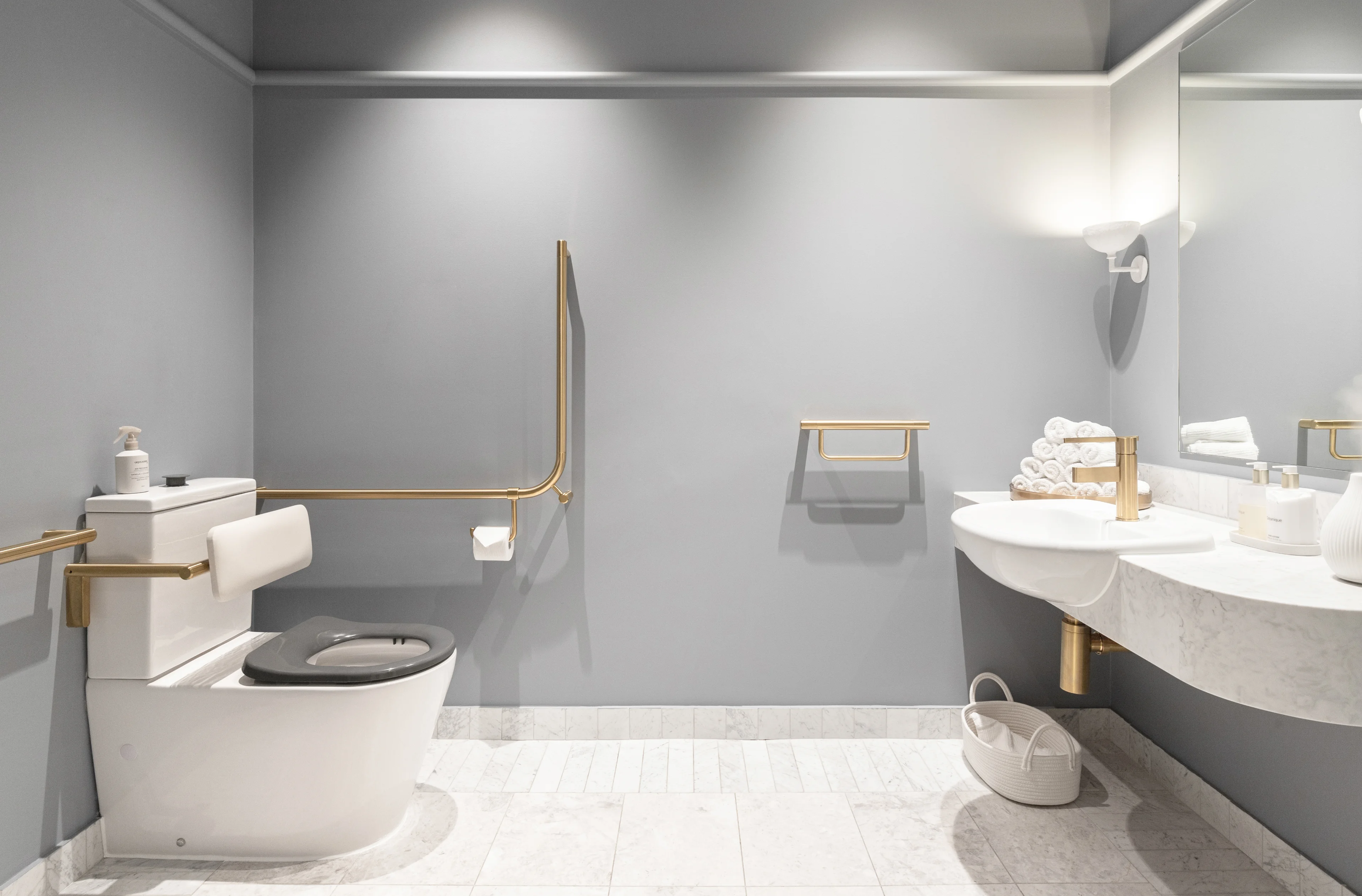
This approach gives each space more freedom to develop its own identity. Brushed nickel might bring a softer, understated quality to a bathroom, while brushed gunmetal adds depth to a laundry and brushed brass introduces warmth in the kitchen.
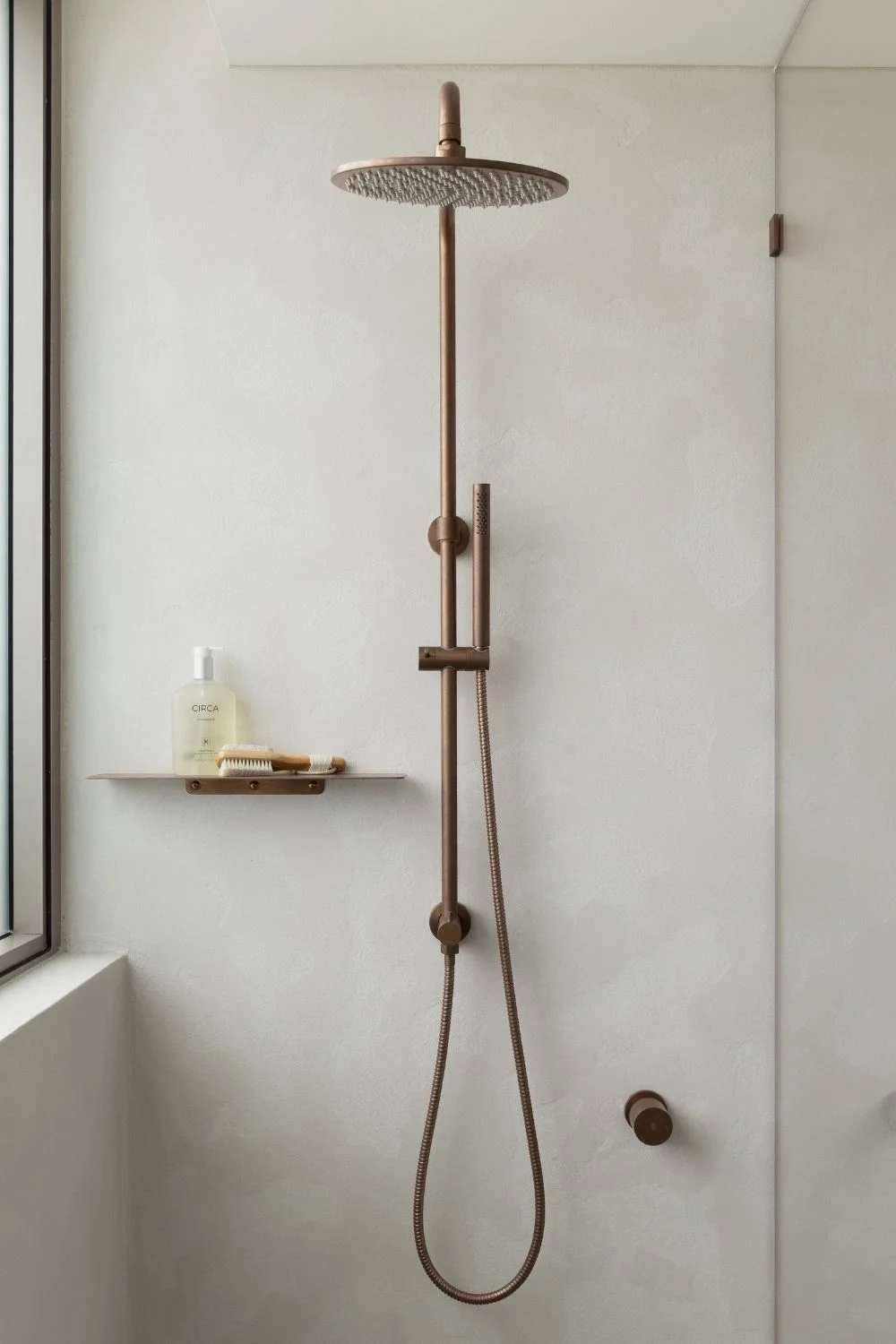
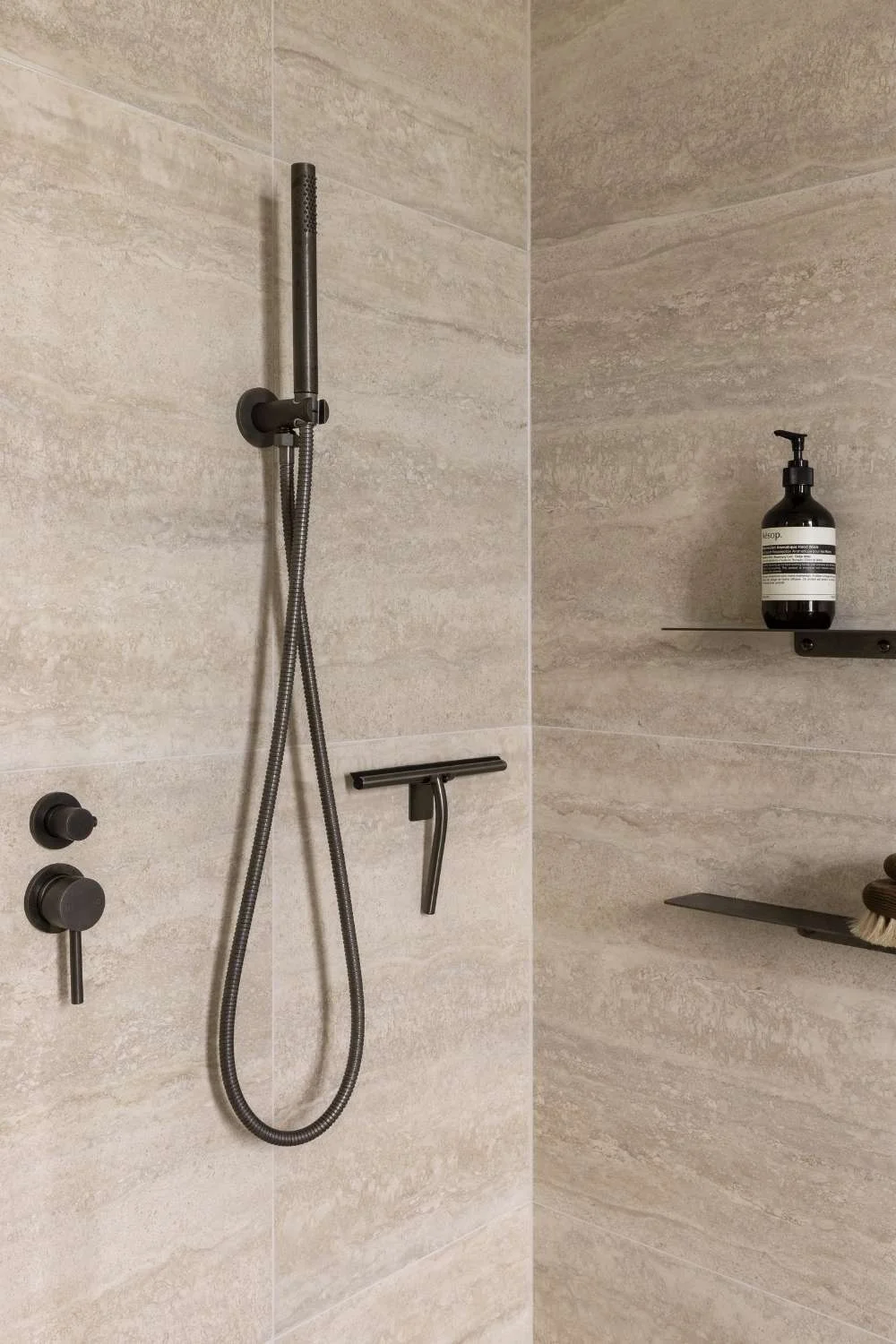
The link between contrasting finishes can come through the details around them. Similar silhouettes, repeated shapes, complementary materials or a shared architectural influence can create familiarity, even as the finishes change.
Rather than matching every fixture, look for details that can be repeated, echoed or complemented. A curved form, distinctive hardware profile or recurring material can be enough to give different spaces a sense of belonging, allowing contrasting finishes to feel intentional rather than disconnected.
Individualise Each Room’s Identity
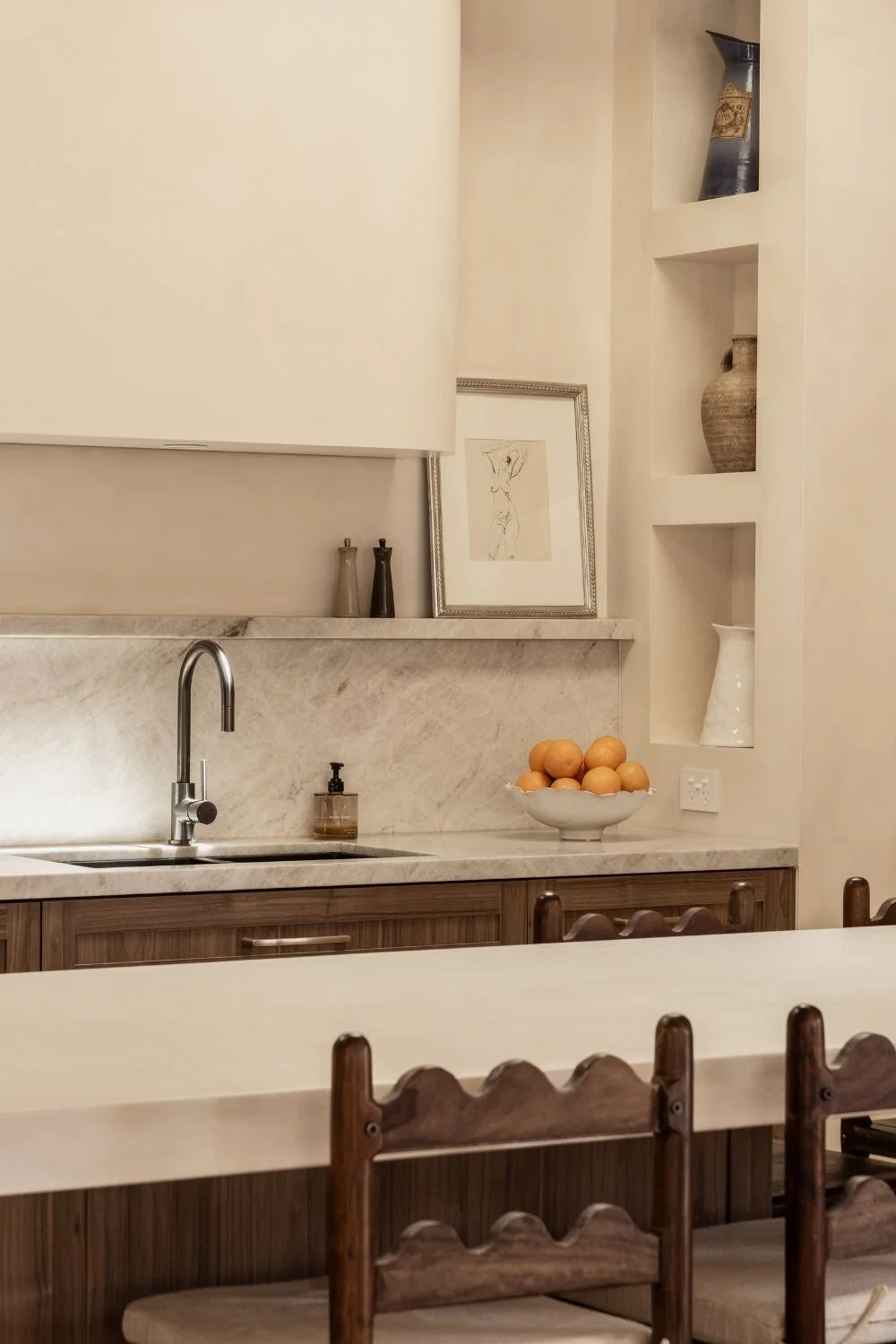
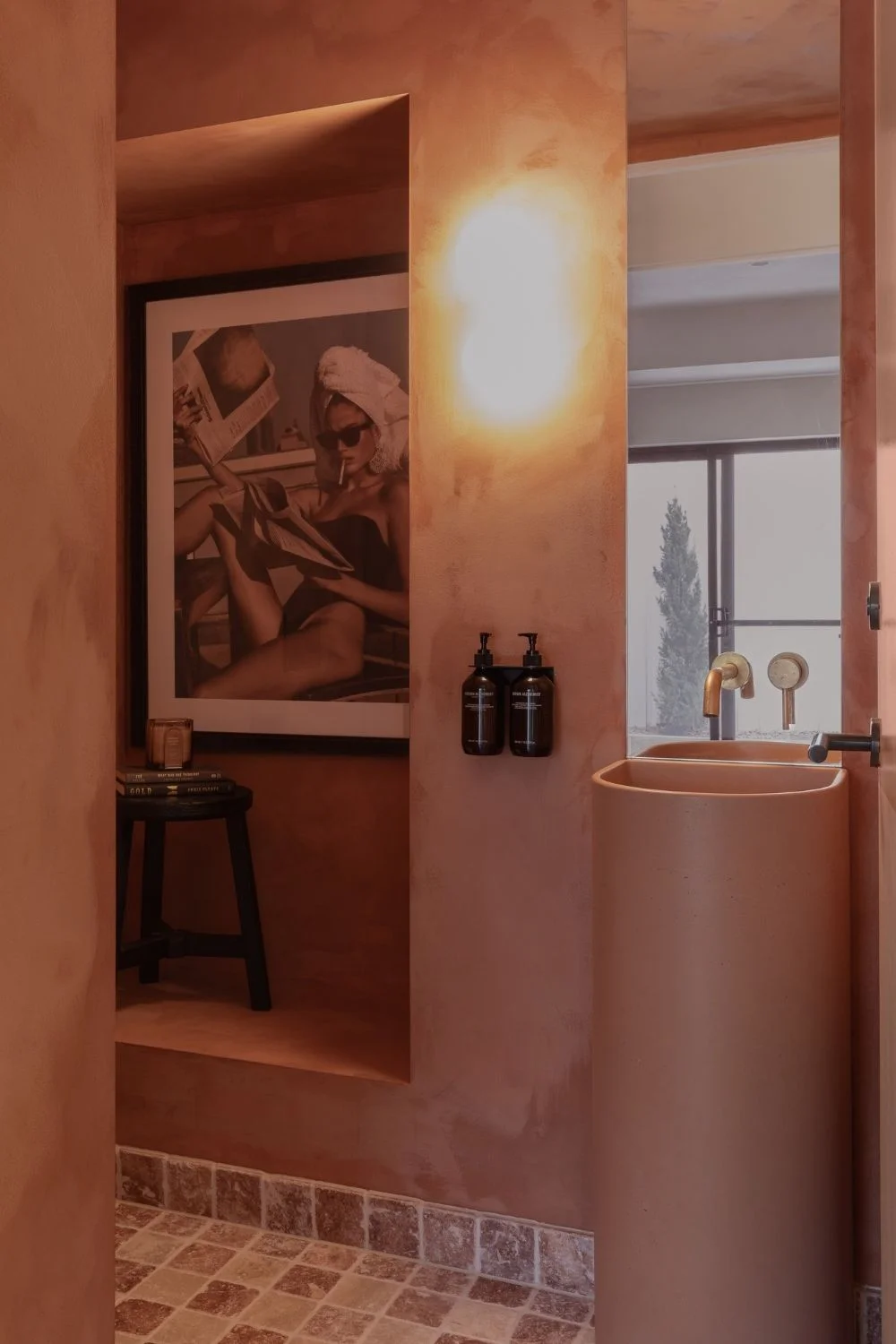
A cohesive home can still be full of contrast. A shared finish, material or design detail can create familiarity between spaces, while each room retains its own purpose, atmosphere, and opportunity for expression.
The kitchen might lean warmer and more inviting, with statement fixtures that become part of the social heart of the home. The bathroom can take on a softer, more refined character, while the laundry brings practicality into focus. Outdoors, a relaxed, material-led approach can extend the design language beyond the walls and into the surrounding landscape.
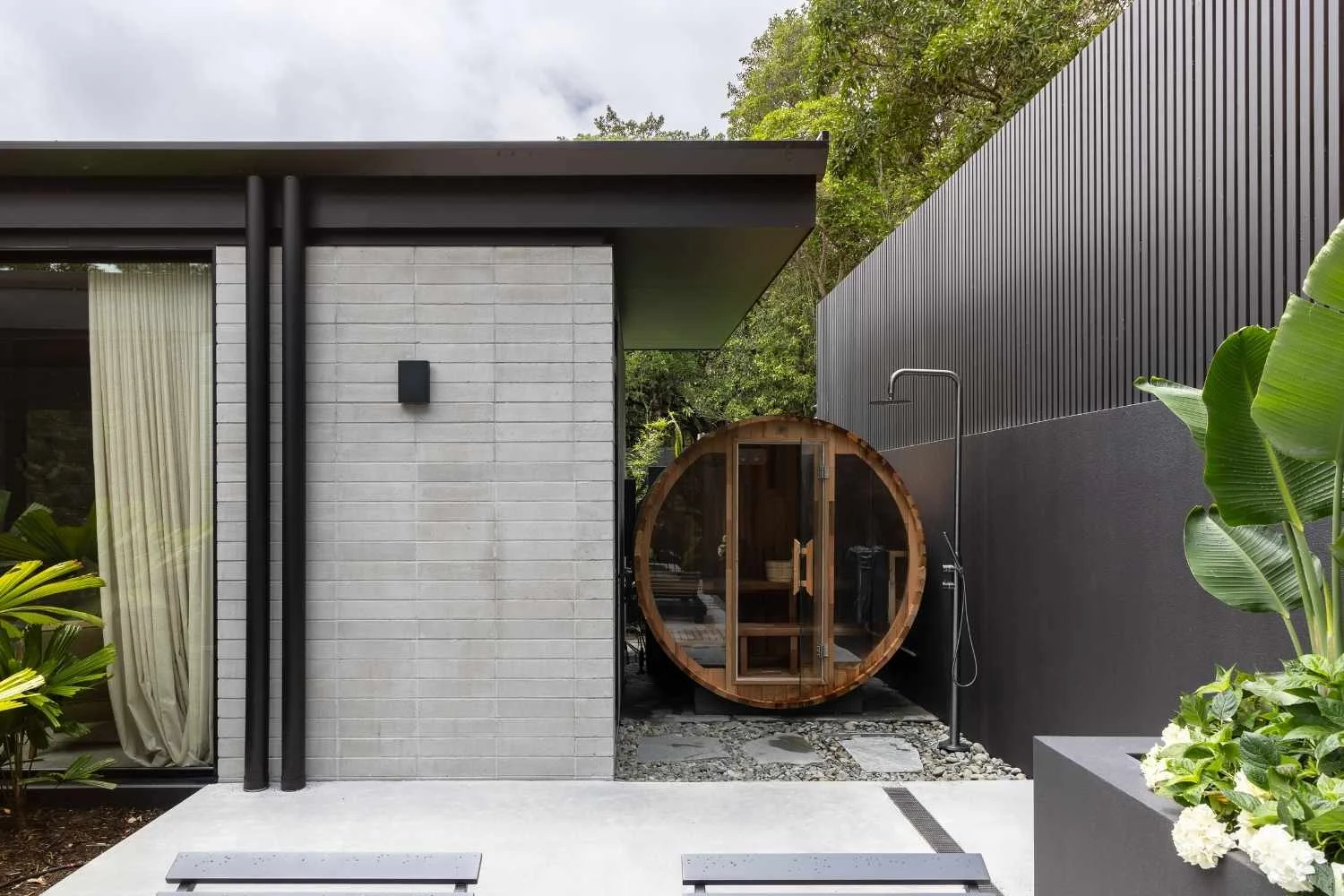
Rather than making every room look the same, see how each space can interpret the wider design language in its own way.
Something to Start
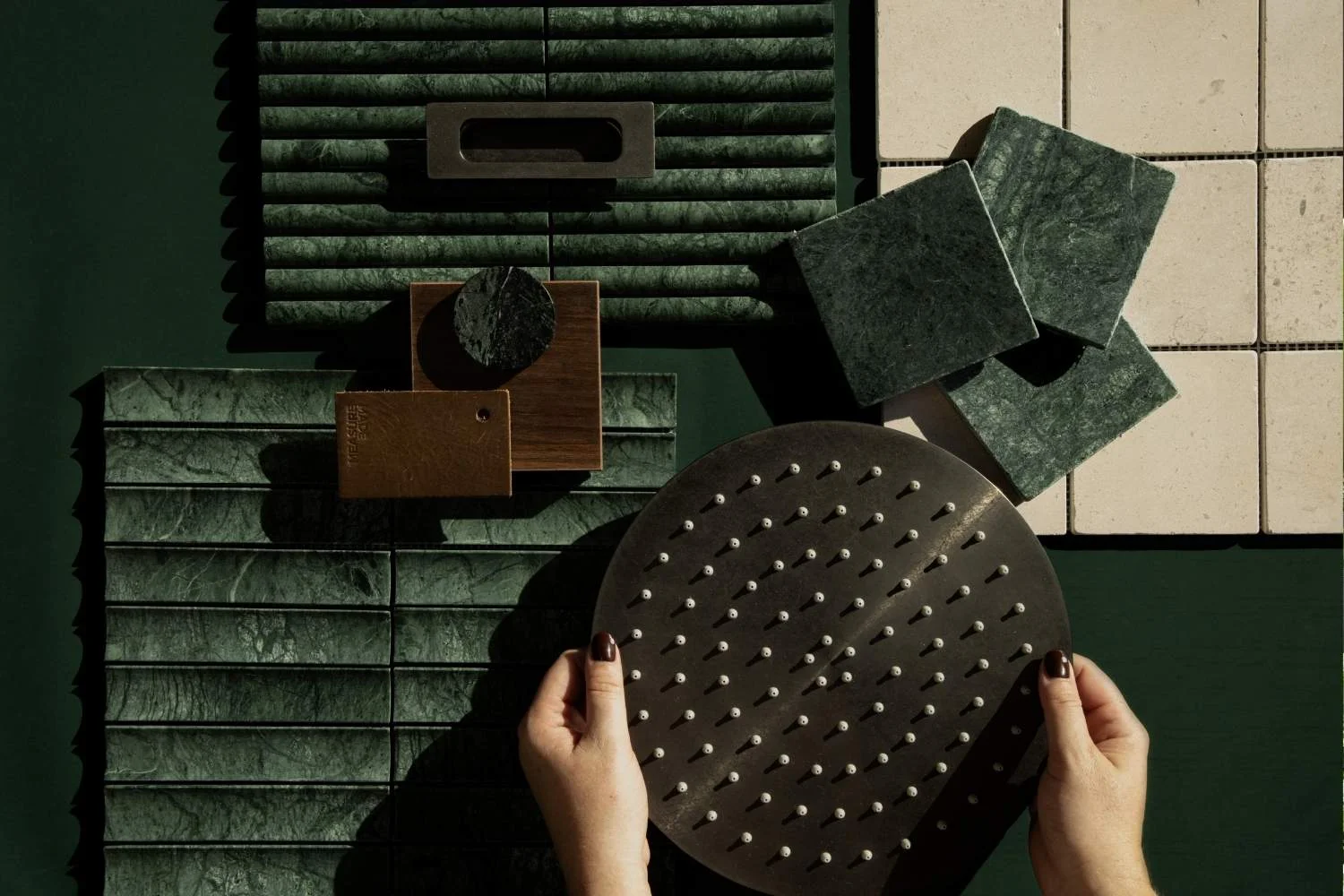
You don’t have to design the whole home at once. Sometimes, cohesion begins with a single element you love. It might be a tapware finish that sets the tone for the kitchen, a stone that inspires the bathroom, a tile that introduces colour, a cabinetry finish that brings warmth, or an architectural form that can be echoed throughout the home.
From there, build around it. Look for colours, materials, finishes and forms that complement your starting point, then identify where those elements might reappear in more subtle ways. One detail can become the starting point for the wider scheme, giving the rest of the home a natural direction while leaving room for it to evolve.
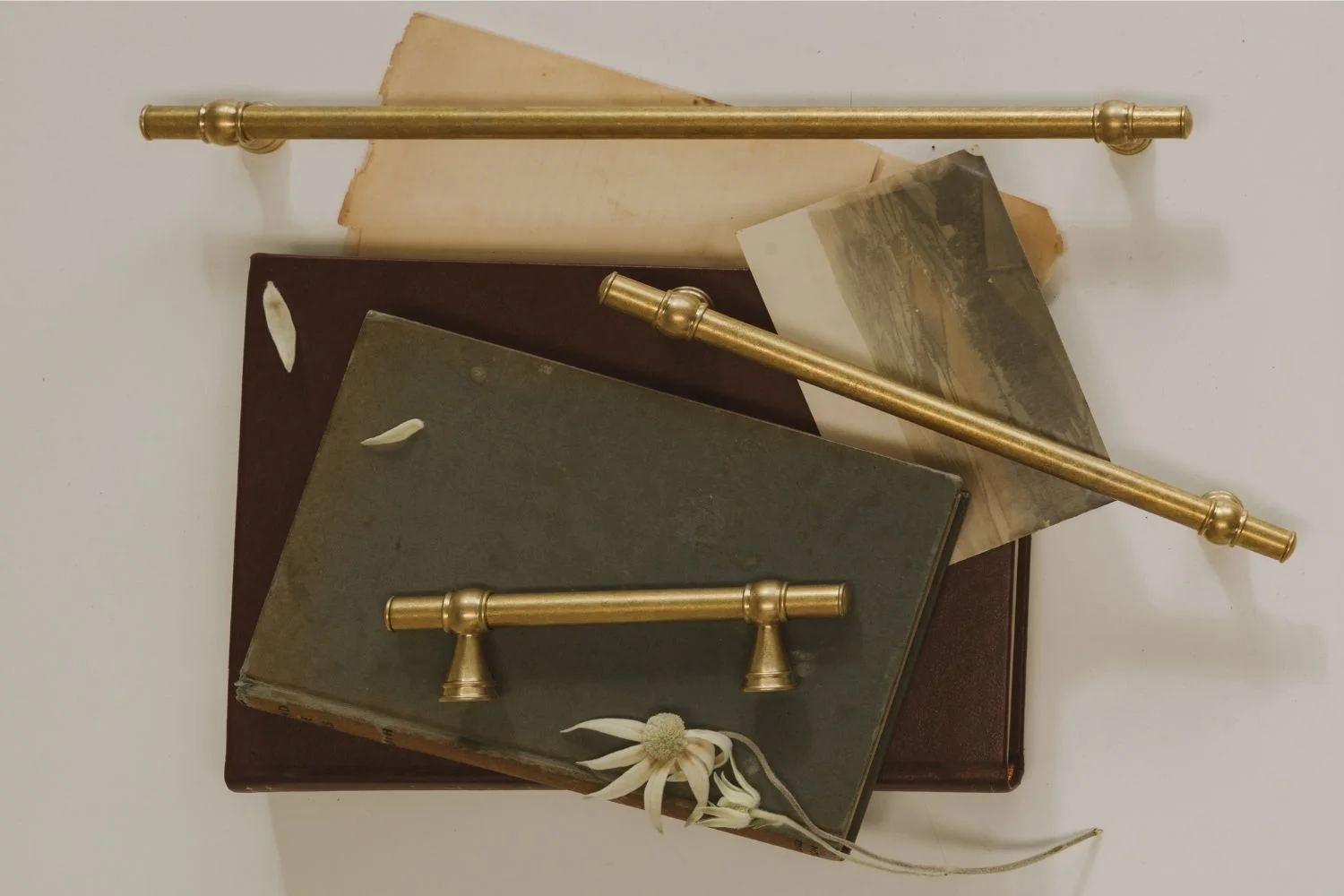
Cohesive design doesn’t have to follow one formula. Whether you carry a single finish throughout your home, explore different collections within a shared palette, or mix finishes through complementary forms and materials, the approach can be as individual as the spaces you create.
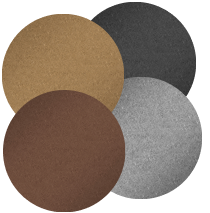
With 15 product collections and up to 12 finishes across our signature and Antique ranges, ABI offers a considered foundation for creating a design language that moves naturally from room to room. From the evolving character of Kingsley Tumbled Aged Brass, the tonal depth of our Antique finishes, and the varied forms of our collections, there are many ways to bring your personal style into the wider home.
The result doesn’t need to be perfectly matched; it simply needs to feel like you. Start with the elements you’re drawn to, look for the details that bring them together, and let your cohesive interior evolve from there.
Inspired by this blog? Explore more interior ideas here:
A Guide to Grout Colours: How One Detail Transforms Any Tile