Our Range































Modern Interior Design: Elevate Your Home With Form & Function
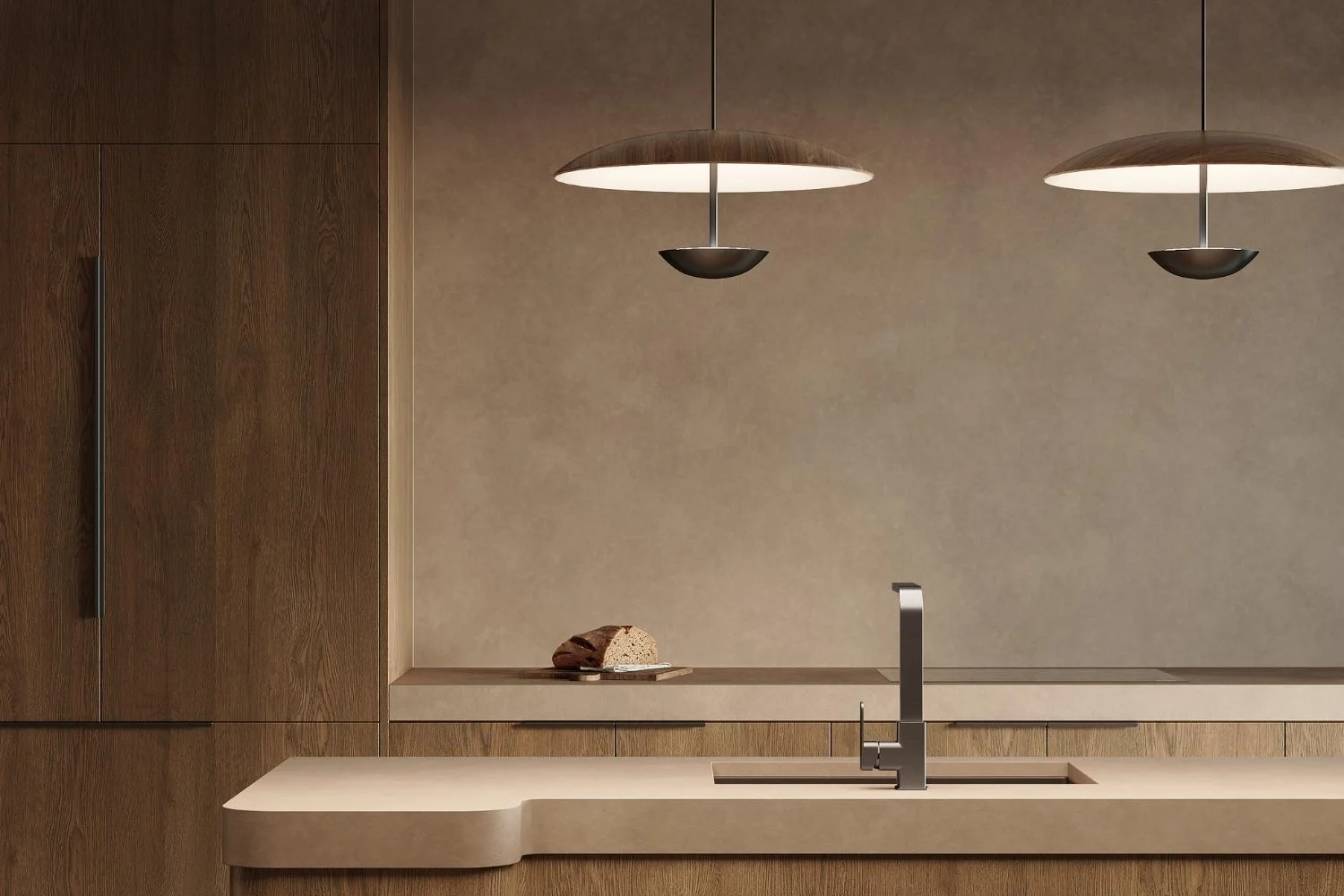
Modern interior design has endured not because it chases trends, but because it resists them. Rooted in clarity, purpose, and restraint, modernism prioritises how a space works just as much as how it looks. It’s a design philosophy shaped by architecture, craftsmanship, and the belief that good design should quietly improve everyday life.
Today, modern interiors continue to evolve; softened, humanised, and reinterpreted for contemporary living. This shift toward warmth and tactility is where thoughtful design details matter most. ABI Interiors’ new Nesso Collection embodies this evolution, offering a refined take on modernist principles through softened geometry, durable materials, and cohesive design continuity across the home.
Discover our new square-inspired collection and reimagine your home through the timeless lens of modern design.
What is Modern Interior Design?
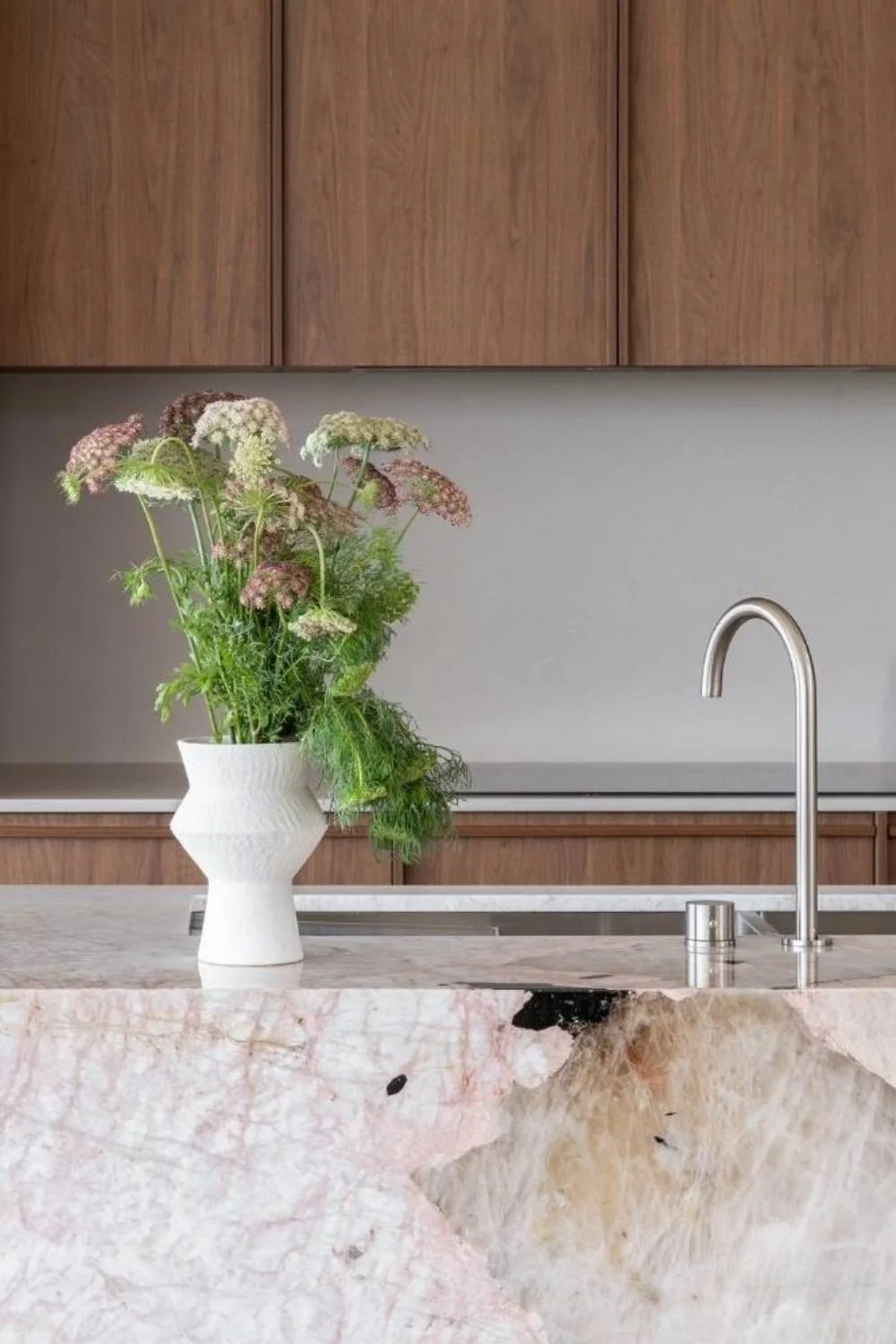
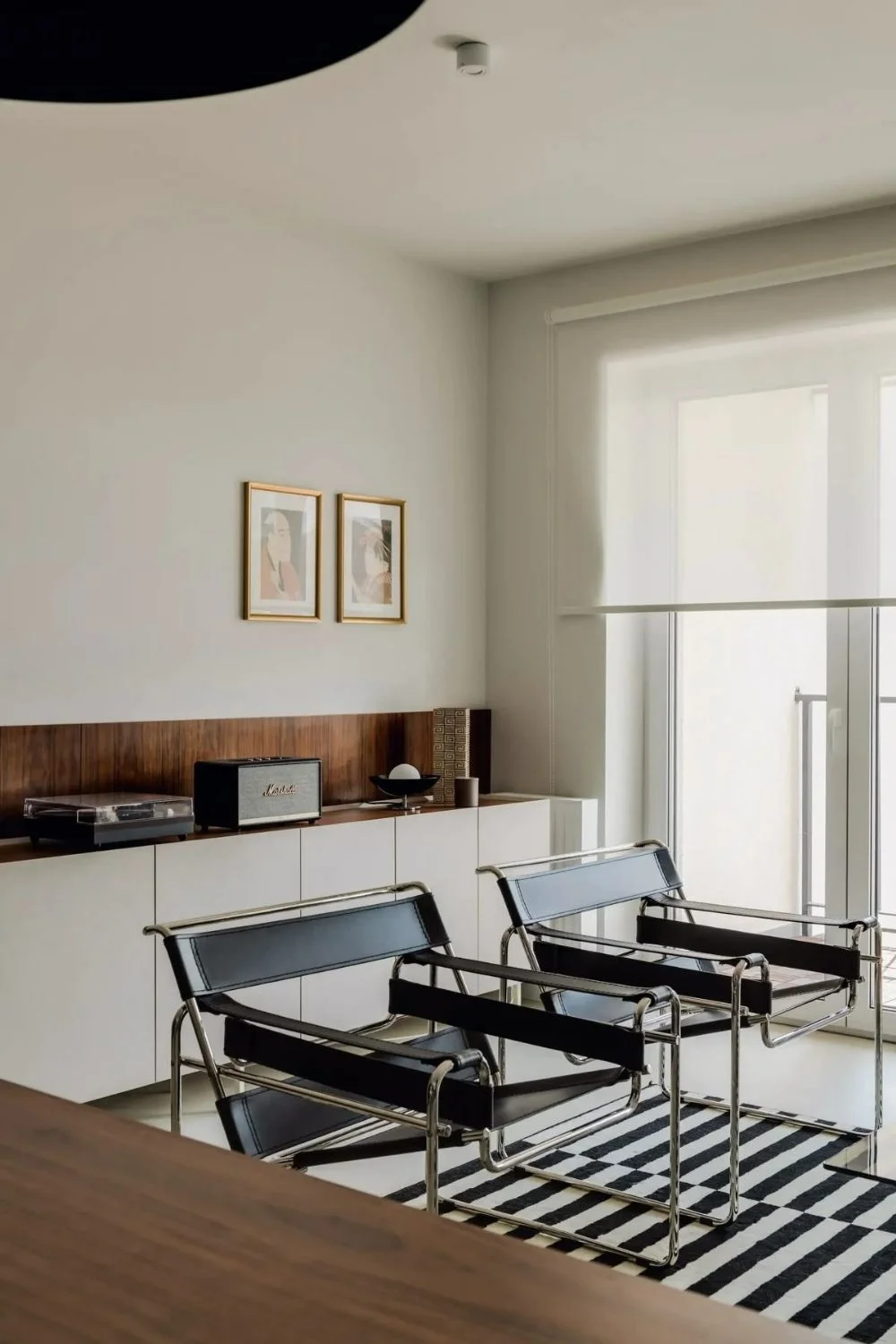
Modern interior design emerged in the early 20th century as a response to excess ornamentation and historical revival styles. Instead, designers and architects embraced simplicity, innovation, and functional beauty, allowing form to follow function. At its core, modern design is defined by the following elements:
- Clean lines and purposeful forms create spaces that feel ordered and considered, where every element serves a function rather than merely decoration.
- Minimal ornamentation allows the architecture and materials to take centre stage, avoiding excess in favour of simplicity and balance.
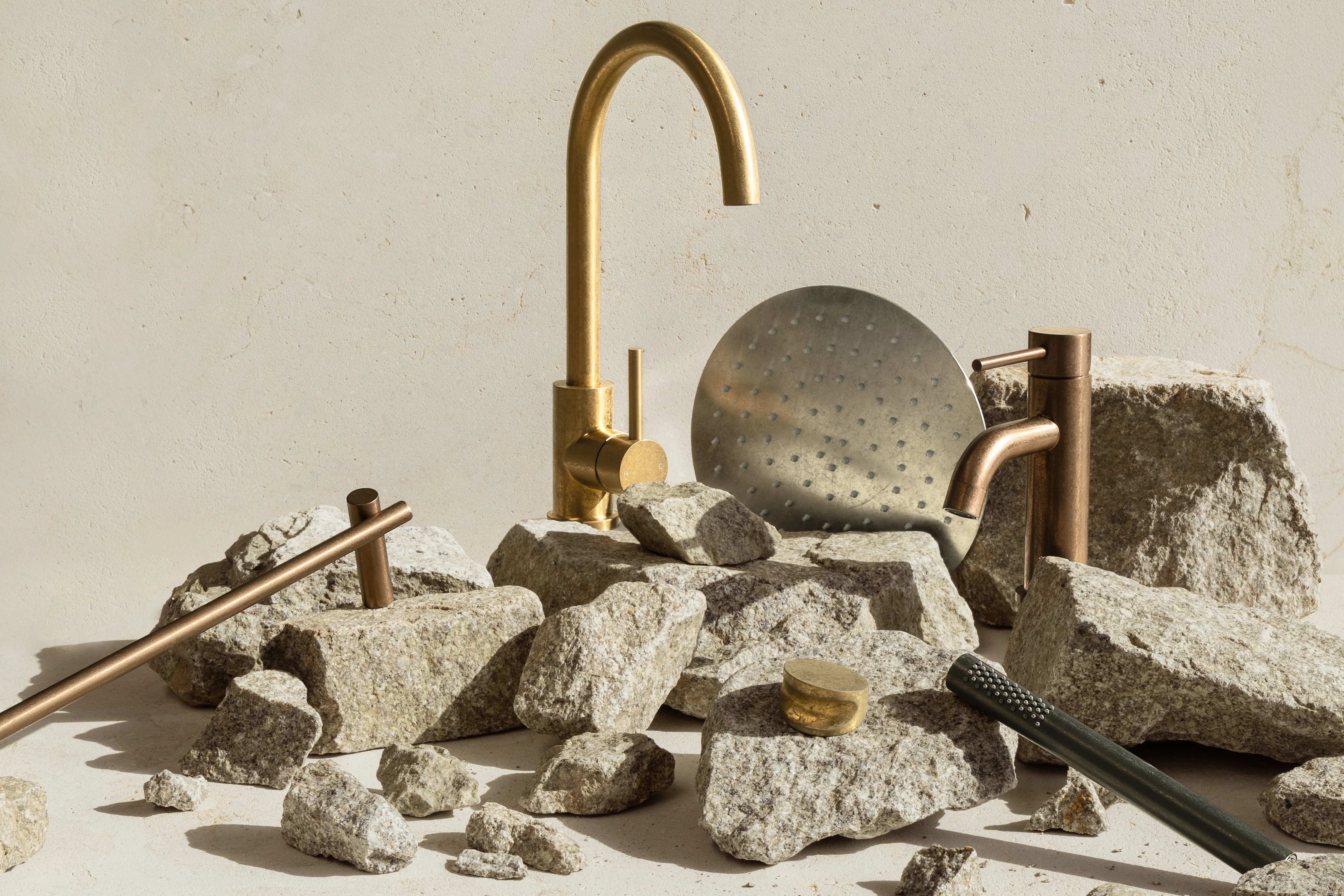
- Honest materials, including steel, timber, stone, and glass, are celebrated for their inherent qualities — grain, texture, weight, and finish — rather than being concealed or overly embellished. These materials bring warmth and authenticity while reinforcing the connection between form and function.
- Functional layouts, open plans, strong sightlines, and an emphasis on natural light support a sense of flow and usability, ensuring spaces feel intuitive and adaptable.
- A ‘less is more’ colour palette is central to modernist design, utilising a base of neutral tones (white, cream, grey, beige) punctuated by bold primary colours or earthy, warm hues to create harmony and balance. Contrast is introduced thoughtfully through material shifts, shadow, or subtle detailing rather than bold decoration.
Rather than feeling cold or stark, well-executed modern interiors feel intentional and calm, with every element earning its place.
Architectural Foundations of Modernism
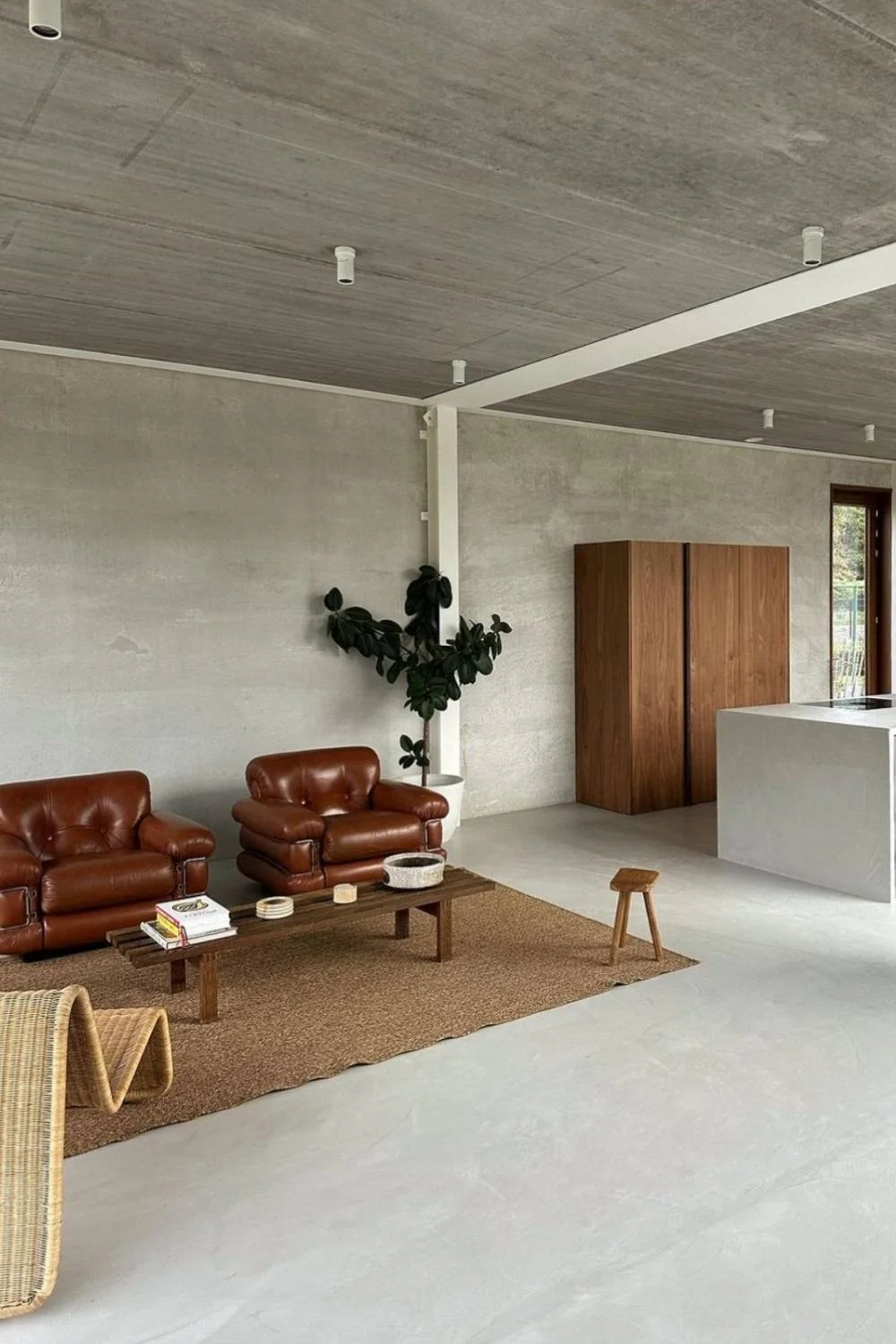
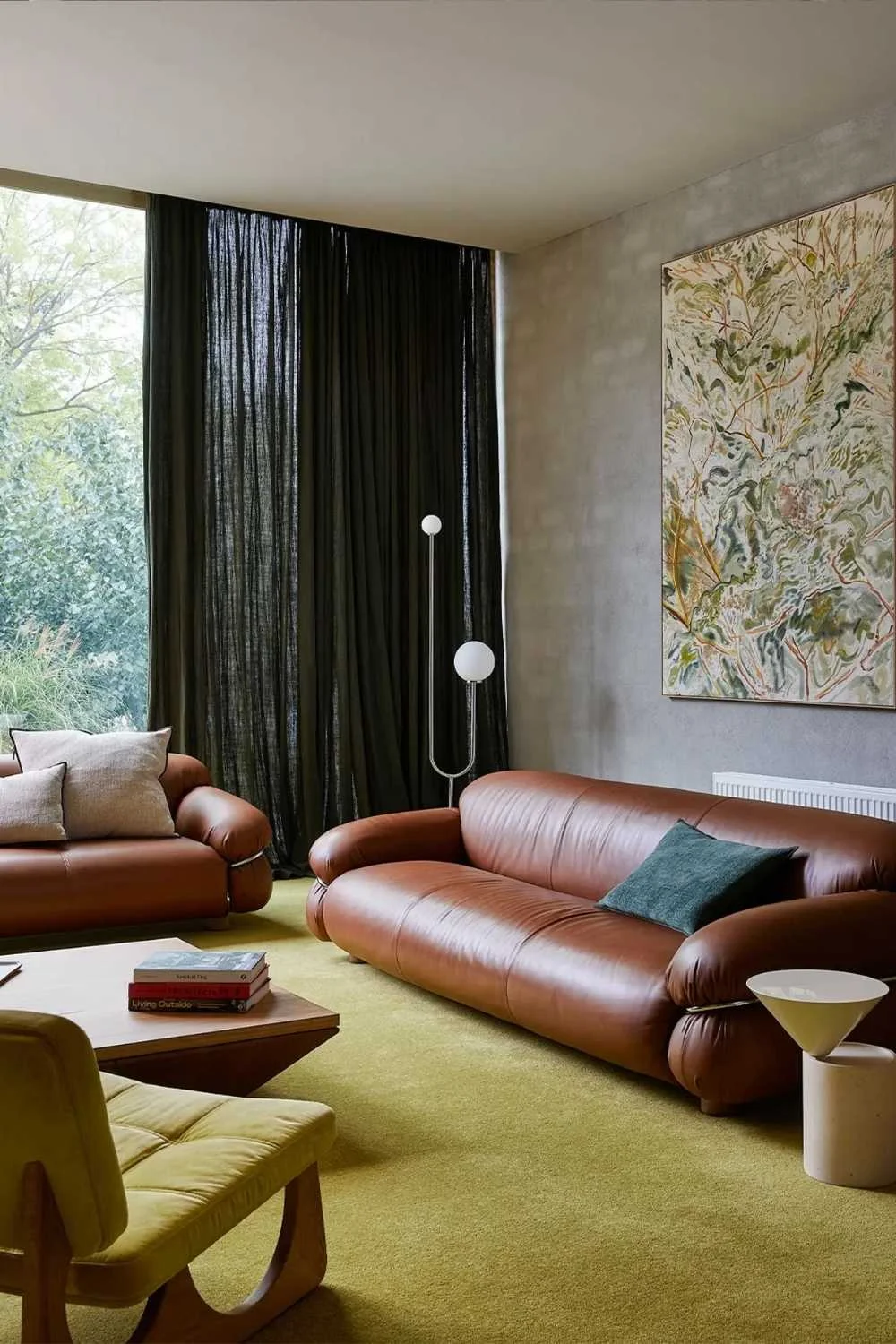
The story of modern interior design is deeply intertwined with the architectural movements that shaped its principles and aesthetic.
The Bauhaus Movement | Germany
Pioneering the idea that art, design, and industry should work together, Bauhaus rejected decoration in favour of clarity and utility. Its influence is still felt today in minimalist interiors that value craftsmanship and precision.
The International Style | 1930s onwards
Defined by volume over mass, asymmetry, and minimal detailing, this movement spread modernism globally through architects such as Le Corbusier. Interiors mirrored these ideas with open plans and pared-back finishes.
Mid-Century Modern | Post-WWII
Perhaps the most recognisable expression of modernism, mid-century modern design introduced warmth through natural materials and organic forms. In Australia, architects like Harry Seidler championed this style, adapting modernist ideals to suit climate, landscape, and indoor–outdoor living.
Introducing The Nesso Collection
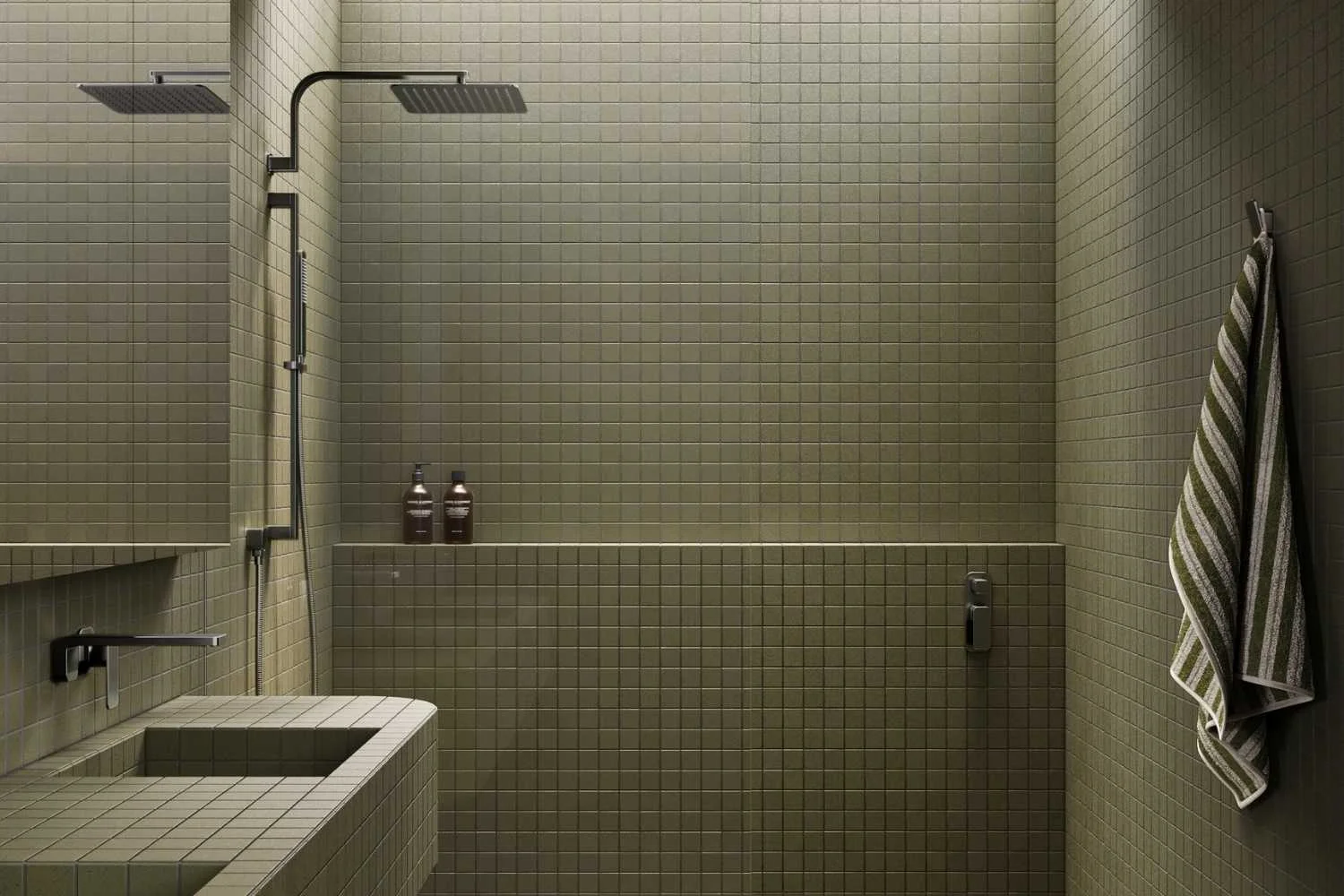
The Nesso Collection offers a refined, architectural interpretation of the classic square form, defined by visual restraint, balance, and clarity of design.
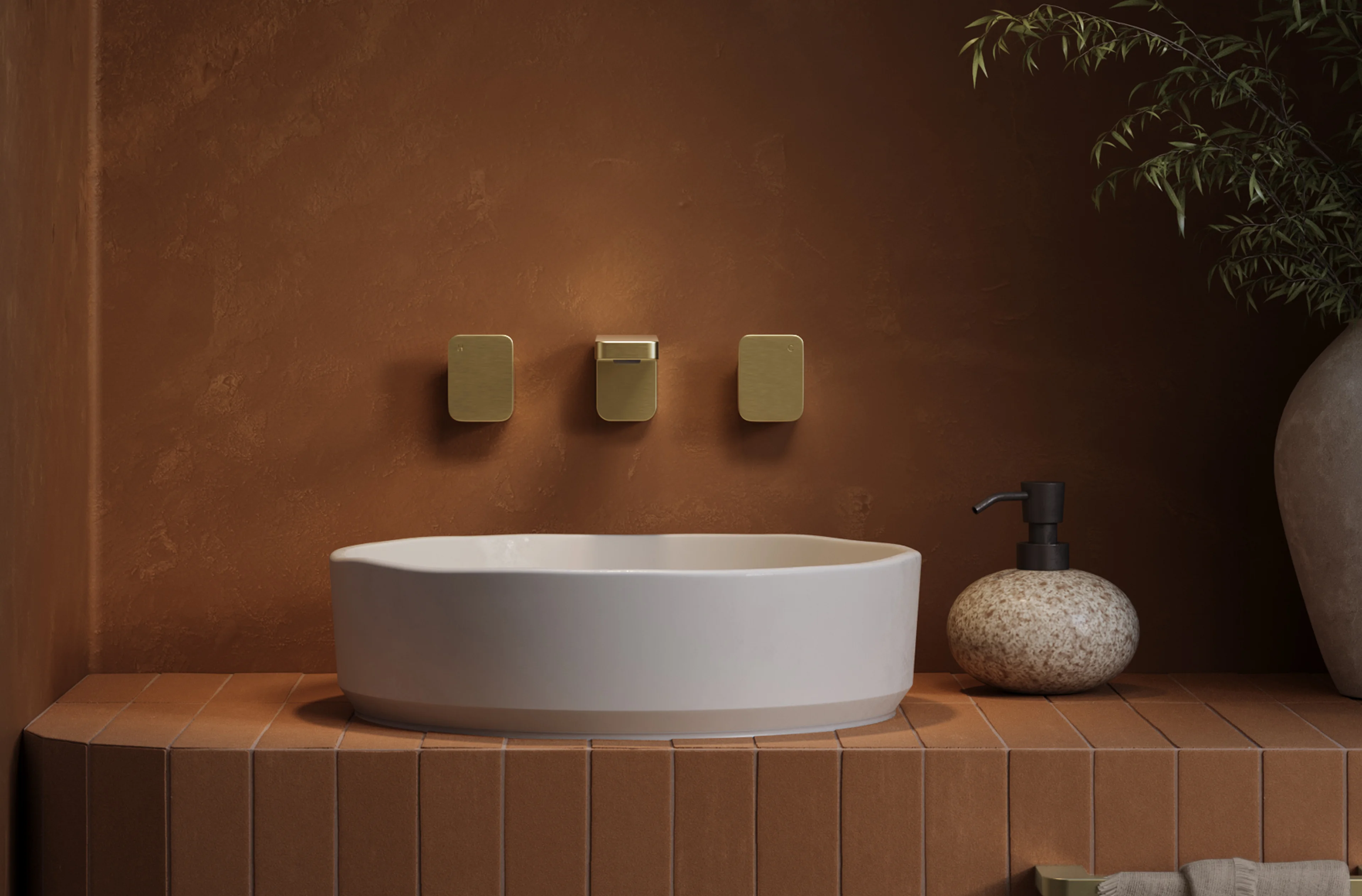
Characterised by a slim, square profile softened with gently curved edges, inspired by the iconic form of the iPhone, Nesso was designed to bring sophistication and approachability to square tapware and accessories. Its geometry is intentional and balanced, allowing each piece to feel calm and resolved rather than rigid or industrial.
Consistency across the collection creates a unified design language, where each element shares the same architectural logic. Rather than competing with its surroundings, Nesso is designed to support the architecture of a space, sitting comfortably across interior styles from modern interior design and Japandi to mid-century modern and industrial.
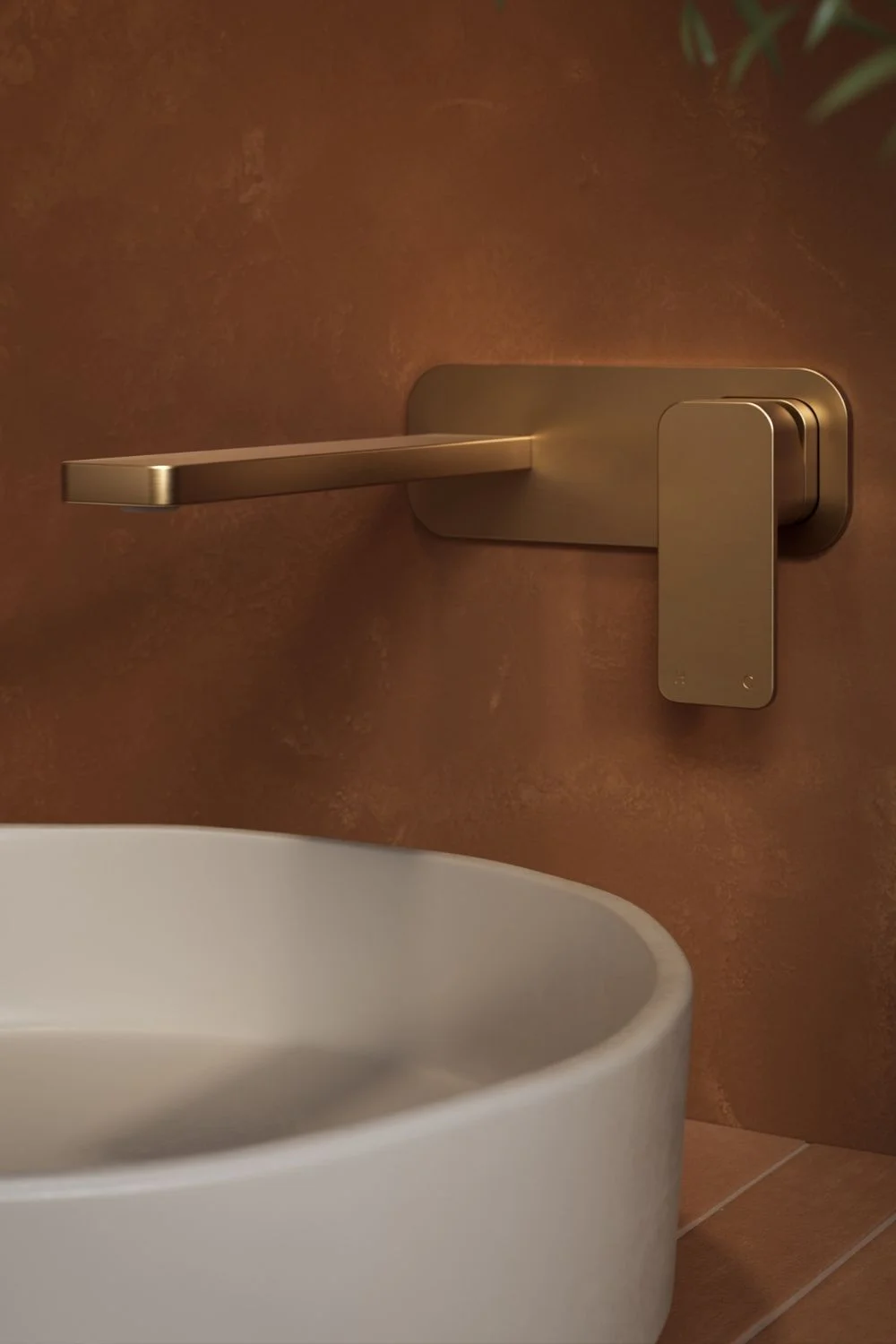
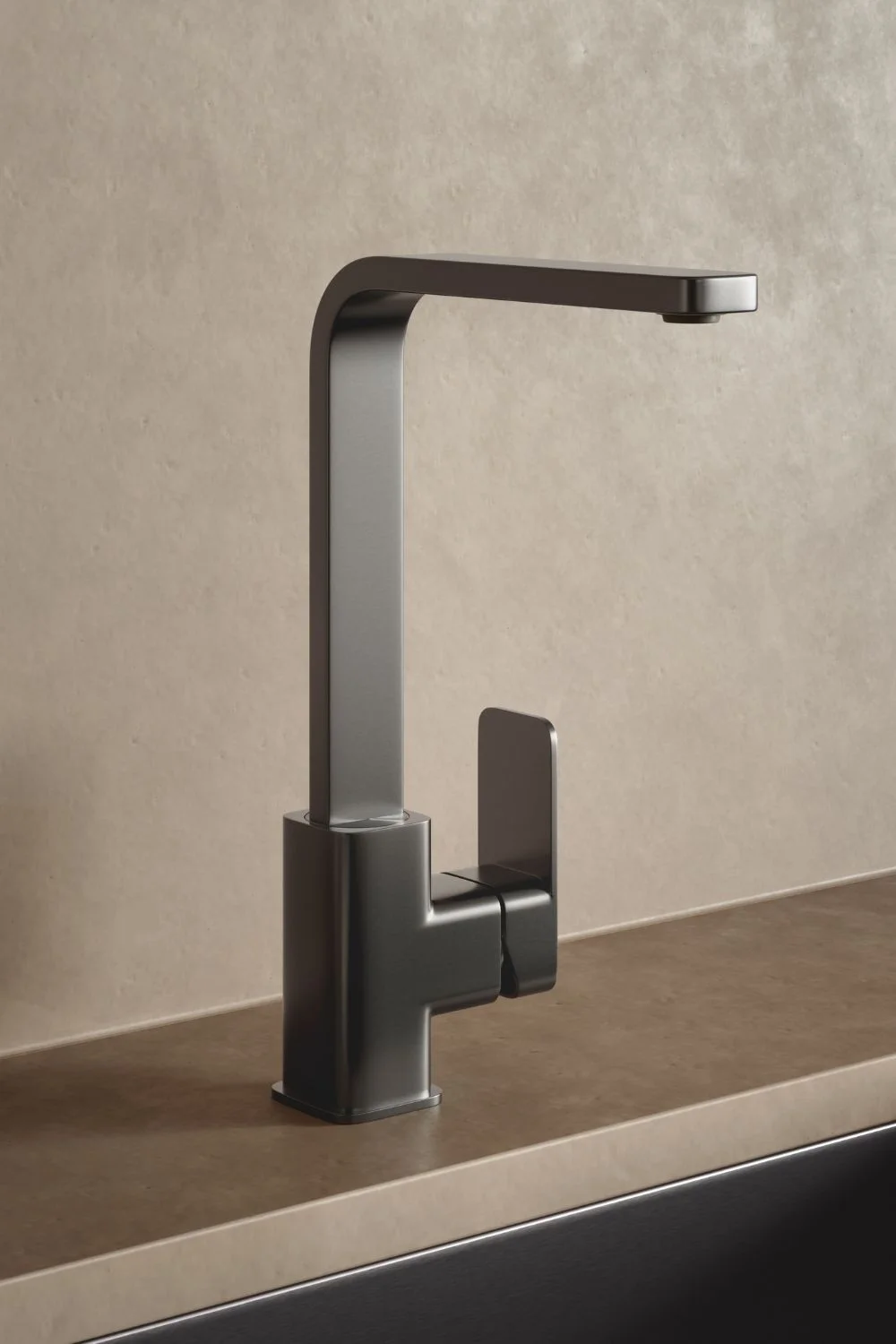
Material honesty is central to the collection’s design. Crafted from 304 stainless steel, Nesso delivers durability, corrosion resistance, and enduring performance without compromising form. The result is a range that feels robust, responsibly engineered, and visually refined.
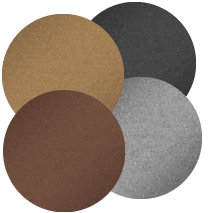
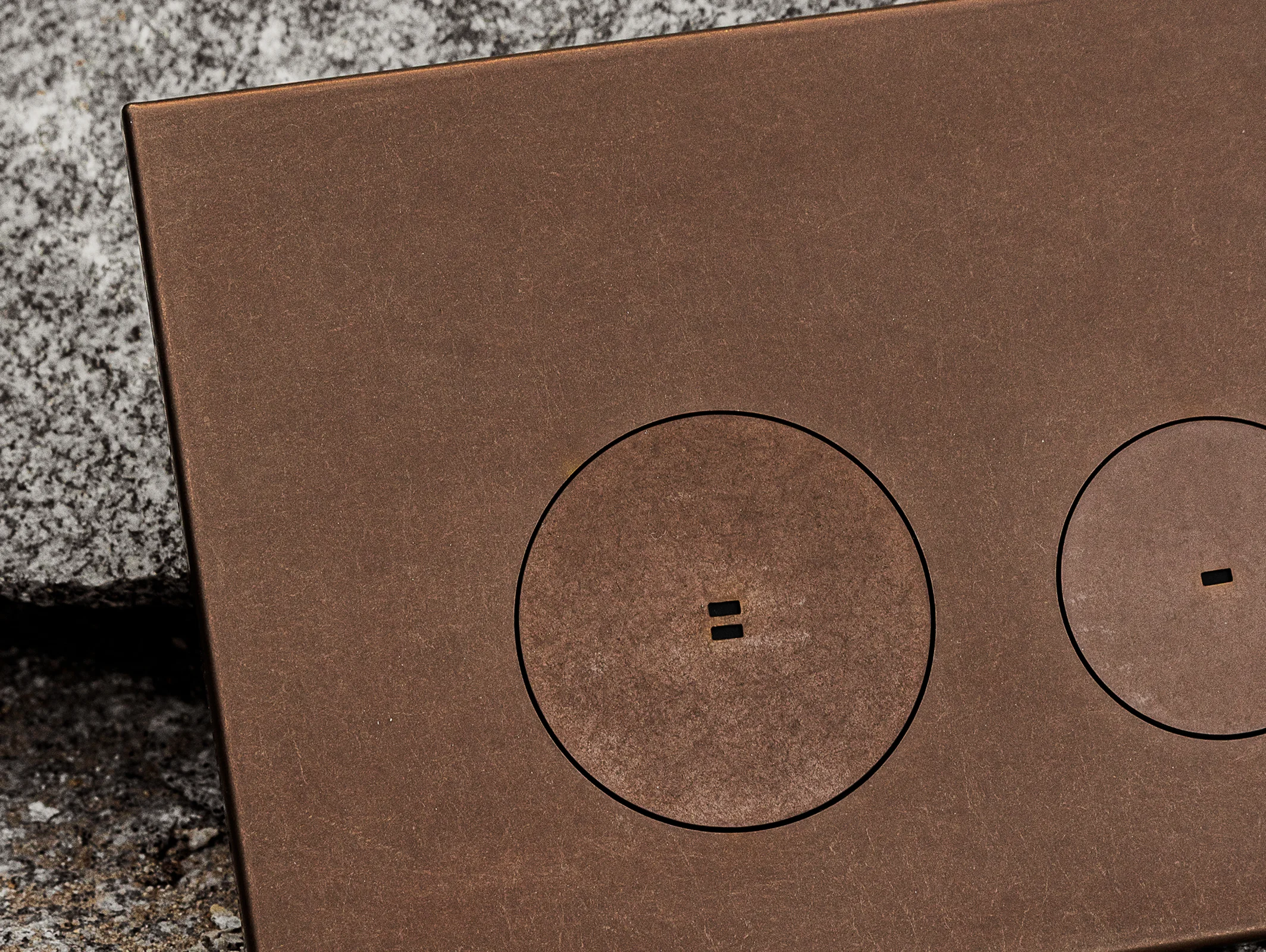
Available in five signature finishes across tapware, showers, and accessories, Nesso enables seamless design continuity. Defined not by trends but by precision, it’s a considered collection where geometry, proportion, and material are carefully balanced for a timeless, modern presence.
Incorporating Modern Interior Design at Home
Kitchen
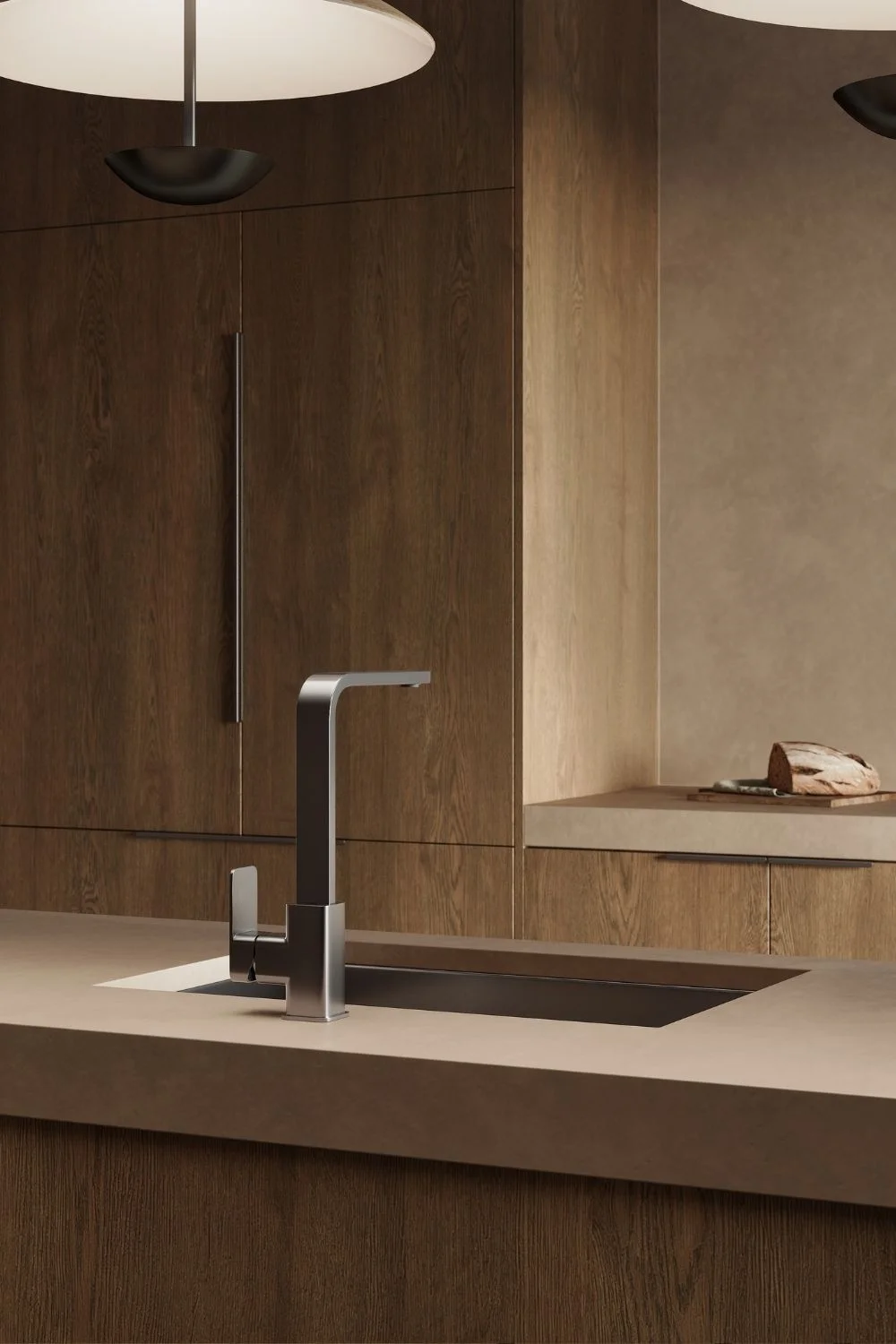
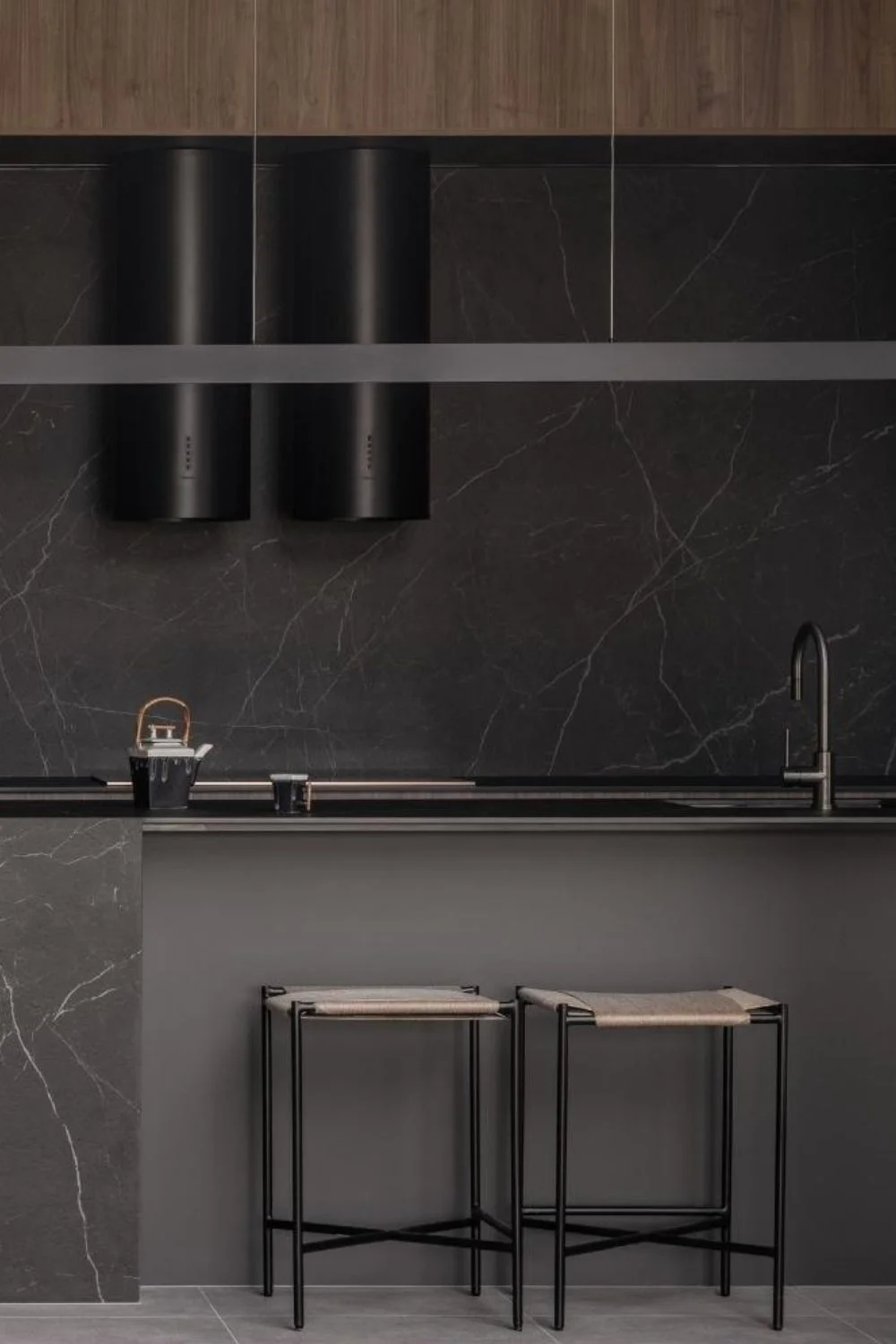
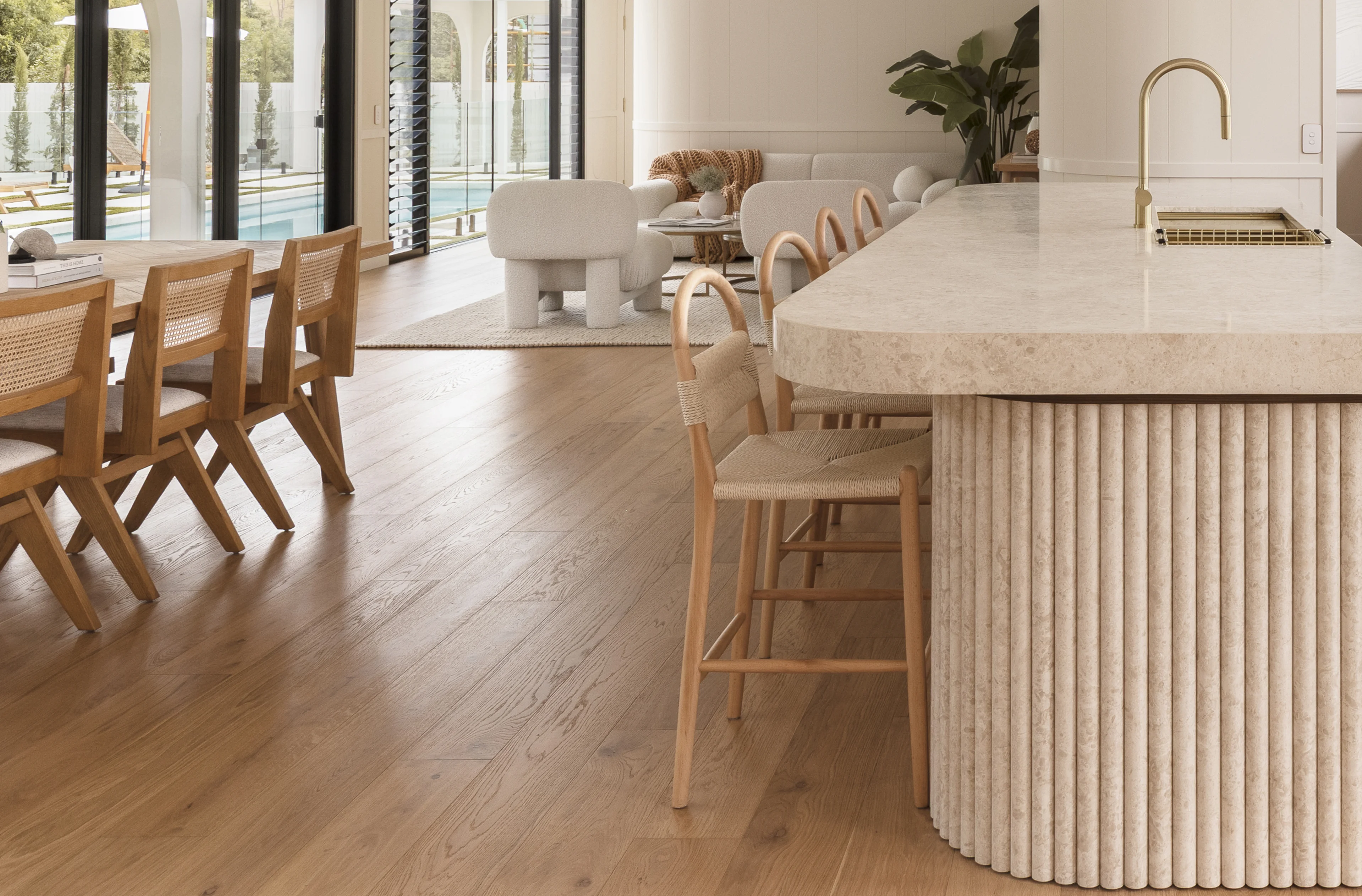
In modernist kitchens, functionality is paramount, and the design is driven by simplicity, clarity, and efficiency. Think handleless cabinetry in matte white, soft grey, or warm timber veneers, paired with integrated appliances for a seamless look. Benchtops in polished concrete, quartz, or natural stone maintain a clean, uncluttered aesthetic, while open shelving in timber or steel provides visual interest without clutter.
For splashbacks and feature areas, large-format tiles or square mosaic tiles in soft neutrals or stone tones work particularly well, reinforcing modern interior design through clean geometry and subtle texture.
Our Nesso Kitchen Mixer, with its slim profile and softened square form, complements modern interior design perfectly, offering a sculptural yet practical touch that enhances visual clarity while supporting daily usability. Subtle accents, such as matte black or brushed copper cabinet handles, can introduce warmth and depth, keeping the kitchen both modern and inviting.
Bathroom
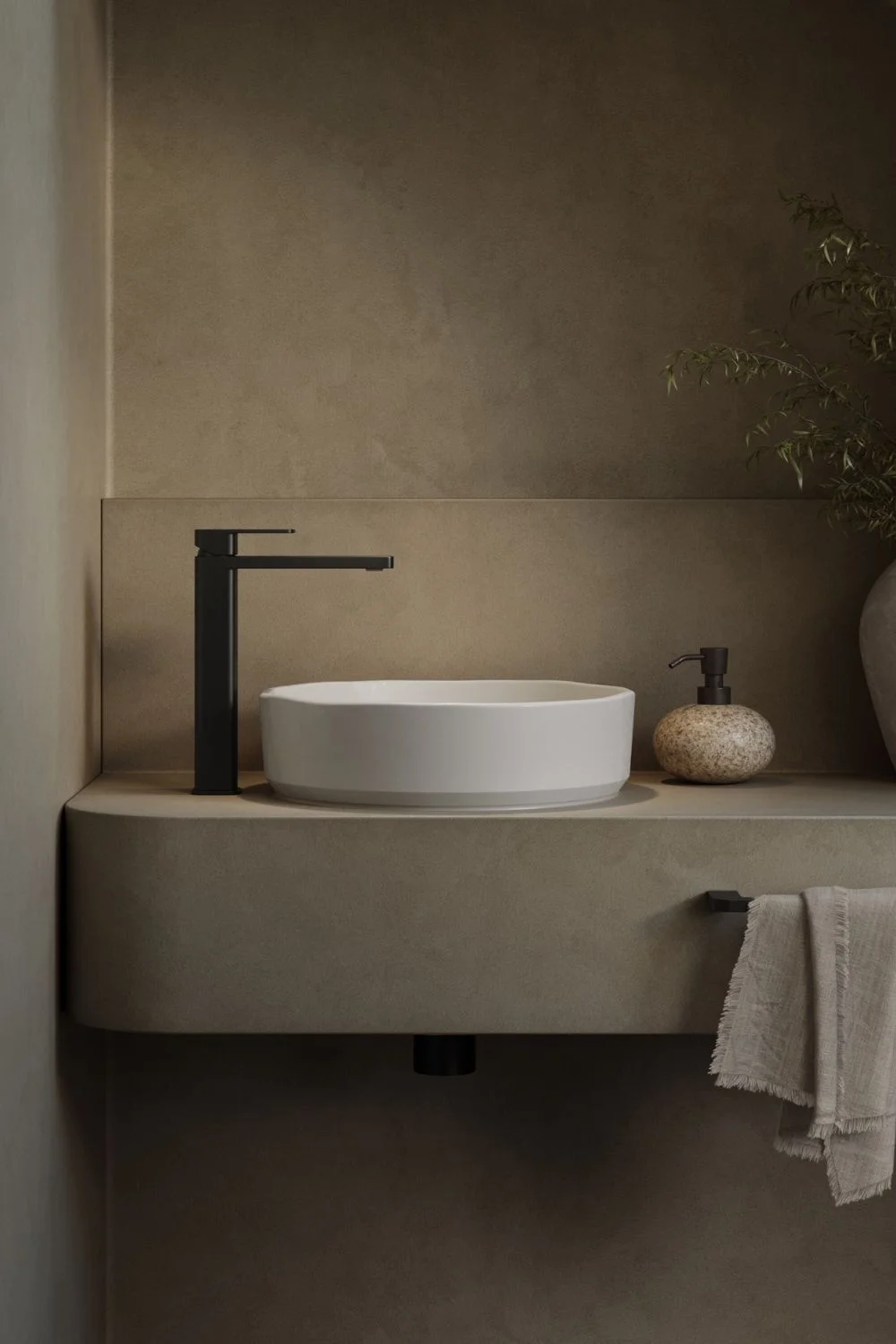
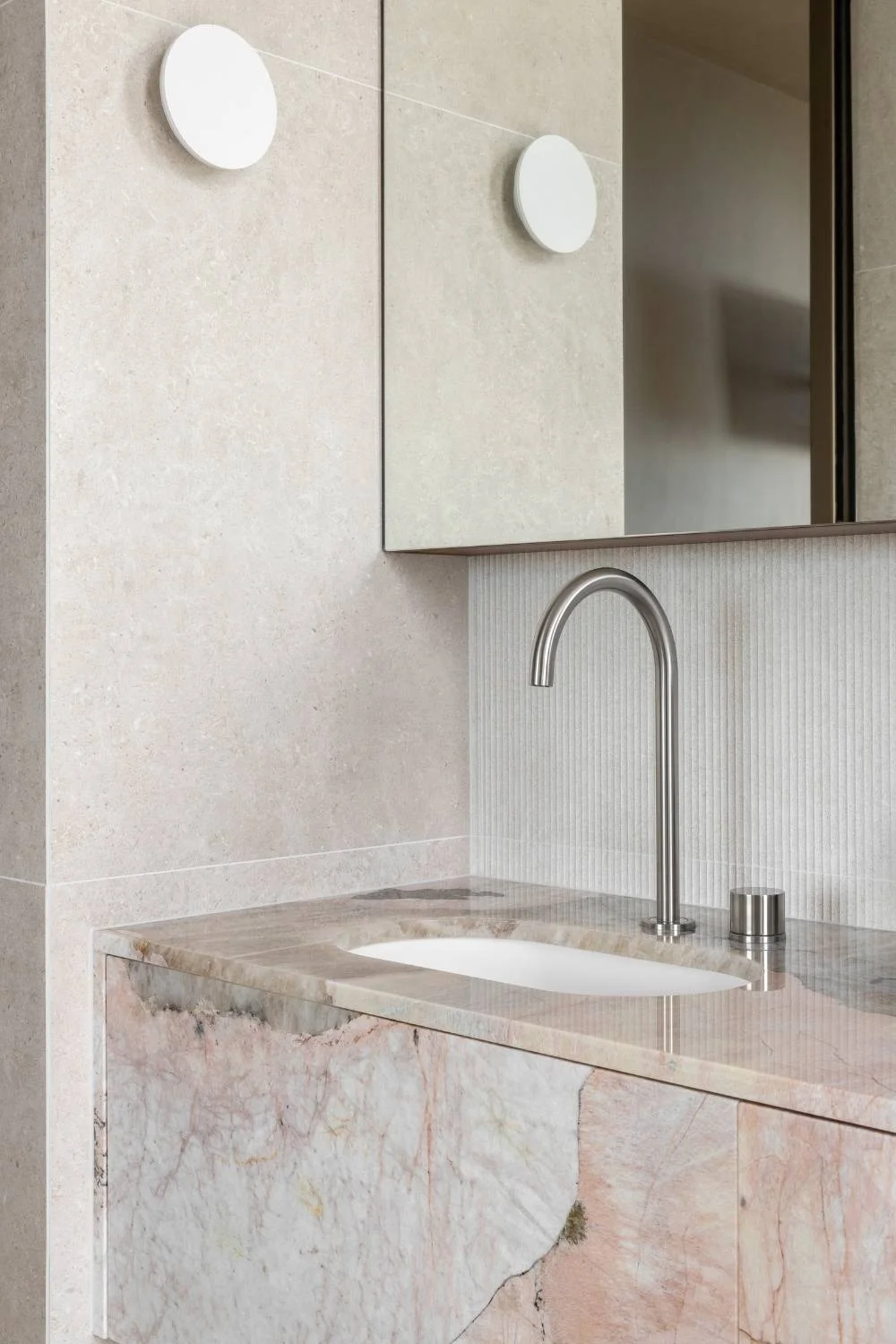
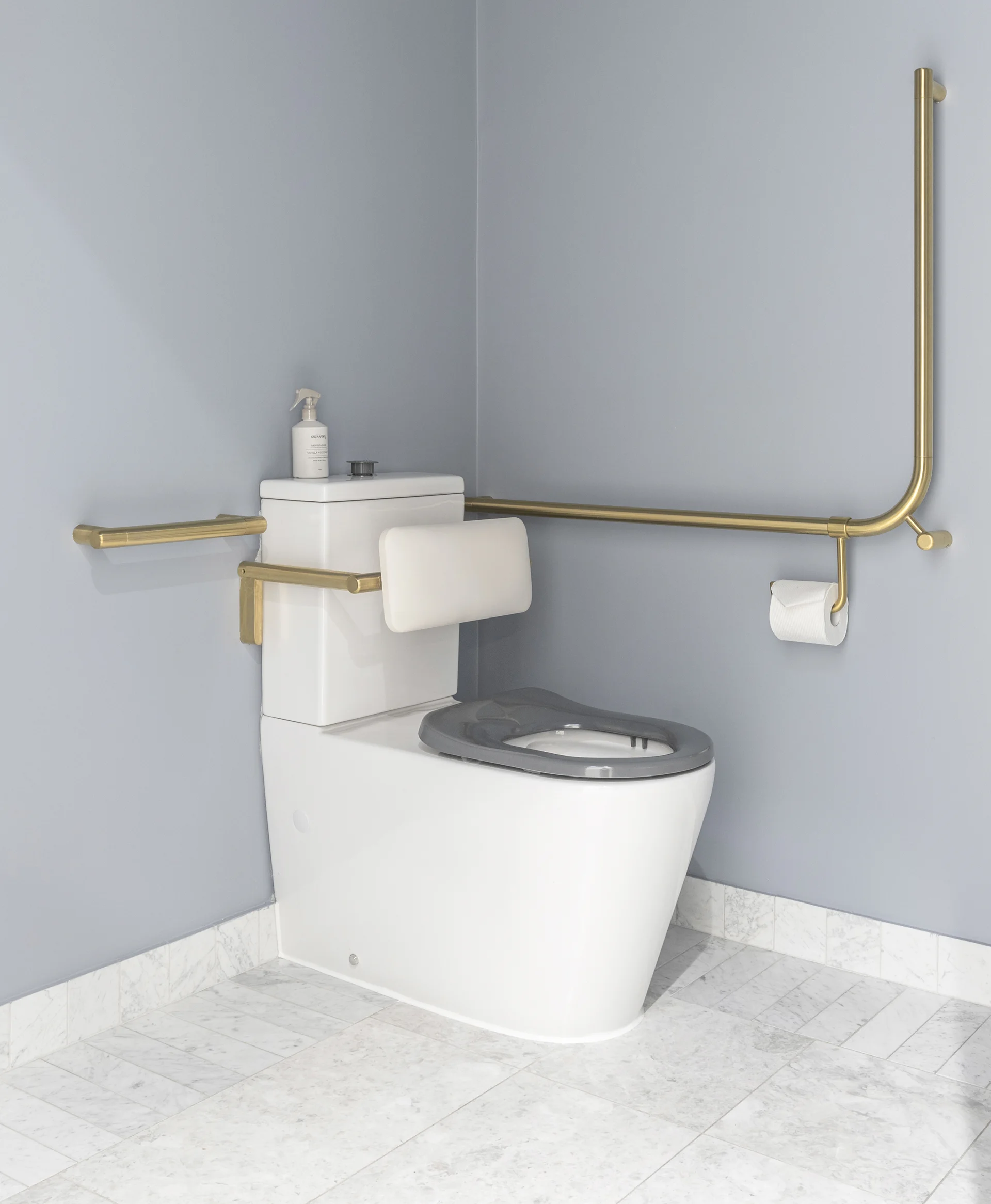
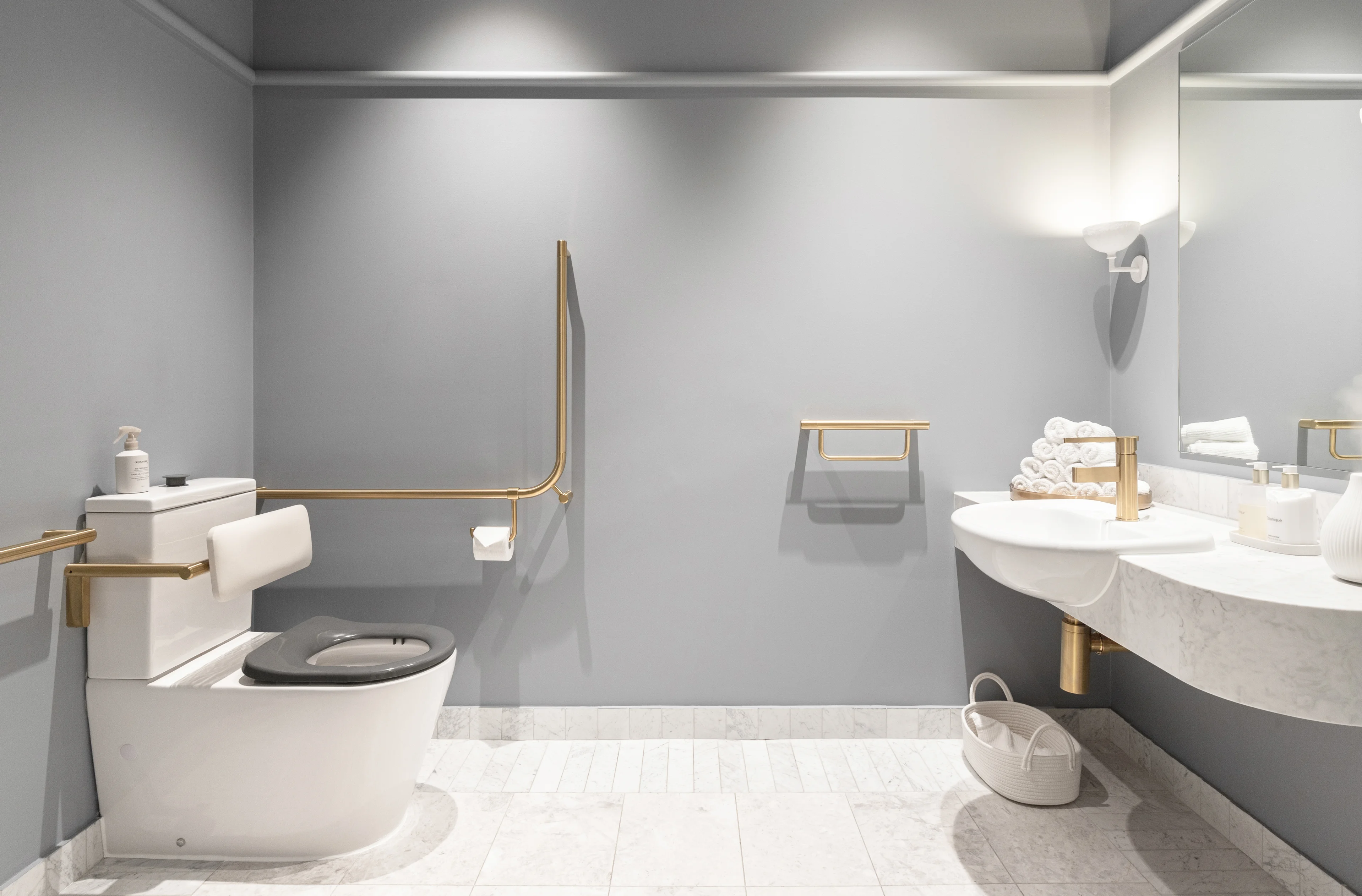
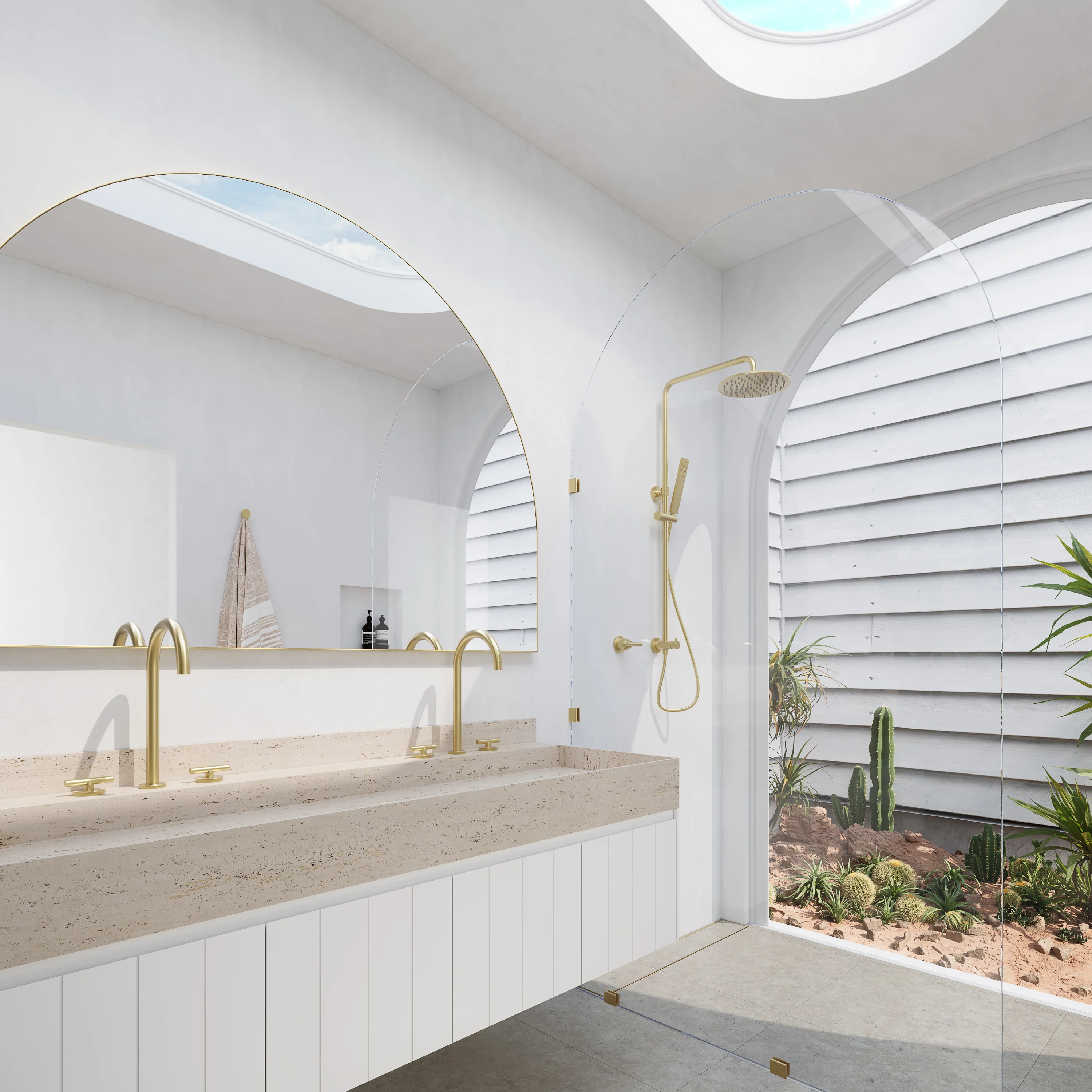
Applying modern interior design in the bathroom means prioritising calm, clarity, and tactile quality. Clean lines and minimal fixtures, such as wall-mounted vanities in timber or matte laminate, frameless glass showers, and recessed lighting, establish a spa-like retreat that feels both functional and restorative.
Materiality plays a key role in shaping the mood. Honed stone, marble, and large-format tiles introduce texture and depth, while a restrained palette of soft neutrals, charcoal, or muted greens promotes a sense of quiet sophistication. Square mosaics, such as our Atami Large Square Mosaic Tiles, offer a modern, geometric expression, adding subtle pattern to splashbacks while complementing the overall minimalist aesthetic.
The Nesso Collection sits naturally within modernist bathrooms, defined by softened square geometry and a refined, slimline profile. From basin mixers and shower rails to towel rails and toilet roll holders, the collection enables a cohesive, considered look throughout the space, reinforcing modern design’s emphasis on continuity and architectural restraint.
For small modern bathroom ideas, wall-hung vanities, wall-mounted taps and mixers, LED mirrors, and bathroom mirror cabinets help maximise flow and visual space, creating spaces that feel open, functional, and effortlessly modern.
Laundry
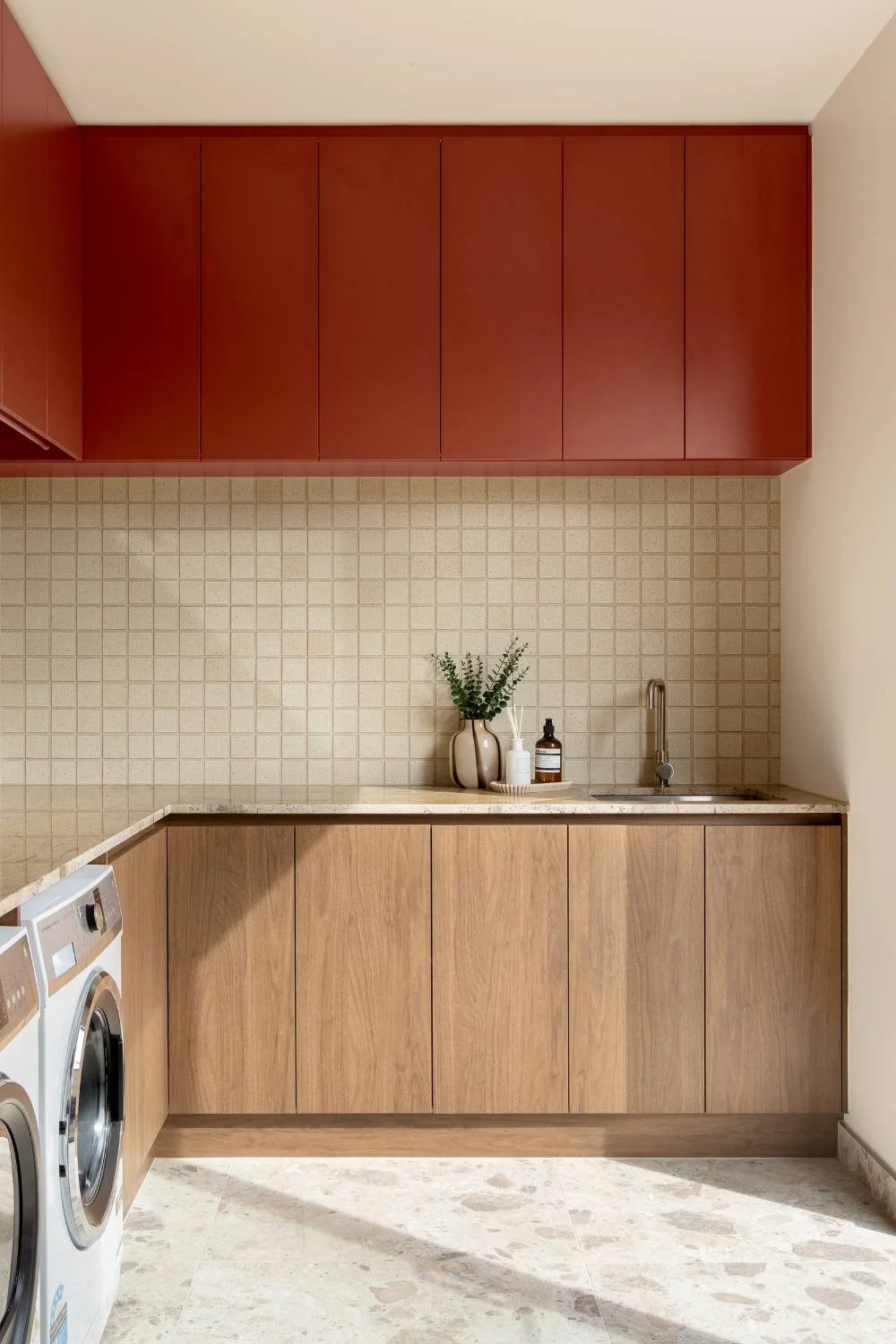
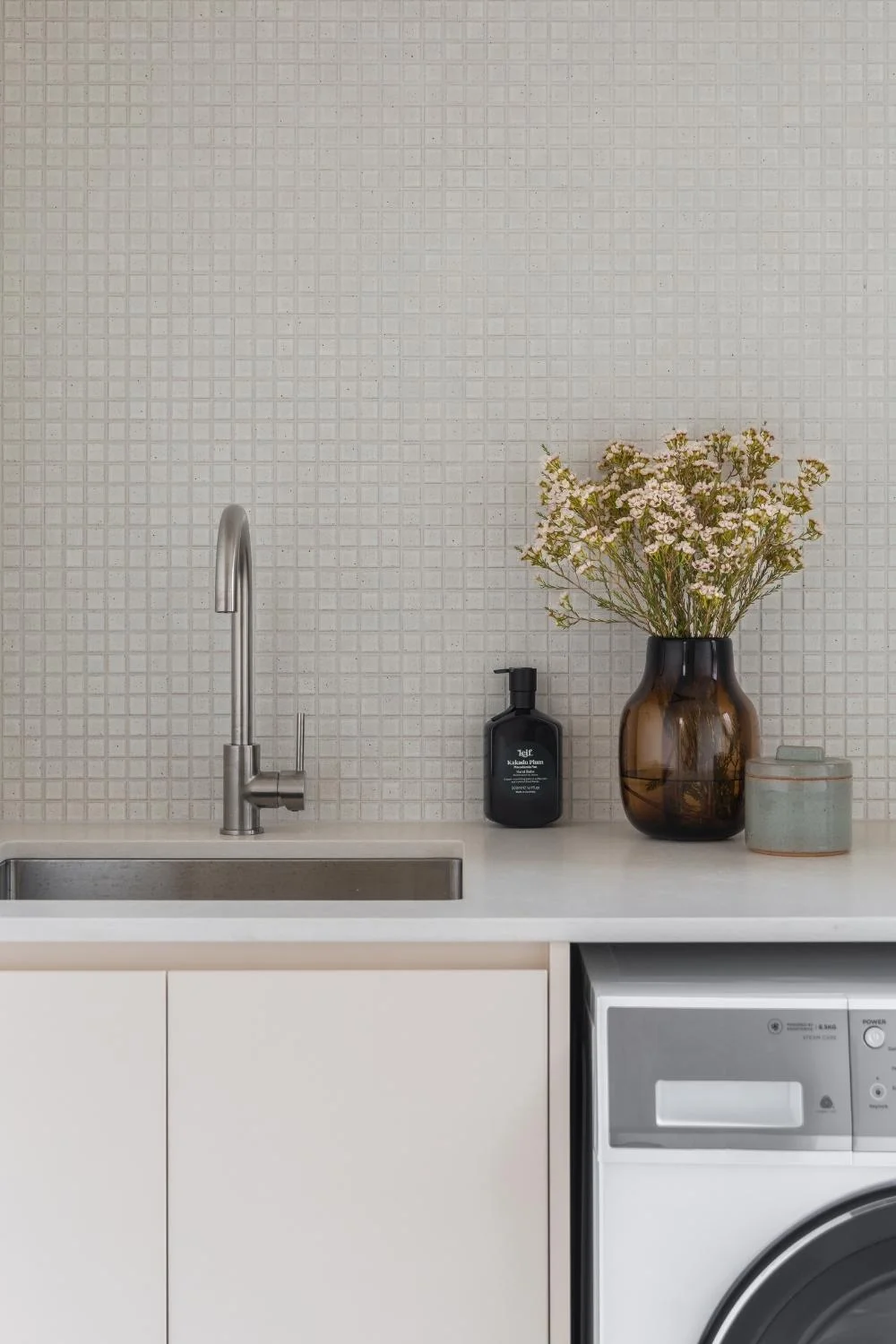
Often overlooked, the modern laundry benefits from the same design discipline as the rest of the home. Streamlined layouts featuring handleless cabinetry, durable stone or laminate benchtops, and open shelving create both efficiency and visual order, ensuring the space works as hard as it looks.
Practical features such as undermount laundry sinks, built-in hampers, and cleverly concealed appliances maintain a clean, uncluttered aesthetic, while earthy neutral palettes paired with natural timber or matte finishes make the room feel intentional and considered rather than purely utilitarian.
The Nesso Towel Rail, mounted as a hanging rail for clothes drying or ironing, adds a subtle yet functional design detail, reinforcing the collection’s clean lines and cohesive modernist aesthetic throughout the space.
Living Areas
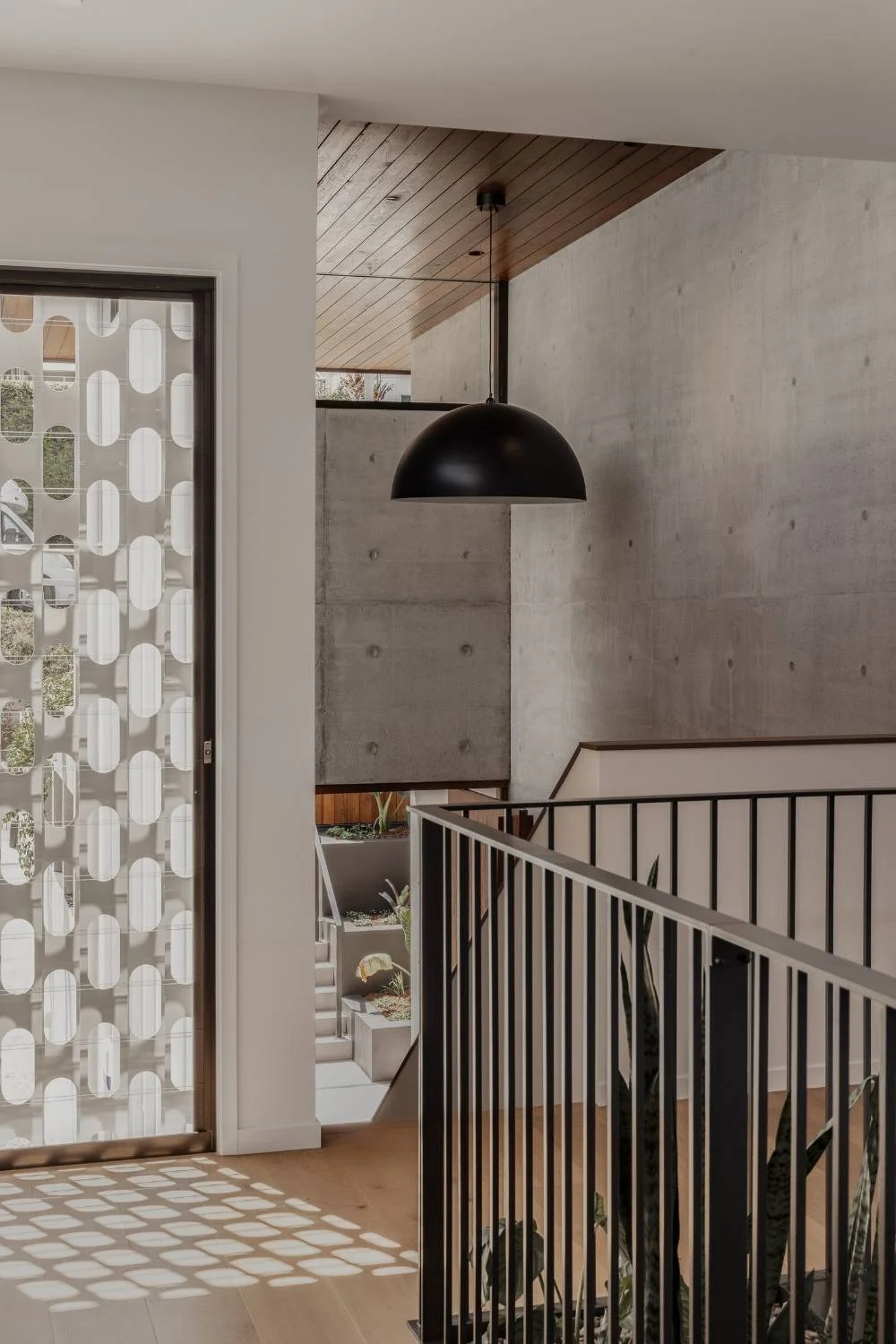
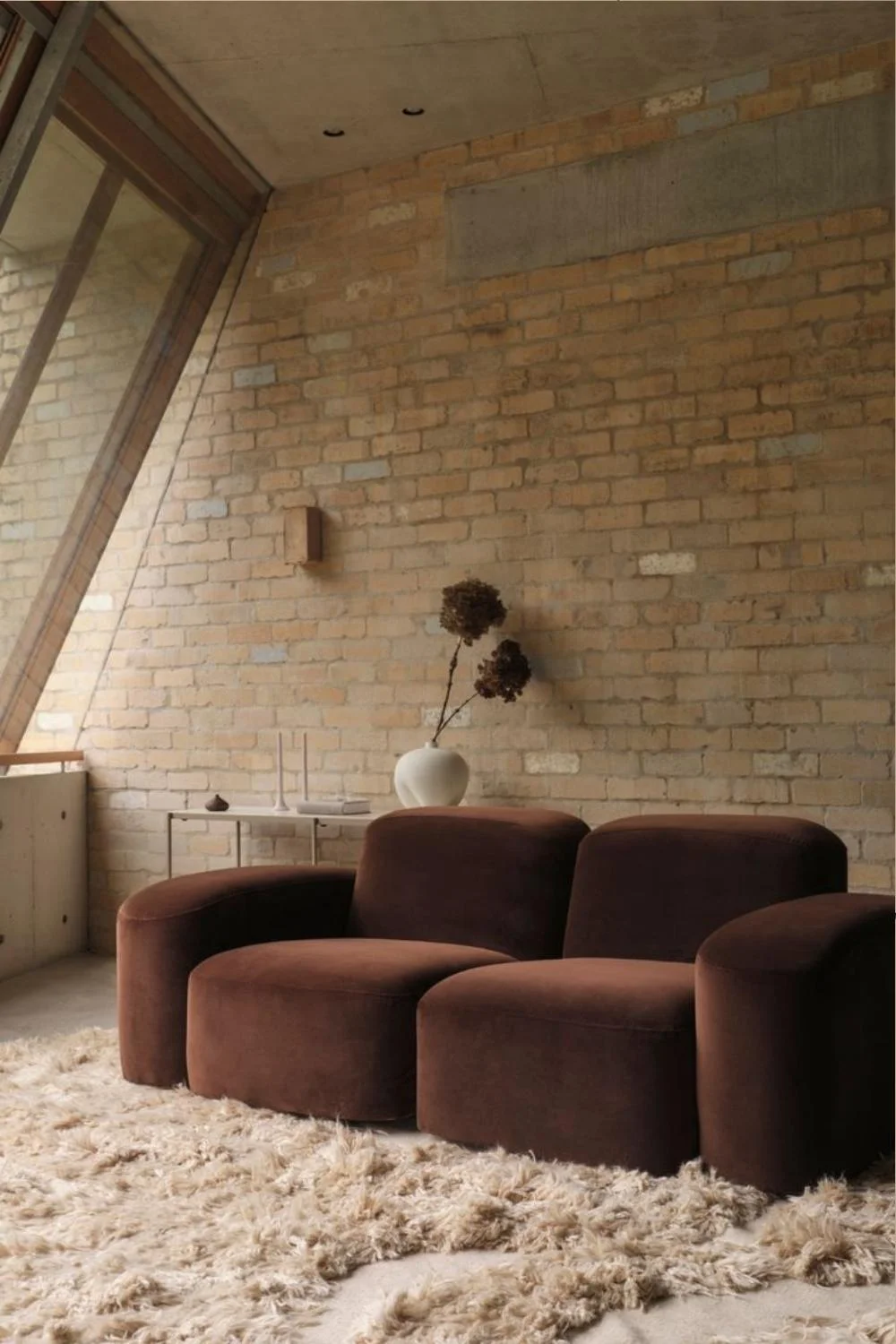
Modern interior design in living spaces embraces openness, light, and flexibility. Furniture in minimalist forms reinforces a sense of flow and effortless movement. Think low-profile sofas in neutral fabrics, sculptural coffee tables in timber or metal, and modular seating that adapts to changing needs, keeping the space uncluttered yet inviting.
Materials such as reclaimed timber, linen, and leather introduce warmth and texture, while metal or glass accents add contrast, reflect light, and elevate the overall aesthetic. Architectural features such as large windows, sliding doors, and subtle room dividers enhance connectivity, encourage natural light to fill the space, and support seamless movement throughout the home.
Layering texture, proportion, and material thoughtfully ensures living areas feel cohesive, comfortable, and unmistakably modern without ever appearing fussy or overdecorated.
Outdoors
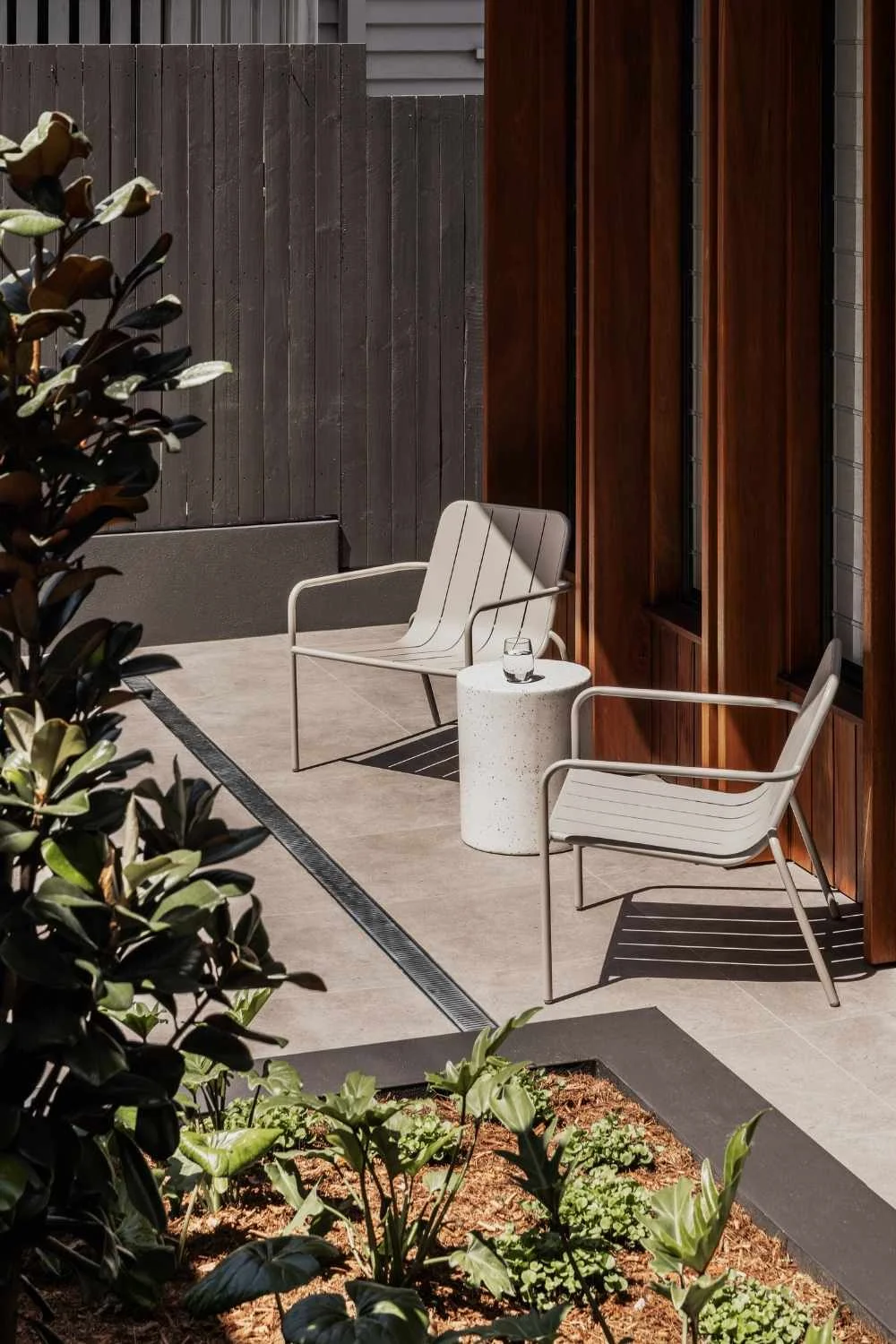
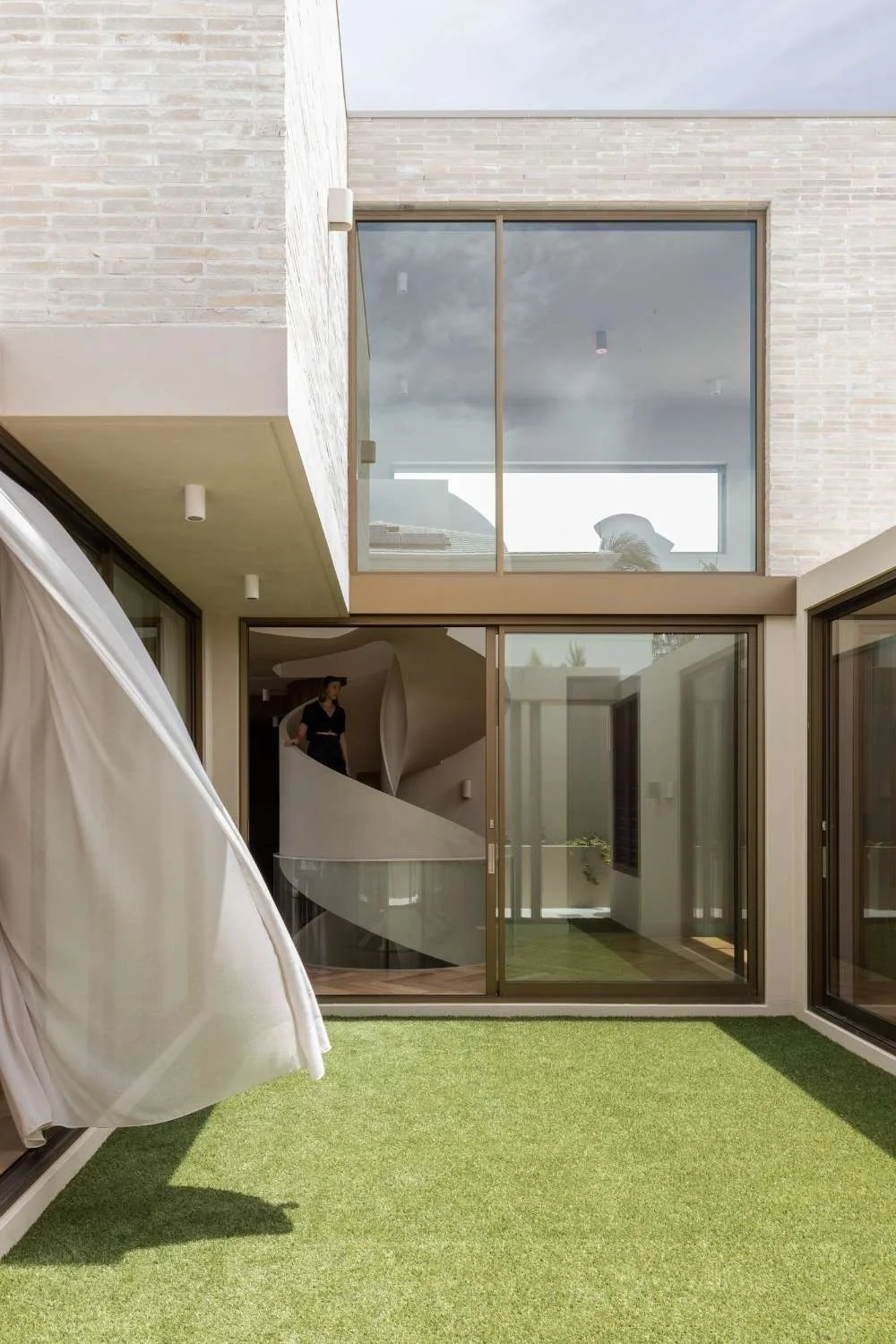
Australian modernism has long celebrated indoor-outdoor living, with outdoor kitchens, bathrooms, and entertaining areas functioning as extensions of the home’s interior.
Durable finishes such as stainless steel, concrete, and weather-resistant timber provide longevity and practicality, while clean-lined furniture and integrated lighting maintain a modern aesthetic.
Large-format outdoor tiles offer a sleek foundation that complements furniture and landscaping, creating a seamless, considered look. Neutral palettes, natural textures, and simple geometric forms ensure outdoor spaces feel relaxed, functional, and architecturally intentional, perfectly suited for both entertaining and everyday living.
Looking for more modern interior design inspiration? Read these blogs:
How To Style A Mid-Century Modern Kitchen