Our Range






























Brass vs Stainless Steel Tapware: Which is the Best Choice for Your Home
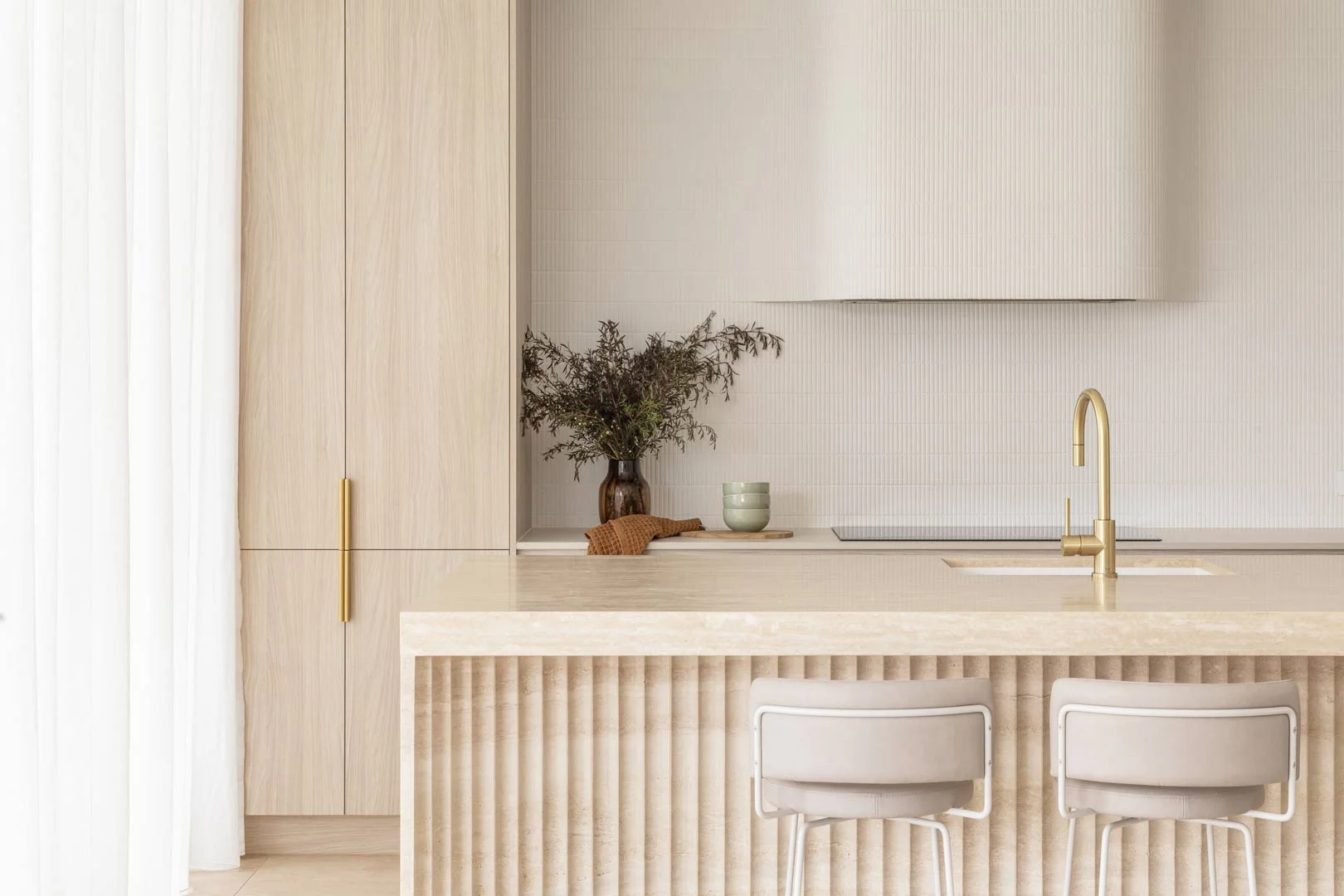
Choosing the right kitchen tapware or bathroom tapware can be a challenge. Weighing the pros and cons of brass vs stainless steel tapware is a good way to make an informed decision; however, how do you know which one will best suit your space and lifestyle?
We compare brass and stainless steel, highlighting their strengths and weaknesses to determine the best tapware for bathrooms, kitchens, and other spaces throughout the home.
What is Brass Tapware?
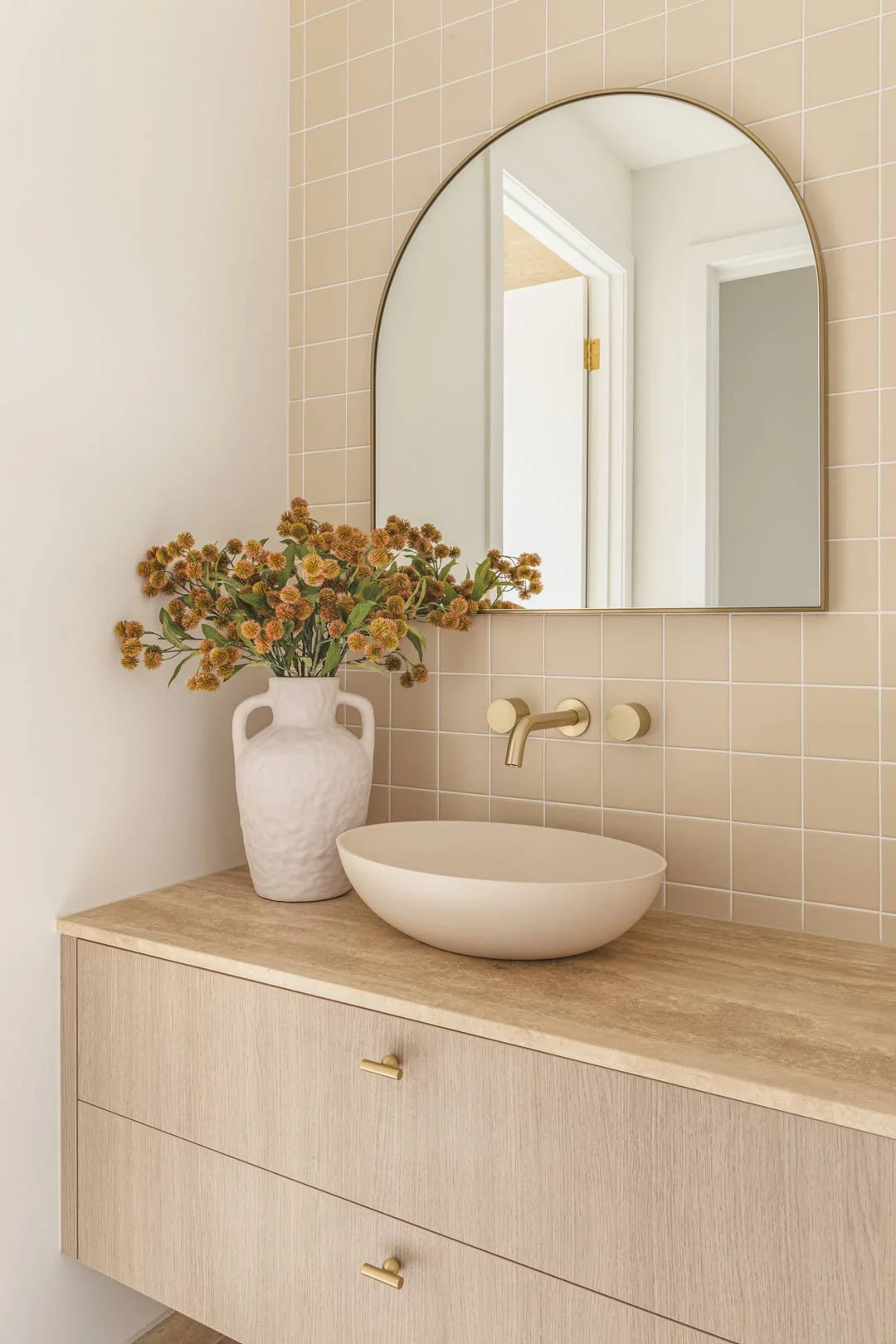
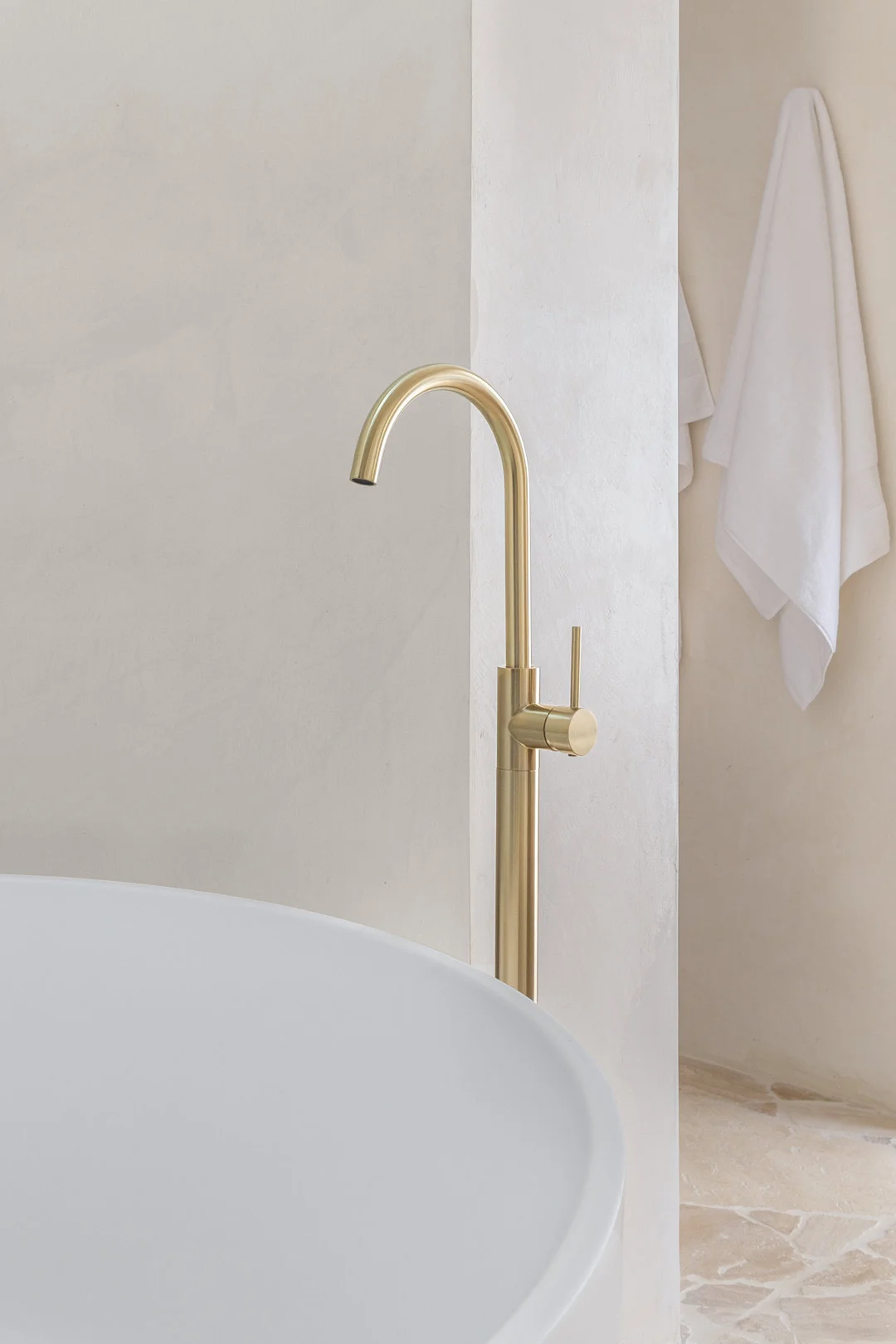
Brass tapware refers to bathroom or kitchen taps and fixtures made primarily from brass, a durable metal alloy composed of copper and zinc. Highly regarded for its strength, corrosion resistance, and antibacterial properties, brass is ideal for kitchen and bathroom applications. It’s easy to shape, making it suitable for intricate designs, and can be finished in various textures and tones. Often coated with protective layers like PVD, (Physical Vapour Deposition) brass tapware offers long-lasting performance and a timeless, sophisticated appearance.
ABI Interiors’ solid brass comprises approximately 61% copper, 36% zinc, and trace elements such as phosphorus, aluminium, magnesium, and lead. The lead content is considerably below the Australian maximum limit of 4.5%, ensuring our brass products meet strict safety standards while maintaining durability and performance.
What is Stainless Steel?
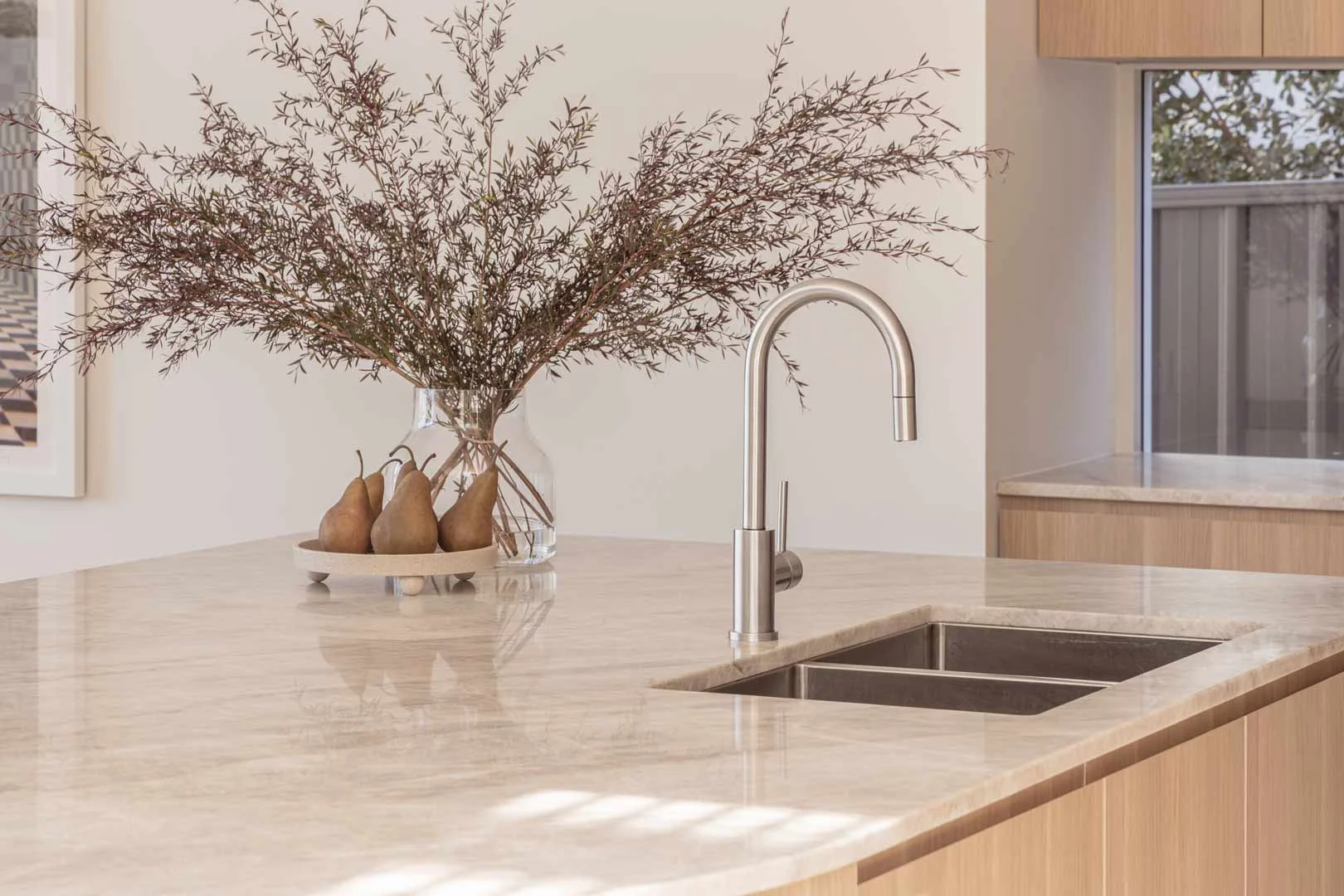
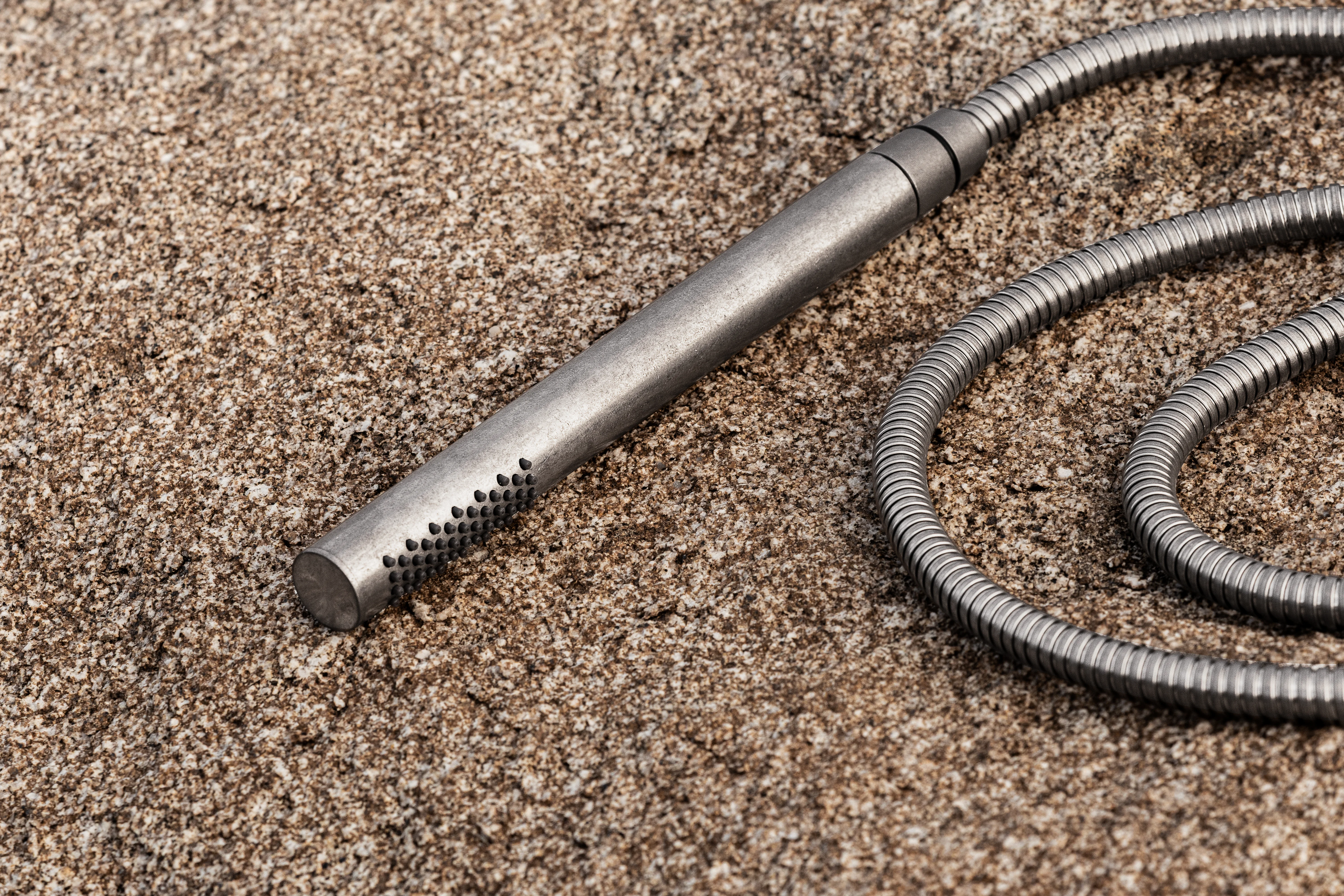
Stainless steel is a corrosion-resistant alloy made principally from iron and at least 10% chromium. The chromium reacts with oxygen, forming a protective oxide layer that prevents rust and staining. Often combined with elements like nickel or molybdenum, it’s durable, heat-resistant, and ideal for kitchens, bathrooms, and outdoor fixtures. High-grade variants, such as 304 and 316 stainless steel, are especially valued in premium tapware for their strength, longevity, and superior resistance to rust and corrosion.
ABI Interiors’ stainless steel products provide exceptional corrosion resistance and high yield strength, making them well-suited to high-stress environments with minimal risk of permanent damage.
We offer products in 304 and 316 grades of stainless steel to suit various applications and conditions.
304 Stainless Steel
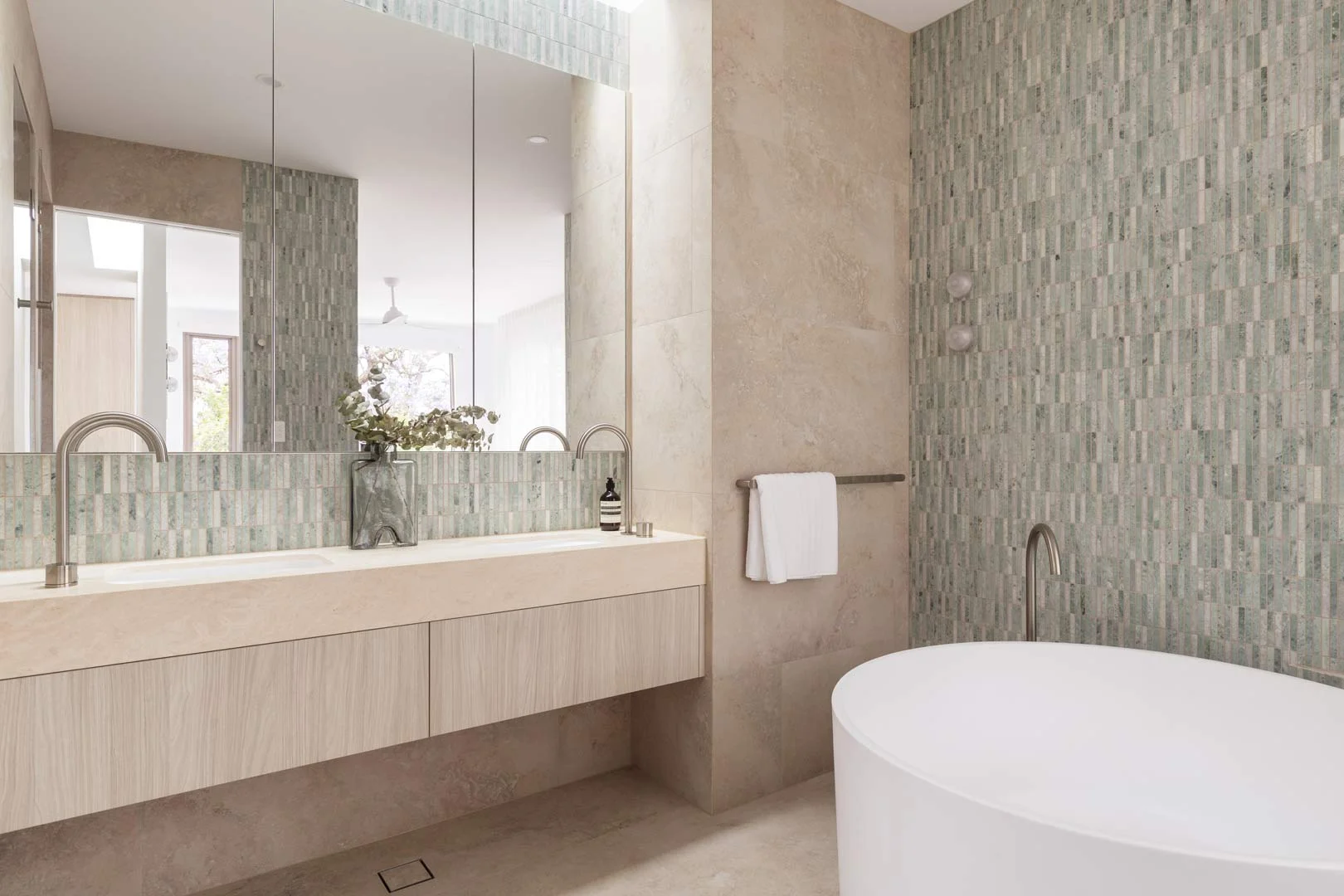
304 grade stainless steel is more durable than brass, making it a premium choice for both commercial and indoor applications. It contains high levels of nickel and chromium, which contribute to its strength and corrosion resistance, along with other key alloying elements such as manganese, silicon, carbon, and iron.
316 Stainless Steel
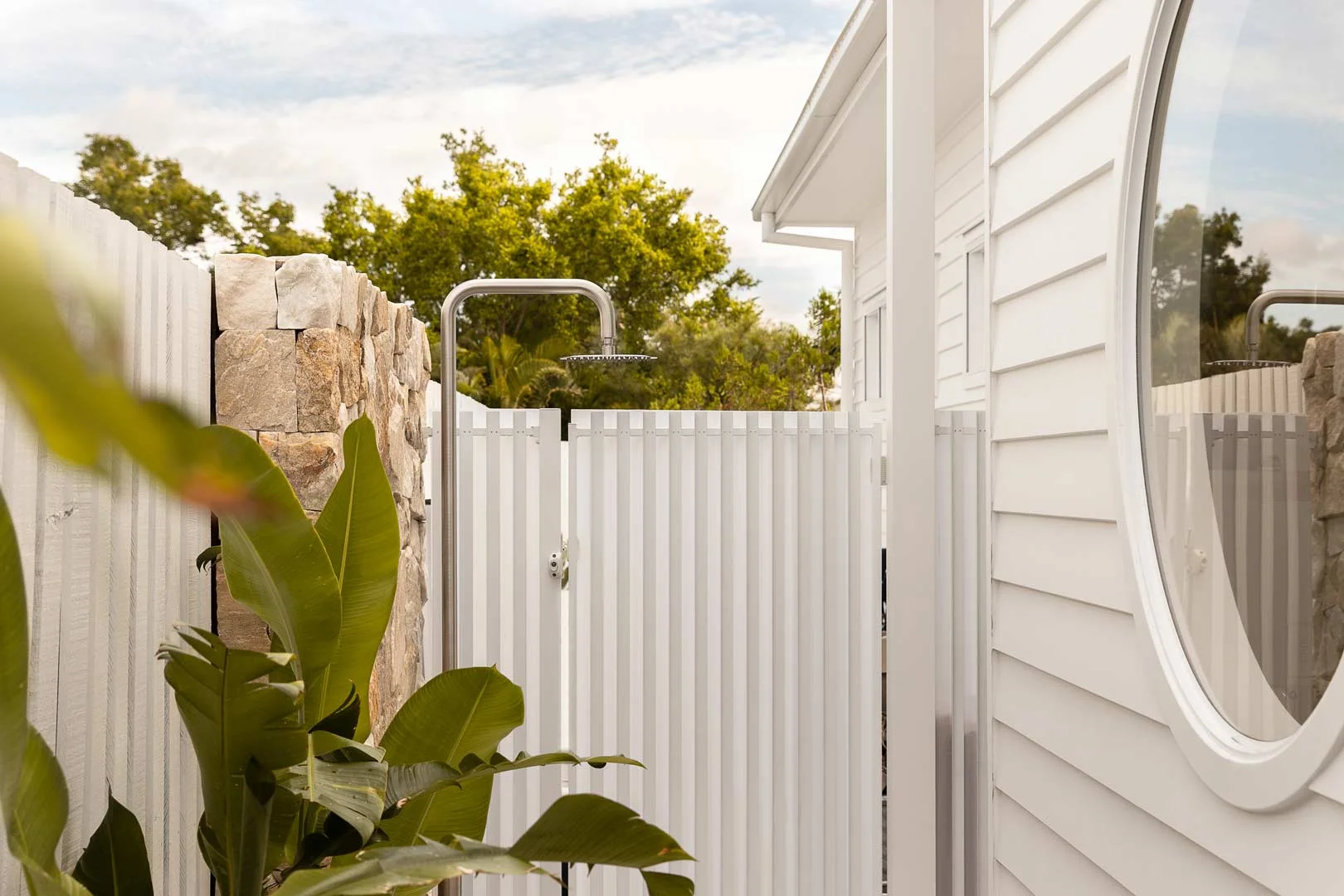
316 grade stainless steel is used in ABI’s outdoor product range and is commonly found in marine applications due to its enhanced resistance to acids and chlorides, including salt. While it shares a similar composition with 304 stainless steel, the key difference is the addition of molybdenum, which provides superior corrosion resistance—making it ideal for harsh, chloride-rich environments.
The Pros and Cons of Brass vs Stainless Steel Tapware
Brass Tapware
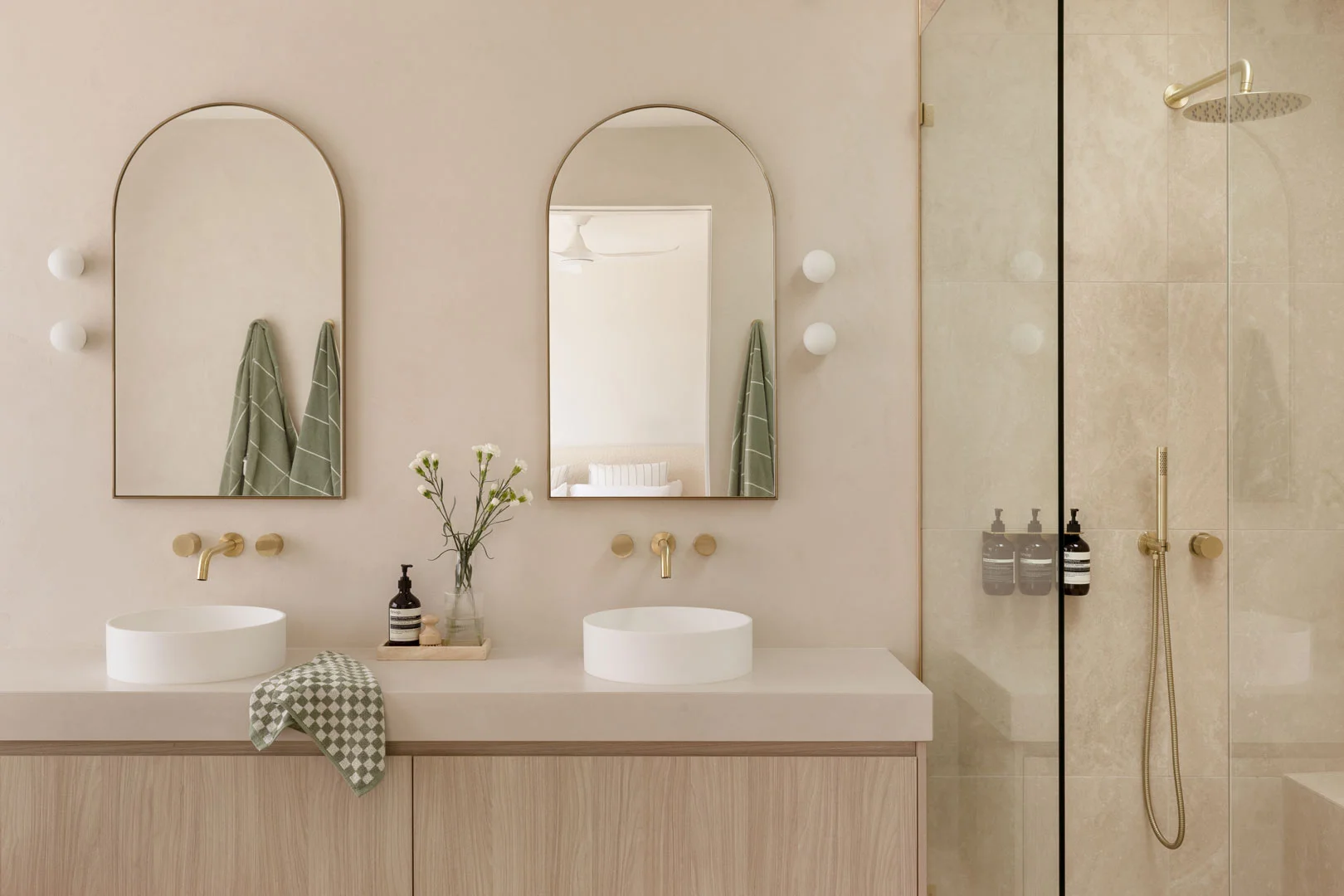
| Pros | Cons |
| Naturally antibacterial properties | Contains trace amounts of lead (unless specifically stated as lead-free) |
| Durable and long-lasting | Heavier than stainless steel, which could affect specific installations |
| Can form a patina with age, creating a vintage aesthetic | More prone to corrosion in coastal or high-humidity environments |
| Heavier, giving a premium, substantial feel | Requires more maintenance to preserve appearance over time, if required |
| Available in a wide variety of finishes |
Stainless Steel Tapware
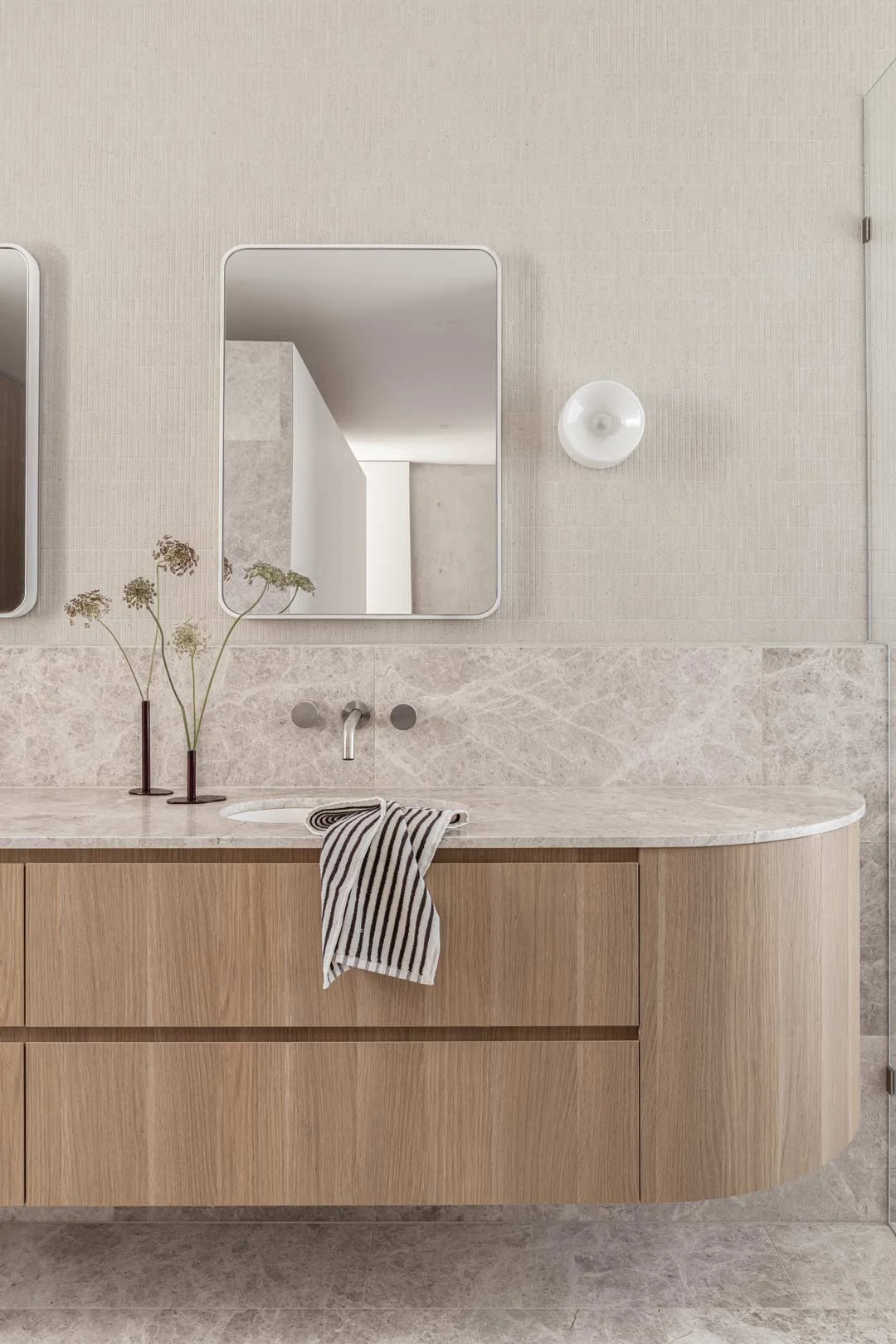
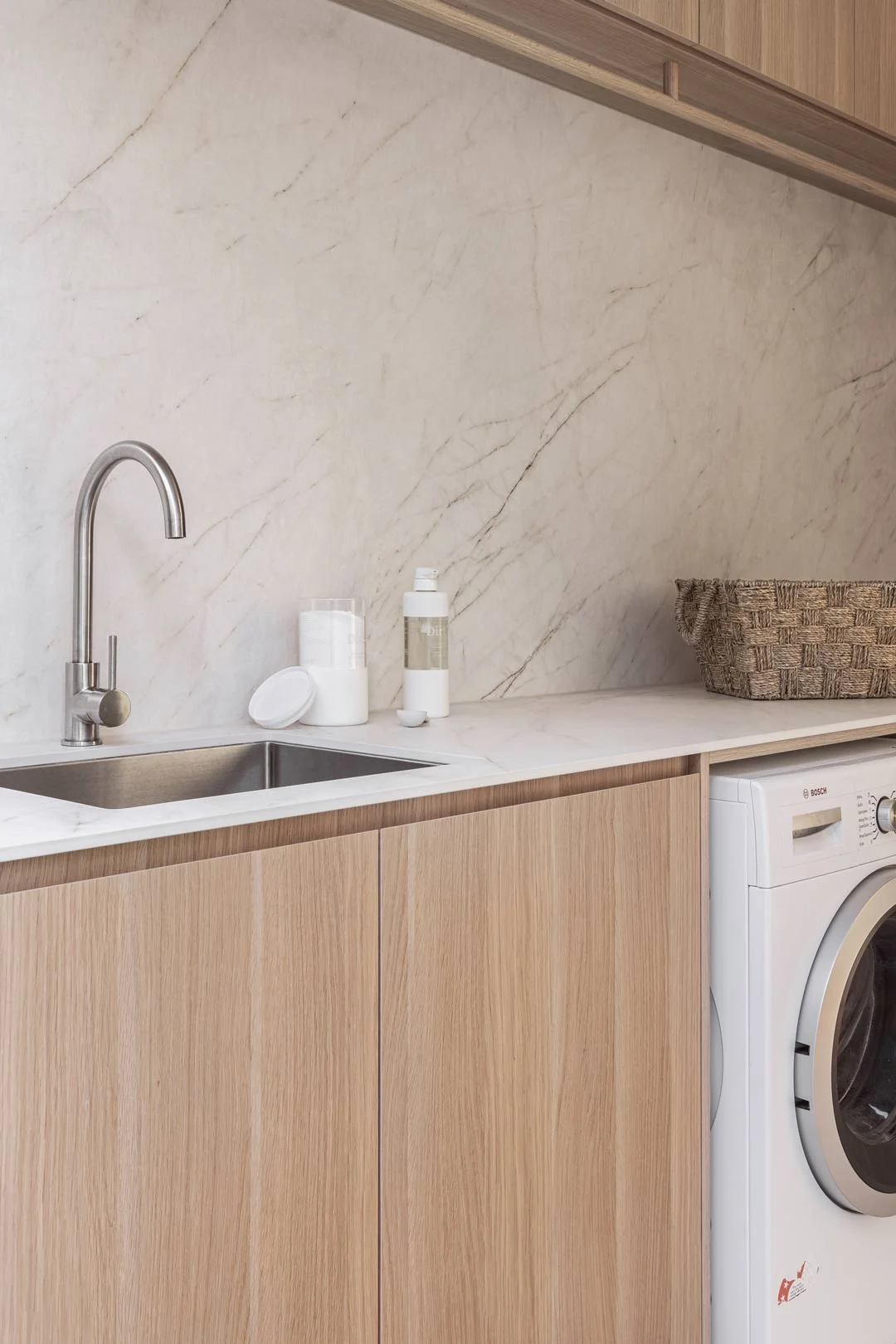
| Pros | Cons |
| 100% lead-free | Can appear clinical or industrial in certain interiors |
| Eco-friendly and infinitely recyclable | May show fingerprints, water spots, or scratches if not properly maintained |
| Exceptional durability for both internal and exterior environments | |
| Highly resistant to corrosion, ideal for coastal areas | |
| Rust-resistant and hygienic | |
| Lightweight | |
| Low maintenance with a modern appearance | |
| Suits a broad variety of interior design styles |
Brass vs Stainless Steel Tapware: Which is Right for You?
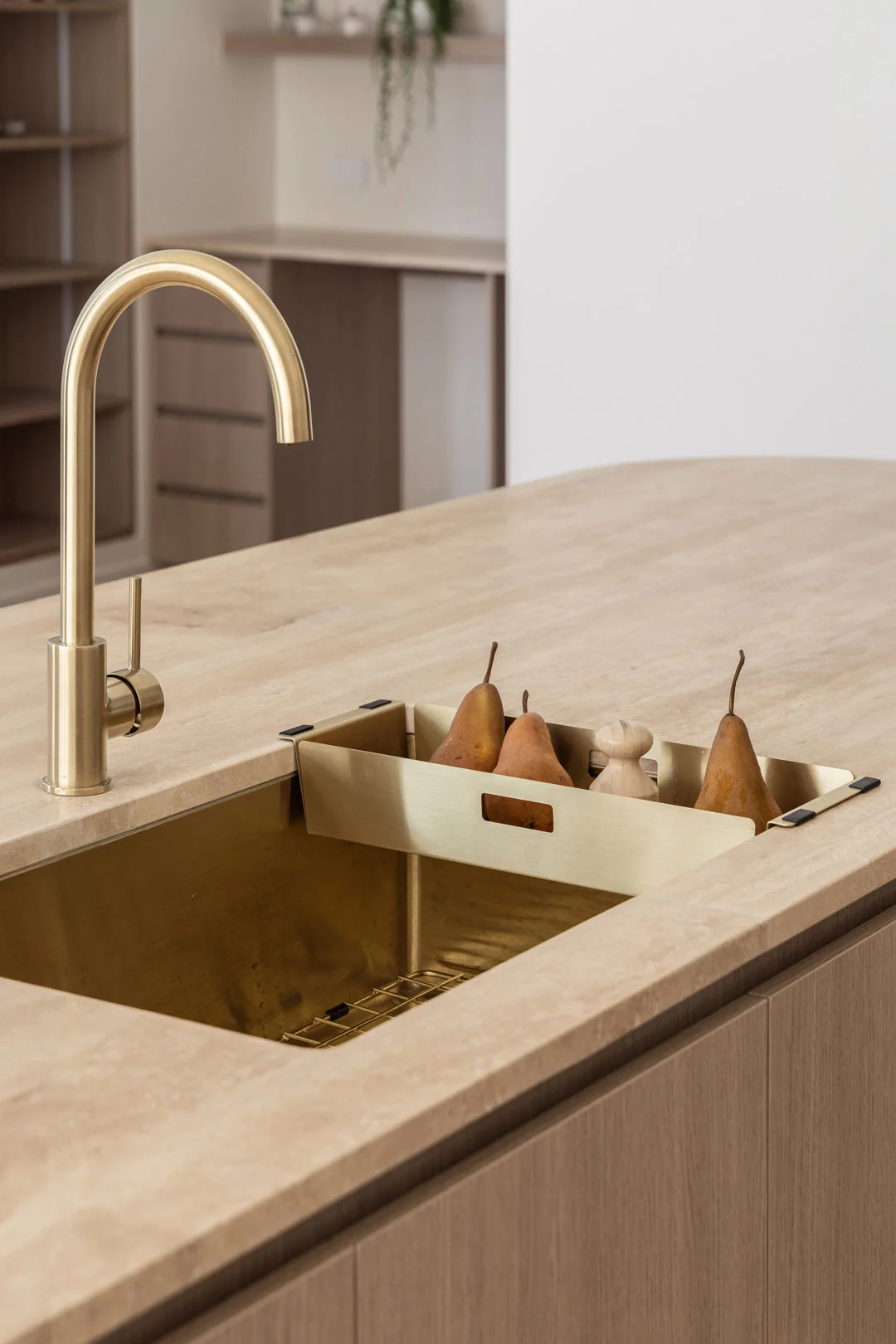
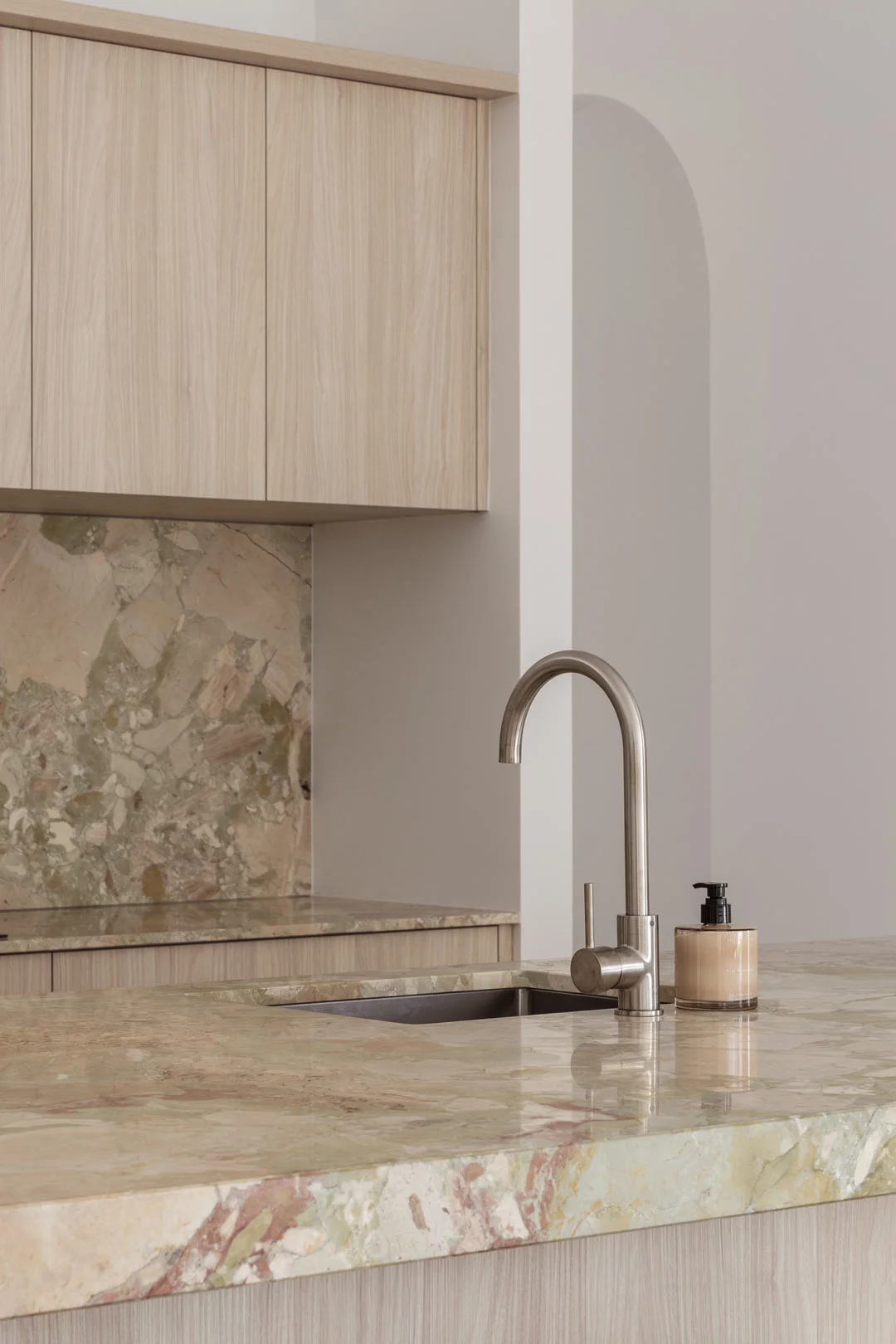
With so many pros and cons, the choice of balancing brass vs. stainless steel tapware can become overwhelming. Each material has various advantages that can suit your circumstances — it all depends on your space, budget, lifestyle, and any environmental or health concerns you may have.
To summarise, brass tapware stands out in traditional or vintage-inspired spaces due to its warm, classic aesthetic that adds increasing character due to its naturally evolving patina. While it may require more specific maintenance to preserve its unique finish, particularly in humid or coastal areas, it is highly durable and offers a premium feel. However, as mentioned, brass tapware can contain traces of lead, so it’s essential to be aware of the potential long-term health risks.
Alternatively, stainless steel offers a cool, contemporary tone and is renowned for its strength, corrosion resistance, and low maintenance. It’s an excellent choice for modern and minimalist spaces, providing a timeless appearance compatible with a wide variety of interior design styles. Due to its superior durability and resistance to tarnishing, stainless steel is particularly well-suited to humid or coastal environments. As it’s lead-free and non-reactive, it also presents no known health risks, making it a safe and practical option for tapware.
ABI Interiors Tapware: Combining Brass vs Stainless Steel Tapware Qualities
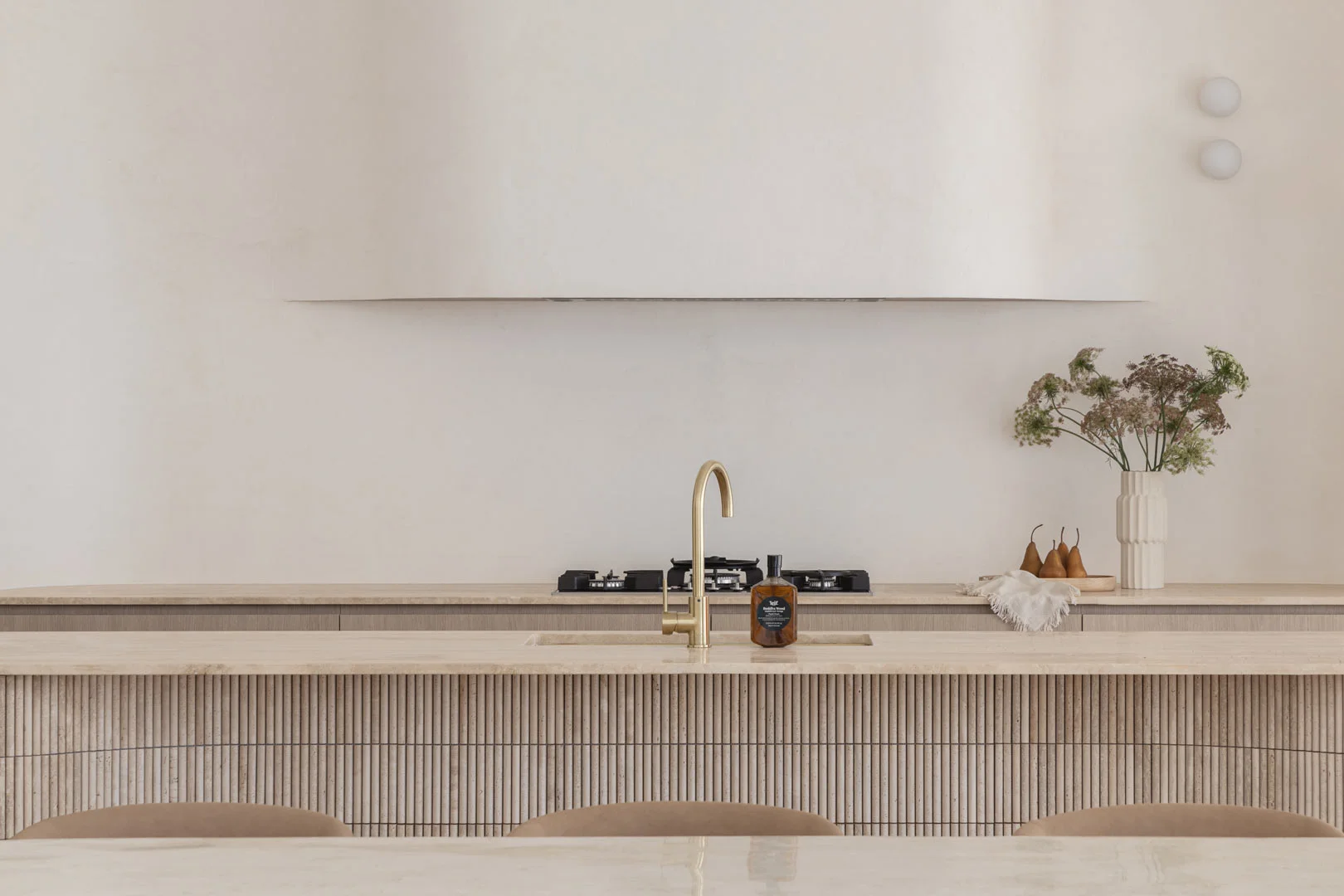
ABI Interiors offers a broad range of tapware constructed from either solid brass or stainless steel tapware. This includes both 304 and 316 stainless steel options, such as our Elysian Commercial Pull-Out Kitchen Mixer and our Sola Minimal Mixer, respectively, available in up to six finishes, including our signature brushed brass. This combination offers the superior durability of stainless steel with the refined aesthetic of brass.
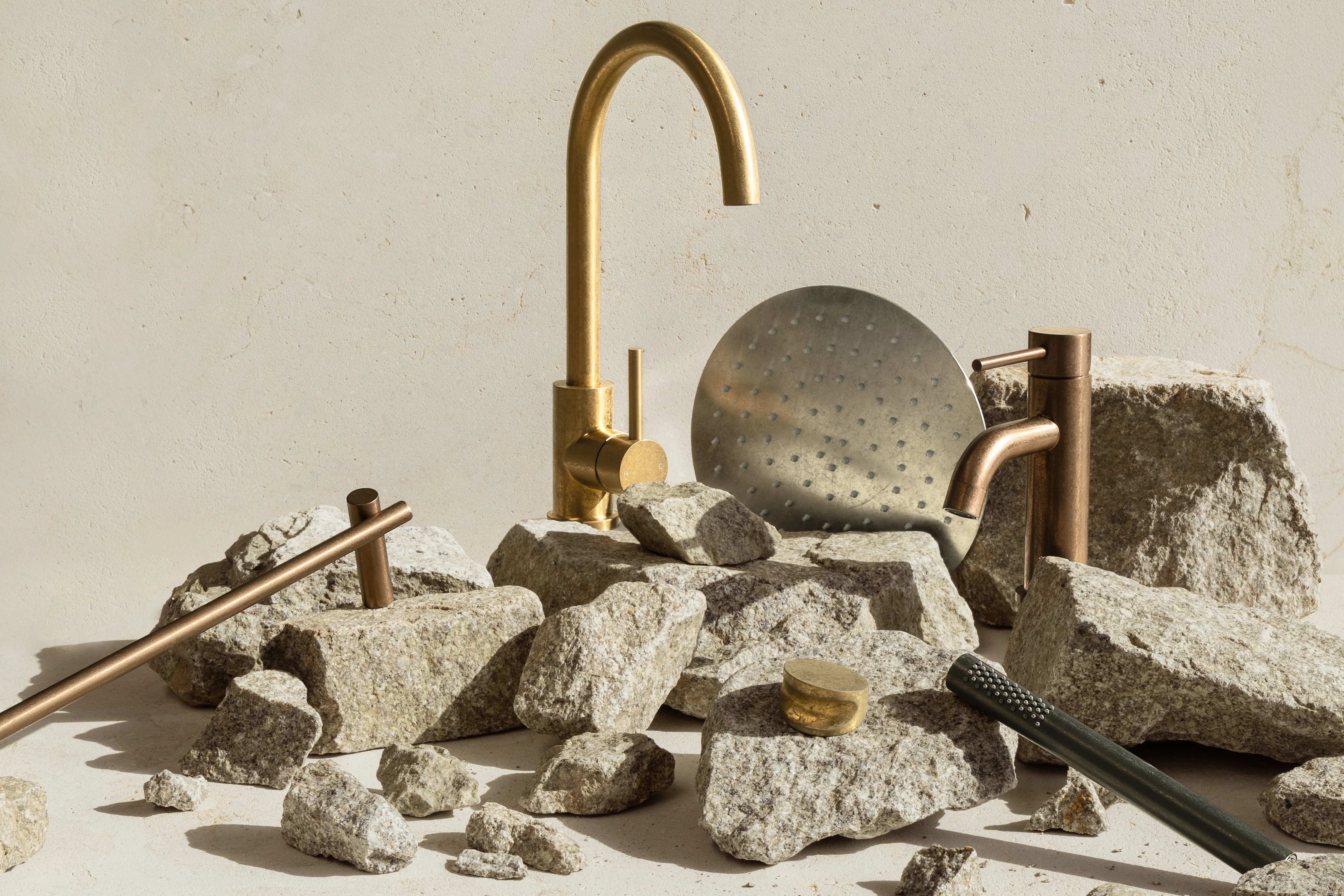
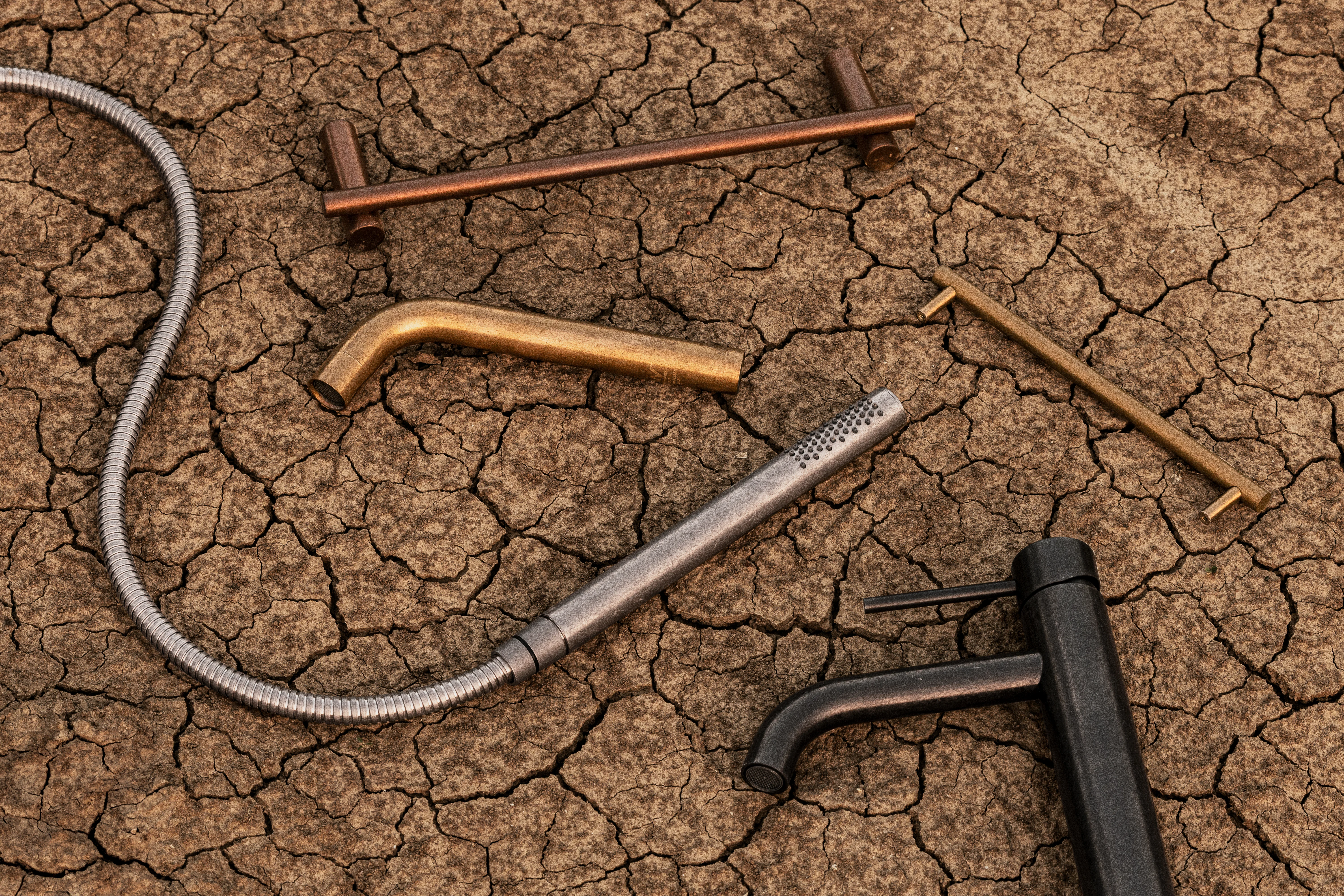
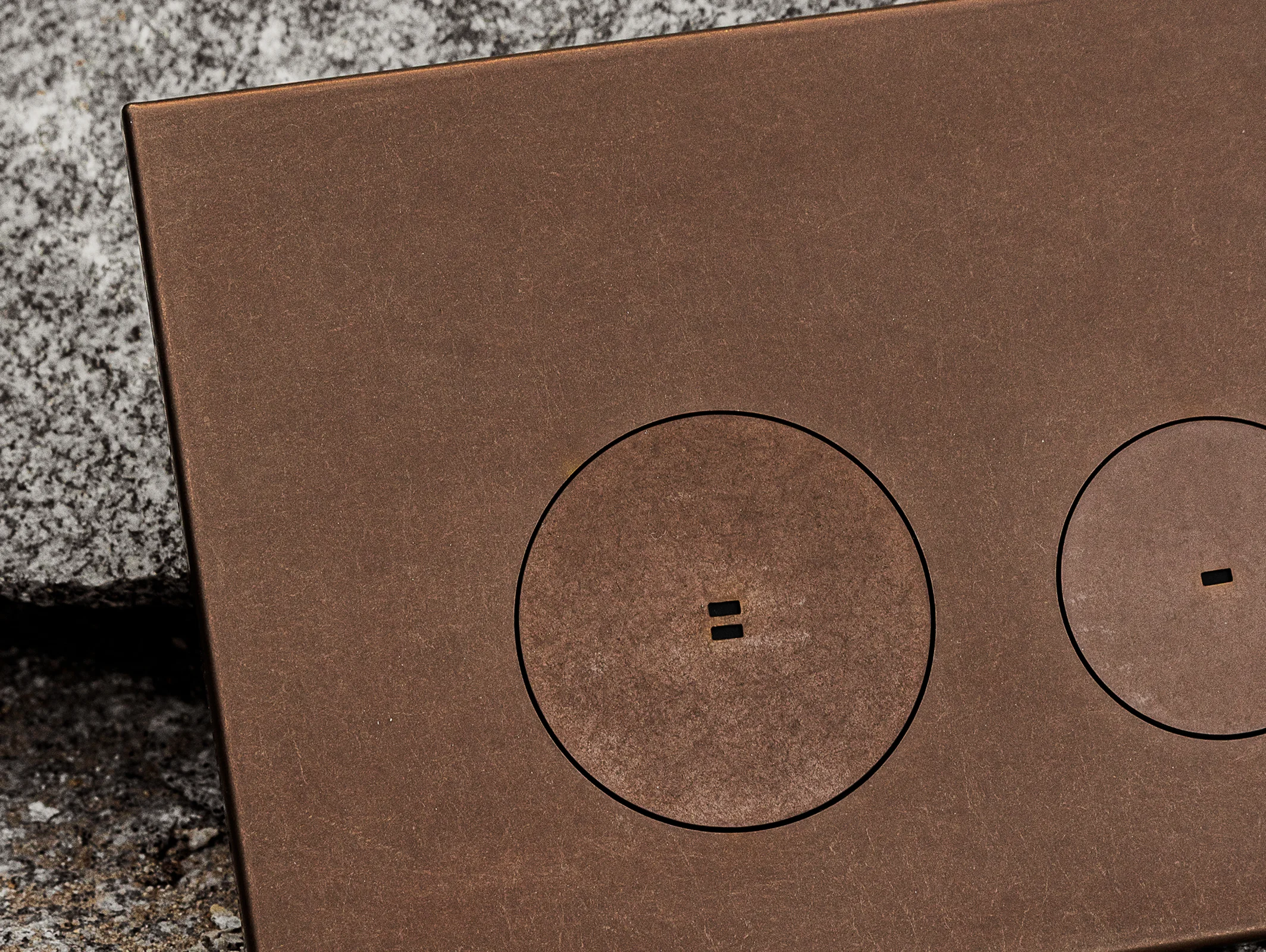
We also offer antique brass tapware, crafted from solid brass, featuring a distinctive living finish that develops a natural patina over time.
For complete assurance, also check out our entire lead-free tapware range.
For more inspiration, read our blogs:
Bathroom Vanity vs Cabinet: Which is Right For You?
Tiles vs Floorboards: Which is Best for Your Home?
Tapware Trends 2025: Lead Free Leads the Way