Our Range





























5 Different Interior Design Styles You've Never Heard Of
Choosing from different interior styles for your home isn’t easy — it requires a balance of personal taste, harmony with the overall design, and practical considerations.
Whether you're drawn to mid-century modern, Art Deco, Scandinavian, or minimalism, each style shapes a space in its own way. However, instead of following the familiar, why not explore lesser-known interior design and styling options that offer something unique and personal?
We uncover five unique interior design styles you’ve likely never heard of, but should consider for your next build or renovation. From Frank Lloyd Wright’s visionary Usonian homes to the raw elegance of 1950s brutalism, find fresh inspiration in bold concepts, curated colour palettes, and thoughtful material choices.
1. Usonian
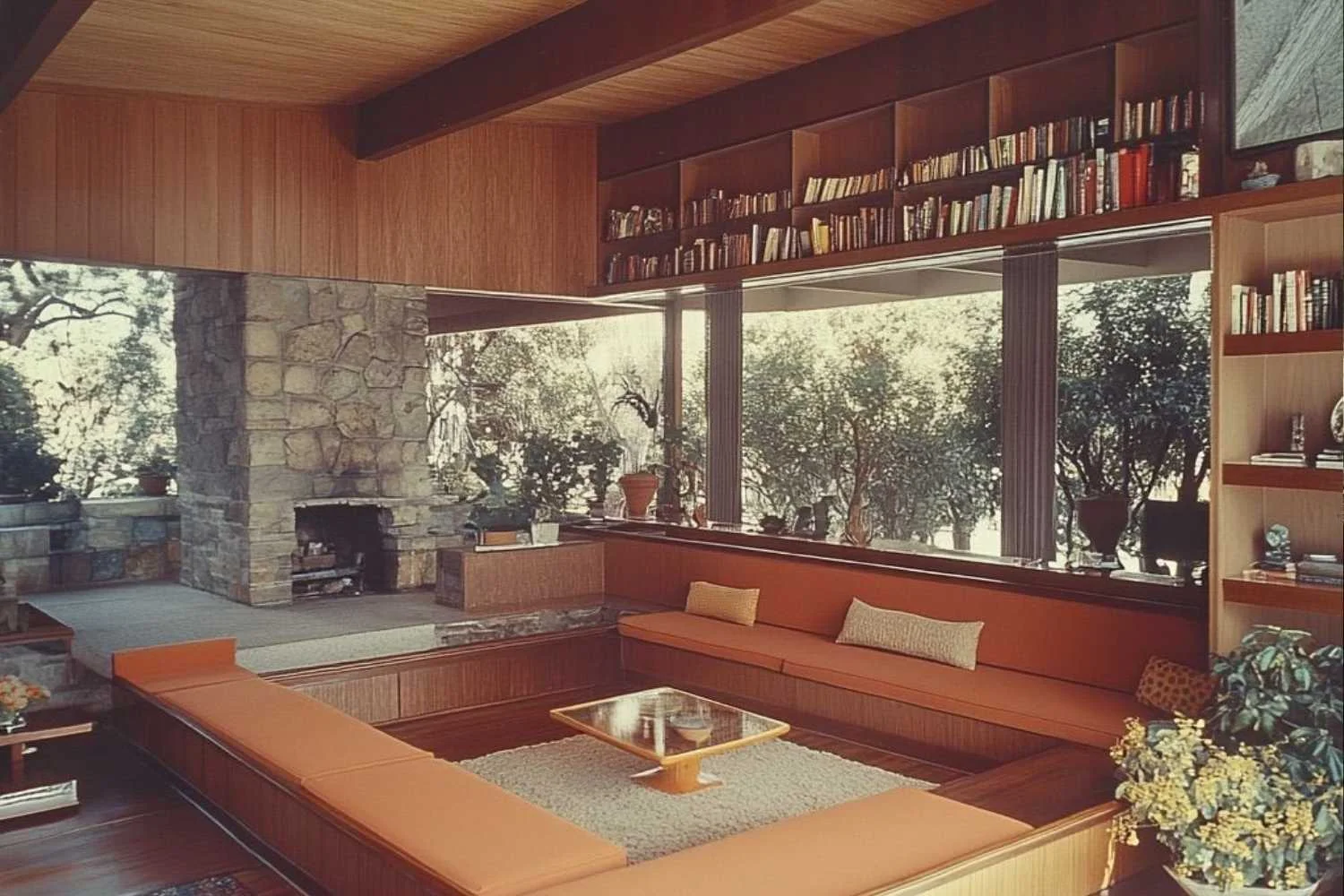
Conceived by architectural pioneer Frank Lloyd Wright in the wake of the Great Depression, Usonian is the first of our different interior design styles. The term ‘Usonia’ represented Wright’s vision of a uniquely American architectural identity that broke away from European traditions.
Designed as modest housing for the American middle class, Usonian interiors emphasise simplicity, functionality, and a deep connection to nature. Created to be a “companion to the horizon,” these homes were typically oriented toward the landscape, with minimal street frontage to enhance privacy and harmony with their surroundings.
Usonian Layout
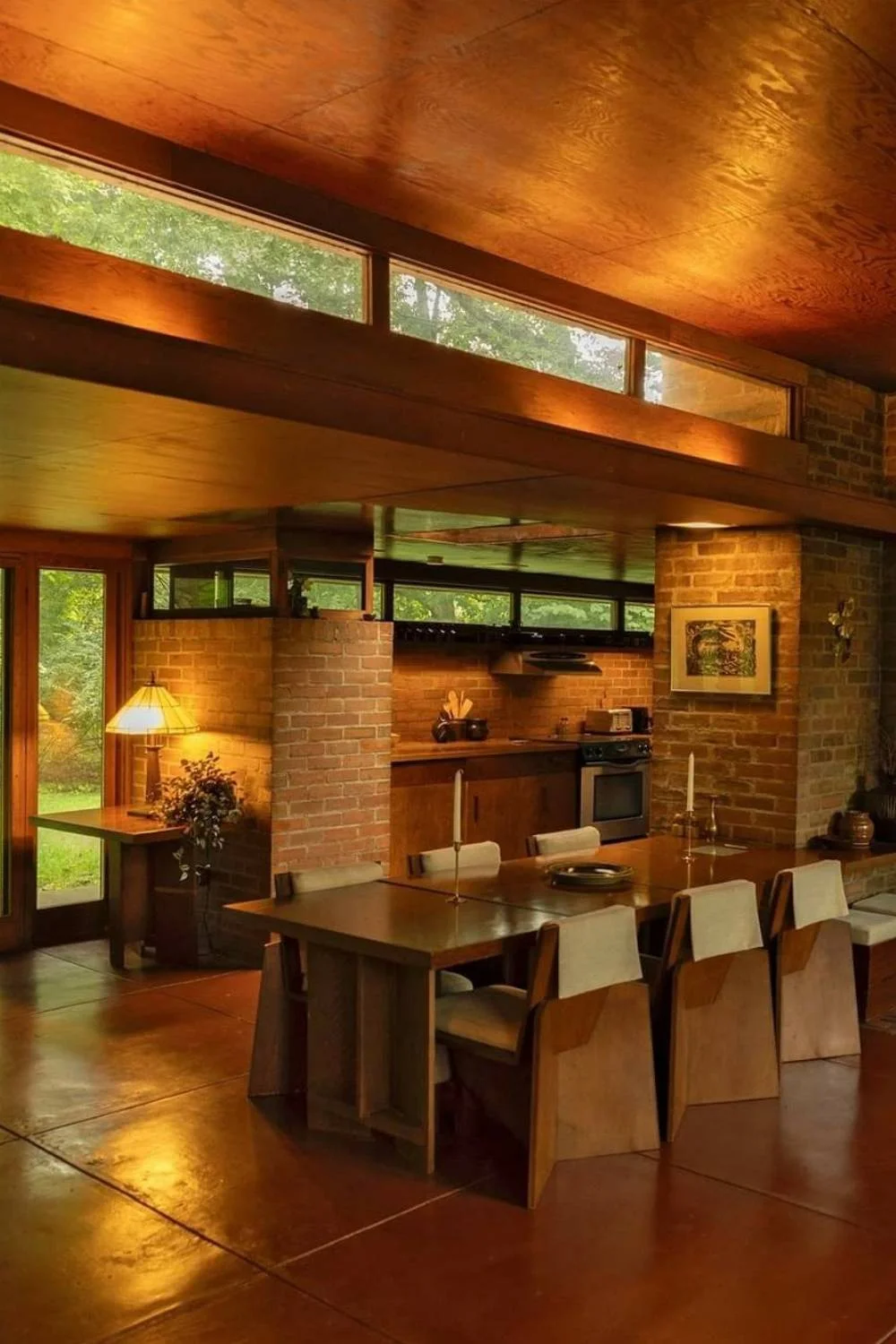
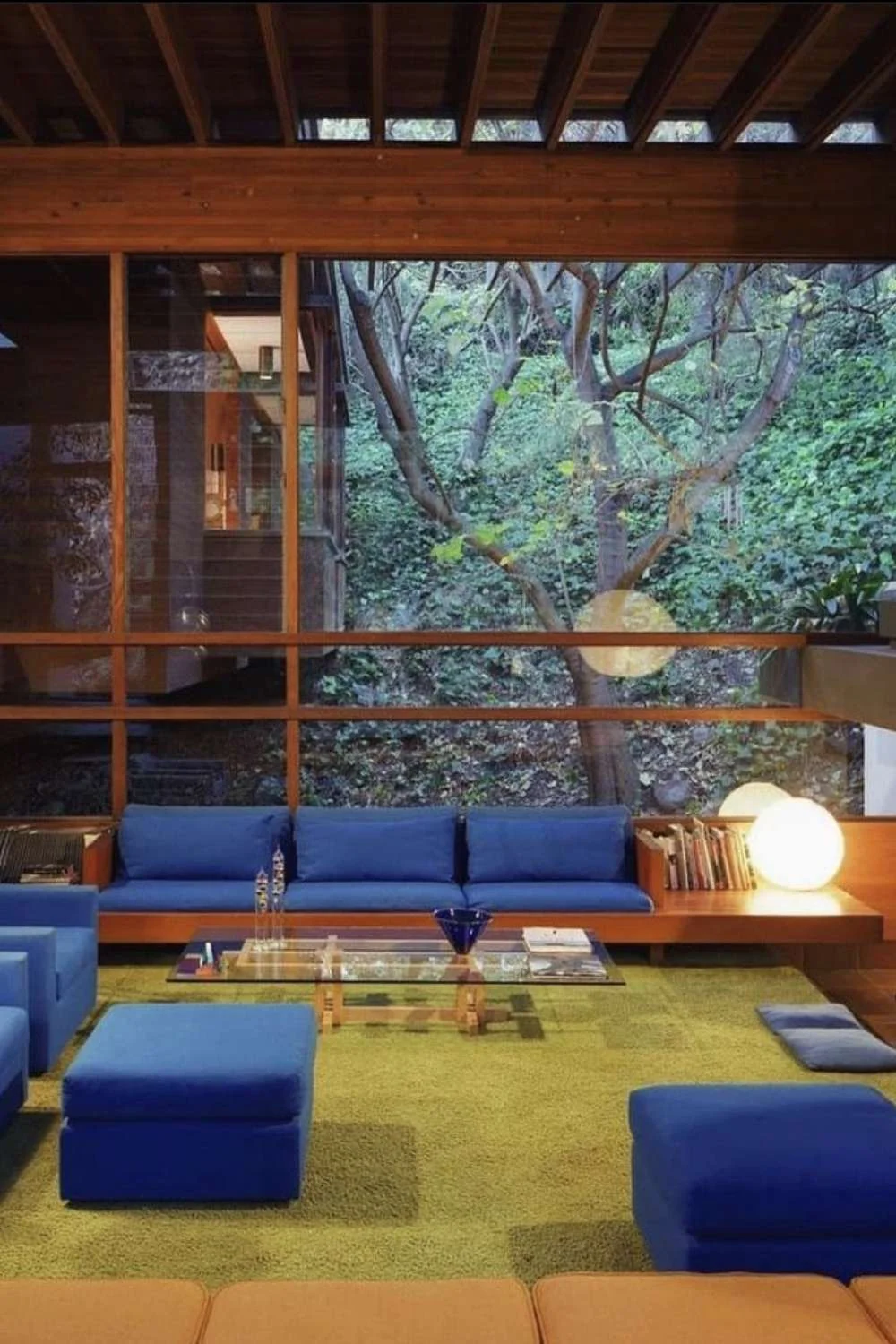
Inside, the interior of a Usonian house typically features built-in furnishings, including shelves, seating, and storage. Their open-plan layouts often revolve around a central stone or brick fireplace, anchoring the living area with an organic warmth.
Usonian Materials
Exposed raw materials like brick, stone, concrete, and wood are hallmarks of Usonian interiors — their natural tones and textures creating depth and visual interest.
Usonian Colour Palette
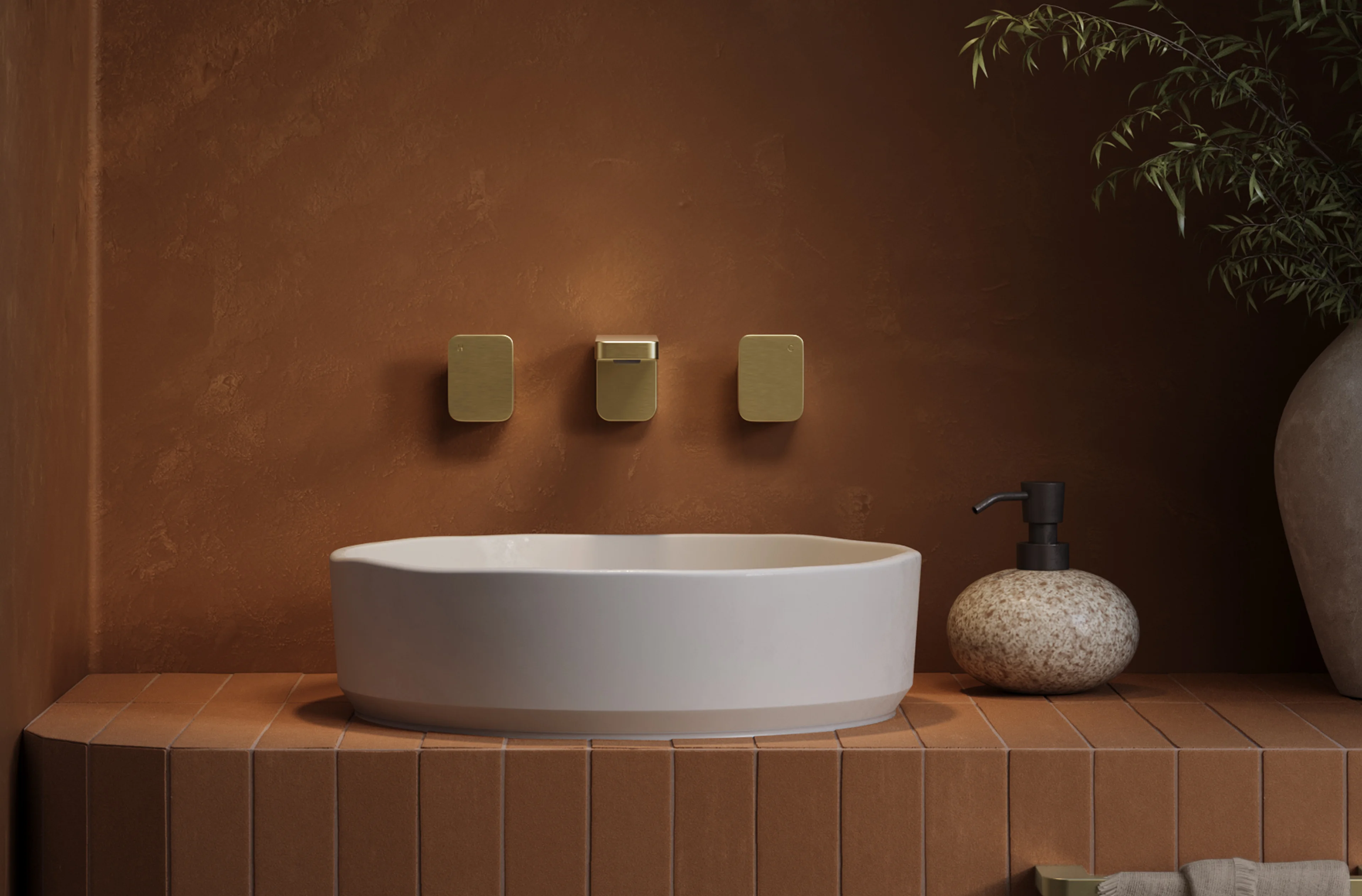
Usonian palettes are rooted in natural, warm tones that echo the surrounding landscape. They often feature earthy hues like browns, terracotta, and muted greys, balanced by soft whites and greens. Wright favoured a monochromatic base with occasional accents, most notably Cherokee Red, a signature earthy red used to highlight architectural details.
Usonian Furniture
Defined by geometric forms, Usonian furniture is often constructed from interlocking elements and paired with simple cushions. Beautiful yet affordable, these pieces were integral to the architectural vision of Usonian homes. Designed without a defined front or back, they can be appreciated from any angle, allowing for flexible placement within a space.
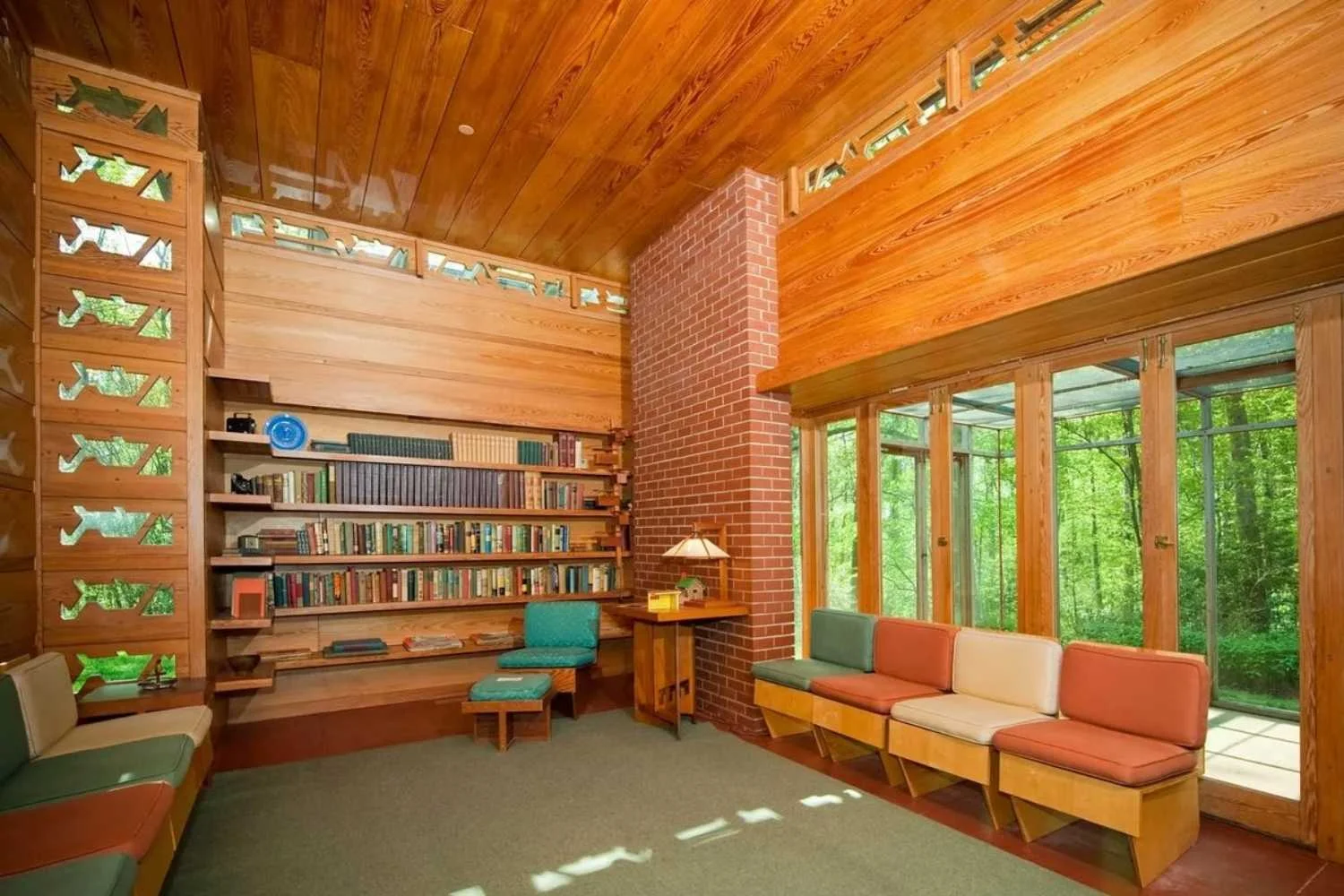
This straightforward style creates a pared-back sanctuary, introducing a calming, earthy ambience into the home. When gardens or trees surround your property, this approach naturally blurs the boundary between indoors and outdoors and can be further enhanced with indoor plants.
2. Streamline Moderne
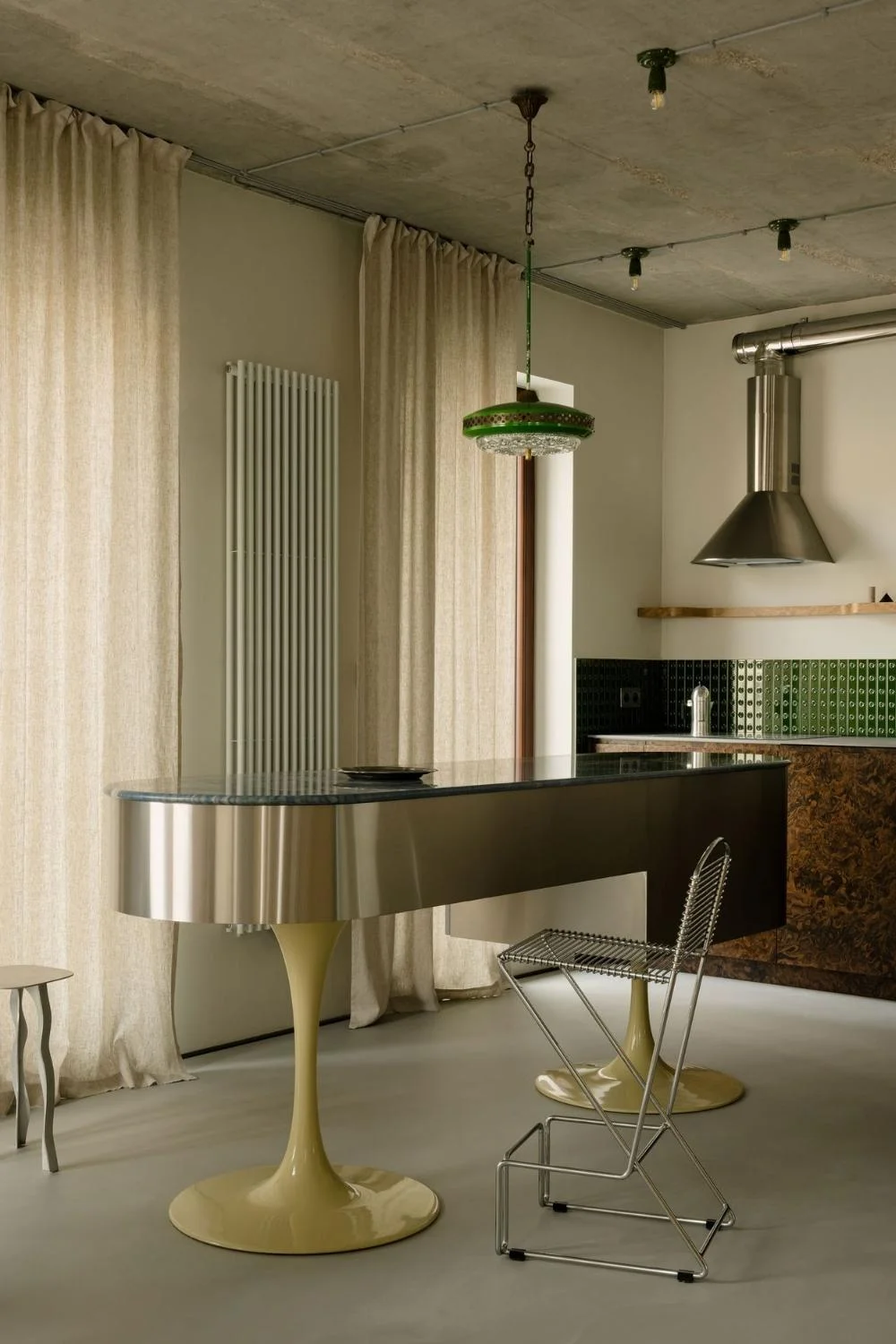
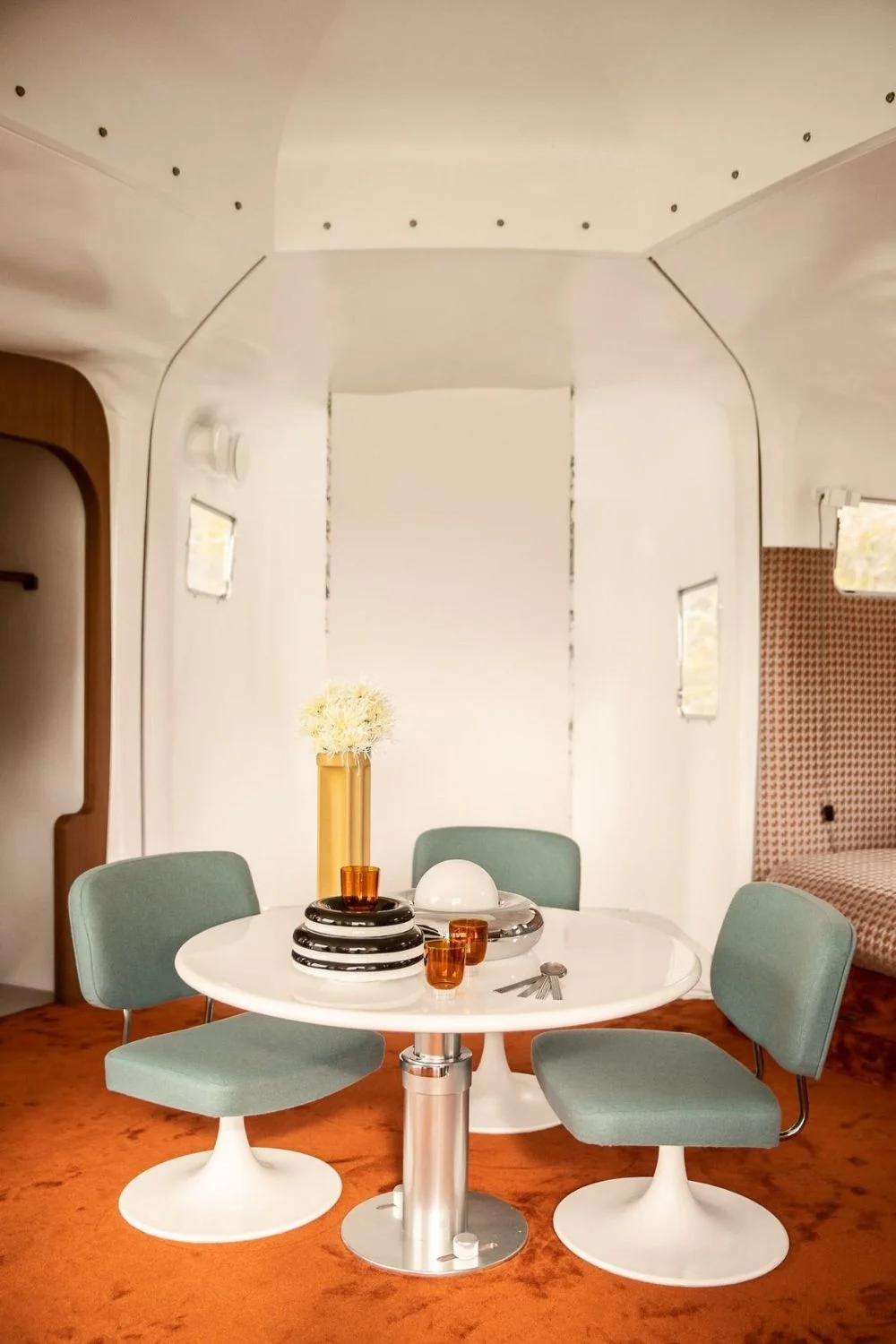
The second of our different interior design styles is Streamline Moderne — a later phase of the Art Deco movement that emerged in the 1930s. Born from a cultural shift away from the extravagance of the 1920s, Streamline Moderne embraces simplicity, functionality, and a sleek sense of modernity. This transition from luxury to industrial design influences was a testament to the enduring appeal of the past in shaping the future.
Streamline Moderne interiors drew heavy inspiration from the era's advancements in transportation. The aerodynamic design of trains, ships, and aeroplanes resulted in interior design decorating styles that felt fast, futuristic, and efficient.
Characterised by smooth lines, rounded corners, and a strong horizontal emphasis, Streamline Moderne interior design evokes motion and progress.
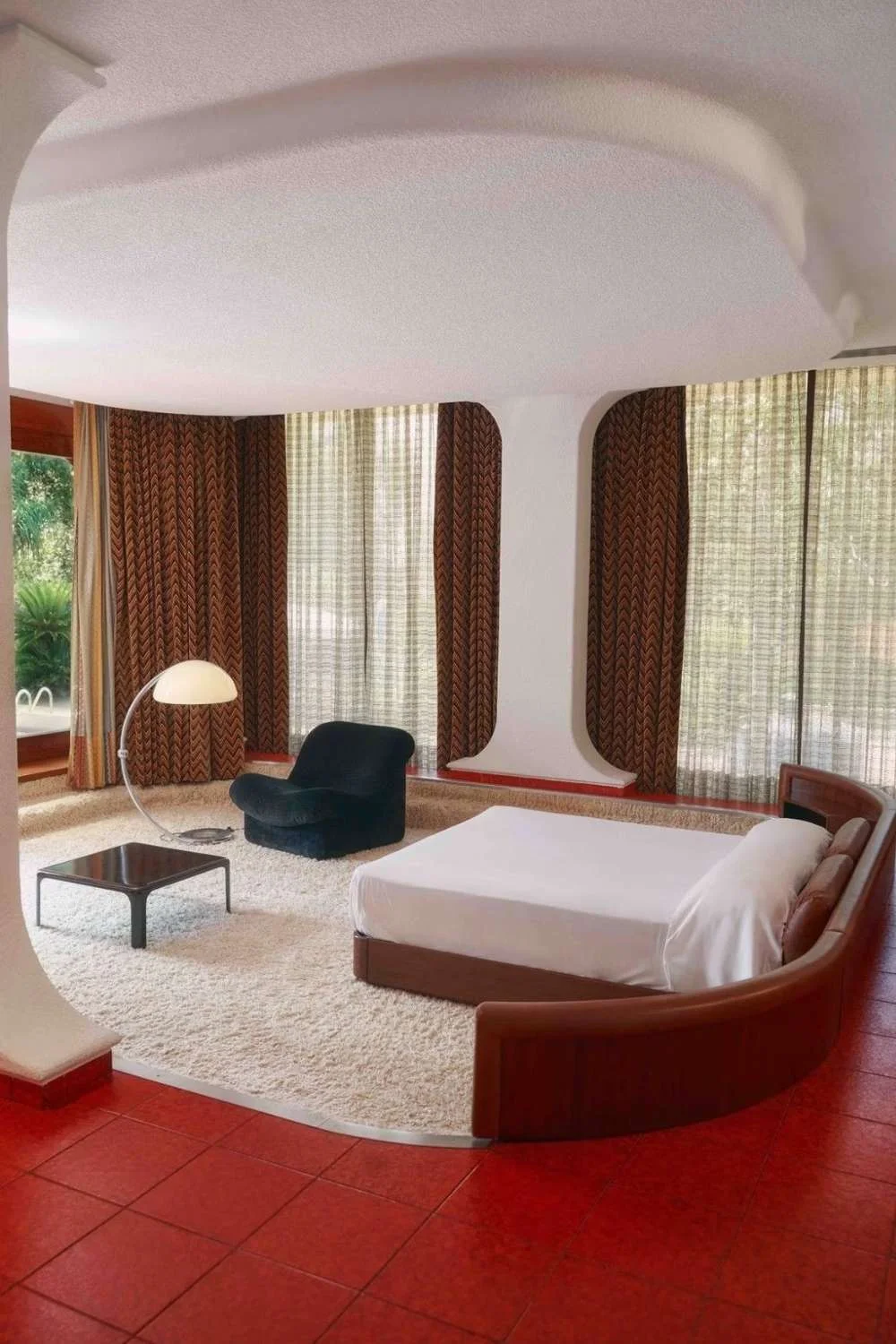
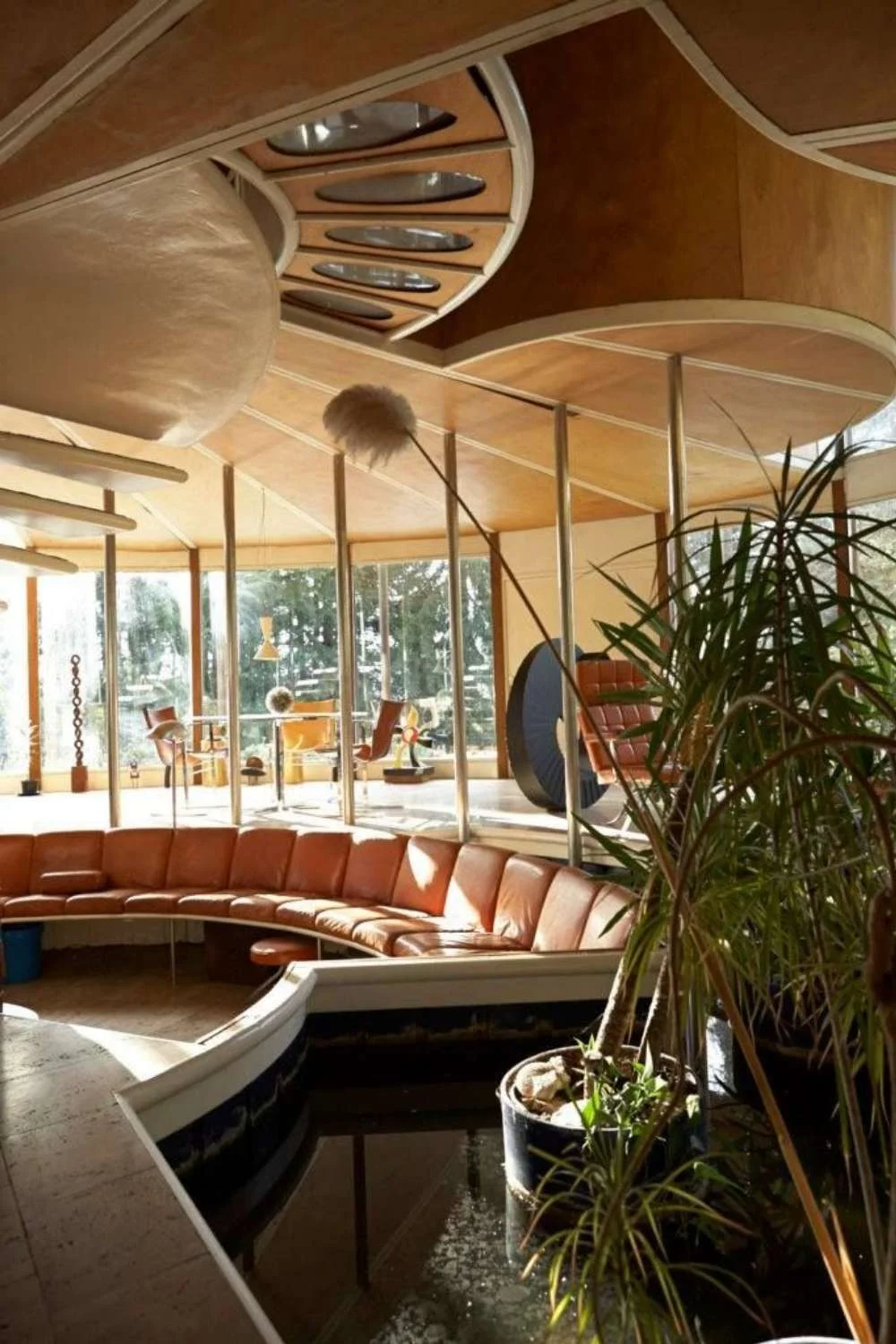
Streamline Moderne Layout
Streamline Moderne interiors showcased long, low-profile furniture, built-in cabinetry, and wooden elements softened by flowing lines. The style exudes an urban, industrial aesthetic, embracing simplicity and sophistication.
Glass bricks and porthole windows were often used to invite natural light into spaces, a subtle nod to the design of boats and aeroplanes. A curved feature wall in the bathroom or living room adds to this spaceship-like atmosphere, blending functionality with futuristic flair.
Streamline Moderne Materials
Streamline Moderne interiors embrace industrial materials like chrome, stainless steel, and glass, featuring gleaming finishes that reflect light. Whether featured in furniture, decor, or fixtures, metal accents will effortlessly bring the Streamline Moderne aesthetic into your space. Pair these with modern curves, like those in our Milani Collection, for a circular finish to complete the style.
Streamline Moderne Colour Palette
Due to their modern and nautical influences, Streamline Moderne interiors typically focus on muted, sophisticated hues, with a foundation of white, accented by soft pastels like pale blues, greens, and yellows, and touches of bright blue or red for contrast.
Streamline Moderne Furniture
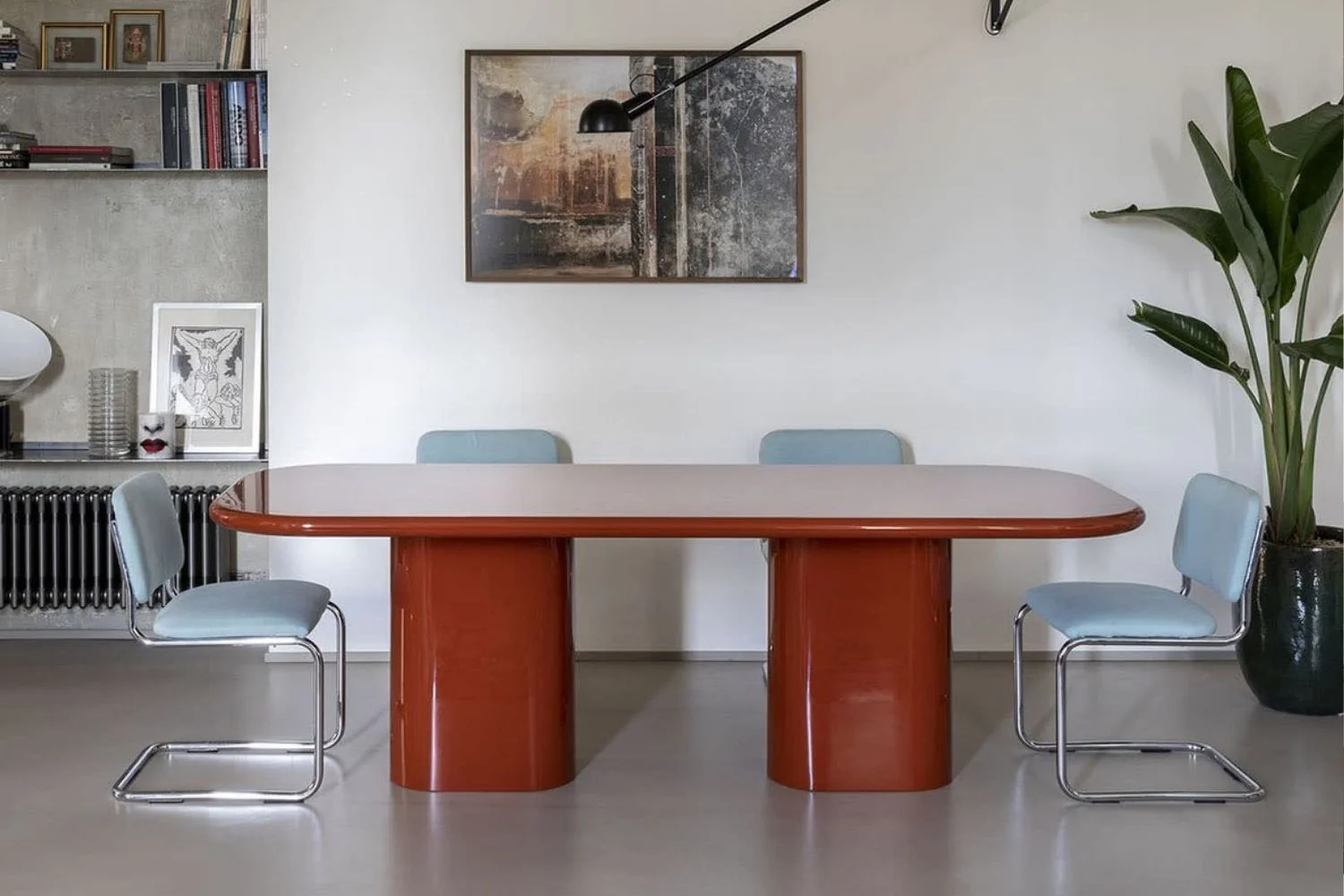
Streamline Moderne furnishings continue to influence furniture design today, evident in the rise of wave-inspired interiors. The era’s simple yet distinctive curved pieces add a contemporary touch to any space.
Picture long, low sofas with leather upholstery, round tables and chairs with chrome legs, wooden cabinets and dressers with smooth edges, and sculptural lighting designs like rounded pendants and sconces.
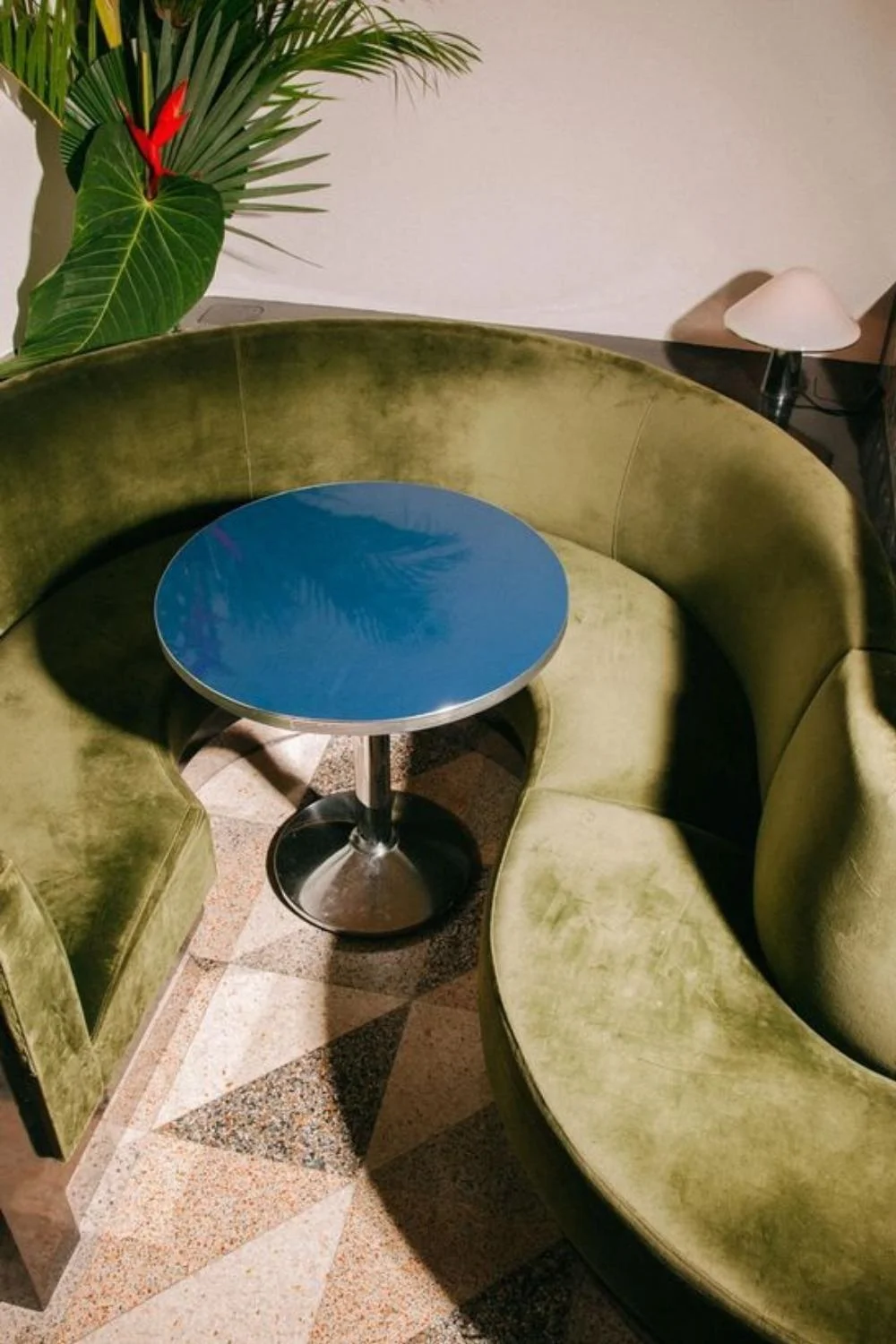
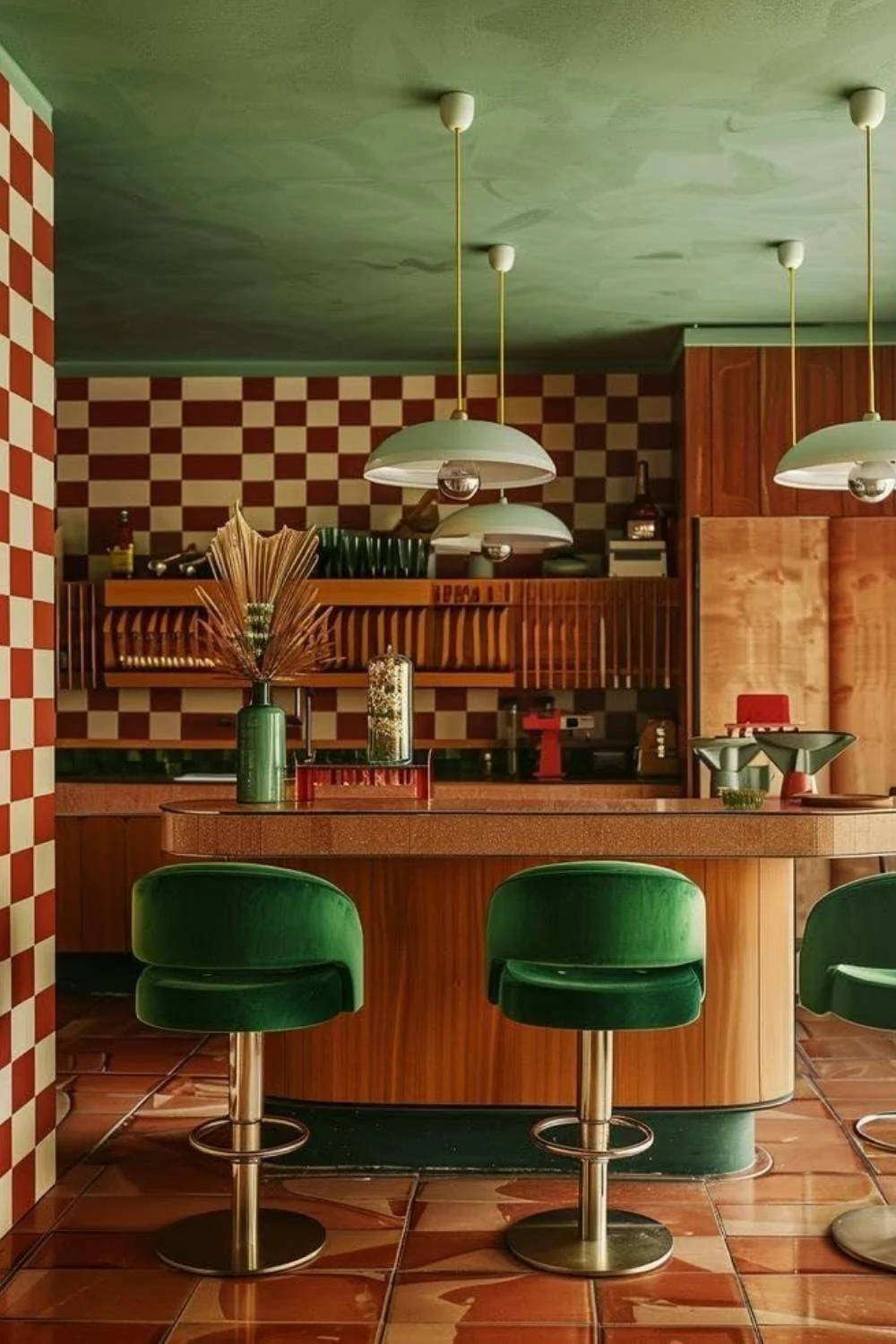
Streamline Moderne remains a testament to how design can reflect cultural change, moving from ornamental luxury to a more accessible, optimistic vision of modern life.
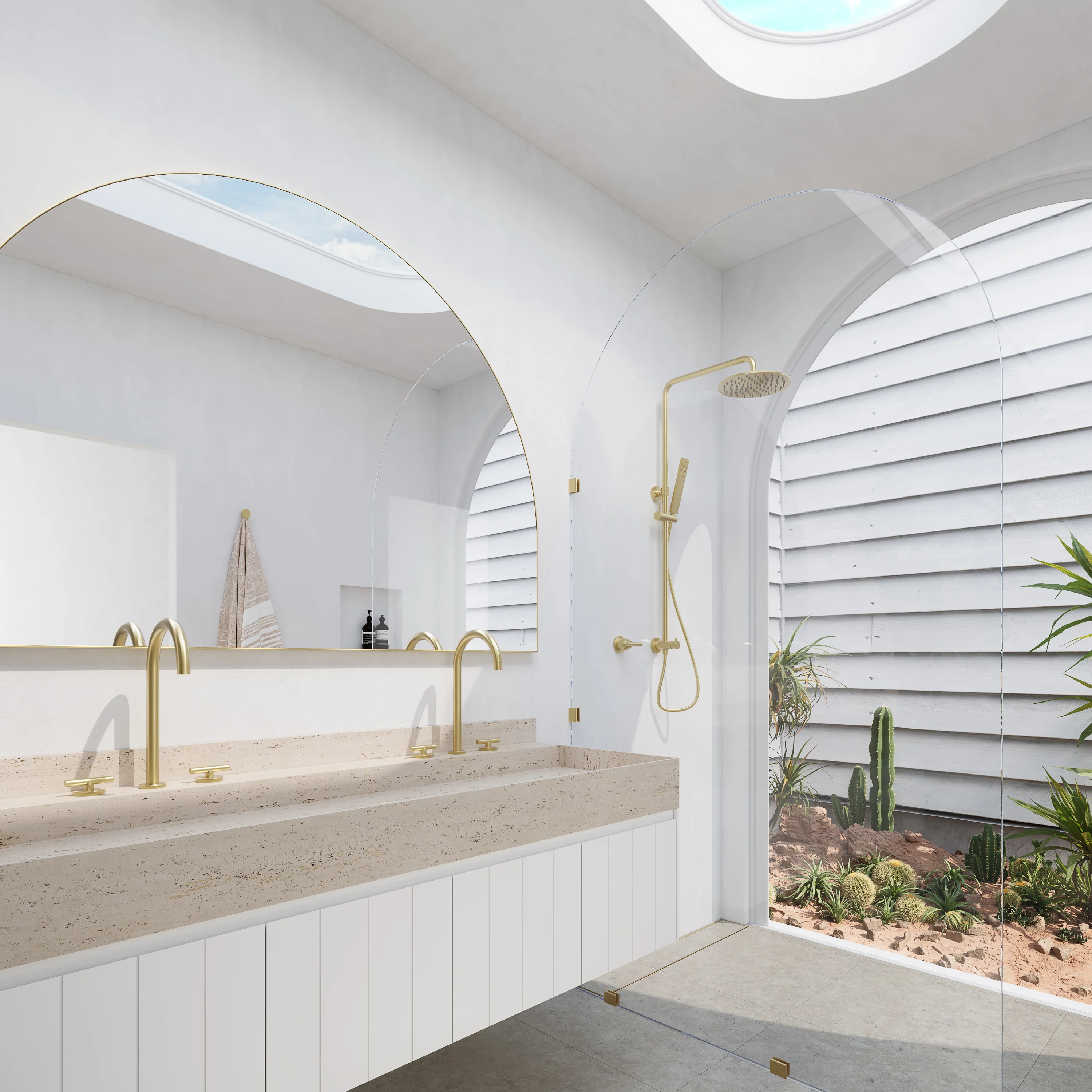
To achieve a Streamline Moderne interior design, embrace horizontal lines, nautical elements, and soft colours. If you prefer a subtler approach, adding playful touches like a curved top-mount basin, mirror, or fixtures in your bathroom easily captures its essence without overwhelming the space.
3. Memphis
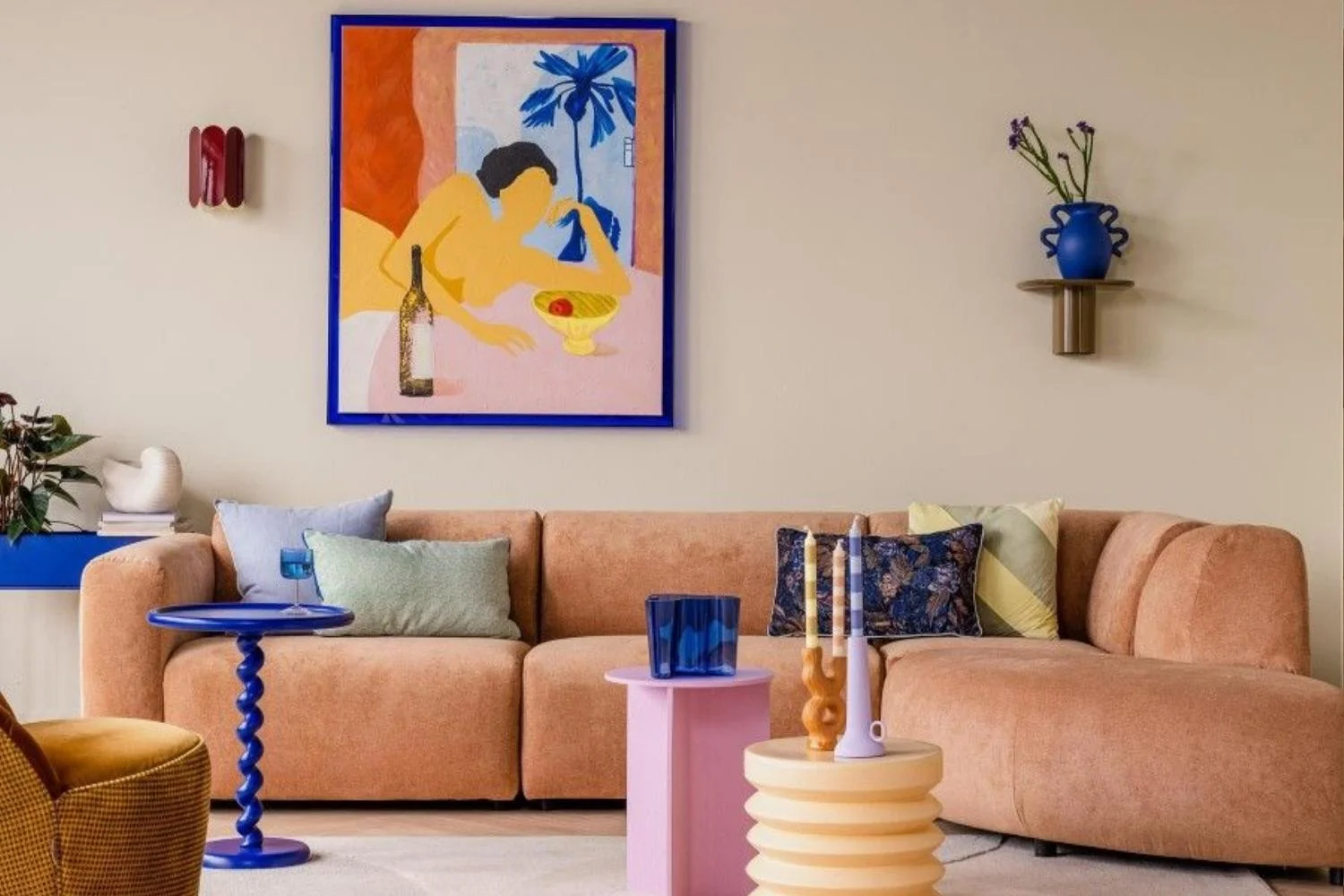
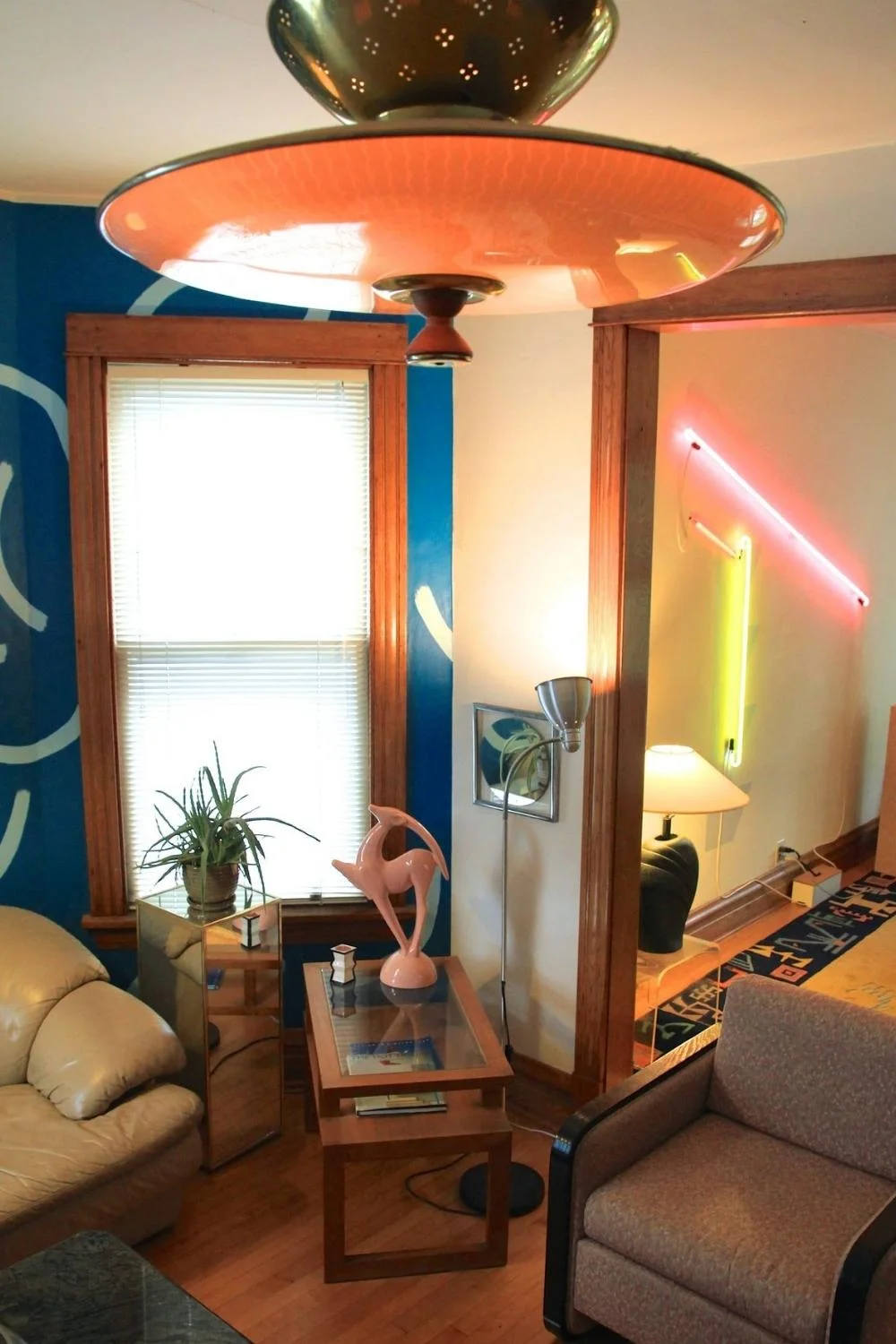
The third of our different interior design styles is Memphis. Originating from the radical Memphis Group of Milan in the 1980s, Memphis is a bold, unapologetic, and playful rebellion against traditional design norms. This influential movement rejected the functionality of modernism, instead prioritising artistic expression over utility.
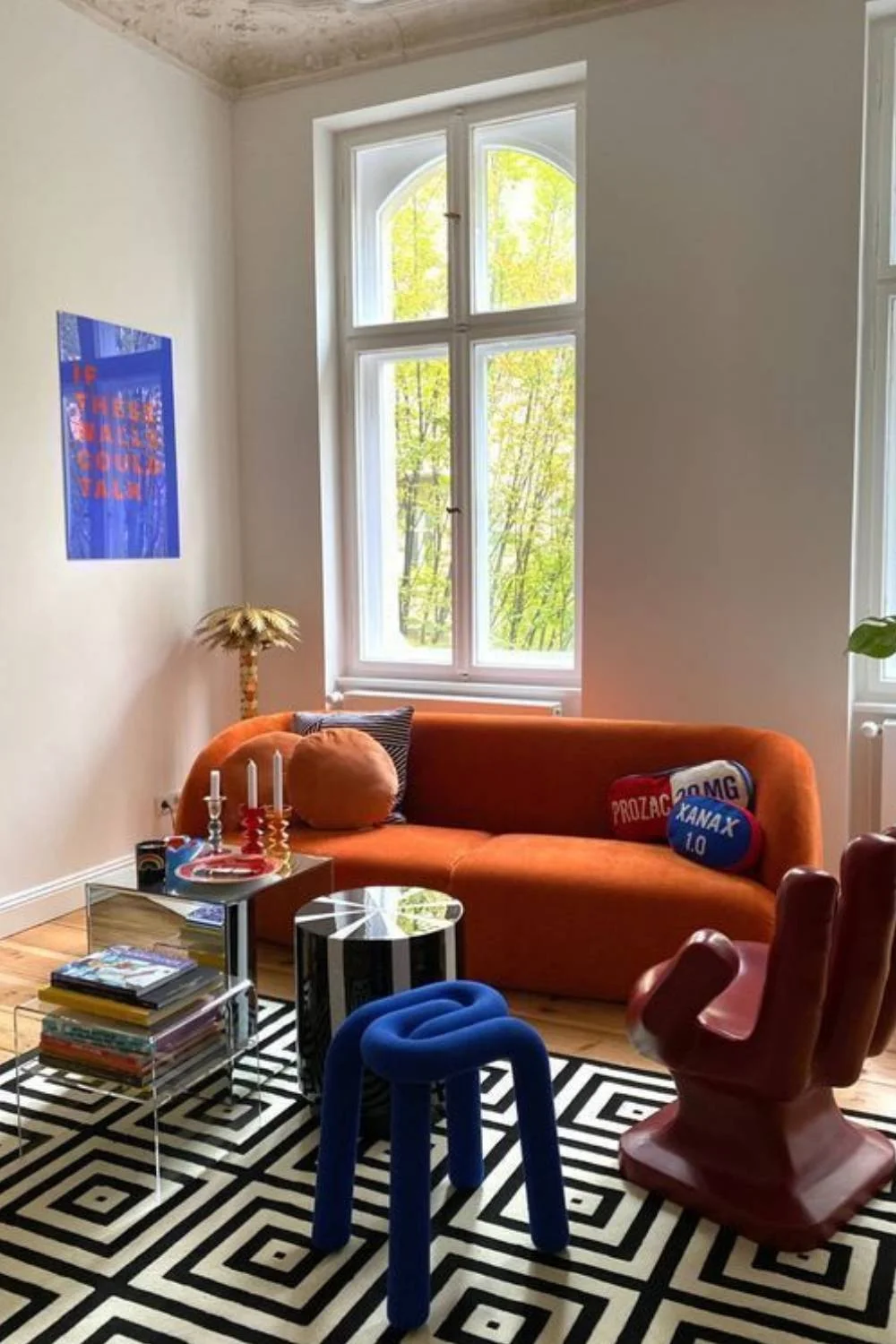
A Memphis design interior embraces bright colours and geometric shapes. Unconfined by rules or restraint, whether you introduce just a touch of Memphis or fully commit to the style, it’s a powerful way to inject personality into your space.
Heavily influenced by Italian radical design, Memphis interiors are chaotic yet joyful spaces that defy convention. As a bold rebellion against the notion of ‘good taste,’ the Memphis movement reimagined interiors of its time and continues to challenge design norms well into the 21st century.
Memphis Layout
Unbound by spatial constraints, Memphis can be reflected in any environment. Its impact isn’t reliant on natural light, high ceilings, or open-plan layouts. Instead, this maximalist style thrives on colour, contrast, and creativity, transforming even the most modest spaces into bold, expressive statements.
Memphis Materials
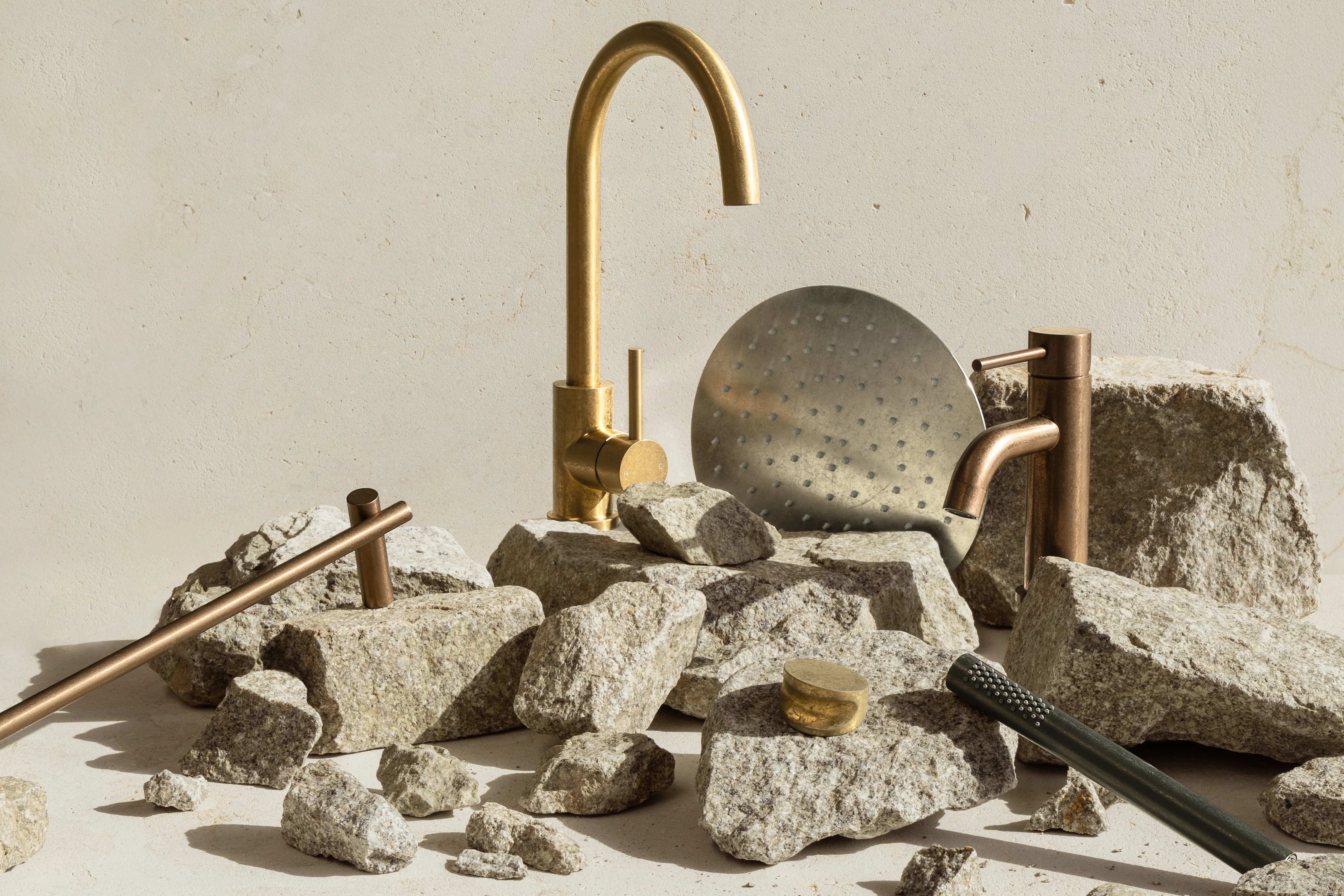
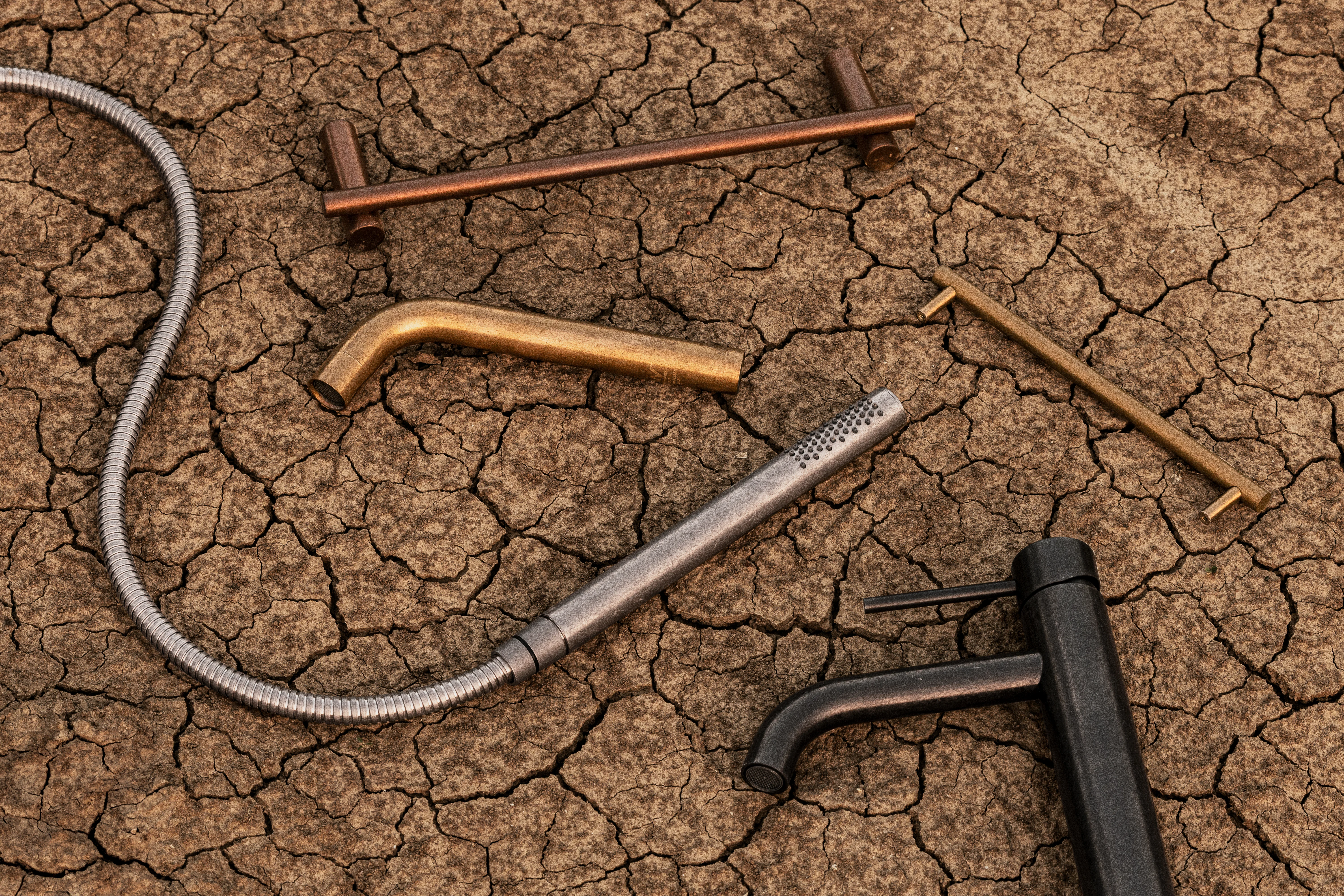
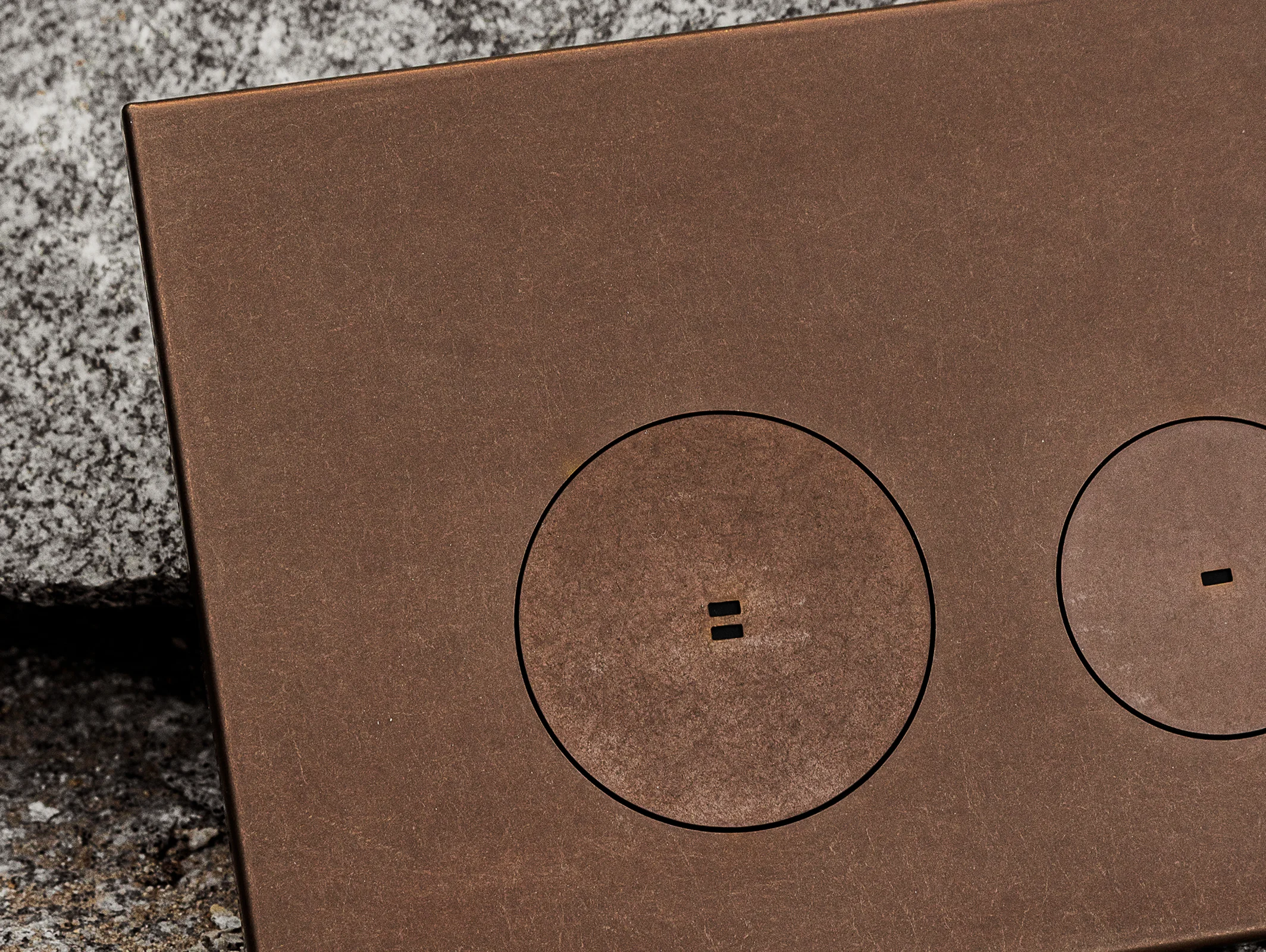
A Memphis design interior embraces materials that add unmistakable character. Expect plastic laminate, terrazzo, glass, and chrome, all used in unexpected ways. Natural materials like marble, travertine, and wood can be equally as effective. Introduce Memphis elements through bright-toned tiles, a stone basin, marble hardware, or brushed copper tapware.
Memphis Colour Palette
Memphis colour palettes captivate, whether through a combination of bright tones or one core colour commanding the space. Hot pinks, electric blues, and oranges are deliberately used to challenge harmony within a space.
Memphis design encourages bold experimentation and celebrates those with a distinctive personal style. Whether you’re drawn to deep marble tones, bright greens, or pastel yellow, with Memphis, you can use them all.
Memphis Furniture
Memphis furniture remains highly sought after today, celebrated for its bold use of awkward, asymmetrical proportions that challenge conventional ideas of balance and functionality. Known for its geometric shapes and patterns, such as chunky half-circles, squiggles, and sharp edges, Memphis intentionally clashes these elements to create a captivating combination of colour and form.
The resurgence of creative, personalised design makes it easier than ever to embrace a Memphis aesthetic. Contemporary reinterpretations of its signature furniture and patterns continue to appear across today’s design landscape, blending playful irreverence with modern sensibility.
4. Shaker
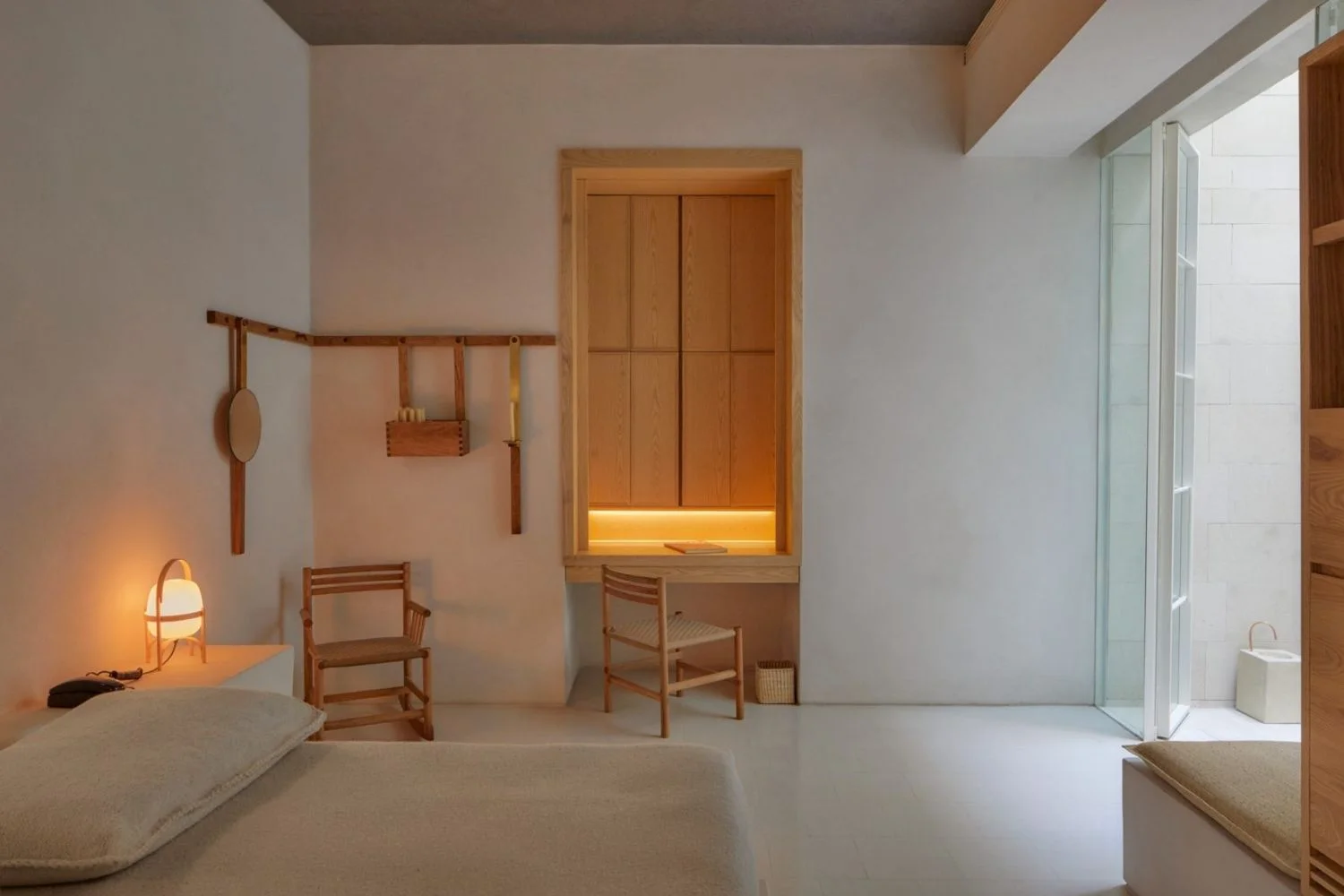
Shaker interior design is the fourth of our different interior design styles. It draws inspiration from the Shakers, a mid-18th-century religious sect that believed in the possibility of creating ‘a more perfect society on Earth.’
Built for communal living, Shaker spaces embodied openness, function, and simplicity. Today, these timeless interiors feel more relevant than ever, championing minimalism, sustainability, and a deep connection to nature.
A Shaker interior design style is known for its simple, unadorned features, allowing the natural beauty of wood to take centre stage. This intentional use of straightforward materials creates a sense of warmth, clarity, and quiet sophistication.
Shaker Layout
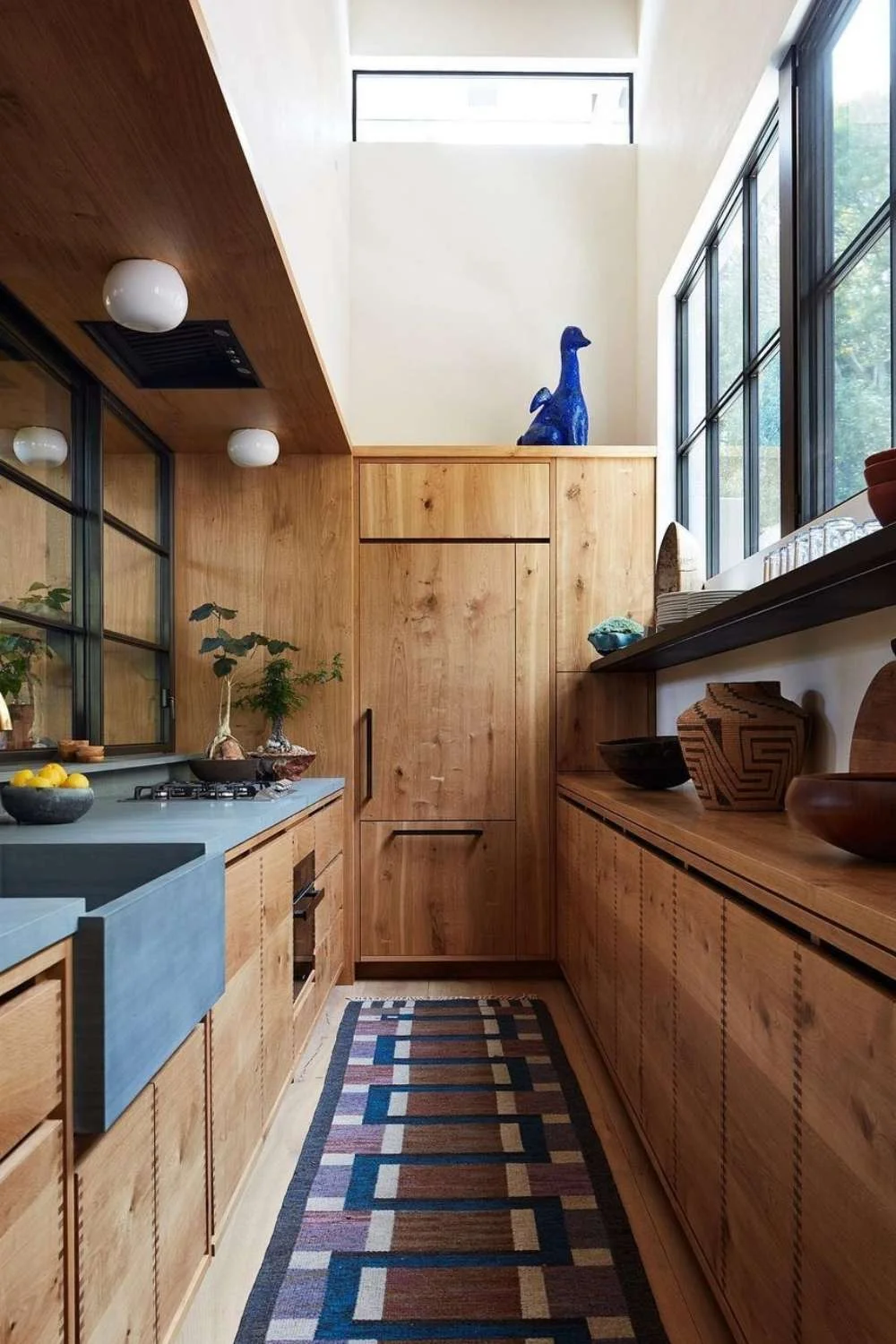
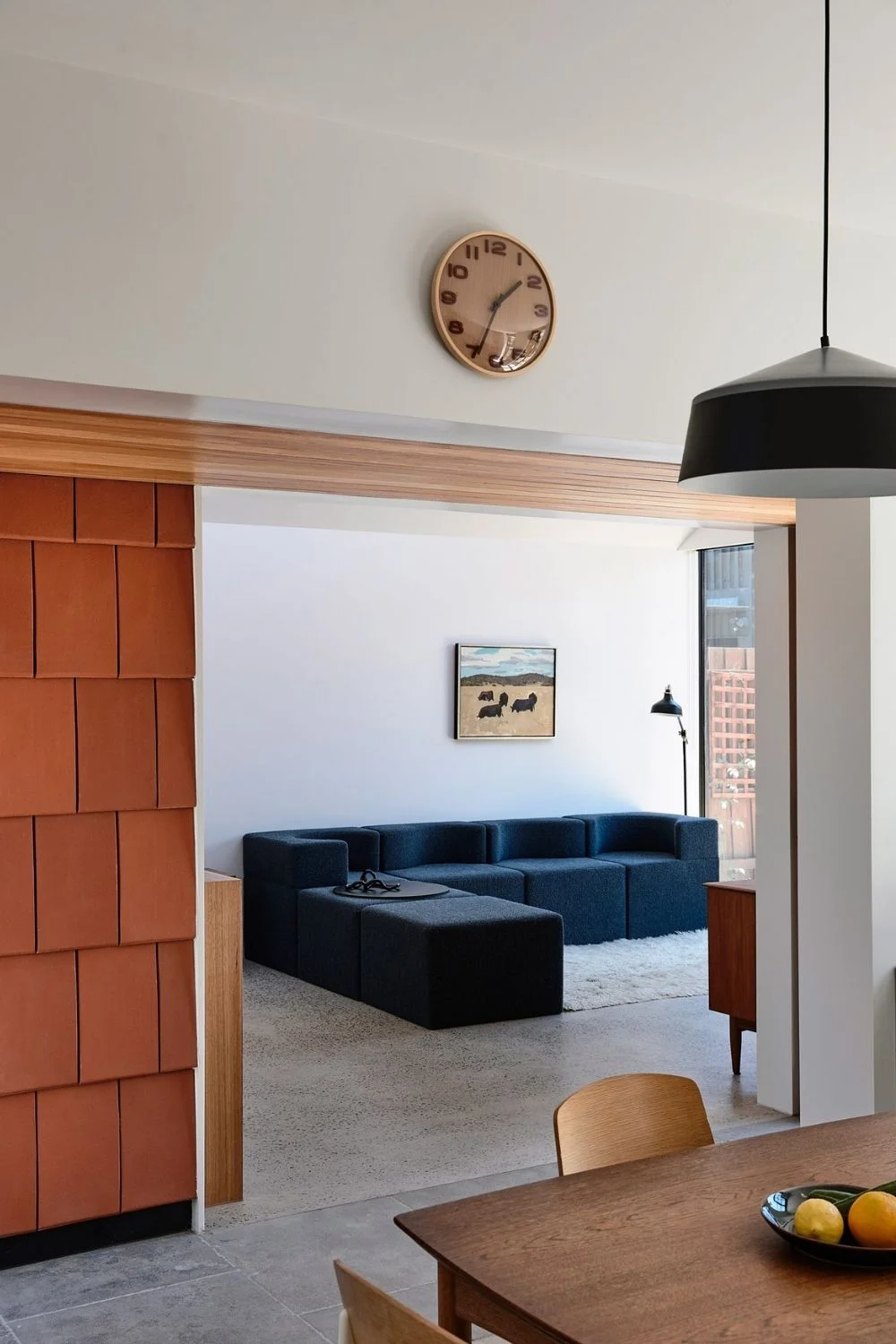
Shaker interior design focuses more on materials and furniture than on space layout. Functionality is key, with an emphasis on efficient use of space through built-in furniture, craftsmanship, and minimal hardware, all contributing to an uncluttered atmosphere.
Shaker Materials
The original Shakers crafted their interiors and furniture using wood sourced directly from their land. Common choices included pine, maple, ash, birch, beech, walnut, oak, and poplar — their commitment to quality and durability results in materials that never go out of style.
Shaker Colour Palette
Organic and neutral, the Shaker palette is grounded in beiges, creams, and chocolate tones — often expressed through wall colours and natural wooden features. The use of an accent colour brings a welcoming feel to Shaker interiors, whether through soft blue cabinetry or brushed brass tapware.
Shaker Furniture
Shaker furniture is defined by its clean lines, tapered legs, and minimalist craftsmanship. The style blends elements of modern farmhouse design with a Scandinavian sense of restraint, making it timeless and versatile.
Typical Shaker furnishings include peg rails — simple wooden boards with evenly spaced pegs to hang chairs, tools, and garments, maximising floor space and maintaining a clean aesthetic. Bentwood boxes, once used for storage, remain iconic decorative and functional pieces, while lightweight ladder-back chairs complete the practical yet timeless look.
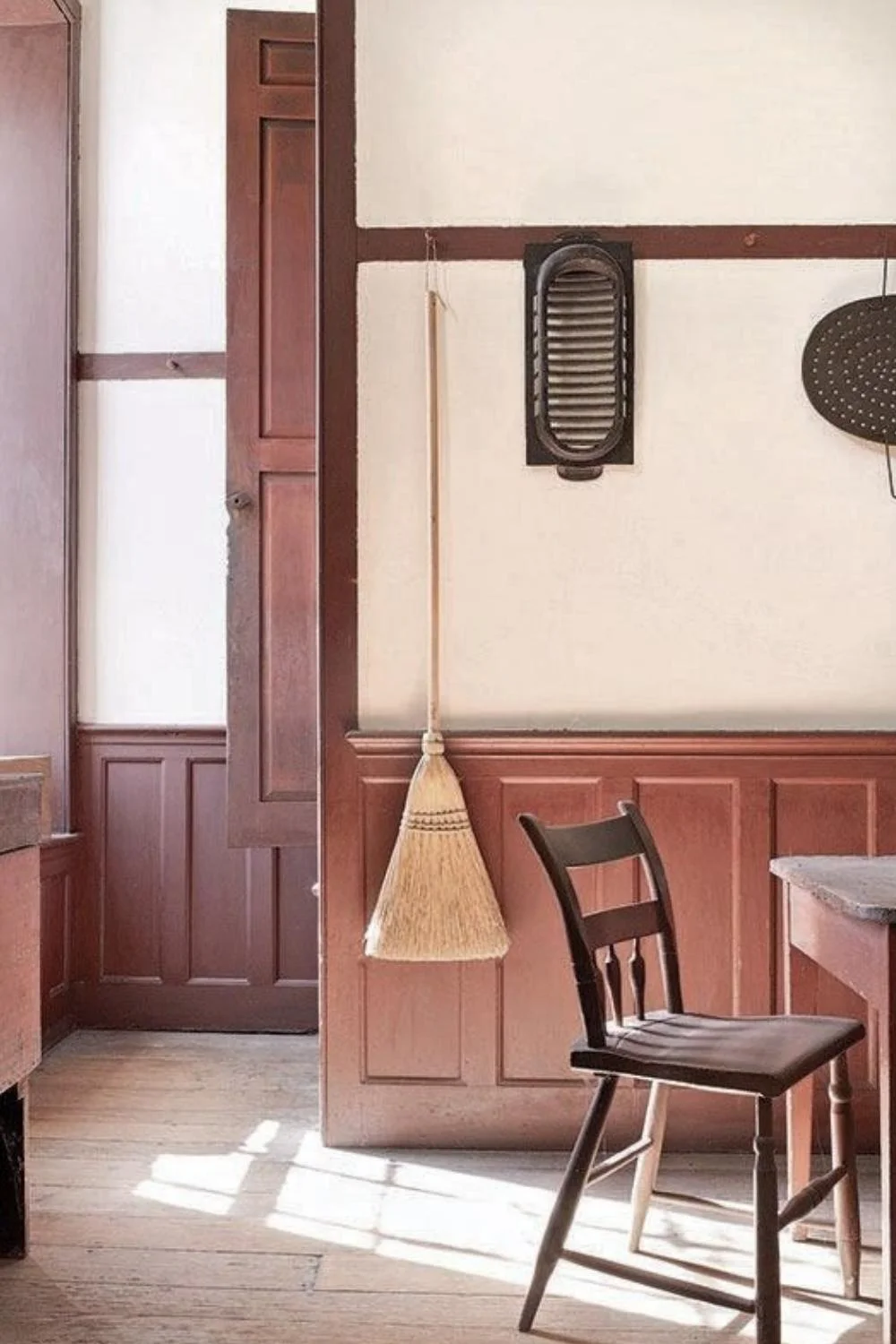
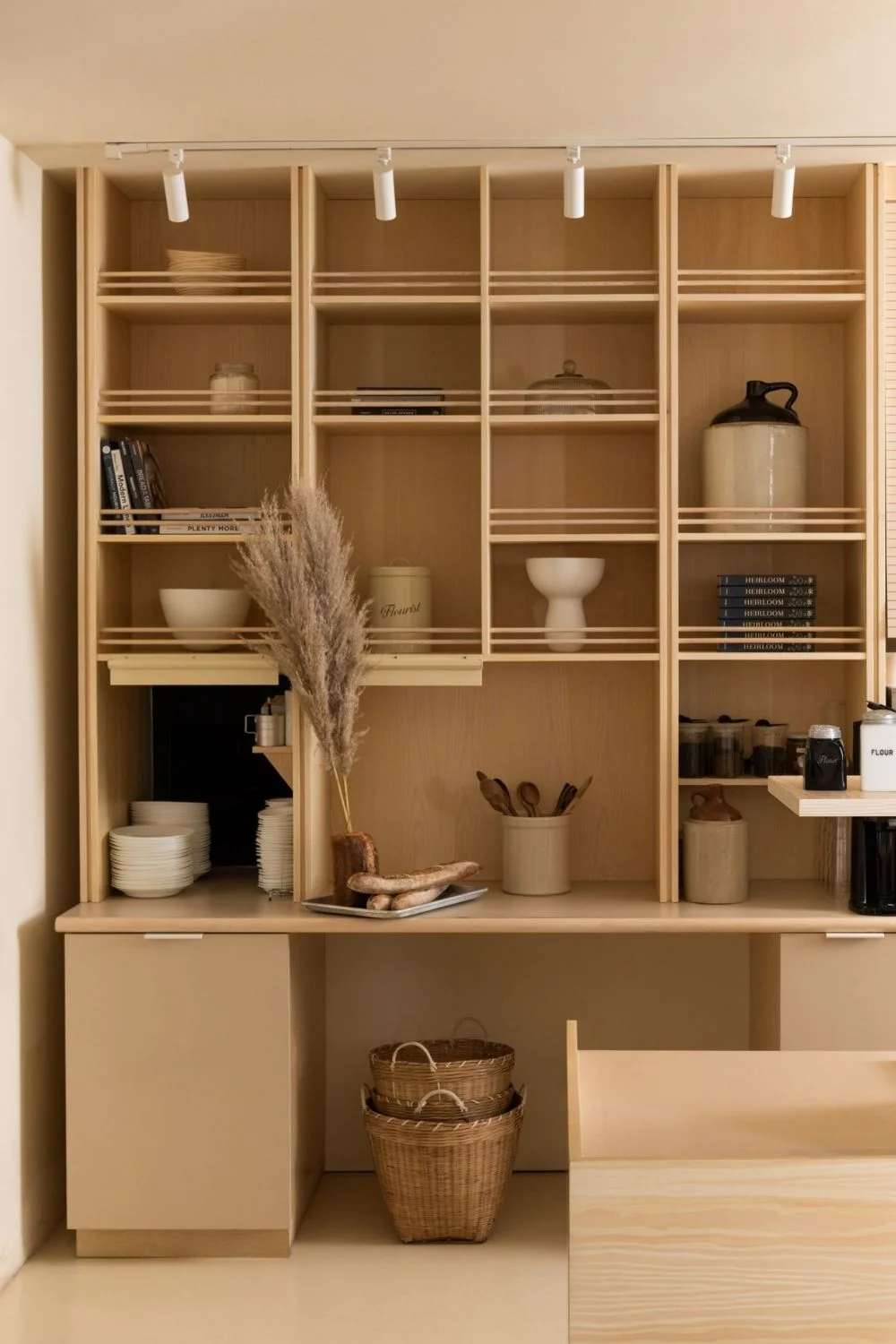
Custom storage, built-in cabinetry, and shelves were often crafted to fit specific items, reinforcing the group’s philosophy of purpose-driven design. Our Kingsley Provincial Collection complements Shaker interiors beautifully, with subtle, ornate details that enhance the warmth and rustic character of wooden elements.
Simple and practical, this style is easy to incorporate, whether through subtle touches or a full Shaker kitchen design. From beds and wardrobes to chairs and bathroom vanities, each piece brings a sense of warmth and craftsmanship, making it a lasting addition to any home.
5. Brutalist
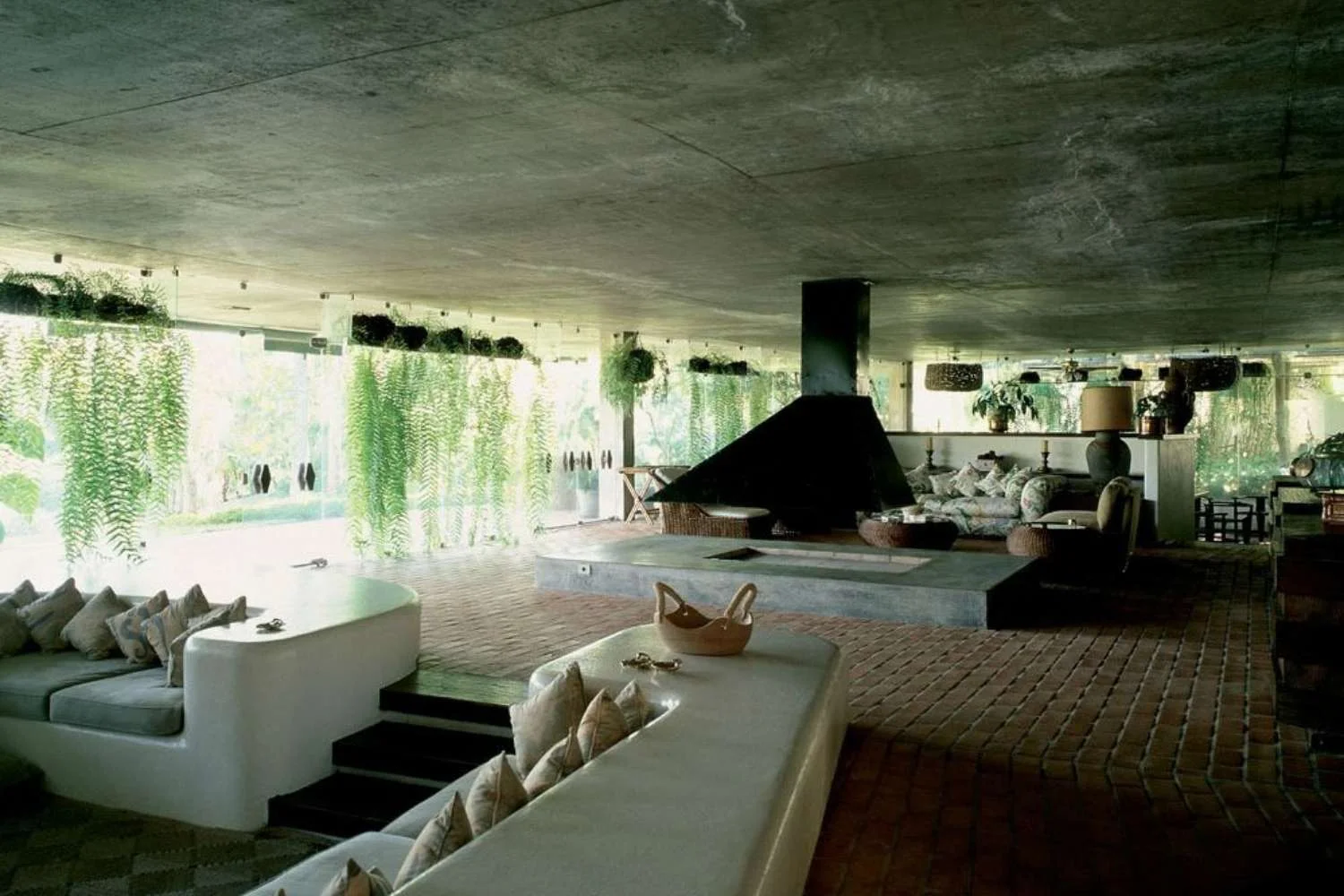
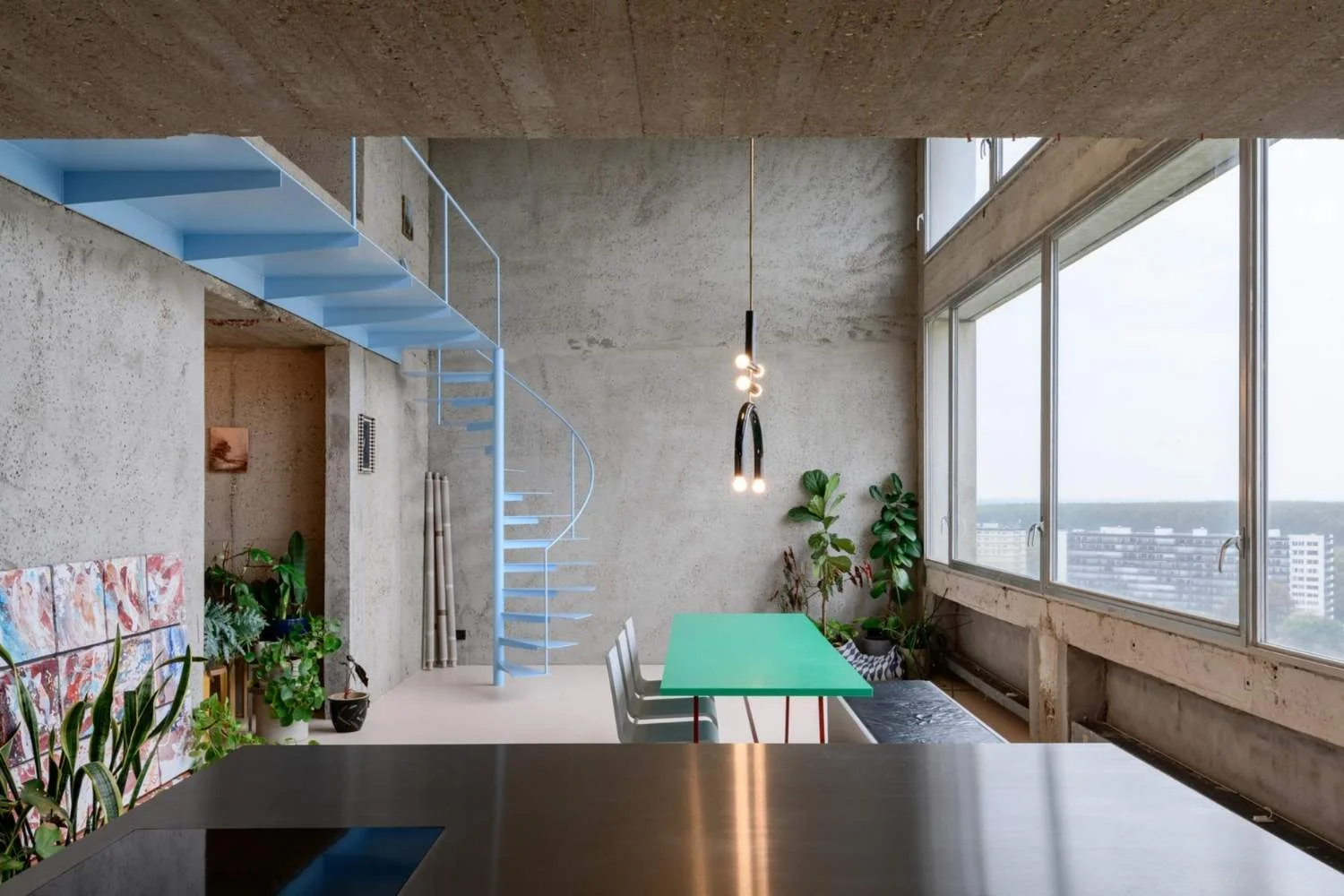
Brutalist interior design is the final of our different interior design styles, celebrated for its bold, unapologetic aesthetic. It embraces raw materials and minimalist forms to create spaces that are both striking and refined.
The rise of brutalism, known for its monumental concrete structures, bold angles, and sculptural depth, inspired the brutalist interior design we admire today. The result is a bold yet minimalist aesthetic that emphasises raw materials and dramatic spatial contrasts.
Brutalist Layout
Best suited to open-plan spaces, brutalist interiors thrive on natural light that highlights the texture of the materials used. Characterised by high ceilings, open-plan living, and studio layouts, these spaces often convey a stark masculine feel.
Brutalist Materials
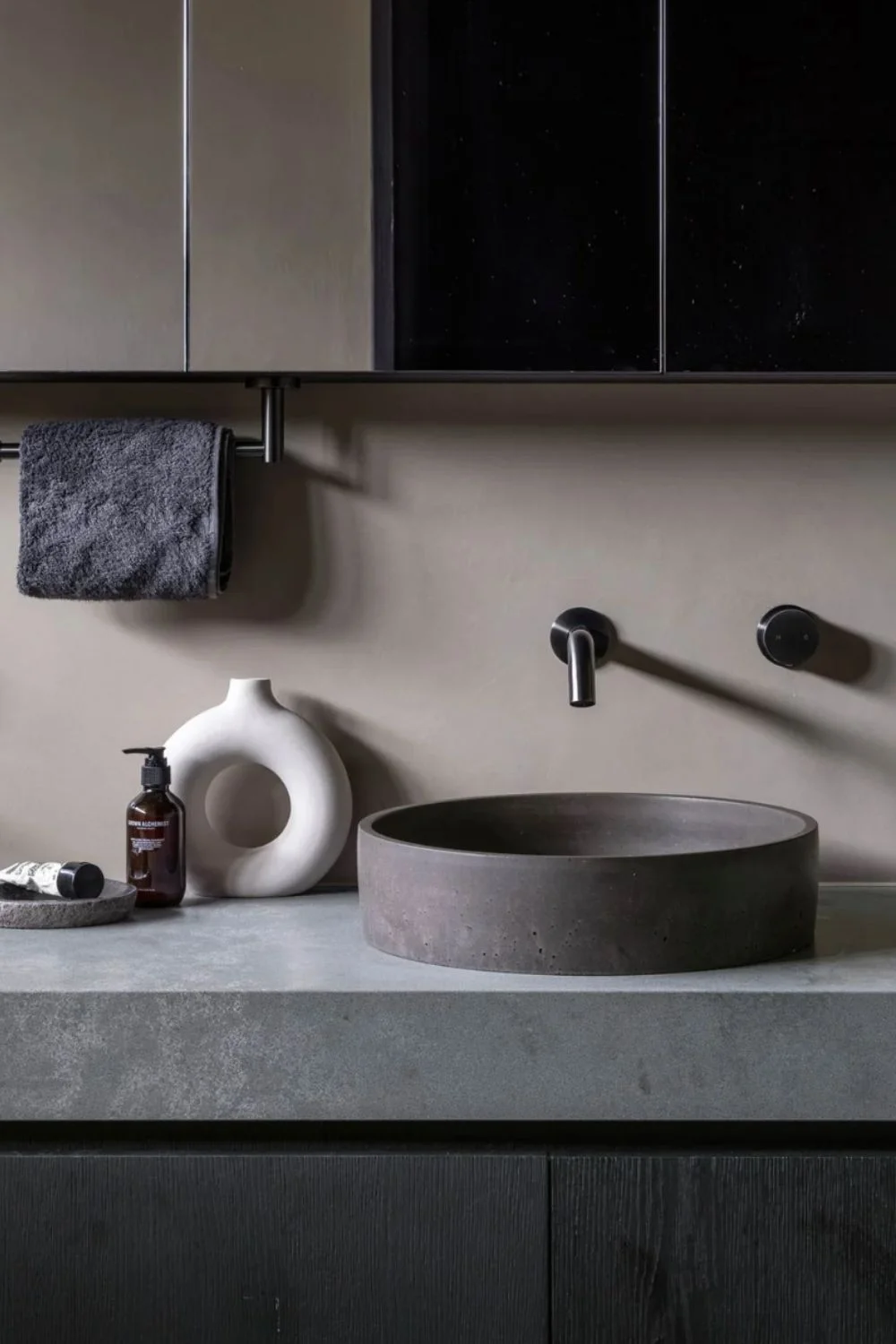
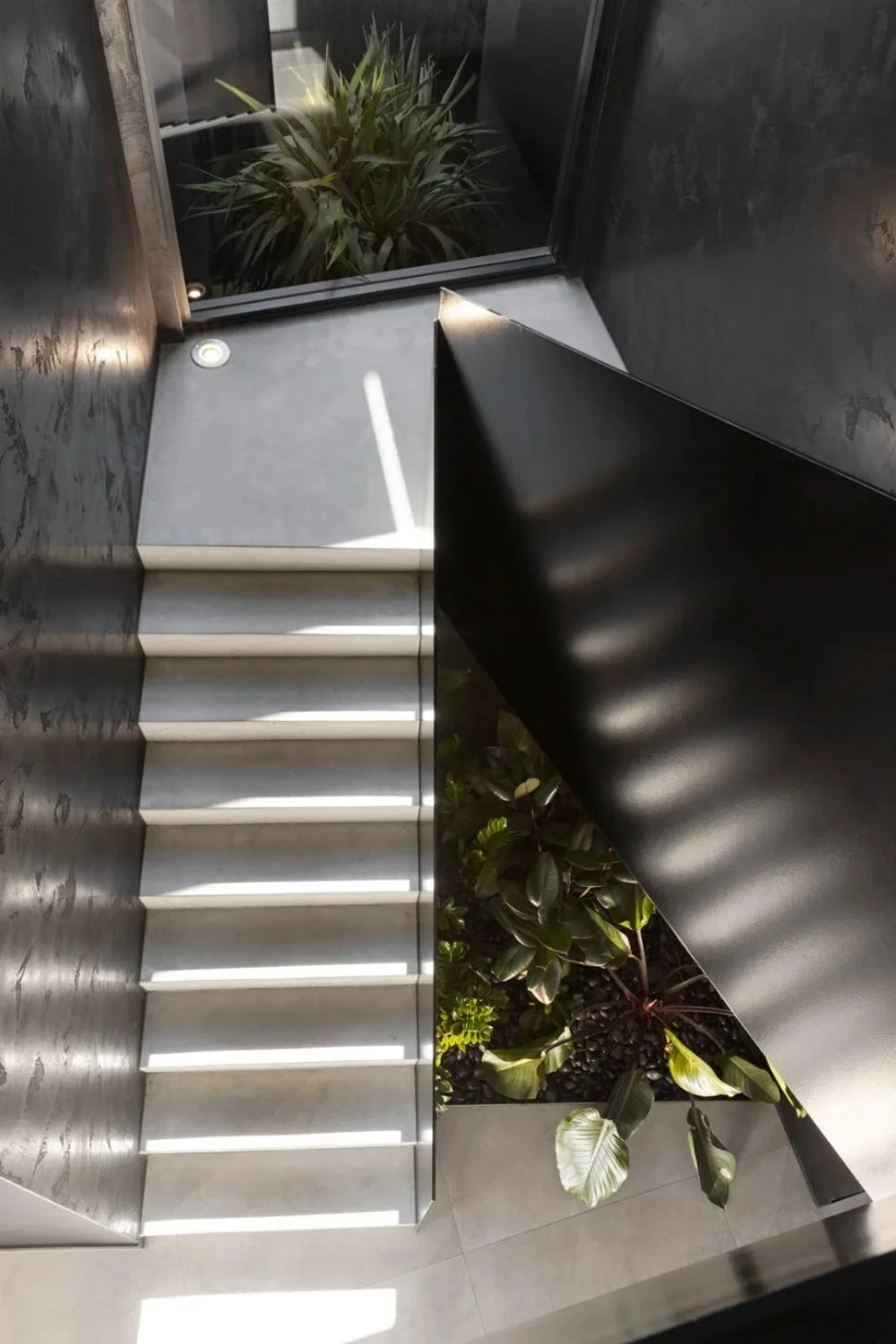
Brutalist interior design is distinguished by contrasting materials like concrete, steel, and glass that create a sense of complexity and architectural permanence. This style defies traditional interior aesthetics, favouring raw, unrefined elements such as unfinished timber, exposed brick, visible piping, and sculptural forms.
Brutalist Colour Palette
By emphasising texture over colour, brutalist interiors deliver an audacious spatial experience. Bold finishes such as matte black or brushed gunmetal lend moody depth to their cool minimal palettes, which can be warmed by unfinished timber, exposed brick walls, and touches of greenery.
Brutalist Furniture
Brutalist furniture connects deeply with the style's origins to create a cohesive space. Geometric shapes and smooth, simple finishes create a sleek, unadorned look — think metal chairs, plain wooden tables, and stone benchtops.
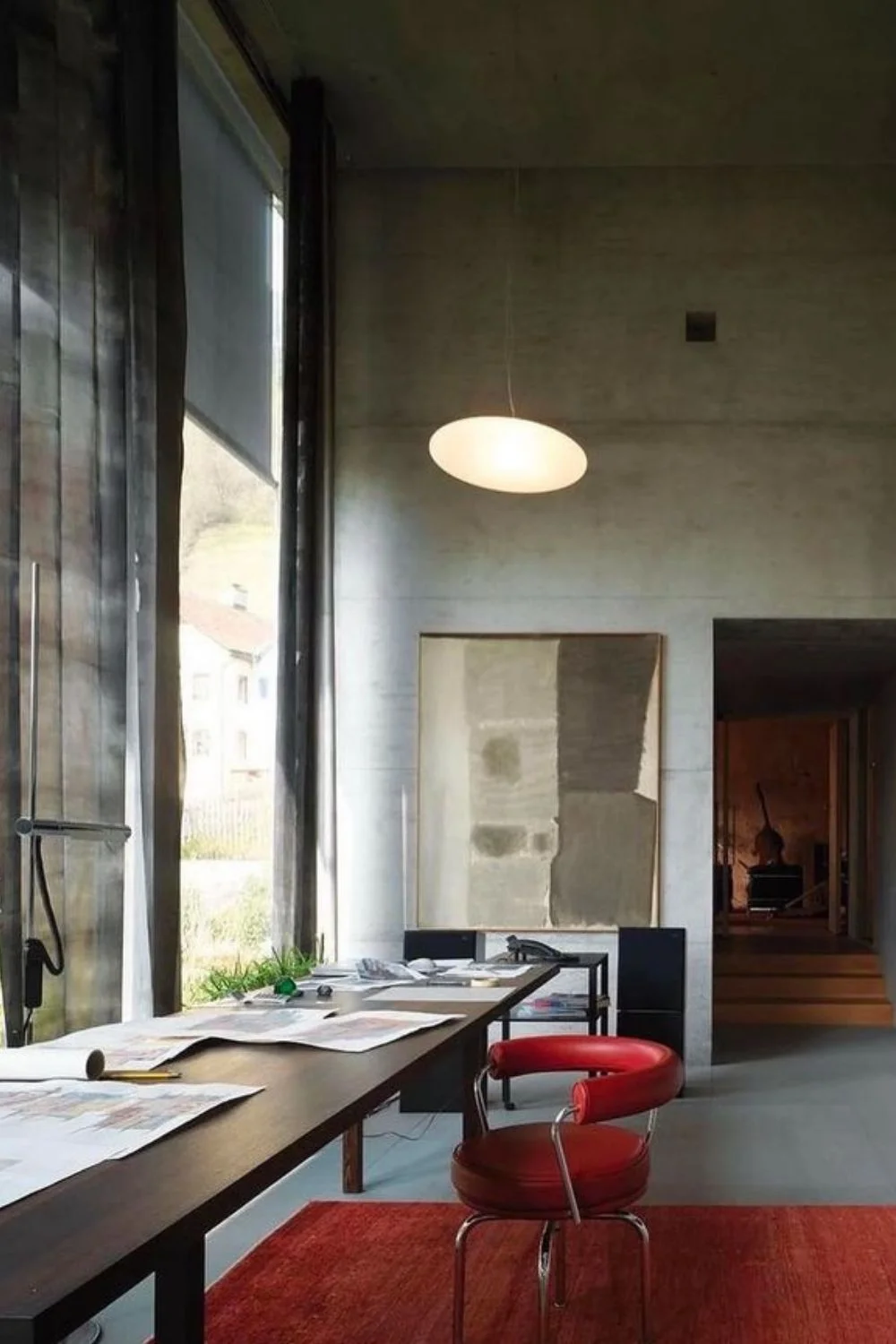
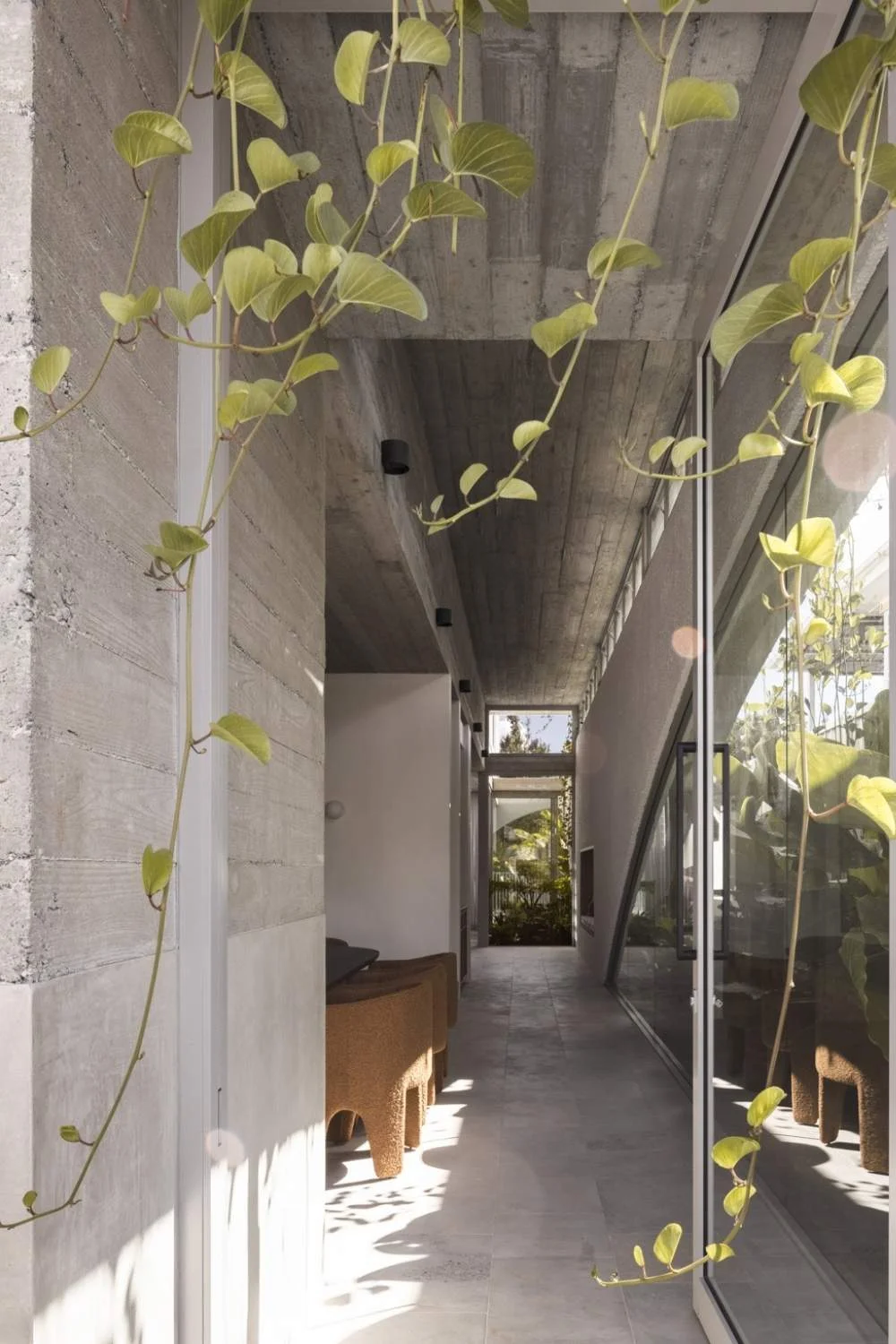
Brutalist interior design invites users to find solace through simplicity. Its minimalist approach encourages calm and contemplation within a space. This style is surprisingly easy to achieve and can flow seamlessly throughout the home.
Achieving Unique Interior Design Styles
When designing your home, it’s important to focus on personal style and character over trending interior inspirations. In a design world that’s constantly evolving, exploring a range of different interior design styles encourages more meaningful and original decisions.
Although niche today, these ideas draw from rich design legacies of the 20th century. Their timeless appeal, rooted in tradition yet full of creative potential, results in spaces rich in personality, depth, and originality.
Feeling inspired? Read these blogs for more design inspiration:
100 Years of Style: Explore The History of Interior Design
What is Maximalism? A Guide to Maximalist Interior Design
10 Biophilic Design Principles to Reconnect and Ground Your Space